In my 15 years working on pools from Siesta Key to Lakewood Ranch, the primary failure I see with pool covers in
In my 15 years working on pools from Siesta Key to Lakewood Ranch, the primary failure I see with pool covers in Sarasota is a mismatch between the material and our specific environmental stressors. Homeowners often buy a generic cover online, only to find it brittle and useless after one Florida summer. The intense, year-round UV exposure, combined with high humidity and salt air near the coast, demands a very specific set of features that go beyond simply keeping out leaves. A proper cover here is your first line of defense against rapid chemical evaporation and water loss, which are significant operational costs in our climate.
- UV Resistance: Standard bubble covers often lack the UV inhibitors needed, lasting less than 18 months.
- Rainwater Management: Automatic covers must have robust, non-clogging drainage systems to handle our sudden, heavy downpours.
- Debris Load: Mesh safety covers need to be rated for the heavy, wet load of oak leaves and pine needles common in our area.
- HOA Compliance: Many Sarasota communities have aesthetic rules that can dictate the color and visibility of your cover system.
The Planning Failures That Define a Cover's Lifespan
The most common mistake is focusing solely on the upfront price instead of the Total Cost of Ownership (TCO) in our climate. A cheap, thin bubble pool cover might save a few hundred dollars initially, but I consistently see them break down into thousands of tiny blue plastic flakes within two seasons, clogging filters and skimmers. This not only negates the savings but creates a costly cleanup job.
Another frequent oversight is ignoring the surrounding landscape. A homeowner in a heavily wooded neighborhood like The Landings with large oak trees needs a solid or fine mesh safety cover. A simple solar blanket will sag under the weight of wet leaves, dump debris into the pool when removed, and ultimately fail. The cover must match the debris load.
The Most Expensive Failure: Ignoring Wind and Storm Tolerance
The costliest mistake is underestimating the wind lift from our summer thunderstorms and tropical storm systems. An improperly anchored or poorly fitted cover, especially a lightweight solar blanket, becomes a sail. I was called to a property in Palmer Ranch after a storm where a solar blanket had been lifted, wrapped around the lanai furniture, and torn to shreds. More importantly, the exposed pool was filled with debris, requiring a full drain-and-clean that cost over $900—far more than a properly secured cover would have.
How Pool Cover Installation Works in Practice Here
The process depends heavily on the type of cover. Simple solar blankets or leaf nets require no professional installation. However, for professionally installed safety covers or automatic pool covers near me, the process is much more involved and specific to Sarasota County codes. It begins with an on-site measurement to ensure a perfect fit, which is non-negotiable for safety and effectiveness.
For automatic covers, this involves cutting tracks into the existing deck or installing surface-mounted tracks. This work often requires a licensed contractor, as it can involve electrical work for the motor and drainage considerations. Permitting through Sarasota County is typically not required for the cover itself, but any significant electrical or structural modification to the deck or enclosure would trigger a permit requirement under the Florida Building Code.
Selection Criteria for Sarasota Homeowners
- Material UV Rating: Ask for the manufacturer's specification on UV inhibitor levels and warranty against sun degradation. This is more critical here than in almost any other state.
- Drainage System Capacity: For automatic covers, verify the pump or drainage panel can handle the 2-4 inches of rain we can get in a single afternoon thunderstorm.
- Anchor System Suitability: Ensure the anchor type is appropriate for your deck material—be it pavers, travertine, or concrete. Brass anchors are essential for resisting corrosion in our salty air.
- HOA Pre-Approval: If you live in an HOA-governed community, get written approval for the cover's color and any visible tracking before signing a contract.
Comparing Cover Types for the Sarasota Climate
Choosing the right cover is a trade-off between convenience, safety, cost, and effectiveness against our specific environmental challenges. What works for a seasonal resident in a condo might be completely wrong for a family with young children in a single-family home.
| Cover Type | Primary Sarasota Benefit | Key Drawback | Estimated Upfront Cost (15'x30' Pool) |
|---|---|---|---|
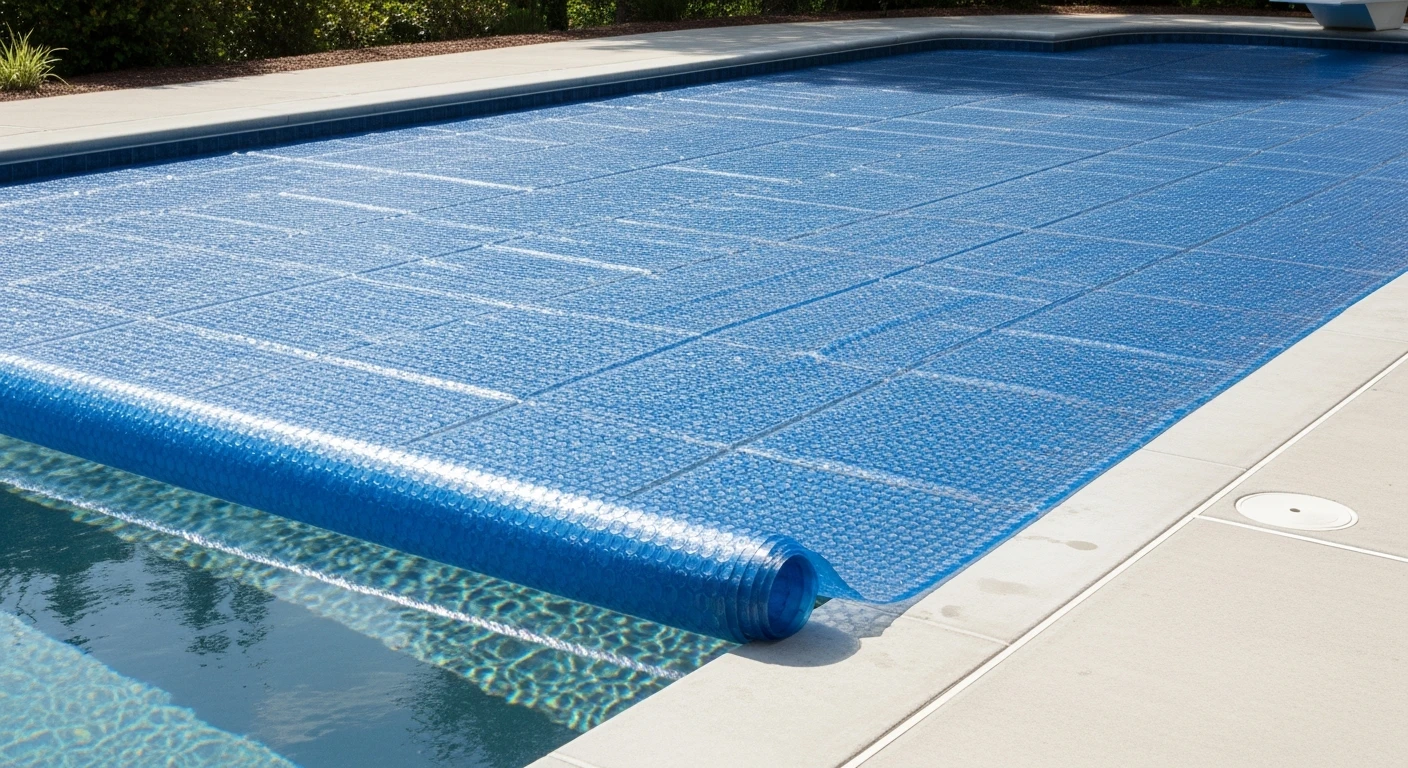
| Solar 'Bubble' Cover | Excellent evaporation control and heat retention. | Very short lifespan (1-2 years) under Florida sun; no safety value. | $150 - $400 |
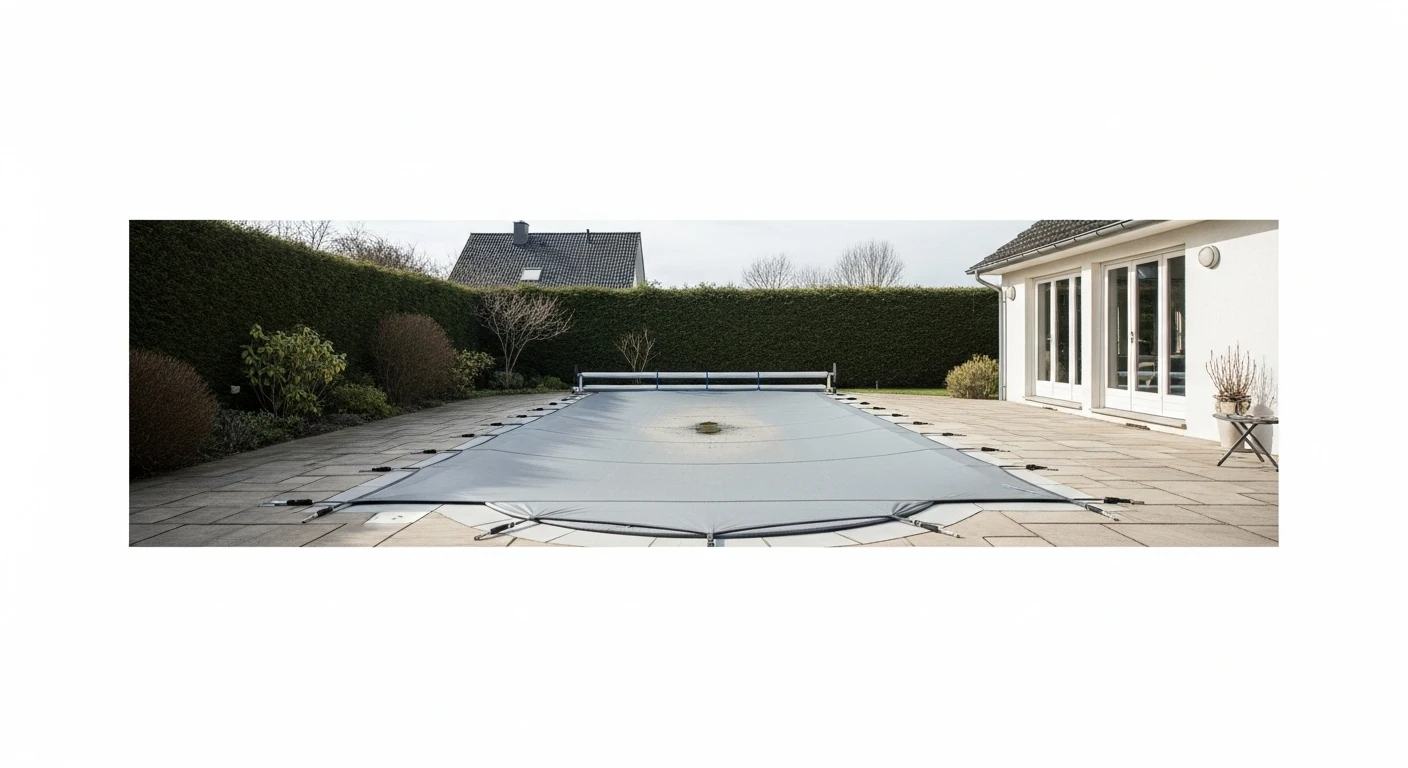
| Mesh Safety Cover | High safety rating; allows rain to pass through, preventing pooling. | Allows fine debris and pollen to enter the pool; does not stop evaporation. | $2,000 - $4,500 |
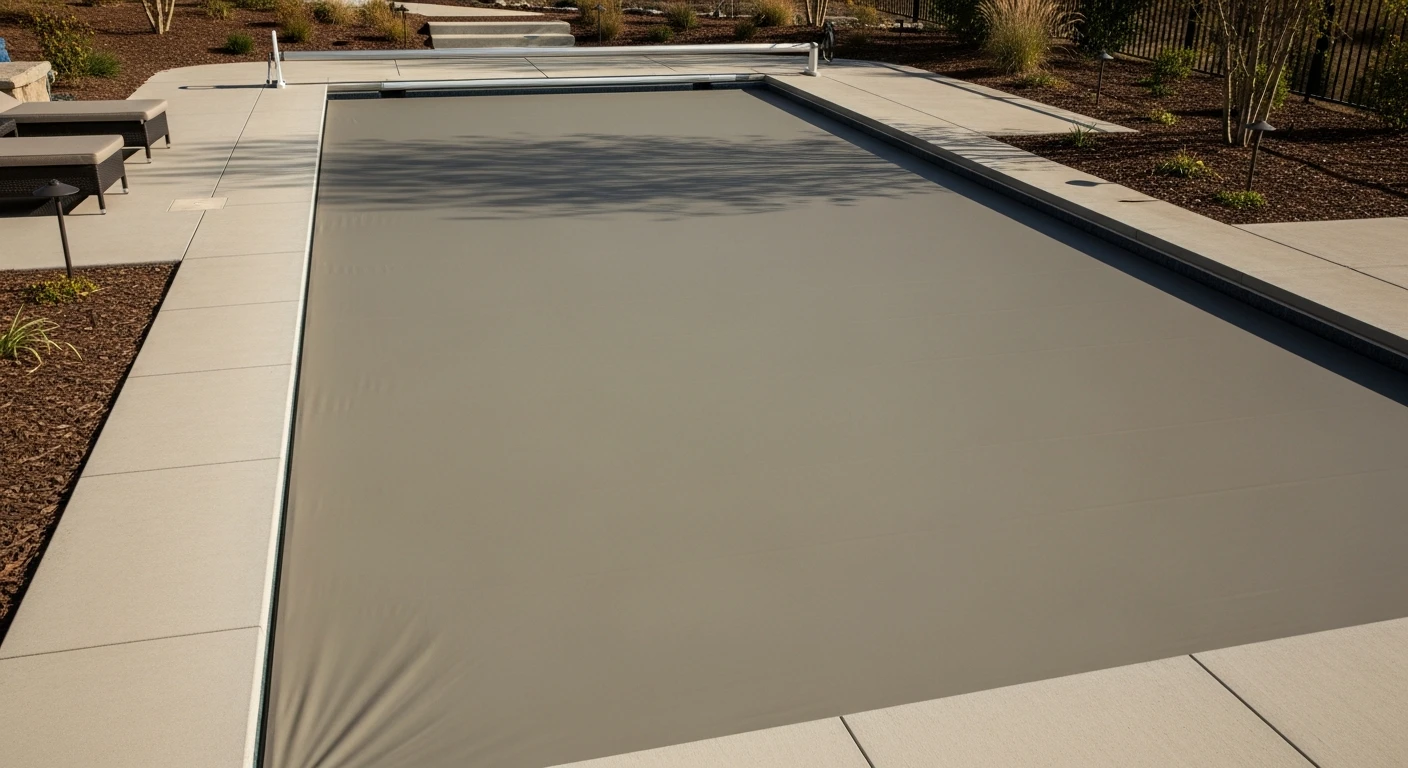
| Solid Safety Cover | Keeps all debris and sunlight out, reducing algae and chemical use. | Requires a cover pump to remove rainwater, which can fail or clog. | $2,500 - $5,000 |
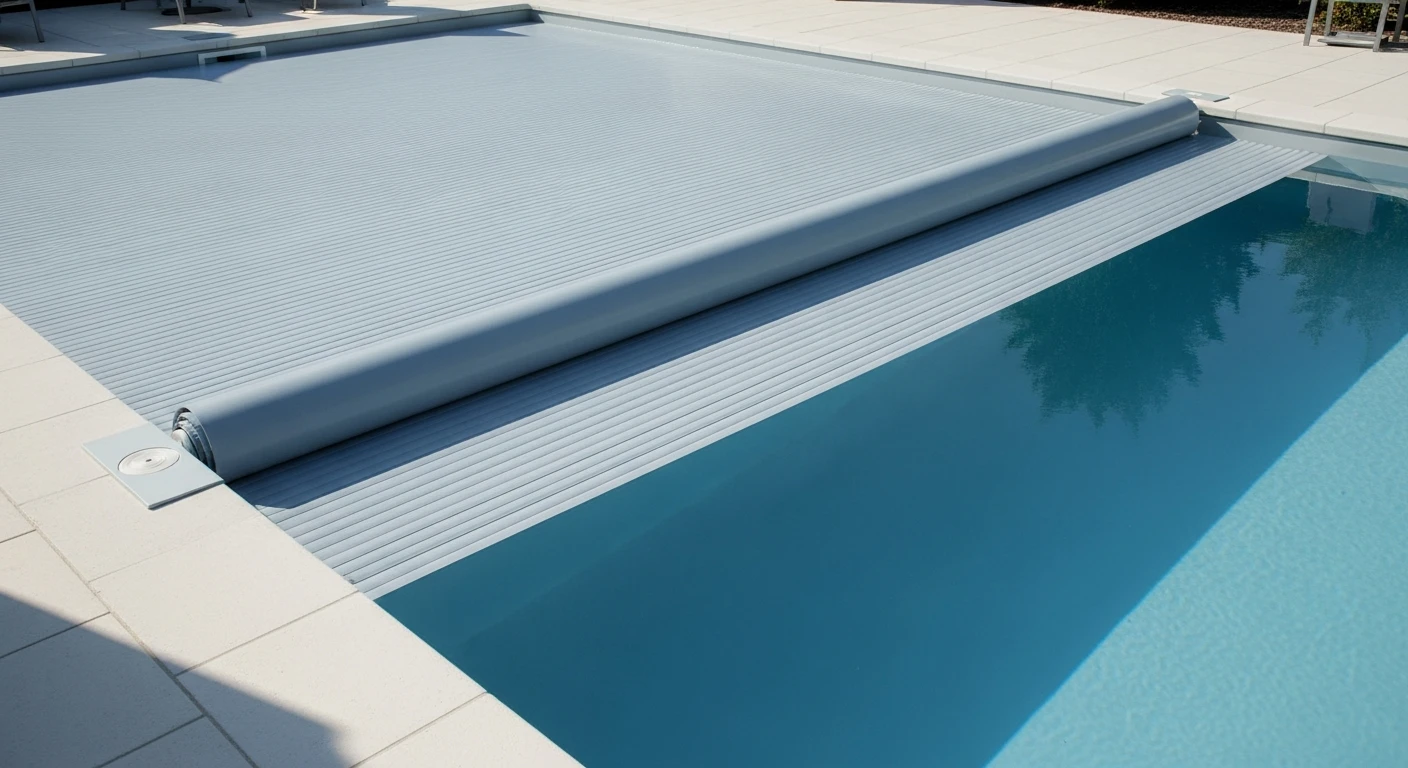
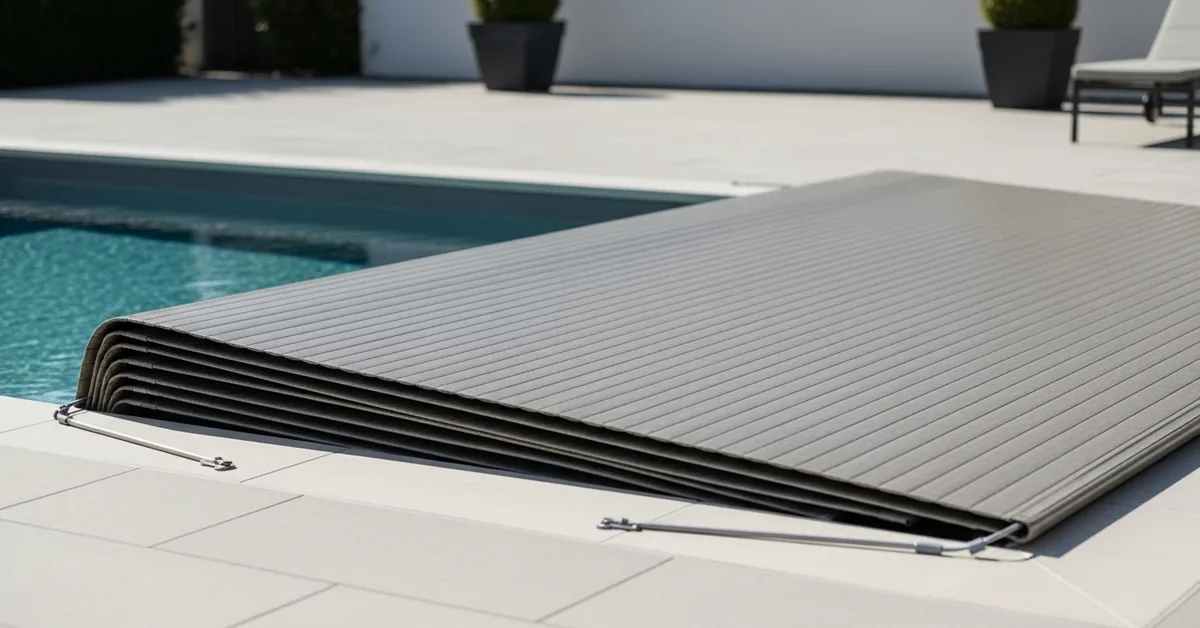
| Automatic Vinyl Cover | Ultimate convenience, safety, and evaporation control at the push of a button. | Highest cost; mechanical parts require maintenance, especially in salt air. | $12,000 - $25,000+ |
When a Pool Cover Isn't the Right Choice
There are situations where a high-end cover is not a sound investment. If you have a screen enclosure (lanai) that is in excellent condition and effectively keeps out most debris and provides some UV filtering, the added benefit of a safety or automatic cover may not justify the high cost. For these homeowners, a simple liquid solar cover or a basic pool blanket cover for heat retention during the cooler months is often a more practical and cost-effective solution.
A Safe Hiring Checklist for Cover Installation
Finding a reliable installer is paramount, especially for systems that integrate with your pool deck and electrical systems. The market has many installers, but not all understand the nuances of our local conditions.
- Verify Florida Contractor License: Any work involving electrical or significant deck modification requires a state-licensed contractor. Verify their license is active on the Florida Department of Business and Professional Regulation (DBPR) website.
- Request Proof of Insurance: Ask for a current Certificate of Liability and Workers' Compensation. An accident during a deck-cutting operation can be a homeowner's liability without it.
- Ask for Local, Verifiable References: Don't just accept a list. Ask for references in Sarasota or Manatee County and actually call them. Ask specifically about how the cover has performed through a full summer storm season.
- Review the Warranty for UV Damage: A pro-rated warranty is common, but you need to understand exactly what is covered. A warranty that excludes degradation from “acts of God” or sun damage is virtually useless in Florida.
- Clarify Rainwater Management Details: For a solid or automatic cover, get the specifics on the pump model, its GPM (gallons per minute) rating, and how it handles debris that might clog it.
- Check for Hidden Costs: Ensure the quote includes all necessary deck work, electrical hookups, drainage solutions, and debris removal.
Decisions That Determine the Outcome
The single most important decision is choosing the cover's primary purpose before you shop. Are you trying to solve a safety issue, reduce chemical costs, heat the pool, or just keep leaves out? Each purpose points to a different type of cover. Trying to find one cover that does everything perfectly for a low price is the path to disappointment.
I worked with a client in Venice who wanted an automatic cover primarily for heat retention. We focused on a specific vinyl material with a dark color to maximize solar gain. A neighbor bought a similar system for safety but chose a lighter color for aesthetics. My client's pool was consistently 8-10 degrees warmer, while the neighbor was frustrated with the lack of heating. The initial decision about the primary goal changed everything.
The Exact Moment Most Homeowners Get It Wrong
The critical mistake happens during the sales presentation. A salesperson will naturally push the product they sell, whether it’s the best fit for your specific property or not. The moment you get it wrong is when you let the salesperson's pitch, rather than your own property's debris load and safety needs, dictate the choice. Before you even call for a quote, walk around your pool. Note the type and amount of leaves, the direction of prevailing winds, and how much direct sun hits the water. This data is more important than any brochure.
Practical Answers About Operating in Sarasota
Navigating the specifics of installing and maintaining a pool cover here involves understanding a few local realities that aren't always obvious.
What are the rules for safety covers as a barrier?
In Sarasota County, under the Florida Residential Swimming Pool Safety Act, a pool must have at least one safety barrier. A powered safety cover that complies with ASTM F1346-91 standards can serve as this primary barrier. This is a huge advantage, as it can eliminate the need for a pool fence, but the cover must be maintained and used correctly to remain in compliance. An inspector can require another barrier if the cover is non-functional.
How do HOAs in communities like Lakewood Ranch regulate covers?
Homeowners Associations, particularly in master-planned communities, often have strict architectural review guidelines. While they can't prohibit a safety device, they can regulate aesthetics. This commonly includes the color of the cover (neutral earth tones are often required) and the visibility of tracks for automatic systems. I've seen projects delayed for weeks because a homeowner signed a contract for a bright blue cover that was subsequently rejected by their HOA's architectural review committee. Always submit the plans first.
Does a cover affect my pool service chemical plan?
Absolutely. A solid or automatic cover dramatically reduces chlorine loss from UV rays. Your pool's chlorine demand can drop by 50-70%. It is crucial to inform your pool service technician once a cover is installed. If they continue adding chemicals at the same rate, you will quickly over-chlorinate the water, which can damage the cover material, bleach your pool surface, and corrode your heat exchanger. The chemical maintenance plan must be recalibrated immediately.