Executive Summary: The Right Heater for a Sarasota Pool
In my 15 years working on pools from Siesta Key to Lakewood Ranch, I've seen one consistent pattern: homeowners
In my 15 years working on pools from Siesta Key to Lakewood Ranch, I've seen one consistent pattern: homeowners underestimate the cost of maintaining a comfortable water temperature during Sarasota's cooler months. The conversation shouldn't be about just buying a heater; it's about investing in a system that aligns with our specific climate—high humidity, corrosive salt air near the coast, and a swim season that you want to stretch from 8 months to a full year. The most common mistake is choosing a heater based on its purchase price rather than its long-term operational cost in our local FPL (Florida Power & Light) service area.
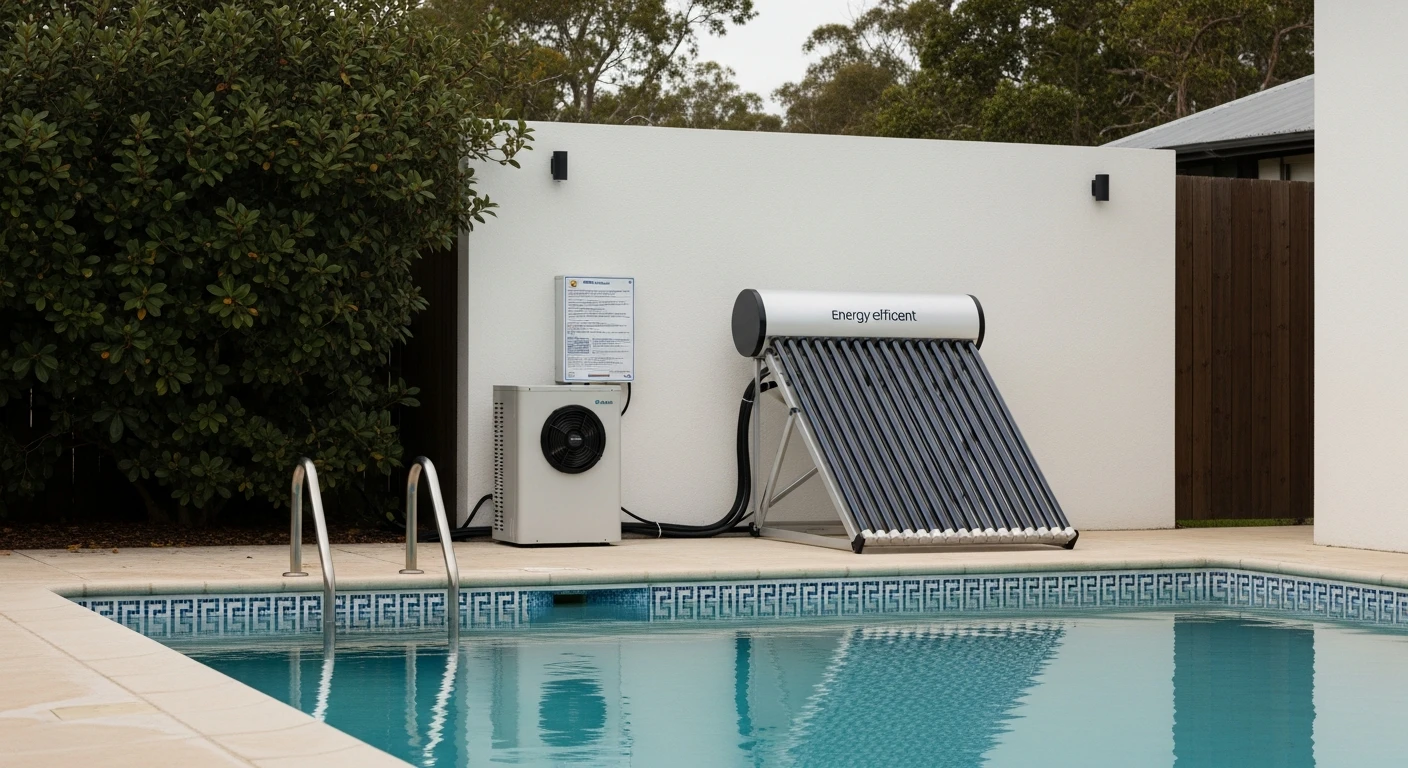
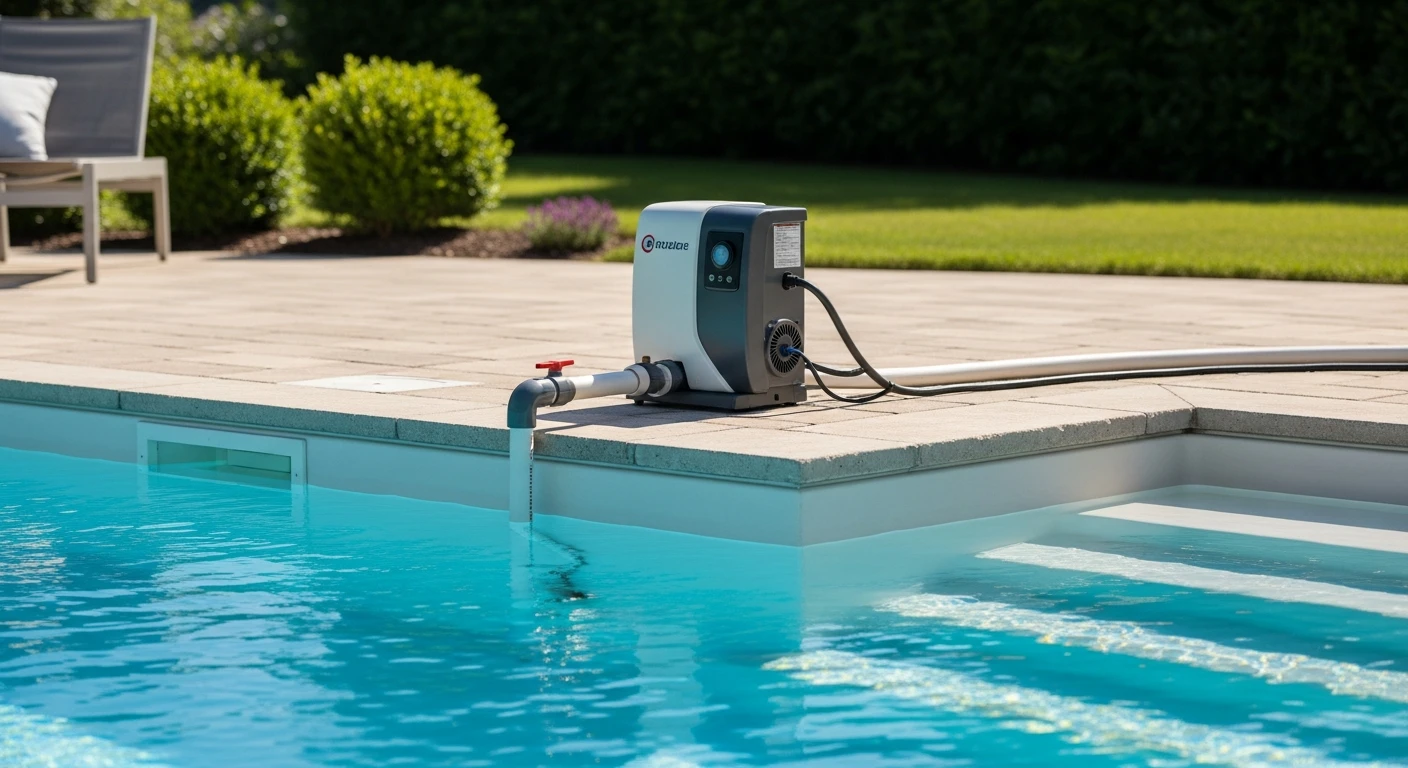
- Heat Pumps Dominate: For consistent, year-round heating in Sarasota, the electric heat pump is the workhorse, offering the best balance of performance and operating cost.
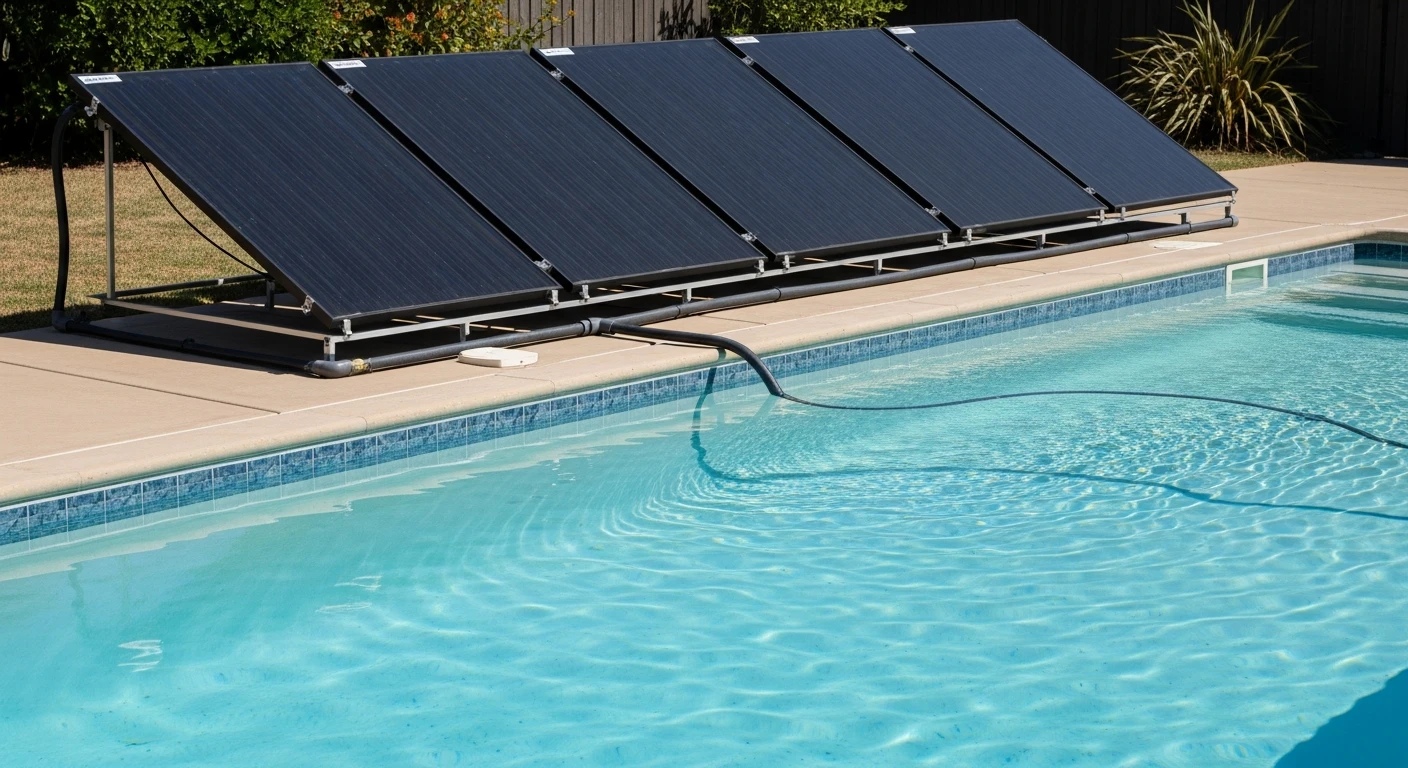
- Solar is Supplemental: Solar heating systems are excellent season extenders for the spring and fall but often struggle to maintain ideal temperatures alone from December through February.
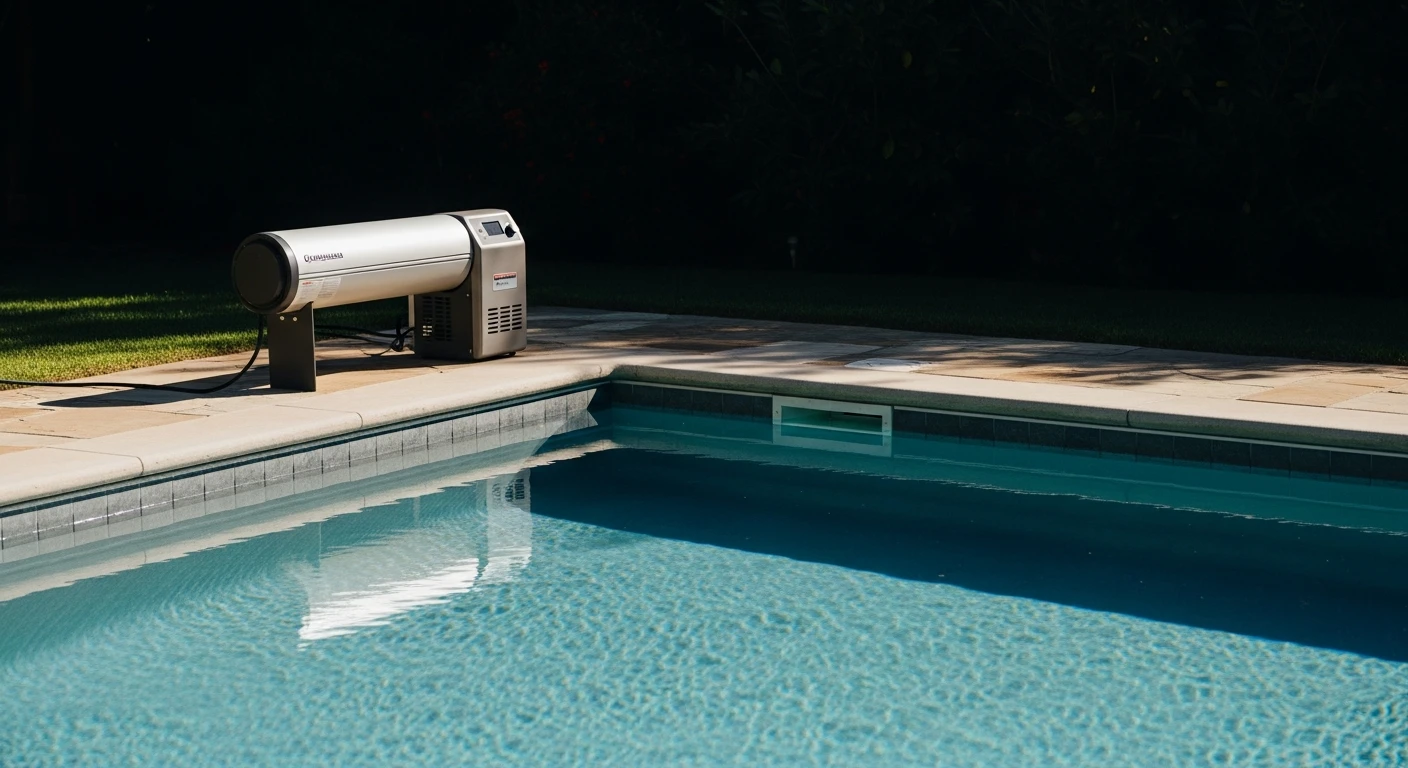
- Gas is for Speed: Propane or natural gas heaters are for rapid heating, ideal for spas or for snowbirds who only need to heat the pool on demand for short periods.
- Permitting is Mandatory: Any new pool heater installation in Sarasota County requires both an electrical and potentially a plumbing permit, a process that typically adds 2-4 weeks to the project timeline.
The Planning Failures That Drive Up Heating Costs
The most significant missteps happen before a technician ever shows up. Homeowners, eager to get their pool warm, often rush the decision-making process, leading to systems that are either undersized, inefficient for our climate, or non-compliant with local rules.
The Sizing Miscalculation: A Costly Mistake
I was called to a home in The Landings where the owner had purchased a new heat pump online to save money. It was a reputable brand, but it was sized for a pool in South Miami, not for the temperature drops we get in Sarasota. The unit ran constantly from November to March, never quite reaching the target 86°F, and their FPL bill tripled. The critical error was ignoring our local conditions; a heater must be sized not just for the pool's gallonage but for the desired temperature rise during our coldest winter days. An undersized unit is the single most expensive “deal” you can get.
The Installation Process in Practice
Installing a pool heater in Sarasota is a regulated process, not a simple appliance hook-up. It involves licensed contractors, county permits, and inspections to ensure safety and code compliance. The entire sequence, from contract signing to final approval, typically takes three to five weeks, assuming no delays with the Sarasota County permit office.
Key Selection Criteria for Sarasota Homeowners
When I consult with clients, I steer them away from generic online reviews and toward factors that matter right here. These are the non-negotiables for our area.
- Corrosion-Resistant Coils: For any property west of I-75, especially on the keys (Siesta, Lido, Longboat), a heater with a titanium heat exchanger or corrosion-resistant coating is essential to combat the salt air. Standard copper coils can fail in as little as three years.
- HOA Compliance: Many Sarasota communities, particularly in Palmer Ranch and University Park, have strict rules on equipment placement and noise. Your contractor must verify that the chosen heat pump's decibel rating and installation location comply with your specific HOA's architectural guidelines before purchase.
- Certified FPL Energy Efficiency: Look for heaters that are certified for efficiency by our local utility, FPL. Some high-efficiency models may qualify for rebates, and your contractor should be able to provide the necessary documentation.
- Local Serviceability: Choose a brand that has a strong service network in the Sarasota-Bradenton area. When a unit fails in January, you don't want to wait a week for a technician qualified to service an obscure brand.
Comparing Heating Systems for a Sarasota Lifestyle
The right choice depends entirely on how you use your pool. A snowbird who visits for six weeks has vastly different needs than a full-time resident with grandchildren who visit every weekend. This table breaks down the real-world performance of the three main swimming pool heating systems in our market.
| Indicator | Electric Heat Pump | Gas Heater (Propane/Natural) | Solar Heater |
|---|---|---|---|
| Best Use Case | Year-round temperature maintenance for full-time residents | On-demand, rapid heating for occasional use or spas | Extending the swim season into spring/fall; supplemental heat |
| Upfront Cost (Avg.) | $4,500 - $7,500 | $3,500 - $6,000 | $4,000 - $8,000 |
| Monthly Operating Cost (Winter) | $150 - $350 | $400 - $800+ | $0 (pump electricity only) |
| Winter Performance | Reliable down to ~50°F air temp | Excellent, operates in any air temperature | Weak; ineffective on cloudy/cold days |
When a Heat Pump Isn't the Right Choice
Despite being the most popular option, a heat pump is not always the best fit. If your primary goal is to heat an attached spa from cold to 102°F in under an hour, a heat pump will fail you. It's designed for slow, efficient heating of large bodies of water. For that specific need—fast, on-demand heat for a spa—a gas heater is unequivocally the superior and only practical technology.
A Safe Hiring Checklist for Your Heater Installation
Hiring the right installer is as important as choosing the right unit. An improper installation can void a manufacturer's warranty, fail a county inspection, and pose a significant safety risk. I've been called to fix far too many installations done by unlicensed handymen.
- Verify the contractor holds a valid Florida Certified Pool Contractor (CPC) or appropriate mechanical/electrical license. You can check this on the Florida Department of Business and Professional Regulation (DBPR) website.
- Confirm the contractor will pull all necessary permits from Sarasota County. Ask for the permit number once it's issued. A contractor who suggests skipping permits is a major red flag.
- Ensure the written quote includes all costs: the unit, labor, electrical work, plumbing, the concrete equipment pad, and permit fees.
- Ask for proof of both general liability and worker's compensation insurance. Without it, you could be liable for accidents on your property.
- Discuss the warranty for both the equipment and the labor. A reputable installer will stand behind their work for at least one year.
Decisions That Determine Your Long-Term Satisfaction
The ultimate success of your pool heating project comes down to a few key decisions made at the beginning of the process. These choices separate homeowners who enjoy a warm pool with predictable costs from those who face frustrating repairs and high utility bills.
The Moment Most Homeowners Get It Wrong
The single most critical moment is when a homeowner receives multiple quotes and defaults to the lowest price. In my experience, the lowest bid on a pool heater installation almost always cuts a corner. It might be an undersized unit, a refusal to pull permits, or the use of a less experienced (and uninsured) subcontractor for the electrical work. The correct approach is to disqualify the lowest bid immediately and compare the mid-to-high range quotes based on the quality of the equipment proposed, the contractor's license and insurance, and their plan for permitting and inspection. This shift in mindset saves thousands in the long run.
Practical Answers About Operating in Sarasota
Navigating the local requirements for a pool heater installation can be confusing. Here are the answers to the most common operational questions I encounter from homeowners in Sarasota County.
What Does the Sarasota County Permitting Process Entail?
For a standard heat pump installation, your licensed contractor will submit an application to the Sarasota County Planning and Development Services. This requires electrical load calculations and a site plan showing the equipment's location. The county reviews it for compliance with the Florida Building Code, which takes about 2-4 weeks. Once approved and installed, a county inspector must visit the site to sign off on the electrical and plumbing work before the system can be legally operated.
How Do I Handle HOA Architectural Review for My Heater?
Before signing any contract, you or your contractor must submit a proposal to your Homeowner's Association Architectural Review Committee (ARC). This usually includes the heater's spec sheet (showing dimensions and noise level) and a survey map of your property indicating the proposed location. The ARC's primary concerns are visual impact from the street and noise affecting neighbors. Failure to get prior approval can result in fines and a demand to relocate the equipment at your expense.
Which Florida Contractor Licenses Are Required?
In Florida, a pool heater installation must be performed by a properly licensed contractor. A Certified Pool Contractor (CPC license) is qualified to do the entire job. Alternatively, the work can be done by a licensed mechanical or HVAC contractor for the unit itself, a licensed electrical contractor for the wiring, and a licensed plumbing contractor for the water connections. Hiring a single CPC-licensed company simplifies coordination and accountability immensely.