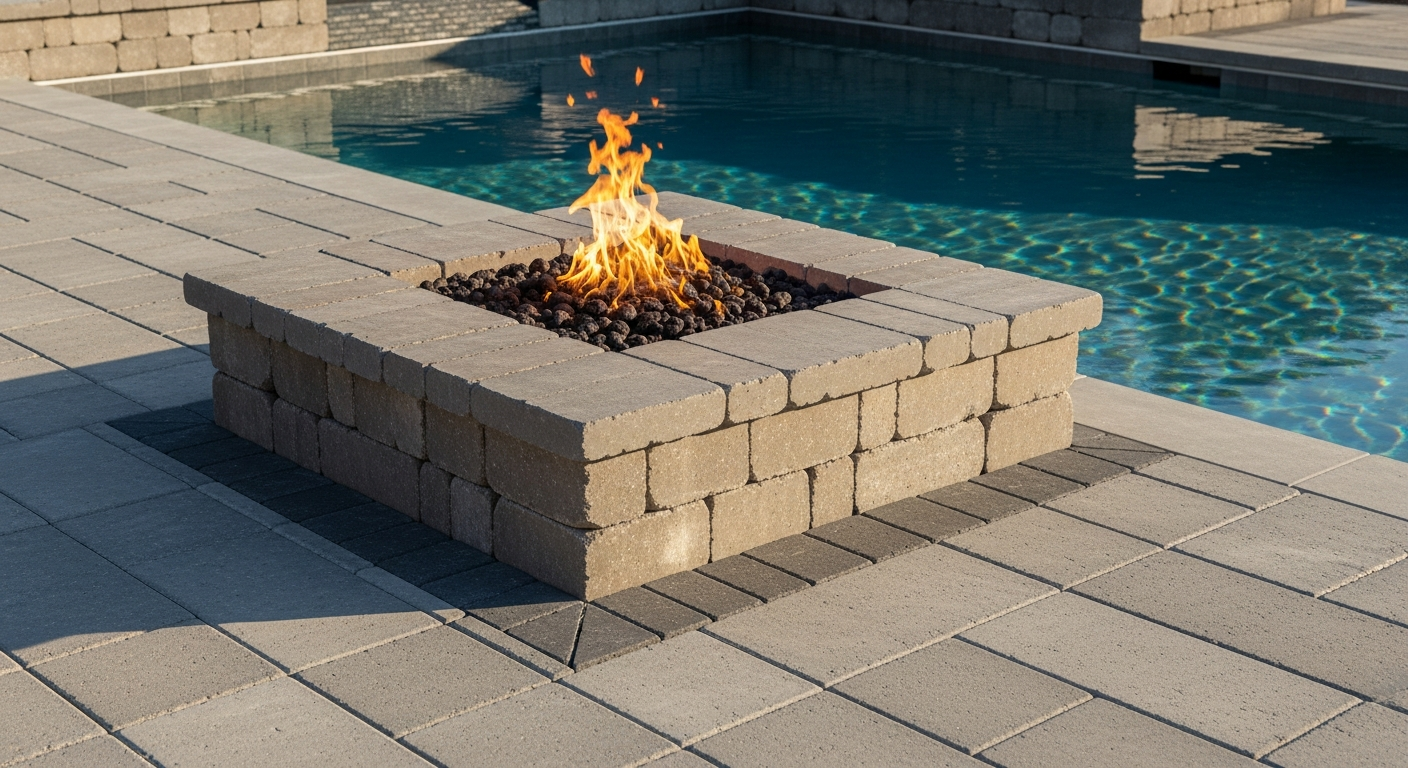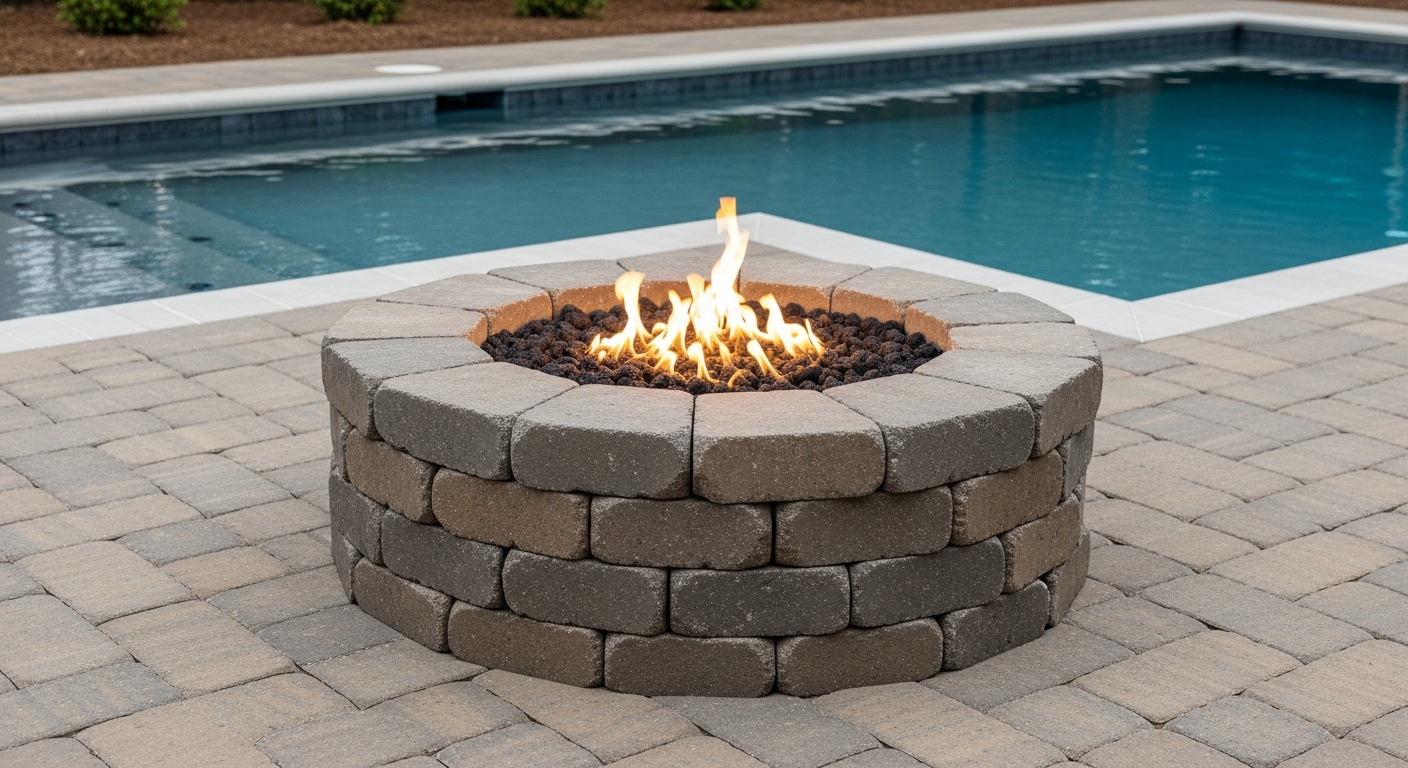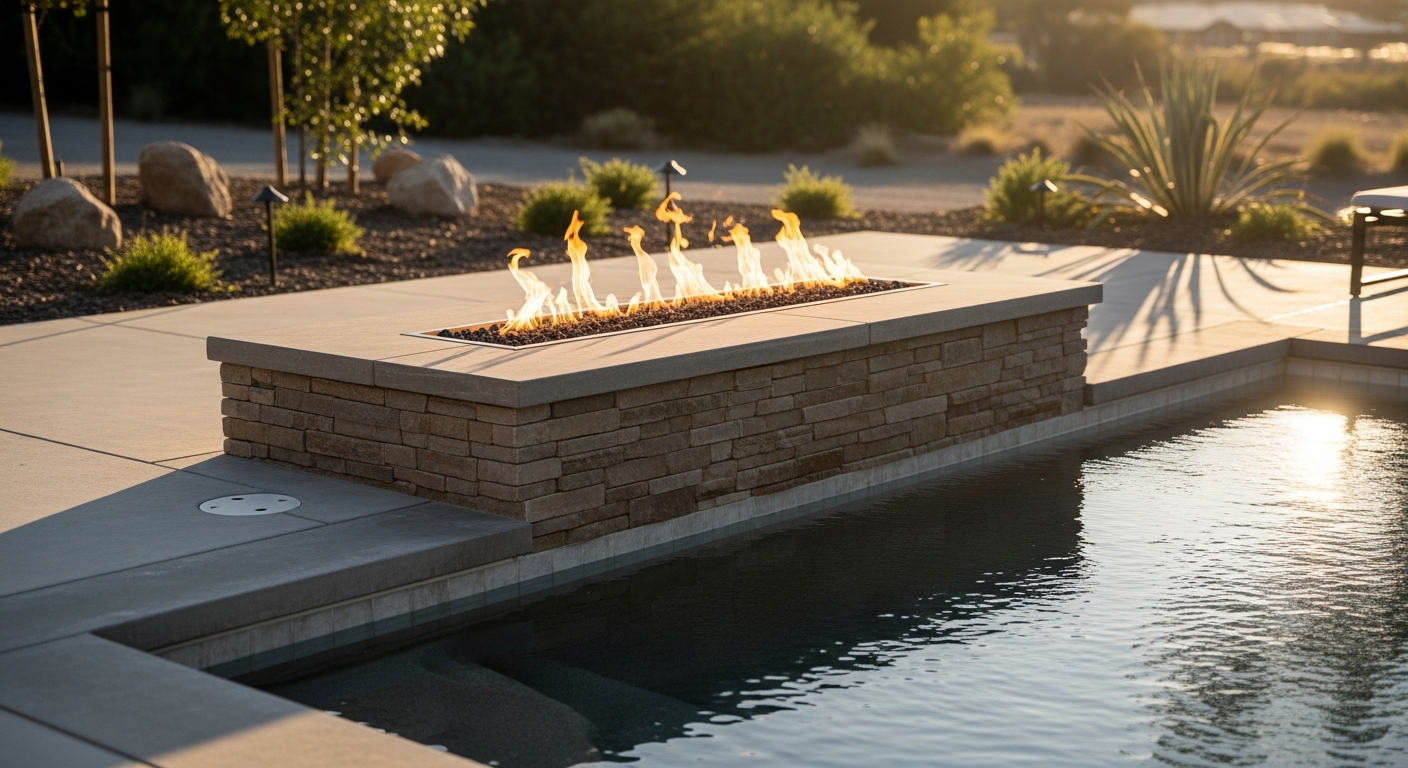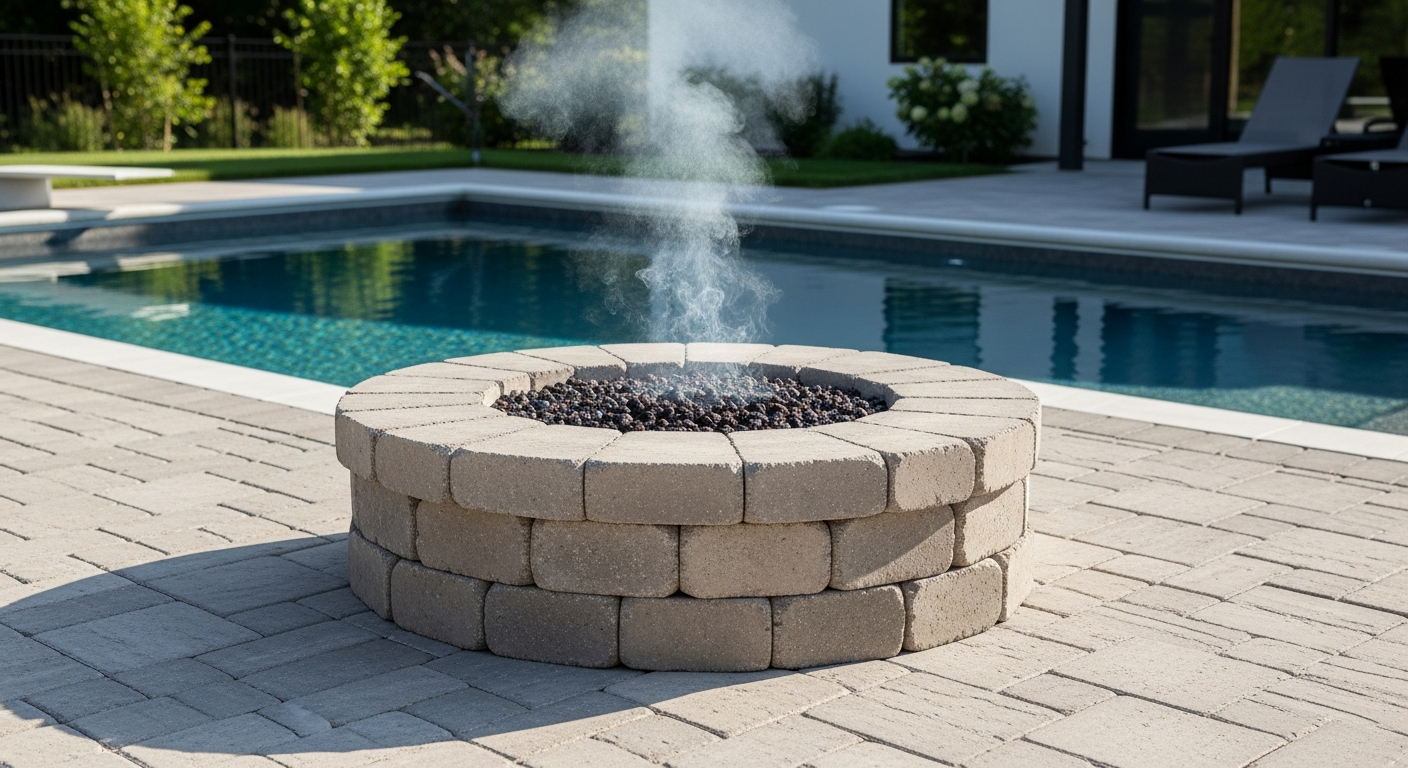
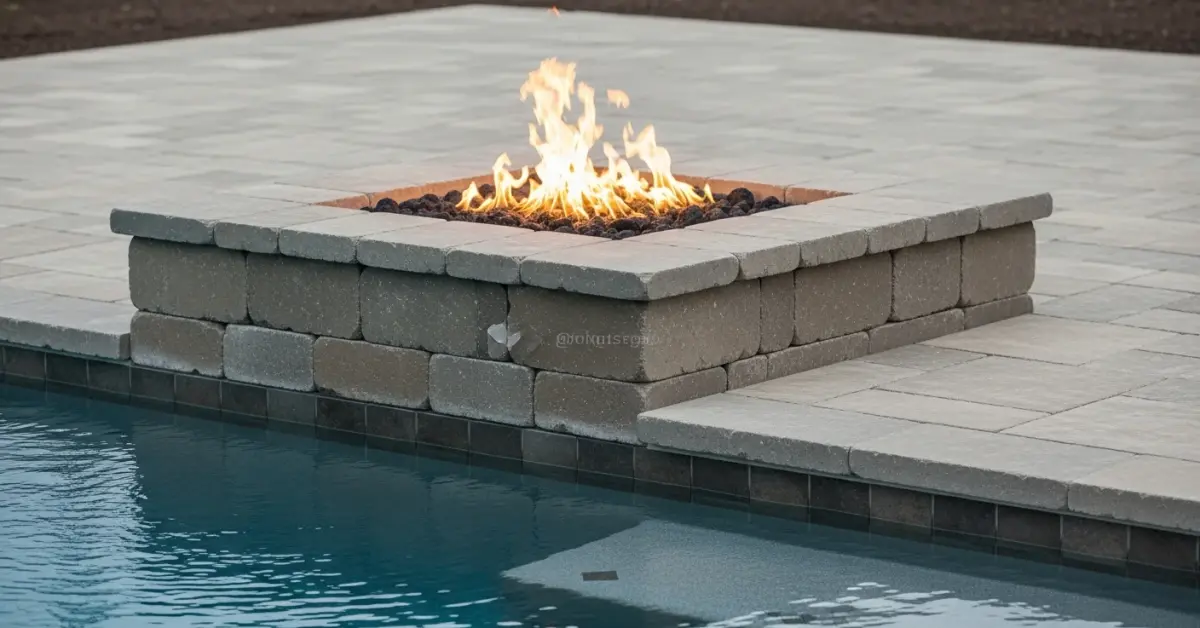
Most homeowners believe the biggest risk with a paver fire pit is choosing the wrong color. After more than a decade installing these features across Sarasota, from historic Gillespie Park to sprawling lots in The Lake Club, I can tell you the real failure points are invisible. They hide in the base preparation, the type of jointing sand used, and the specific paver material's ability to handle thermal cycling in our humid, salt-laden air. The most expensive mistakes are literally buried underground.
Executive Summary: Paver Fire Pits in Sarasota
From my direct experience on projects in Sarasota County, a successful paver fire pit installation hinges on a system
From my direct experience on projects in Sarasota County, a successful paver fire pit installation hinges on a system designed for our specific environmental pressures. It’s not about the fire pit itself, but the foundation that supports it. We consistently see projects fail not from fire damage, but from water intrusion, soil subsidence, and material degradation accelerated by our climate. The key is to over-engineer the base and select materials rated for thermal expansion and high moisture.
- Base Preparation: Standard 4-inch paver bases are insufficient for Sarasota's sandy soil. A minimum of 6-8 inches of compacted aggregate base is non-negotiable to prevent sinking and shifting, especially under the weight of a block-built fire pit.
- Paver Selection: Concrete pavers must have a low water absorption rate (under 5%) to resist mildew and efflorescence. Clay pavers offer superior color retention against UV fading but can be more brittle.
- Thermal Buffer Zone: A non-combustible zone using fire-rated materials like fire brick or a steel insert is required. Directly exposing standard concrete pavers to high heat will cause them to crack or spall.
- Jointing Material: Standard polymeric sand can fail to cure properly in high humidity, leading to washout. A high-performance, moisture-cured polymeric sand is essential to lock pavers together and prevent weed growth during our rainy season.
The Planning Failures That Drive Up Costs
The most common missteps happen long before the first paver is laid. Homeowners, focused on aesthetics, often overlook the technical specifications that are critical in our local environment. The result is a beautiful patio that starts to fail within two to three years, requiring expensive repairs.
The Most Expensive Failure: Underestimating Sarasota's Soil
The single costliest mistake I see is skimping on the foundation. A client in an Ostenfeld neighborhood wanted to save about $800 on a project by reducing the compacted base from our recommended 8 inches to the 4 inches another contractor quoted. Within 18 months, the pavers around the heavy fire pit had sunk nearly two inches, creating a hazardous, uneven surface that collected water. The “savings” were erased by the cost to pull up the entire area, regrade, and reinstall it correctly, which ended up costing them almost 50% more than our original, properly-scoped proposal.
The Installation Process in Practice
A proper paver fire pit installation is a multi-stage process that requires precision and adherence to local standards. It begins with a site assessment to evaluate drainage and soil conditions, followed by design and material selection. We handle the entire permitting process, which is a crucial step that many smaller operators skip.
Once approved, the work involves excavation, extensive base preparation and compaction, precise paver laying, and finishing with edge restraints and jointing sand. The entire process, for a typical 300-square-foot patio and fire pit, can take from five to eight working days, depending on weather and inspection schedules from the Sarasota County Building Department.
Paver Selection Criteria for Sarasota Homes
- Salt Resistance: If you live west of the Trail or on the Keys, choose pavers specifically rated for saltwater environments to prevent pitting and degradation.
- Solar Reflectance Index (SRI): Lighter-colored pavers with a higher SRI will stay cooler to the touch, a significant comfort factor in the Florida sun. Many HOAs now have guidelines on this.
- HOA Compliance: Before getting a quote, secure your HOA's approved materials and color palette. Bringing a contractor a pre-approved list from your Architectural Review Committee in communities like Lakewood Ranch saves weeks of back-and-forth.
- Textural Finish: Smooth pavers can become slippery when wet during our daily summer downpours. A textured or tumbled finish provides better traction.
Comparison with Alternative Fire Pit Surfaces
Pavers offer a great balance of aesthetics, durability, and value, but they aren't the only option. Understanding the trade-offs is key to making the right long-term investment for your property.
| Feature | Paver System | Poured Concrete Slab | Natural Stone (Flagstone) |
|---|---|---|---|
| Initial Cost | Moderate | Low | High |
| Repairability | Excellent (replace individual units) | Poor (requires patching or resurfacing) | Good (replace individual stones) |
| Durability in FL Climate | Very Good (with proper base) | Fair (prone to cracking from soil shifts) | Excellent (highly resistant to elements) |
| Design Flexibility | High (many colors, shapes, patterns) | Moderate (stamping/staining options) | Moderate (natural, irregular shapes) |
When a Paver Patio Isn't the Right Choice
If your property has significant unresolved drainage issues or is in a designated flood-prone area, a paver system can be problematic. While permeable pavers are an option, severe hydrostatic pressure can still cause base failure. In these specific cases, a reinforced, structural concrete slab or a deck system built on deep footers may be a more stable, albeit different, long-term solution.
Safe Hiring Checklist for Your Project
Choosing the right installer is more critical than choosing the right paver. A great product installed poorly will always fail. I've been called in to fix too many projects where the homeowner's only criterion was the lowest price.
- Verify their Florida contractor's license is active and appropriate for the scope of work on the state's DBPR portal.
- Request a certificate of insurance showing both general liability and worker's compensation coverage.
- Ask for at least three recent, local references for similar paver fire pit projects and actually call them.
- Confirm their quote specifies the depth of the aggregate base (should be 6” minimum) and the type of jointing sand.
- Ensure the contract includes pulling a permit. Any structural patio or fire pit work in Sarasota County typically requires one. A contractor who says you don't need one is a major red flag.
- Review their plan for protecting your existing landscape, irrigation, and property during construction.
Decisions That Determine the Final Outcome
Two key decisions define the success of a paver fire pit project: committing to the proper foundation and selecting a paver designed for our specific coastal climate, not just one that looks good in a catalog. The impulse is to allocate more budget to the visible elements—the pavers and the fire pit cap—but the real investment should be in the unseen base work.
I always advise clients to choose a less expensive paver on a perfectly prepared base over a premium paver on a standard, code-minimum base. The first option will last for decades; the second will likely need major repairs within five years.
The Moment Most Homeowners Get It Wrong
The critical error occurs during the quoting stage. Homeowners compare bids line by line, but they don't know what to look for. The most important line item is not the total price, but the 'Base Preparation' description. A low bid often hides a 3-4 inch base with minimal compaction. A professional bid will detail a 6-8 inch compacted base, geotextile fabric if needed, and high-grade materials. Paying 15-20% more for that robust foundation is the best money you will ever spend on your hardscape project.
Practical Answers for Building in Sarasota
Navigating the local requirements can be frustrating. Here are the realities of getting a paver fire pit project done correctly in Sarasota.
Understanding Sarasota County Permit Requirements
Any paver patio over a certain size or a permanently constructed fire pit generally requires a permit from the Sarasota County Building Department. The process involves submitting plans showing setbacks from property lines and structures. The typical permit review time can range from two to four weeks. This is not a step to be skipped, as unpermitted work can lead to fines and issues when you sell your home.
Meeting HOA Architectural Review Standards
In communities like Palmer Ranch or University Park, the HOA's Architectural Review Committee (ARC) has the final say. Their guidelines often dictate paver color, style, and even the location of the fire pit. You must get written ARC approval before any work begins. We often submit the material samples and plans on behalf of our clients to streamline this process, which can take up to 30 days.
Choosing a Fire Pit Fuel Source: Local Codes
Your choice between a wood-burning, natural gas, or propane fire pit is governed by local fire codes. Wood-burning pits have stricter setback requirements from combustible structures (like your house or a neighbor's fence). Gas-fueled fire pits, which are increasingly popular, require a licensed gas contractor to run the line and a separate permit and inspection, adding to the project timeline and cost, typically between $1,500 and $3,000 for the gas line installation.