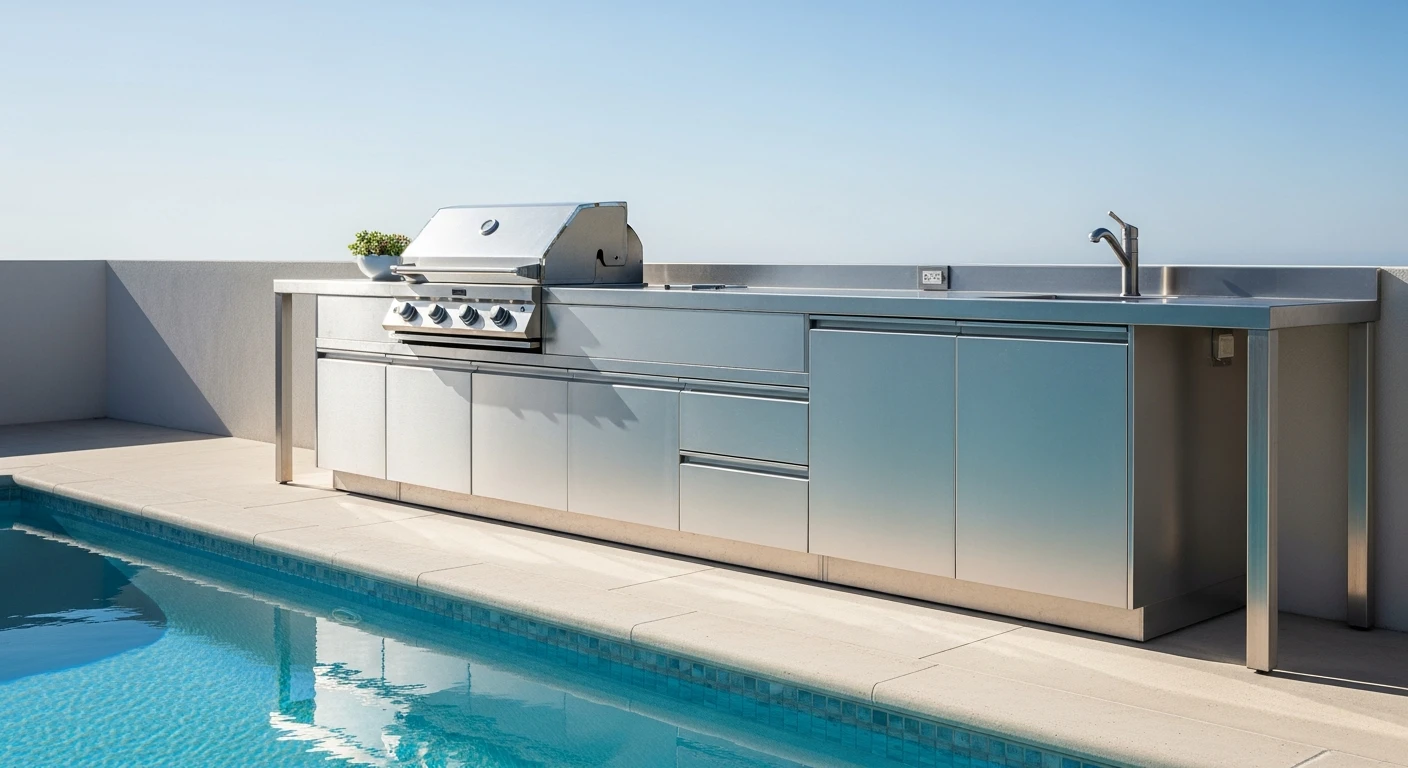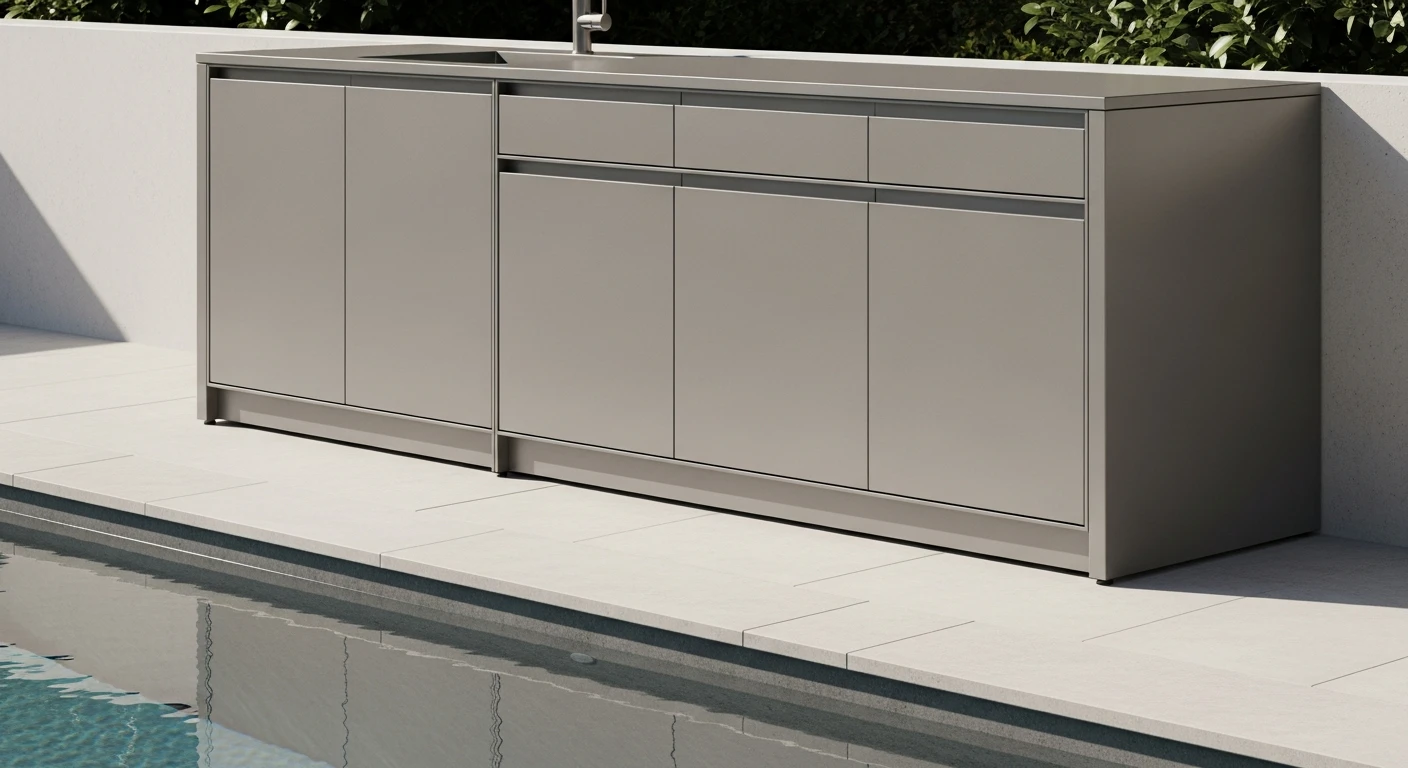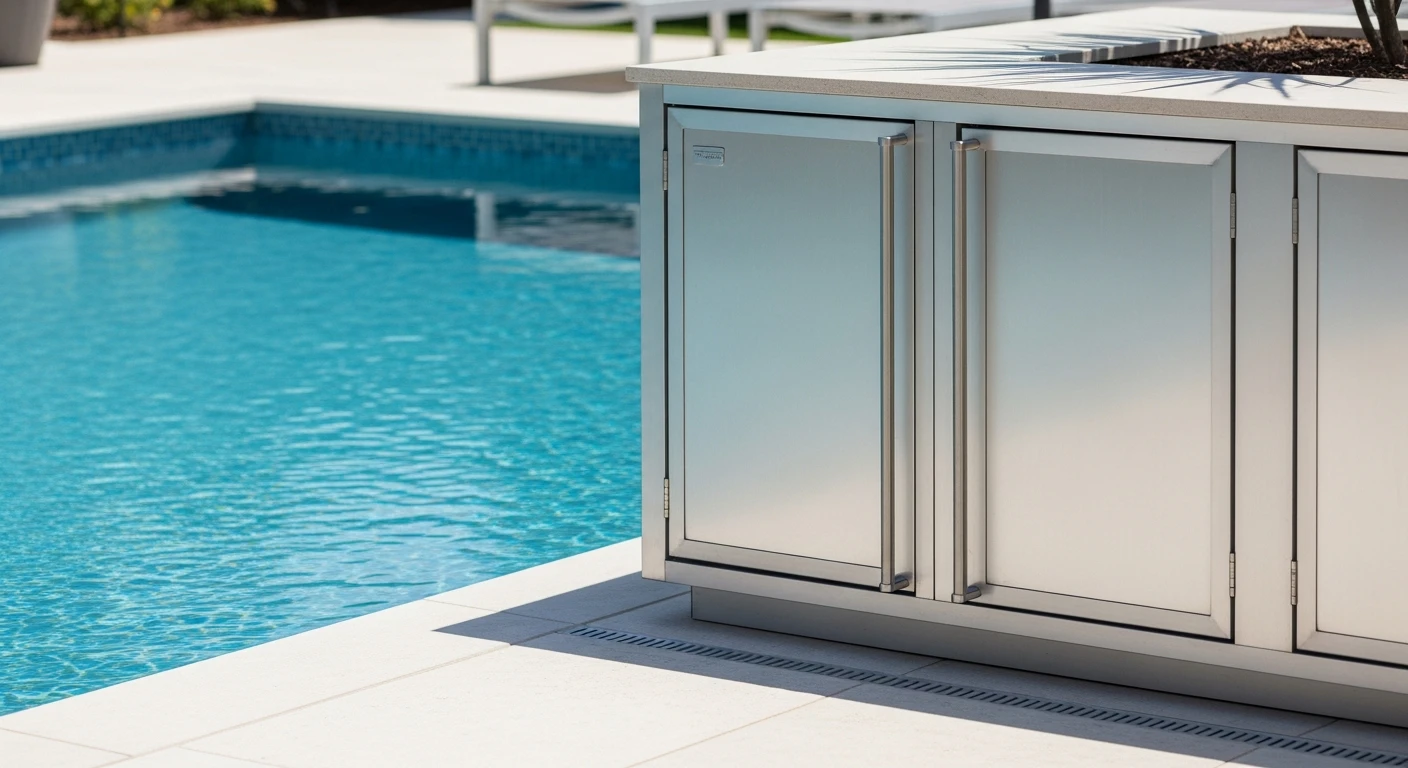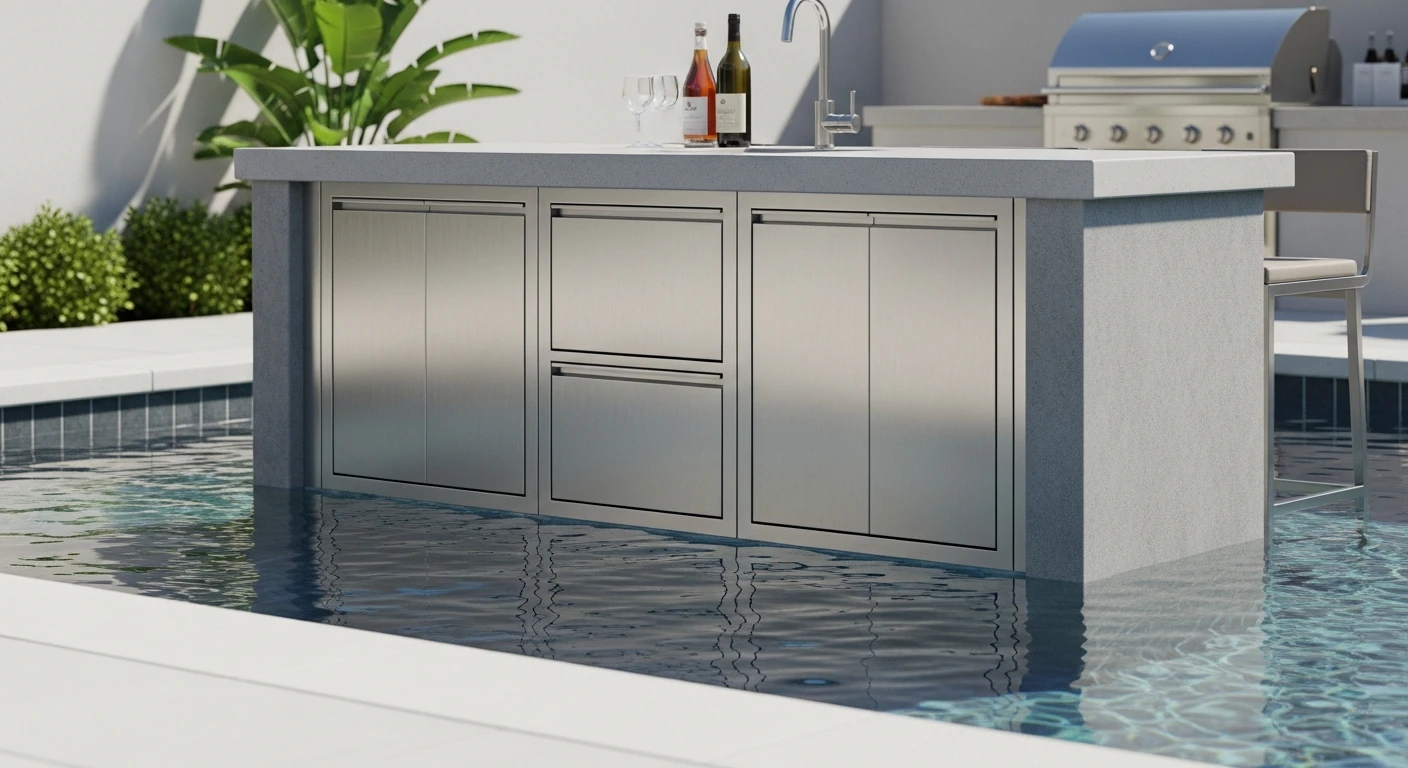
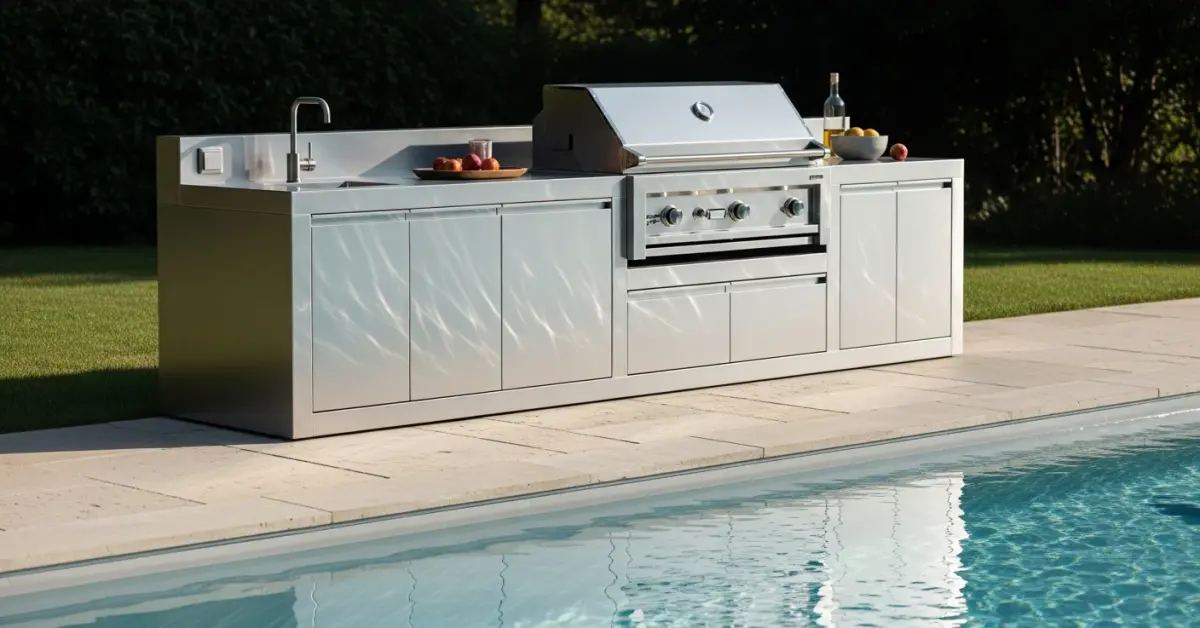
Why do so many high-end outdoor kitchens in Sarasota start looking weathered after just a few years? The answer isn't poor craftsmanship; it's a fundamental mismatch between the materials chosen and our unique coastal environment. I've seen beautiful wood cabinets warp and rot, and even 304-grade stainless steel show tea-staining and rust spots from the persistent salt spray and humidity. The conversation has to shift from aesthetics alone to long-term material performance, which is where powder-coated aluminum enters the picture as a strategic, not just stylish, solution.
Executive Summary: Why Aluminum is a Superior Choice for Sarasota
From my direct experience building outdoor living spaces from Casey Key to Longboat Key, the single biggest point of
From my direct experience building outdoor living spaces from Casey Key to Longboat Key, the single biggest point of failure is corrosion and material degradation from our climate. Aluminum, specifically marine-grade and powder-coated, directly solves this. It provides the structural integrity of metal outdoor kitchen cabinets without the rust susceptibility of steel or the maintenance demands of wood. It is the most resilient, 'set-it-and-forget-it' framing and cabinetry system for a permanent outdoor kitchen in this region.
- Corrosion Immunity: Unlike even high-grade stainless steel, powder-coated aluminum does not rust when exposed to Sarasota's salt air.
- UV Stability: The powder-coating finish is baked on, providing a durable barrier that resists fading and chalking from intense Florida sun.
- Structural Rigidity: Aluminum frames are lightweight but do not warp, swell, or contract with our extreme humidity and temperature swings.
- Pest-Proof: The material is impervious to termites and other wood-boring insects, a constant threat in our climate.
Planning Failures That Compromise Outdoor Kitchen Longevity
The most common missteps I see happen long before the first cabinet is installed. Homeowners focus on the appliances and countertops but treat the cabinet structure as an afterthought. This leads to beautiful, expensive granite sitting on a base that is quietly rotting, rusting, or warping from within. The material of the box is more critical than the door style.
The Most Expensive Mistake: Ignoring the Interior Framing
A client in The Lake Club at Lakewood Ranch had an outdoor kitchen built with a stucco base and stainless steel access doors. Within four years, the interior galvanized steel studs used for framing had corroded so badly from trapped moisture that the structure was compromised. The lesson is that what you don't see matters most. An all-aluminum system, from the cabinet boxes to the framing, creates a sealed, non-corrosive environment that protects your entire investment from the inside out.
How an Aluminum Kitchen Project Unfolds in Sarasota County
A properly executed aluminum outdoor kitchen project is a coordinated effort involving design, permitting, and installation. It’s not just about delivering cabinets; it’s about integrating a permanent structure into your property that meets all local building codes. The process is methodical and designed to prevent costly surprises down the road.
Key Selection Criteria for Sarasota Homeowners
When you're vetting installers, you have to look beyond the portfolio. The specifics of their process for our area are what count.
- Verified Marine-Grade Aluminum: Ask for supplier specifications. Not all aluminum is the same. You need 5052 or 3003 alloys for maximum corrosion resistance in a coastal setting.
- AAMA 2604/2605 Powder Coating: This is the architectural standard for powder coating that ensures a minimum level of salt spray and humidity resistance. Anything less will fail prematurely in Sarasota.
- Experience with Local Wind Load Requirements: Your outdoor kitchen structure must be anchored to withstand hurricane-force winds. The installer must know Sarasota County's specific tie-down and footing requirements.
- Integrated Utility Planning: A qualified builder plans for gas lines, electrical conduits, and plumbing within the aluminum framework from the start, avoiding clumsy, post-install modifications.
Comparing Aluminum to Other Outdoor Cabinet Materials
Choosing the right material is a balance of upfront cost, long-term maintenance, and aesthetic preference. For Sarasota, the environmental resilience factor should carry the most weight. Here is a direct comparison based on what I’ve seen perform—and fail—in local projects.
| Feature | Powder-Coated Aluminum | Marine-Grade Polymer (HDPE) | Teak or Ipe Wood |
|---|---|---|---|
| Salt Air Corrosion | Immune | Immune | Degrades; hardware rusts |
| UV & Heat Stability | Excellent; no warping | Good; can expand/contract | Requires annual sealing to prevent graying/cracking |
| Upfront Cost | High | High | Very High |
| Maintenance | Minimal; cleaning only | Minimal; cleaning only | High; annual sealing/oiling required |
When an Aluminum Kitchen is NOT the Right Choice
There are situations where aluminum isn't the best fit. If a homeowner is looking for a rustic, traditional wood-grain aesthetic, aluminum—even with wood-grain powder coating—may not meet their visual expectations. Furthermore, if the budget is extremely constrained and the homeowner is willing to accept a shorter lifespan and higher maintenance, a pressure-treated wood frame with stucco might be a lower-cost entry point, though I rarely recommend it for a permanent installation here.
A Safe Hiring Checklist for Your Sarasota Project
Hiring the right team is as crucial as selecting the right material. A beautiful product installed incorrectly will fail. I've been called in to fix issues from water intrusion to improper appliance ventilation, all of which were avoidable with proper vetting.
- Verify their Florida Certified General Contractor (CGC) or Certified Building Contractor (CBC) license is active and in good standing on the DBPR portal.
- Request proof of liability and workers' compensation insurance specific to construction projects in Florida.
- Ask for at least three recent project references located in coastal areas like Siesta Key or Lido Key, where conditions are harshest.
- Confirm they will be pulling a permit. A permanent outdoor kitchen in Sarasota County requires a permit, and any contractor suggesting otherwise is a major red flag. Typical permit fees for this type of project can range from $400 to $900.
- Review their warranty documentation. A reputable company offers a lifetime or multi-decade warranty on the structure and at least a 10-15 year warranty on the powder-coat finish.
- Ensure the contract specifies the exact grade of aluminum and the standard of the powder-coat finish (e.g., AAMA 2604).
Decisions That Determine the Final Outcome
The success of an outdoor kitchen project hinges on a few key decisions made early in the process. The most important is committing to a system-based approach rather than piecing components together. An integrated system where the cabinets, framing, and ventilation are designed to work together will always outperform a custom-built but disjointed assembly.
The Moment Most Homeowners Get It Wrong
The critical mistake happens when a homeowner falls in love with a specific grill or appliance and tries to force a design around it, rather than designing a functional layout first. Start with the layout and workflow—the 'kitchen triangle'—and then select appliances that fit the space. This ensures proper clearances, adequate landing zones next to the grill, and a comfortable, usable space. The best aluminum outdoor cabinets are modular and can be configured to almost any layout, but the layout itself must be sound.
Practical Answers for Building in Sarasota
Navigating the local requirements is part of the job. Understanding these specifics ensures a smooth project without delays from the city or your HOA. It's not just about building a kitchen; it's about building one that's legally compliant and structurally sound for our area.
What Does the Sarasota County Permitting Process Involve?
For any permanent outdoor kitchen with gas or electrical hookups, Sarasota County requires a building permit. This involves submitting engineered drawings that show the foundation, framing, anchoring details, and utility connections. The plan review process typically takes 4-6 weeks. The contractor is responsible for managing this entire process and scheduling the necessary inspections (footing, framing, final) with the county inspector.
How Do Lakewood Ranch HOA Rules Affect My Design?
Communities like Lakewood Ranch have strict Architectural Review Committees (ARCs). Before any permit is submitted to the county, the complete design, including materials, colors, and site plan, must be approved by the ARC. They often have specific requirements for setbacks from property lines and may need to approve the color of the powder-coat finish to ensure it aligns with the community's aesthetic. I always handle the HOA submission packet as the first step for clients in these communities.
Why is Wind Load Engineering So Critical Here?
Florida Building Code has stringent requirements for wind load, especially in coastal high-velocity hurricane zones (HVHZ). An outdoor kitchen is considered a structure that must be properly anchored to a concrete footing to resist uplift during a major storm. An engineer must sign off on the plans to certify that the anchoring system is sufficient for our wind zone. This is a non-negotiable safety and code requirement that protects your property.