What Defines a Sarasota-Ready Modern Outdoor Kitchen?
In my work across Sarasota, a truly modern outdoor kitchen is defined by its resilience, not just its style. It's a
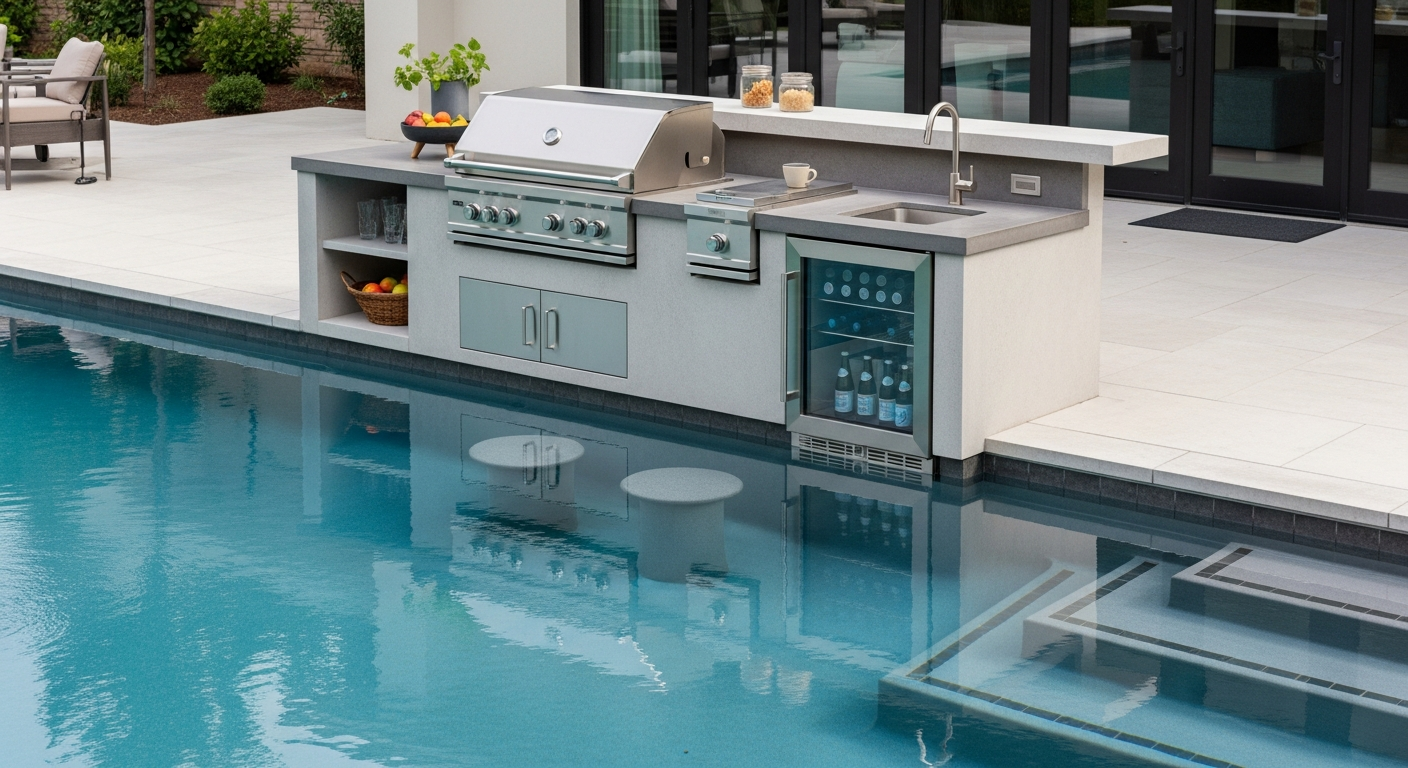
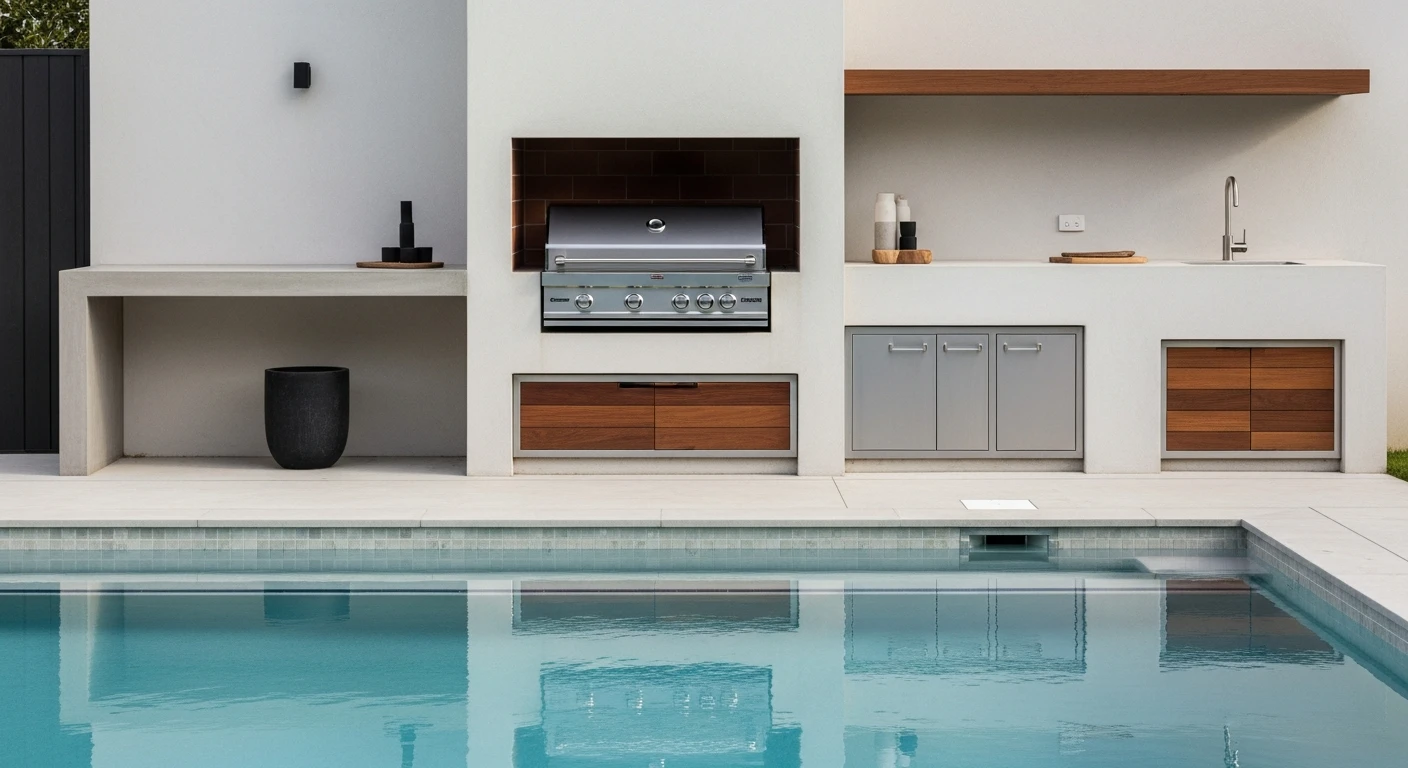
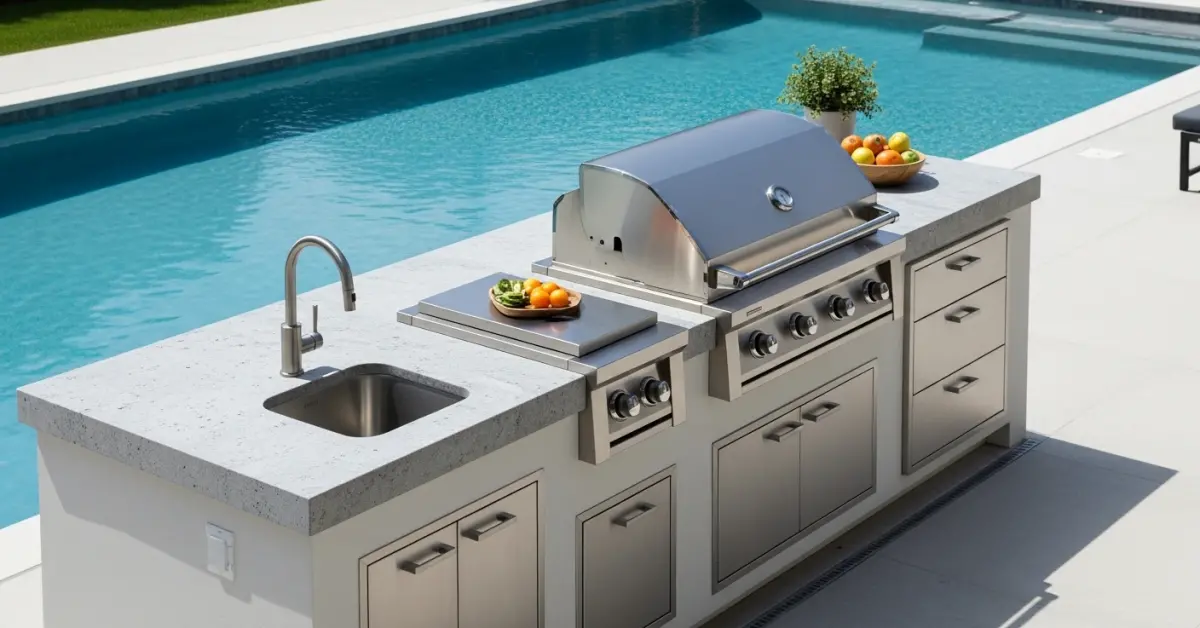
In my work across Sarasota, a truly modern outdoor kitchen is defined by its resilience, not just its style. It's a functional architectural extension of the home engineered to perform in a high-humidity, salt-laden, and hurricane-prone environment. The minimalist aesthetic is achieved through materials that inherently resist corrosion and UV degradation, which is a far more complex task here than in a dry climate. A successful project prioritizes material science and structural integrity over superficial design trends.
- Material Selection: Focus on 316L marine-grade stainless steel, non-porous sintered stone or porcelain countertops, and powder-coated aluminum or polymer cabinetry.
- Code Compliance: All structures must meet Florida Building Code requirements for wind load and electrical/gas safety, with specific attention to GFCI protection and proper ventilation for high-BTU grills.
- Appliance Longevity: Choose appliances with sealed electronics and robust warranties that explicitly cover coastal installations.
- HOA Integration: Design must align with architectural guidelines, especially in communities like Lakewood Ranch, often dictating setbacks, materials, and even color palettes.
The Planning Failures That Compromise Luxury Projects
The most common misstep I see is underestimating the corrosive power of our coastal air. A client invests in a top-tier modern outdoor BBQ setup, but pairs it with standard 304-grade stainless steel components or cabinetry hardware. Within two seasons, especially in homes west of the Trail or on the Keys, pitting and rust stains appear, ruining the clean, modern look. The cost to replace these elements far exceeds the initial savings.
The Most Expensive Mistake: Improper Material and Fastener Specification
I was called to consult on a project in a beautiful home on Siesta Key less than three years after its completion. The homeowner had a stunning modern outdoor kitchen island, but the cabinet hinges were bleeding rust, the drawer pulls were pitted, and the outdoor refrigerator's door seal was failing due to corrosion on the frame. The core problem wasn't the appliances; it was the fasteners and hardware. The original contractor used standard stainless steel screws and hinges. In our salt-heavy air, galvanic corrosion had set in, compromising not just the aesthetics but the structural integrity of the cabinetry. The repair required a complete disassembly, replacement of all hardware with 316L marine-grade equivalents, and refinishing of damaged panels—a preventable expense that added nearly 30% to the initial project cost.
The Construction Process in Practice for Sarasota
Building a modern outdoor kitchen here is a multi-stage process heavily governed by local regulations. It begins with a site plan and design submission to both the homeowner's HOA Architectural Review Board (ARB) and the Sarasota County permitting office. Once plans are approved, which can take anywhere from 4 to 8 weeks, site preparation, utility trenching (gas, water, electric), and footing installation can begin. The structure itself, whether a pre-fabricated modular system or custom-built frame, must then pass framing and utility inspections before any cladding or countertops are installed. The final inspection signs off on all life-safety elements, including proper ventilation and electrical grounding.
Key Selection Criteria for Sarasota Homeowners
- Contractor Licensing and Insurance: Verify the contractor holds a valid Florida Certified General, Building, or Residential Contractor license—not just a local business license. Ensure they carry liability and worker's compensation insurance specific to construction.
- Coastal Project Portfolio: Ask to see examples of their work that are at least five years old and located on or near the water. This is the only true test of their material and construction choices.
- In-House vs. Subcontracted Labor: Understand who is performing the critical work. A firm that manages licensed electricians and plumbers directly often has better quality control than one that heavily subcontracts all trades.
- HOA Submission Experience: A contractor familiar with the detailed submission requirements of communities like The Founders Club or The Lake Club can prevent weeks of delays caused by incomplete or non-compliant applications.
Comparing Outdoor Kitchen Structures for Our Climate
The choice of a core structure is fundamental to longevity in Florida. While traditional masonry has its place, modern designs often lean toward more engineered solutions. The decision impacts not only the final look but also the installation timeline and long-term durability against moisture and ground movement.
| System Type | Corrosion Resistance | Installation Time | Design Flexibility |
|---|---|---|---|
| Welded Aluminum Frame | Excellent (with proper coating) | Moderate | High |
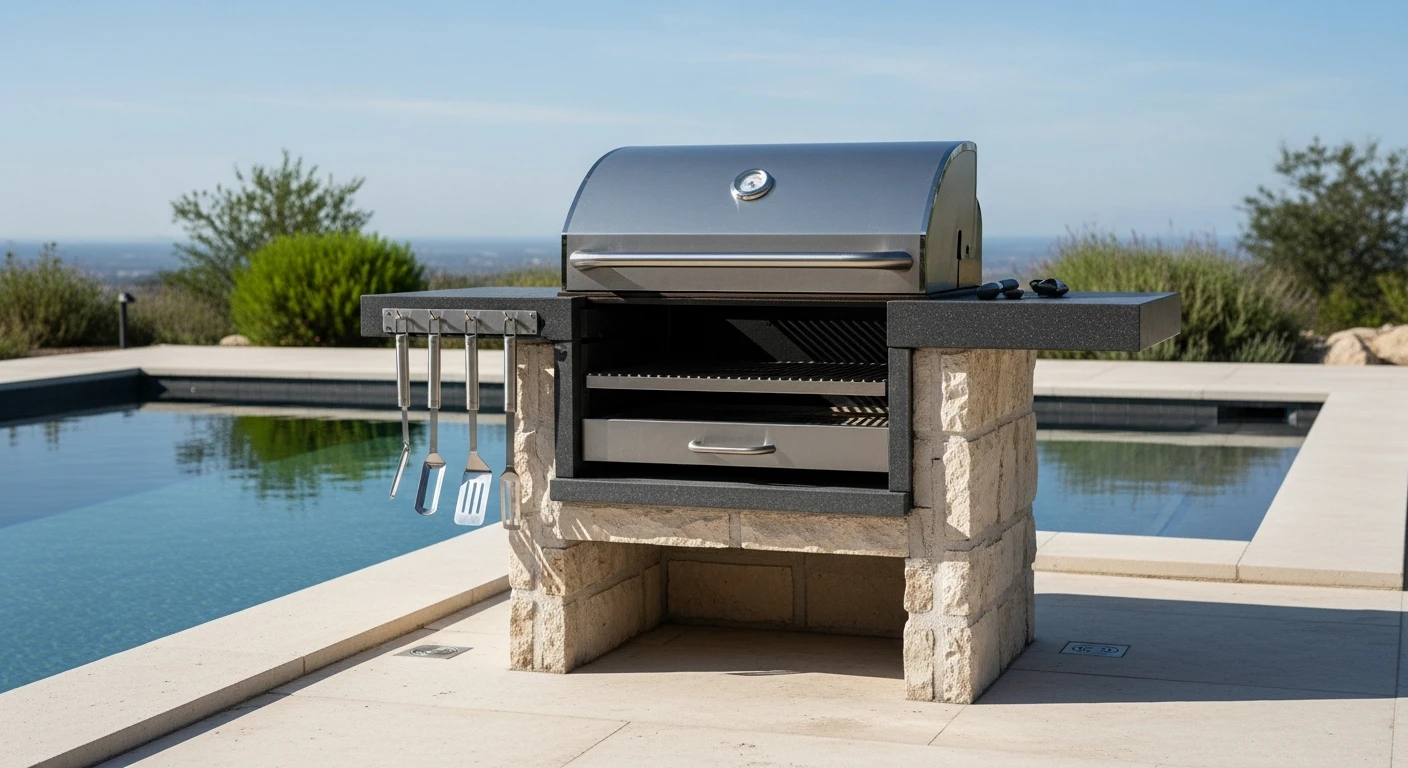
| Concrete Masonry Unit (CMU) Block | Excellent | Slow | Moderate |
| Galvanized Steel Stud Frame | Poor to Fair | Fast | High |
When a Full Outdoor Kitchen is Not the Right Choice
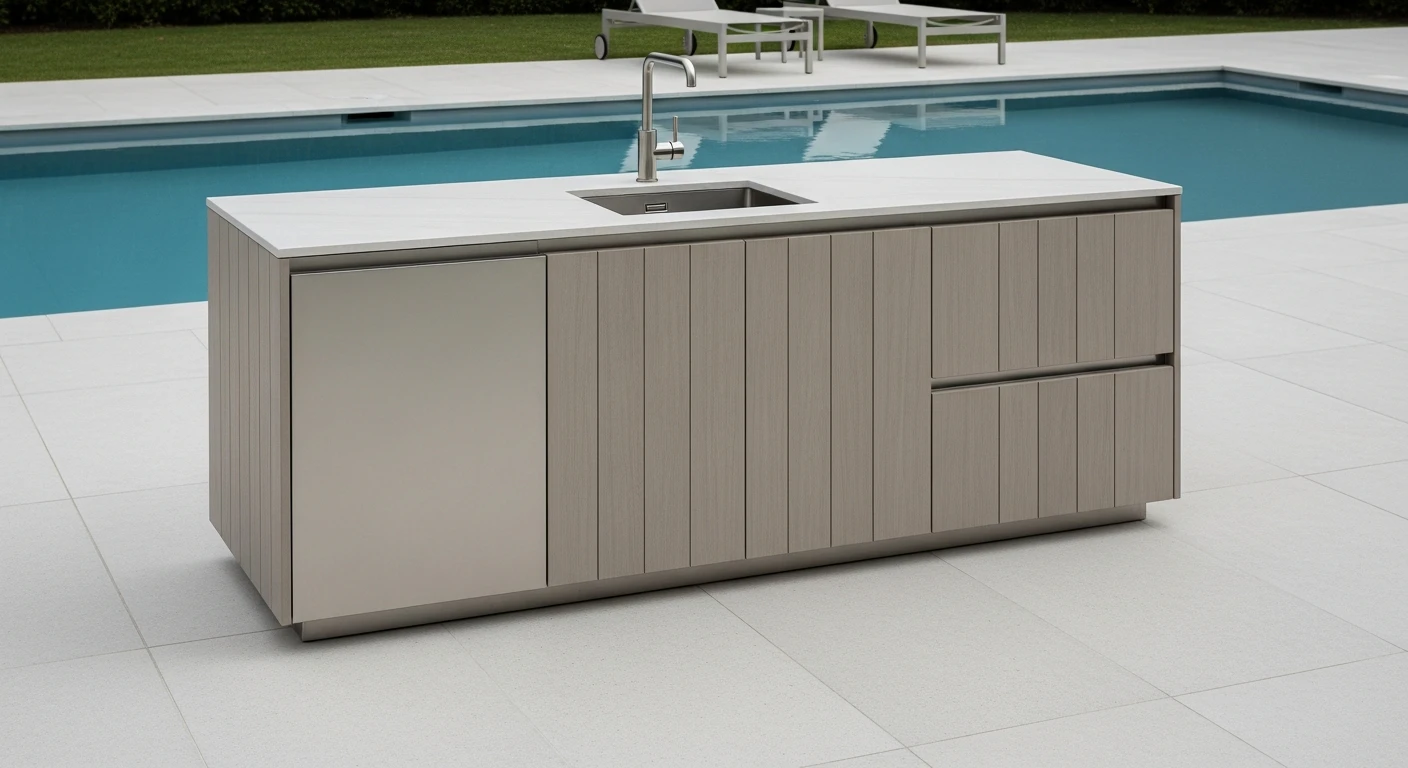
A fully integrated, permanent modern outdoor kitchen is not always the best solution. If a homeowner anticipates selling the property within 3-5 years, the return on investment may not be realized. Furthermore, for properties with very limited patio space or those in flood zones with strict impervious surface limits, a high-end, portable modern outdoor kitchen island or a premium grill cart offers greater flexibility and avoids the complexities and costs of permitting and permanent construction. It provides the luxury modern outdoor kitchen experience without the structural commitment.
Safe Hiring Checklist for Your Sarasota Project
Vetting a contractor in Florida's dynamic market requires more than just checking online reviews. The financial and safety stakes are too high. I've seen homeowners left with unfinished projects and liens on their property because they skipped these fundamental verification steps.
- Verify the contractor's license is active and in good standing on the Florida Department of Business and Professional Regulation (DBPR) portal.
- Confirm the company's Certificate of Insurance lists your property address as an additional insured before any work begins.
- Request a detailed, itemized contract that specifies all materials by brand and grade (e.g., “316L Stainless Steel Fasteners,” not just “stainless steel”).
- Ensure the contract includes a clear payment schedule tied to project milestones and successful inspections, not arbitrary dates. A typical structure is 10% down, with subsequent payments after foundation, framing, and final inspections.
- Check with the Sarasota County permitting office to see if the contractor has a history of open or failed permits, which can be a red flag for poor project management.
- Demand a clear plan for managing HOA approvals, as delays here can halt the entire project.
Decisions That Determine the Final Outcome
The success of a luxury modern outdoor kitchen hinges on decisions made long before the first shovel breaks ground. The most critical factor I've observed is the homeowner's willingness to prioritize long-term performance over short-term savings or trendy, but unsuitable, materials. It's about thinking like a boat builder, not just a home builder.
The Moment Most Homeowners Get It Wrong
The critical error often happens during the appliance and material selection phase. Homeowners get captivated by a high-BTU modern outdoor barbecue from a famous brand, but then look to cut costs on the “unseen” elements: the cabinet boxes, the countertop substructure, the ventilation liner, and the fasteners. The guidance I give every client is to allocate the budget in reverse: first, on the most resilient, weatherproof structure and materials possible, and then, with the remaining budget, select the best appliances that fit. An elite grill installed in a failing structure is a poor investment. A mid-range, reliable grill in an indestructible, marine-grade structure will provide a better experience and hold its value for decades in Sarasota.
Practical Answers About Operating in Sarasota
Navigating the local bureaucracy and environmental realities is a non-negotiable part of any successful outdoor construction project in this area. These are the practical hurdles where professional experience makes a tangible difference.
How are permits handled for an outdoor kitchen?
In Sarasota County, a permanent outdoor kitchen is considered an accessory structure and requires a building permit. The application must include engineered drawings showing foundation details, structural framing, and utility connections (gas, electrical, plumbing). The plans must demonstrate compliance with the Florida Building Code, particularly wind-load requirements, which are typically 160 mph or higher for our coastal zone. The permit fee itself is usually a few hundred dollars, but the cost for generating the required architectural and engineering plans can range from $1,500 to $4,000.
What are common HOA restrictions in local communities?
HOAs in communities like Palmer Ranch or Lakewood Ranch have stringent architectural controls. Common restrictions for a modern luxury outdoor kitchen include specific setbacks from property lines, approved color palettes for stucco or cladding, limitations on structure height, and requirements for landscape screening. Some even mandate specific brands or materials to maintain community aesthetic uniformity. Submitting a detailed plan to the Architectural Review Board before applying for a county permit is a mandatory first step.
How does the coastal environment affect maintenance?
Even with marine-grade materials, regular maintenance is essential. I advise clients to budget for a quarterly professional cleaning and inspection. This involves cleaning all surfaces to remove salt deposits, checking gas connections for corrosion, testing GFCI outlets, and clearing ventilation ducts of debris like leaves or nesting material. For high-end grills and appliances, an annual service by a certified technician is crucial to maintaining the warranty and ensuring safe operation. This proactive approach prevents the small issues caused by our climate from becoming major, costly failures.