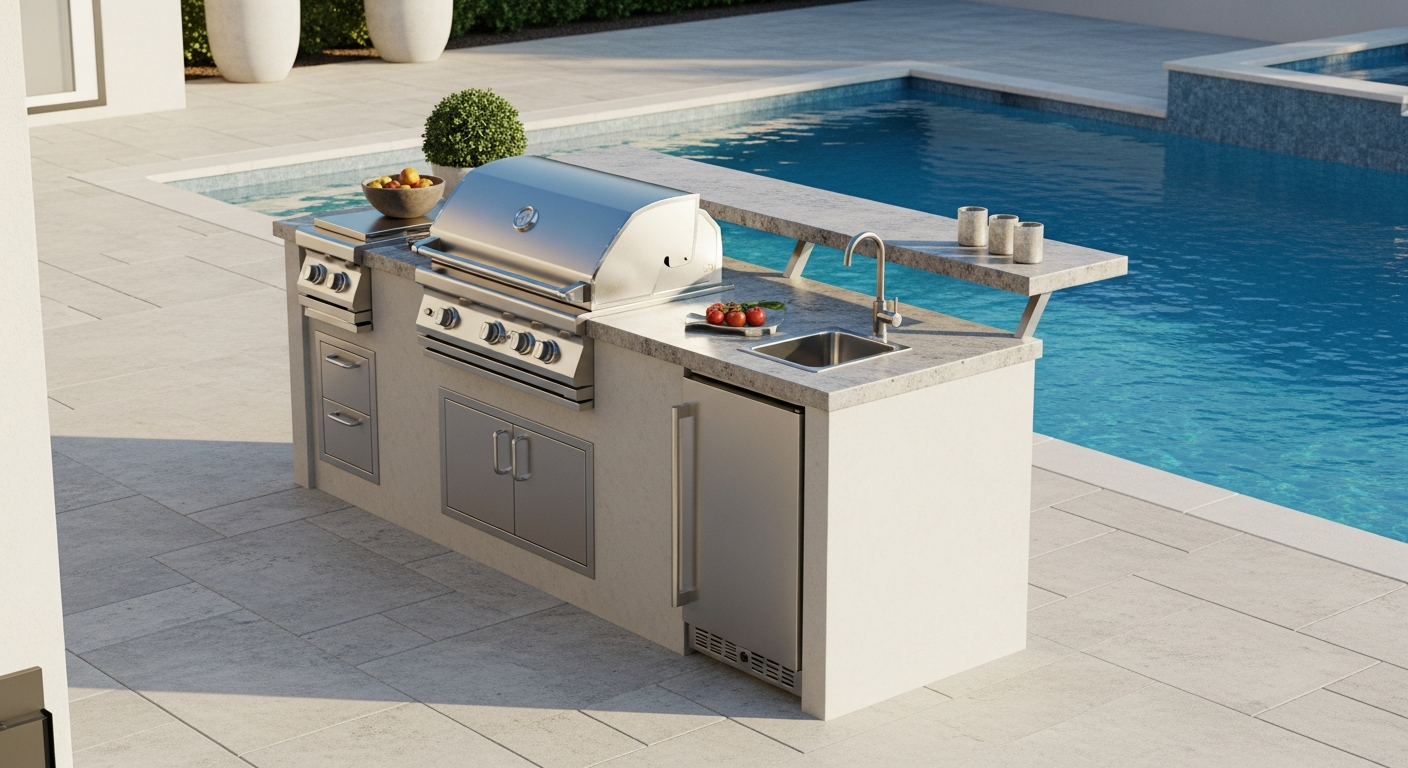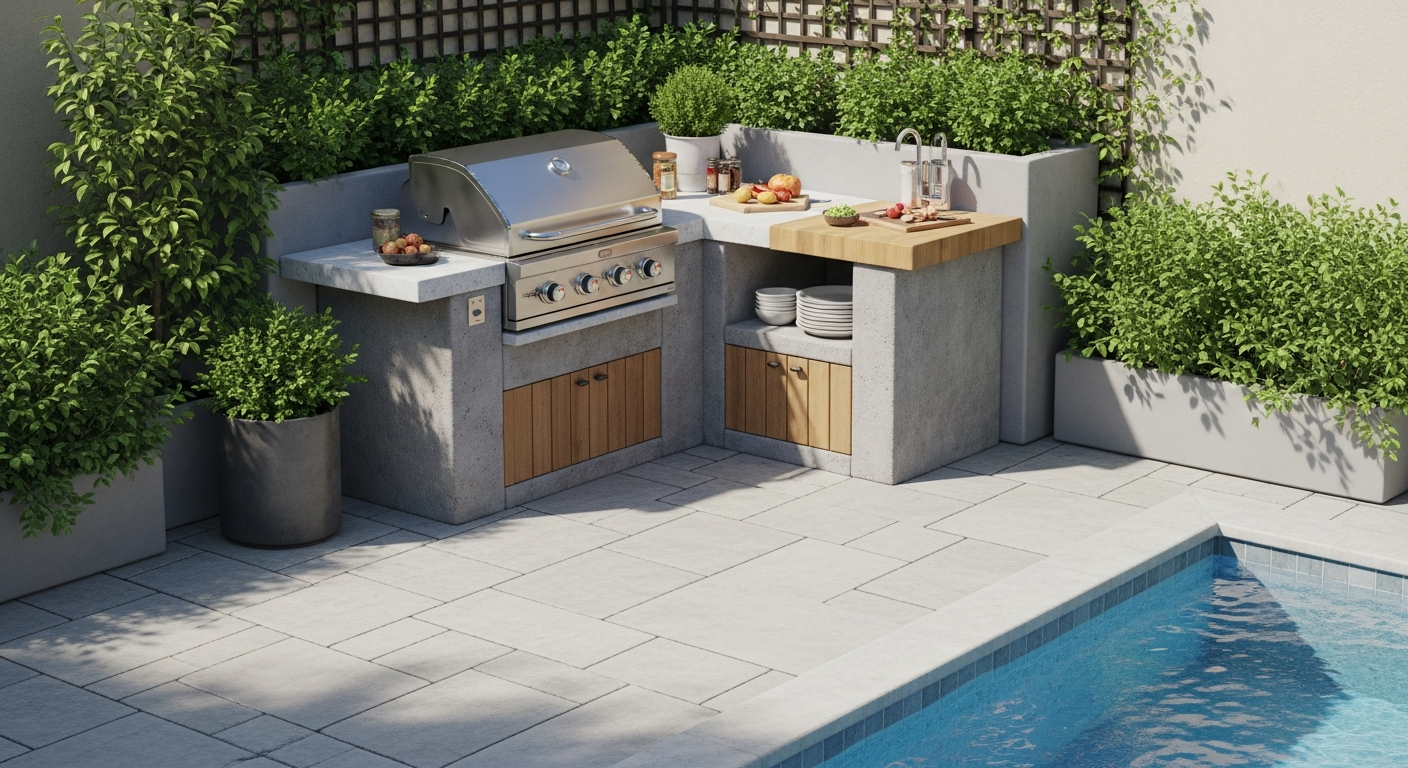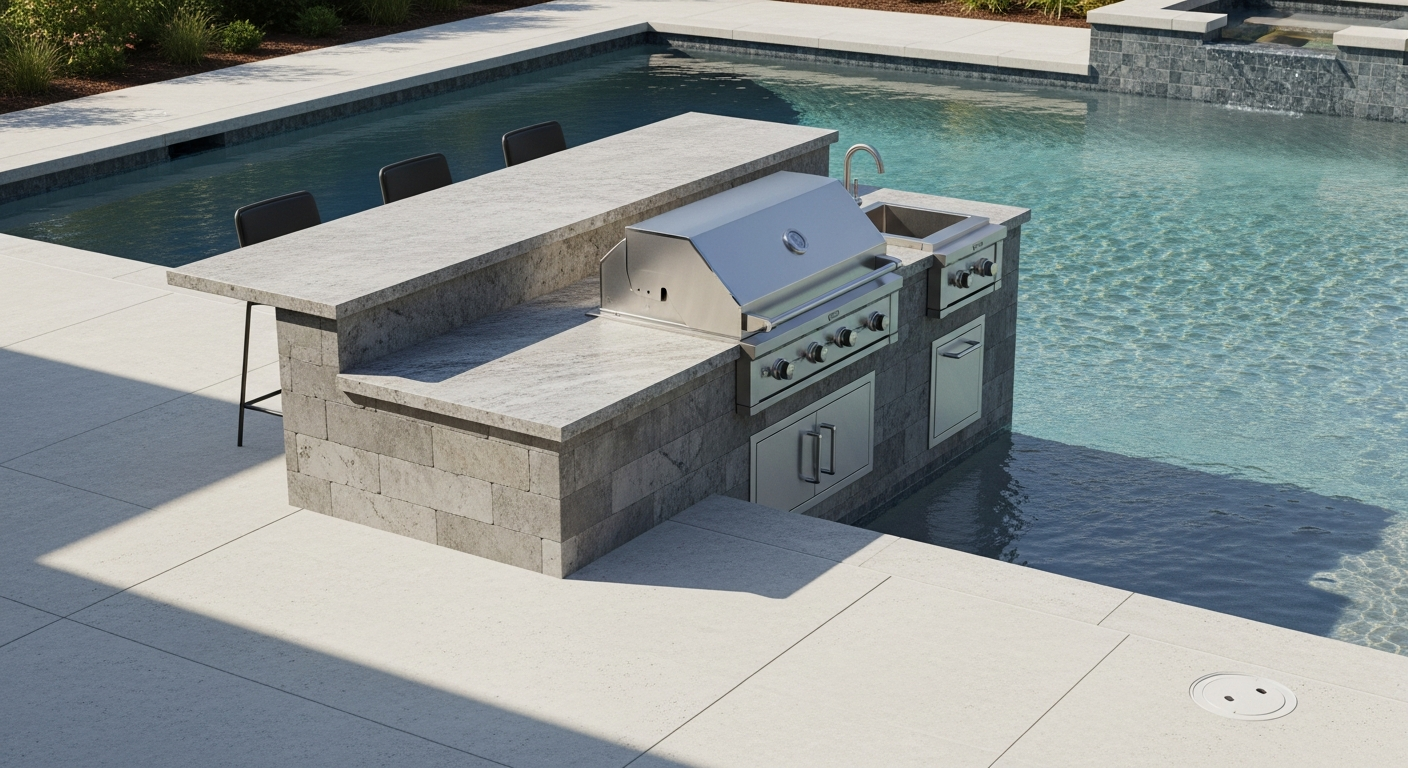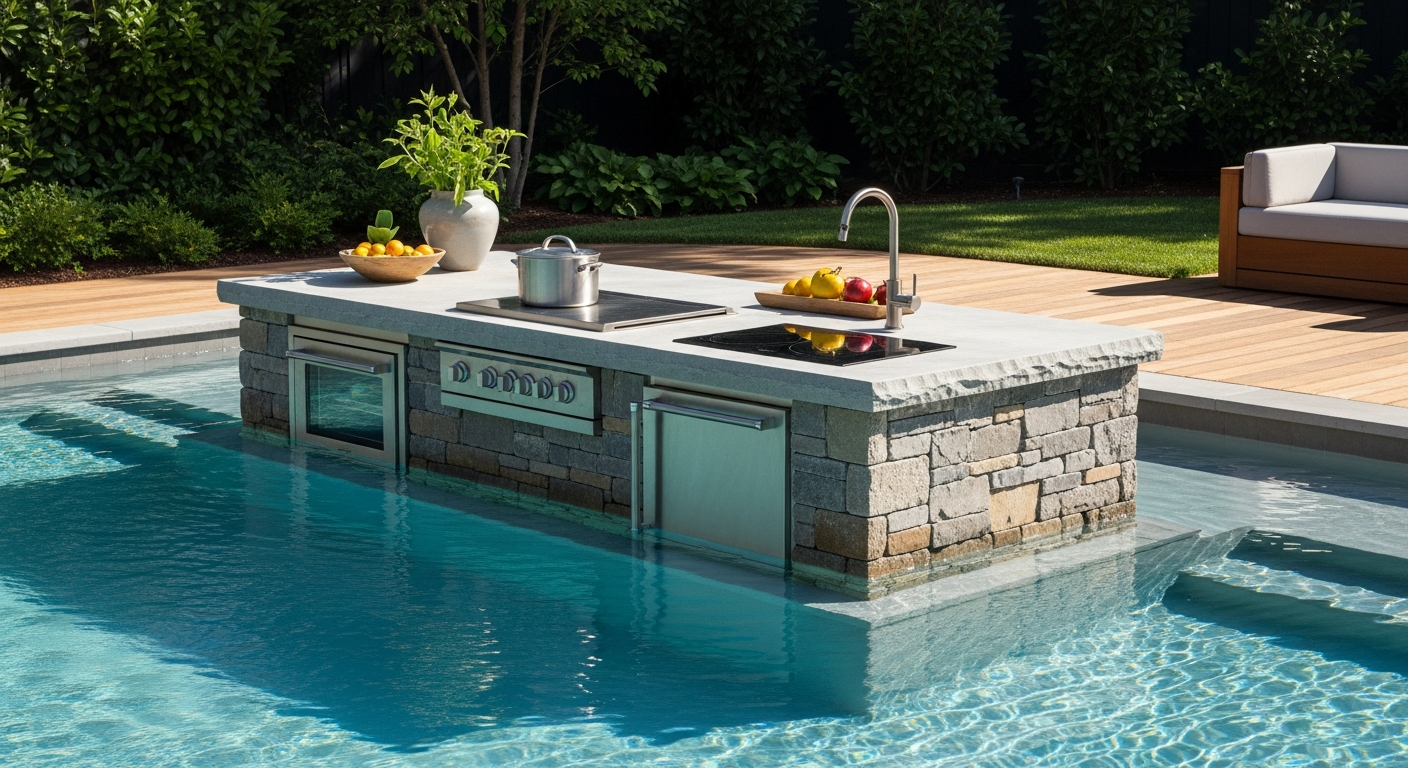
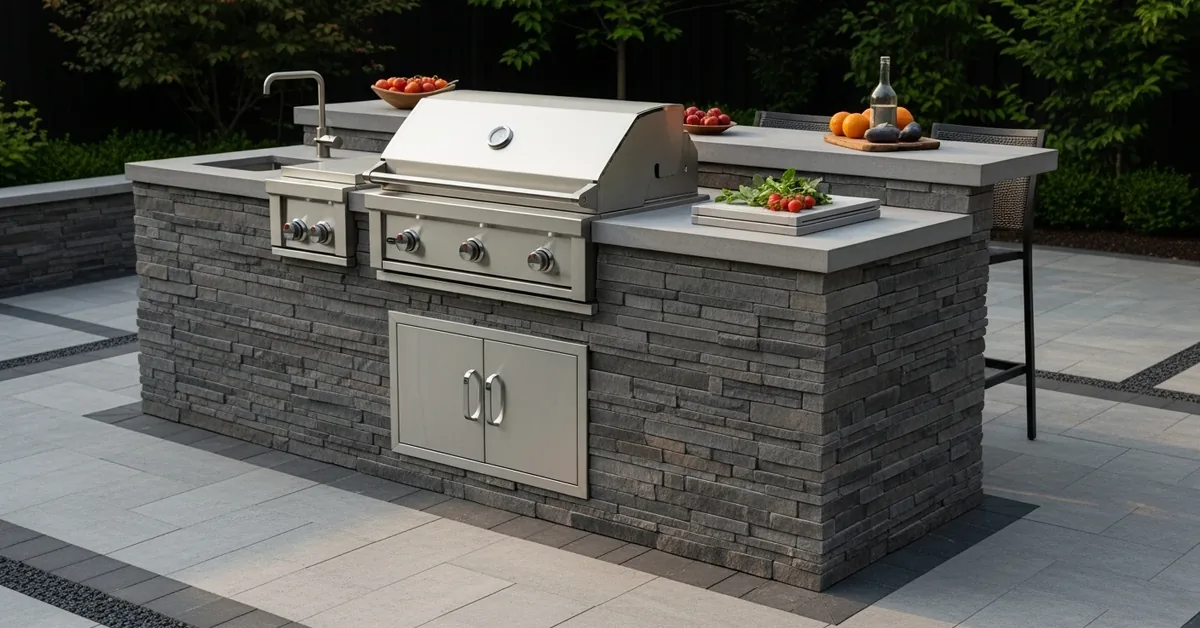
Many Sarasota homeowners see the grill island as a simple weekend project or a straightforward add-on. They focus on the brand of the BBQ grill or the look of the countertop. What they miss is that a grill island here is less about appliance selection and more about marine-grade construction. The relentless sun, salt-laced humidity, and torrential downpours will systematically dismantle any island not built to coastal specifications. The real cost isn't in the initial build; it's in replacing rusted frames and cracked veneers a few years down the line.
From my direct experience building these structures across Sarasota County, a successful grill island project hinges on
From my direct experience building these structures across Sarasota County, a successful grill island project hinges on resisting the appeal of cheaper, non-coastal-rated materials. The conversation must start with the frame's material and the countertop's porosity, not the grill's BTU output. A beautiful but improperly ventilated island can also be a significant fire hazard, a detail Sarasota building inspectors are trained to spot immediately. This isn't just about aesthetics; it's about longevity and safety.
- Frame Material: The choice is between welded aluminum tubing and galvanized steel studs. Steel will rust from the inside out in our humidity; aluminum is the only viable long-term solution.
- Ventilation Requirements: Florida Building Code requires at least two vents for any enclosed gas appliance, creating cross-ventilation to prevent propane or natural gas buildup. A typical island needs a minimum of 20 square inches of ventilation.
- Countertop Selection: Granite is a popular choice, but it must be sealed annually. Non-porous materials like Dekton or specific quartz rated for outdoor UV exposure are superior, albeit at a higher initial cost.
- Appliance Grade: All integrated components, from the outdoor grill with fridge to the access doors, must be at least 304-grade stainless steel. In coastal areas like Casey Key, 316-grade (marine grade) is a necessity to prevent pitting and rust.
Planning Failures That Derail Sarasota Grill Island Projects
The most common failures I see are born from treating an outdoor kitchen build like an indoor one. The rules of materials and construction are completely different. Homeowners often bring an interior designer's sensibility to a project that requires a marine contractor's mindset, leading to costly and predictable problems.
The Most Expensive Failure: Ignoring the Framing Material
The single most destructive mistake is using wood or galvanized steel for the island's frame. A client in an east-of-I-75 community, believing they were far enough from the Gulf to be safe, opted for a galvanized steel frame to save about 15% on the initial build. Within four years, the stone veneer began to show rust stains bleeding through the grout. Upon inspection, we found the steel studs had corroded from internal condensation, compromising the island's structural integrity. The entire structure, including the granite countertop and appliances, had to be dismantled and rebuilt with an aluminum frame, erasing all initial savings and then some.
The Construction Process in Practice
Building a grill island in Sarasota County is a multi-step process that involves more than just assembly. It requires navigating building codes, potential permits, and often, strict HOA guidelines. The process ensures the structure is safe, durable, and compliant with local standards, which are particularly rigorous due to our hurricane-prone location.
Selection Criteria for Sarasota Homeowners
When evaluating a contractor for your bbq grill kitchen, your checklist needs to be specific to our local conditions.
- Verifiable Aluminum Frame Experience: Ask for photos of projects specifically showing their aluminum framing techniques. Do not accept a contractor who primarily uses steel.
- HOA Application History: Inquire about their experience submitting plans to architectural review boards in communities like Palmer Ranch or University Park. A contractor familiar with the process can prevent months of delays.
- Knowledge of Wind Load Requirements: While a small island may not require a permit, a larger structure with a pergola or roof will. The contractor must understand how to anchor the structure to meet Sarasota County's wind load codes (up to 160 mph exposure).
- Gas Line Certification: Ensure the professional running the gas line (propane or natural gas) is licensed and certified in Florida. A general handyman is not qualified for this critical step.
Comparison of Common Island Countertop Materials
The countertop is the most visible and heavily used part of your outdoor kitchen bbq grill. The choice of material is a long-term decision that impacts maintenance, durability, and appearance. In Sarasota, UV stability and resistance to thermal shock are non-negotiable.
| Material | UV & Heat Resistance | Stain & Corrosion Resistance | Typical Cost (Installed) |
|---|---|---|---|
| Granite | Excellent (dark colors get very hot) | Good (requires annual sealing) | $70 - $130 / sq. ft. |
| Outdoor-Rated Quartz | Good to Excellent (depends on brand) | Excellent (non-porous) | $90 - $160 / sq. ft. |
| Dekton (Sintered Stone) | Superior (unaffected by UV/heat) | Superior (non-porous, highly resistant) | $100 - $180 / sq. ft. |
When a Pre-Fabricated Island is a Better Choice
A full custom-built island is not always the best solution. If your space is limited, you are on a strict budget, or your HOA has very restrictive covenants on permanent structures, a high-quality pre-fabricated or modular outdoor kitchen grill unit can be a smarter choice. These units, often made from marine-grade polymers or powder-coated aluminum, offer excellent durability without the complexities and costs of a custom masonry build. They provide a modern outdoor grill aesthetic with less site disruption.
Safe Hiring Checklist for Your Project
Vetting a contractor in Florida's busy construction market is crucial. A low price often hides a lack of proper licensing, insurance, or knowledge of local codes, exposing you to significant financial and legal risk.
- Verify Florida CILB License: Check the contractor's license status on the Florida Department of Business and Professional Regulation (DBPR) website. They should hold a relevant license, such as a Certified Building Contractor (CBC) or a specialty license.
- Request Certificate of Insurance: Ask for proof of both General Liability and Worker's Compensation insurance. Without it, you could be liable for any accidents that occur on your property.
- Review a Sarasota-Specific Portfolio: Look for examples of their work in our climate. A portfolio of projects from a different state is not relevant to the challenges of building here.
- Insist on Proper Ventilation in the Design: The plan must clearly show the location and size of vents. If the contractor dismisses their importance, it's a major red flag regarding their understanding of gas safety codes.
- Clarify HOA Submission Process: Confirm in the contract who is responsible for preparing and submitting the application package to your HOA's architectural review board.
- Discuss Material Sourcing: Ask where they source their stainless steel components and aluminum framing. Reputable builders have established relationships with suppliers of marine-grade materials.
Decisions That Determine the Final Outcome
The success of your grill island is locked in long before the first block is laid. It comes down to a few critical decisions during the planning phase. I've seen homeowners with modest budgets achieve fantastic, long-lasting results by prioritizing the right things, while others with large budgets end up with failing structures because they focused on the wrong details.
The Moment Most Homeowners Get It Wrong
The critical error happens when the budget is allocated. Most people allocate the majority of the budget to the brand-name grill and appliances, then try to save money on the "box" that holds them. This is completely backward. The correct approach is to budget for the best possible structure first—an aluminum frame and a durable, non-porous countertop—and then select the appliances that fit the remaining budget. A mid-range grill in a bulletproof island will provide years of enjoyment; a premium grill in a deteriorating island is a source of constant frustration and expense.
Practical Answers About Building in Sarasota
Navigating the local requirements is key to a smooth project. The rules in Sarasota County are designed to ensure safety and structural integrity in a coastal environment, and understanding them upfront prevents delays and costly rework.
Do I Need a Permit for a Grill Island?
In most cases, a simple, standalone grill island without plumbing (other than a drop-in sink with a garden hose drain) or a permanent roof structure does not require a permit in Sarasota County. However, the moment you add a permanent gas line connection, significant electrical work (beyond a simple GFCI outlet), or a fixed overhead structure, a permit is almost always required. The permit application fee for minor work can range from $100 to $300, but the total cost rises with inspections.
How Do Sarasota HOAs Regulate Outdoor Kitchens?
Homeowner Associations in Sarasota, especially in planned communities, have extensive regulations. Their architectural review boards will typically scrutinize the island's location (setbacks from property lines), materials (veneer must match the home's exterior), and height. They may also have rules about the visibility of the island from the street or neighboring properties. Submitting a detailed plan with material samples is a standard and non-negotiable first step.
What Are the Gas Line Requirements?
Any work on a natural gas line or a permanent liquid propane line must be performed by a licensed professional and is subject to inspection. The code dictates everything from the type of pipe used (and how it's protected underground) to the installation of emergency shut-off valves. Using an unlicensed individual for gas work not only voids most homeowner's insurance policies but is also incredibly dangerous. This is the one area where there is absolutely no room for cutting corners.