Executive Summary: The Critical Path for a Functional Sarasota Outdoor Kitchen Sink
In my 15 years designing and building outdoor kitchens in Florida, I've seen that the success of an island with a sink
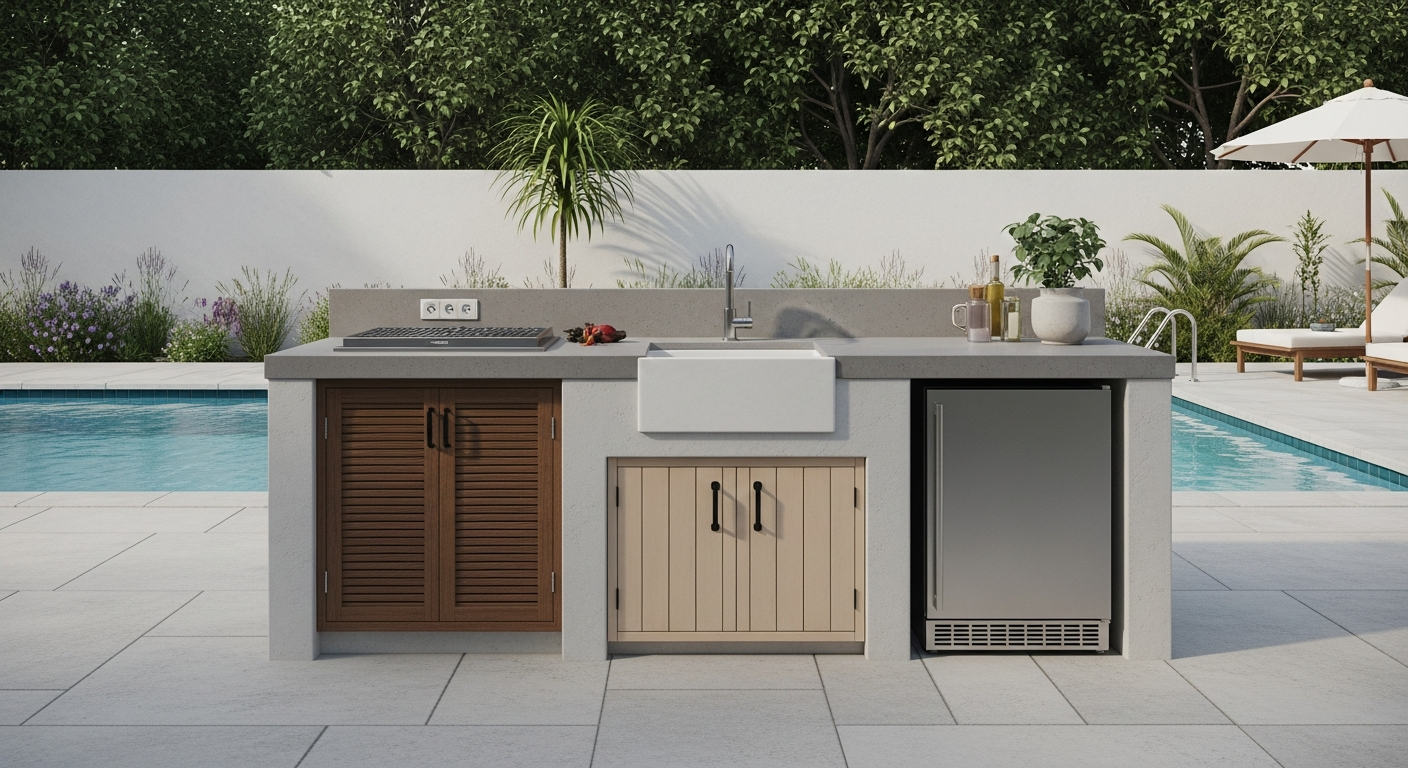
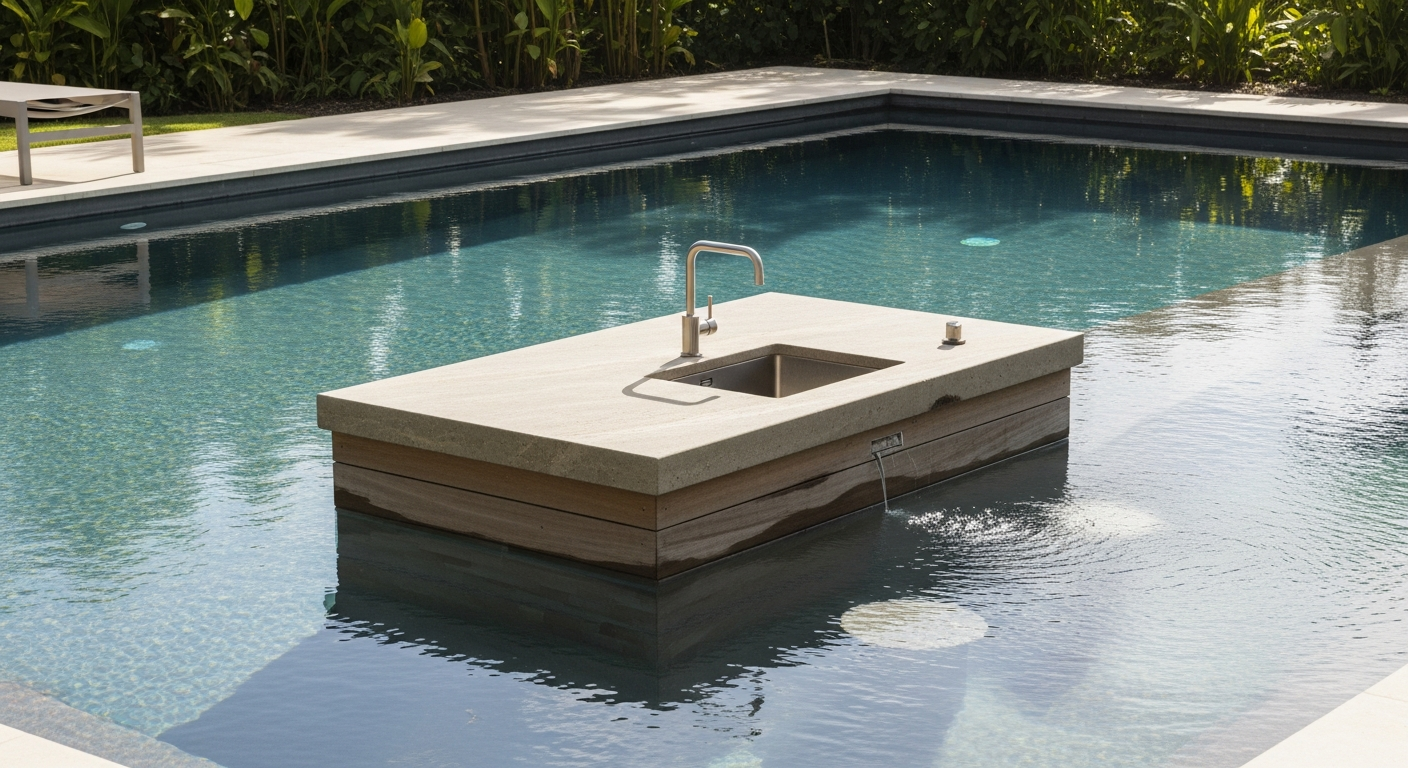
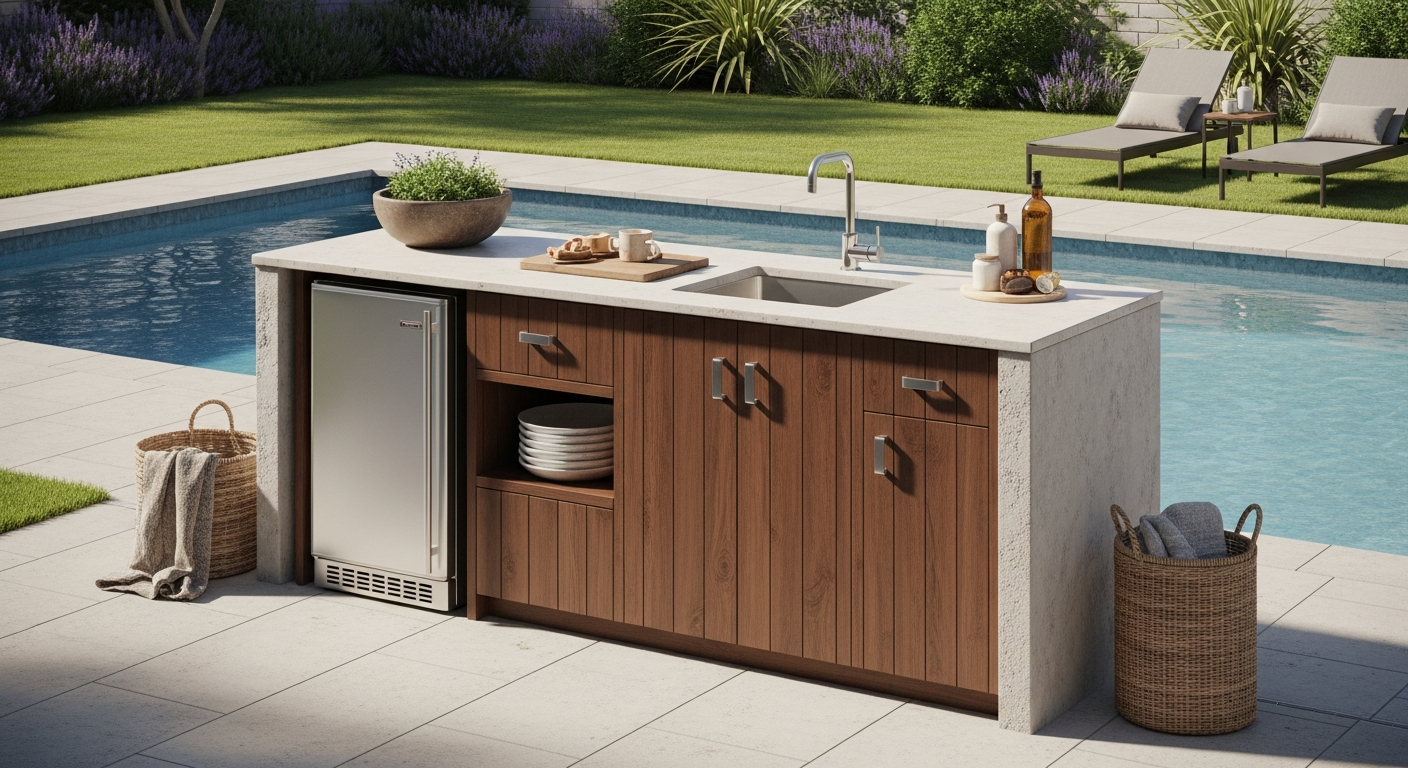
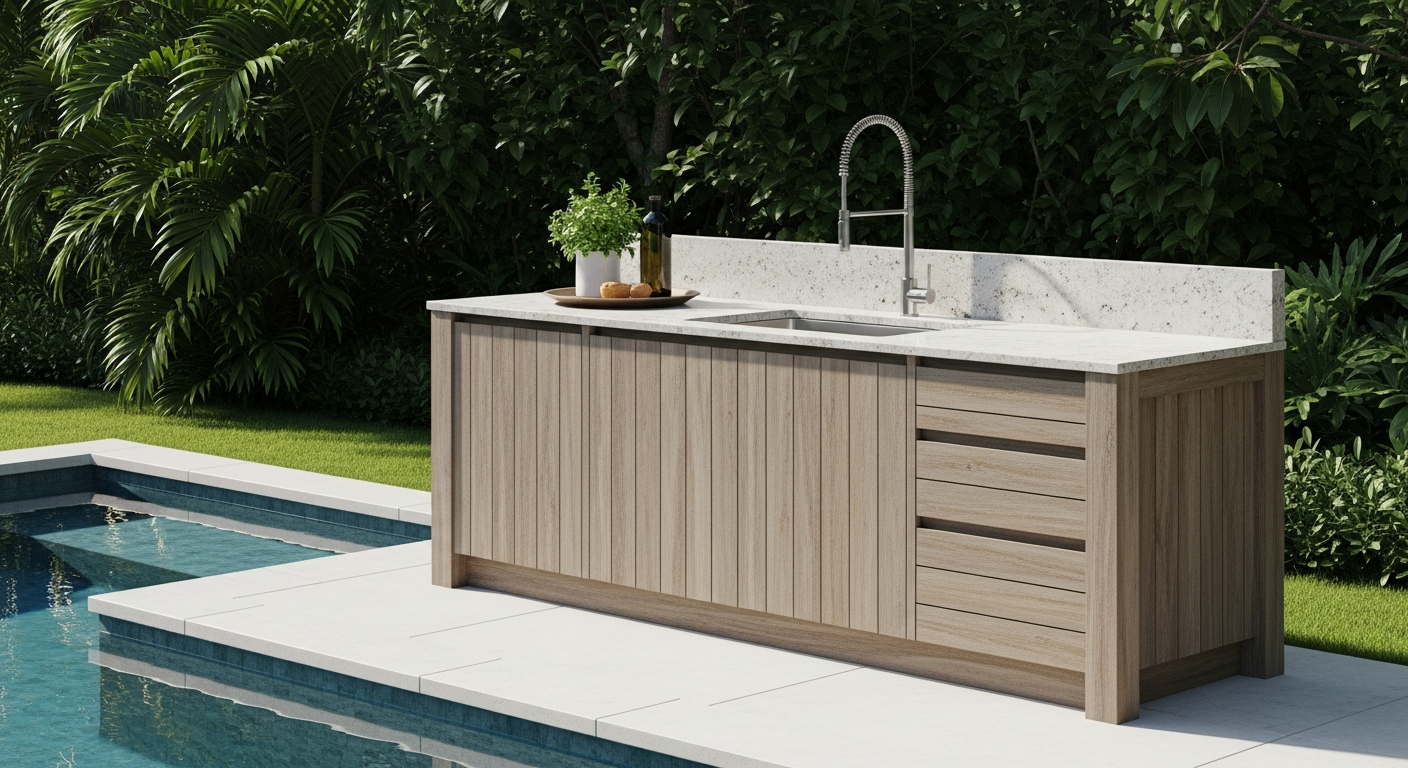
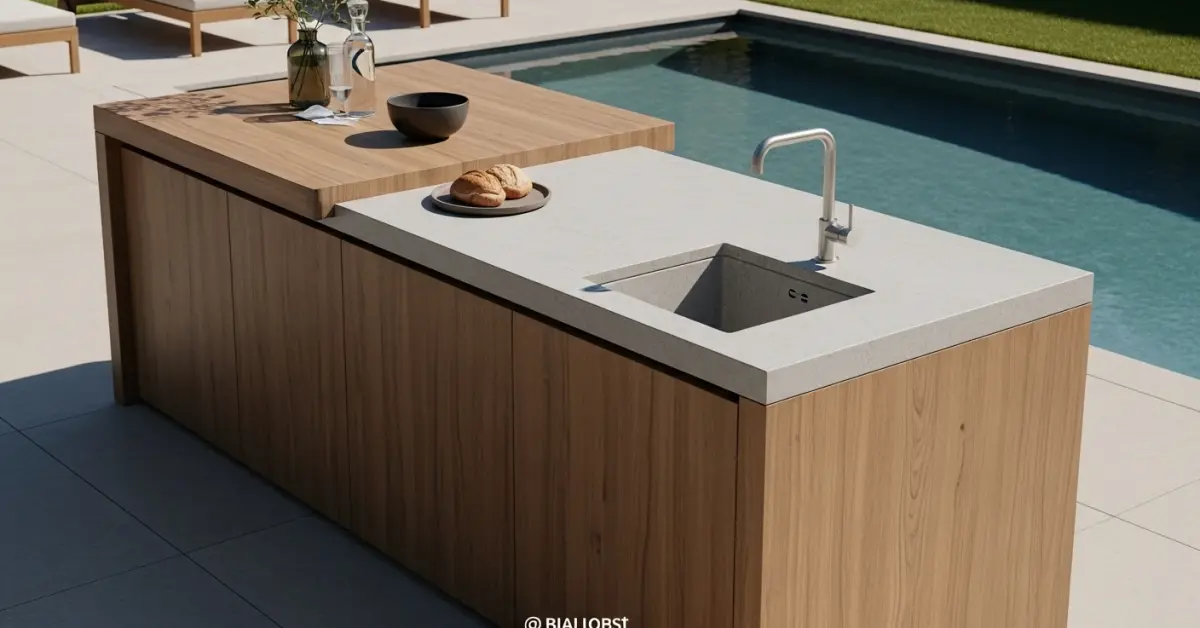
In my 15 years designing and building outdoor kitchens in Florida, I've seen that the success of an island with a sink in Sarasota hinges on three factors: material science, water management, and regulatory foresight. Homeowners often focus on the grill and countertops, but the sink and its associated plumbing are the elements most vulnerable to our coastal climate. The combination of salt air, intense UV radiation, and torrential rain requires a specific approach that goes far beyond aesthetics. The goal is to build a utility that feels like an indoor kitchen but performs like marine-grade equipment.
- Material Specification: Standard 304-grade stainless steel, often sold at big-box stores, will show surface rust (tea staining) within a year in areas like Lido Key. Insisting on 316L marine-grade stainless steel for the sink, faucet, and cabinet hardware is non-negotiable.
- Plumbing & Permitting: Any new plumbing line requires a permit from Sarasota County. A typical plumbing permit for this type of work can range from $150 to $300, not including the plumber's fees. Failure to pull a permit can jeopardize your homeowner's insurance.
- Waterproofing Integrity: The point where the sink and faucet penetrate the countertop is a primary failure point. I've seen countless cases of water seeping into the island's core, causing mold and structural decay in non-waterproof cabinetry.
- Drainage Strategy: Simply running a drain to a bucket or French drain is often a code violation and a magnet for pests. A proper connection to the home's sanitary sewer line or a dedicated, approved dry well is the professional standard.
The Planning Failures That Haunt Sarasota Homeowners
The most common missteps occur long before a single stone is laid. Homeowners, excited by the vision, often underestimate the infrastructure required for what seems like a simple feature. They focus on the layout and finishes, treating the sink as just another appliance to drop in, which is a recipe for expensive post-construction fixes.
The Drainage Assumption: The Mistake That Compromises Your Foundation
The single most expensive failure I see is the "drain-to-nowhere" plan. A client in a beautiful Palmer Ranch home had a contractor install an island with a sink that drained into the adjacent flower bed. Within six months, the constant moisture attracted termites, saturated the soil next to their home's foundation, and created a persistent foul odor. The critical error was assuming outdoor drainage is informal; in reality, it must be managed as meticulously as indoor plumbing to prevent structural damage and pest infestations. The fix required trenching across their established paver patio to connect to the sewer line, costing them nearly double the original plumbing budget.
How an Outdoor Sink Installation Works in Practice
Building an outdoor kitchen island with a sink in Sarasota is a multi-stage process involving more than just a single contractor. It requires coordination between a builder, a licensed plumber, and sometimes an electrician if you're including an outdoor kitchen with a fridge and sink. The timeline is heavily influenced by permitting and HOA approvals.
Key Selection Criteria for a Sarasota Project
When vetting a company, your questions should focus on our unique environmental and regulatory challenges. A generic checklist won't suffice.
- HOA Navigation Experience: Can they provide examples of approved plans from strict HOAs like those in Lakewood Ranch or The Founders Club? Ask for their specific process for submitting to an Architectural Review Board (ARB).
- Plumbing Partner Verification: Who is their licensed and insured master plumber? You should be able to verify their state license (look for a CFC or CPC designation) on the Florida DBPR website. Never allow a general builder to perform the plumbing tie-in.
- Material Sourcing Transparency: Where do they source their stainless steel components and cabinets? Ask for spec sheets confirming 316-grade steel and weatherproof cabinet materials like high-density polyethylene (HDPE) or powder-coated aluminum.
- Waterproofing Methodology: How do they seal countertop penetrations and the interior of the island structure? A professional will detail their use of marine-grade sealants and fully waterproof cabinet boxes, not just water-resistant ones.
Comparing a Plumbed Island to The Alternatives
A fully integrated sink offers unmatched convenience, but it's not the only option. Understanding the trade-offs in cost, utility, and maintenance is crucial for making a sound investment decision.
| Feature | Fully Plumbed Island Sink | "Dry" BBQ Island (No Sink) | Portable Outdoor Sink Station |
|---|---|---|---|
| Upfront Cost | High (Plumbing, Permits, Materials) | Low to Moderate | Very Low |
| Convenience | Excellent (Hot/Cold Water, Waste) | Low (Requires trips inside) | Moderate (Manual water fill/drain) |
| Sarasota Resale Value | High positive impact | Neutral impact | No impact |
| Maintenance | Moderate (Winterization, Cleaning) | Low | Low |
When a Fully Plumbed Sink is the Wrong Choice
A fully integrated sink is not the right fit if your outdoor kitchen is more than 50 feet from your home's main plumbing lines and on a concrete slab. The cost of trenching through concrete and landscaping to run water and sewer lines that far can become exorbitant, sometimes exceeding the cost of the island itself. In these scenarios, a high-quality bbq island with a dedicated cooler and trash bin provides 80% of the utility without the massive infrastructure expense.
Safe Hiring Checklist for Your Sarasota Project
Vetting a contractor in Florida's busy market requires diligence. The right credentials and insurance are your only protection against shoddy work and liability.
- Verify a Certified General Contractor (CGC) or Building Contractor (CBC) License: For a permanent structure like an outdoor kitchen, the company lead must hold a valid state license. Ask for the license number and verify it's active and complaint-free on the DBPR portal.
- Confirm Liability and Workers' Comp Insurance: Request a Certificate of Insurance (COI) sent directly from their insurance agent to you. This ensures the policy is active and prevents you from being liable for worker injuries on your property.
- Check for Sarasota County-Specific Experience: Ask for a portfolio of completed projects within the county. A contractor familiar with local inspectors and the nuances of the permitting portal will save you weeks of delays.
- Insist on a Detailed, Itemized Quote: The proposal should break down costs for the structure, appliances (like the outdoor grill and sink combo), countertops, and separate line items for plumbing and electrical work. Vague quotes are a red flag.
- Review Their Plan for Hurricane Preparedness: How is the structure anchored? Are appliances easily secured or removed? A local expert will have a standard procedure for this.
- Ask About Material Warranties: Reputable manufacturers of outdoor-rated cabinets and appliances offer substantial warranties. The contractor should pass these on to you and explain the coverage.
Decisions That Determine the Final Outcome
The difference between a stunning, functional outdoor kitchen and a frustrating money pit often comes down to a few key decisions made at the start of the project. As a builder, I can tell you that the client's initial choices set the trajectory for the entire build.
The Moment Homeowners Get it Wrong: Prioritizing Aesthetics Over Structure
The most critical error occurs when a homeowner falls in love with a countertop material or a cabinet color before they have engineered the island's core. They choose the “skin” before designing the “skeleton.” I had a project on Casey Key where the client insisted on a beautiful but porous marble countertop. We advised against it due to salt air and staining, but they were adamant. The proper approach is to first decide on the island's construction—is it a concrete block frame, an aluminum frame, or HDPE cabinetry? That decision dictates waterproofing methods, weight limits, and ultimately, which countertop materials are viable for long-term performance.
Practical Answers About Operating in Sarasota
Navigating the local requirements is as important as the build itself. Here are the answers to the questions that most often cause delays and confusion for homeowners.
How are plumbing and electrical permits handled in Sarasota County?
In Sarasota County, any new plumbing or electrical line requires a permit pulled by a licensed professional. The general contractor typically coordinates this, but the permits are filed under the plumber's and electrician's licenses. The process involves submitting plans, at least two inspections (a "rough-in" before walls are closed and a "final"), and can add 3-6 weeks to the project timeline, depending on the inspector's schedule.
What are the typical HOA requirements for a custom outdoor kitchen?
Most Sarasota HOAs require a detailed plan submission to their Architectural Review Board. This usually includes a site plan showing the island's location and setbacks from property lines, elevation drawings, and a list of all exterior materials and colors. They are primarily concerned with ensuring the structure's appearance is harmonious with the community aesthetic. Approval can take 30-60 days.
Why is choosing the right cabinet material so critical here?
Sarasota's humidity and rain mean that any material that can trap moisture will fail. I've seen wood-framed islands, even those clad in stone, rot from the inside out. The industry standard for durability here is High-Density Polyethylene (HDPE), a polymer that is 100% waterproof and UV-stable. Powder-coated aluminum or stainless steel are also excellent, non-combustible options for creating a durable, long-lasting outdoor island with a sink.