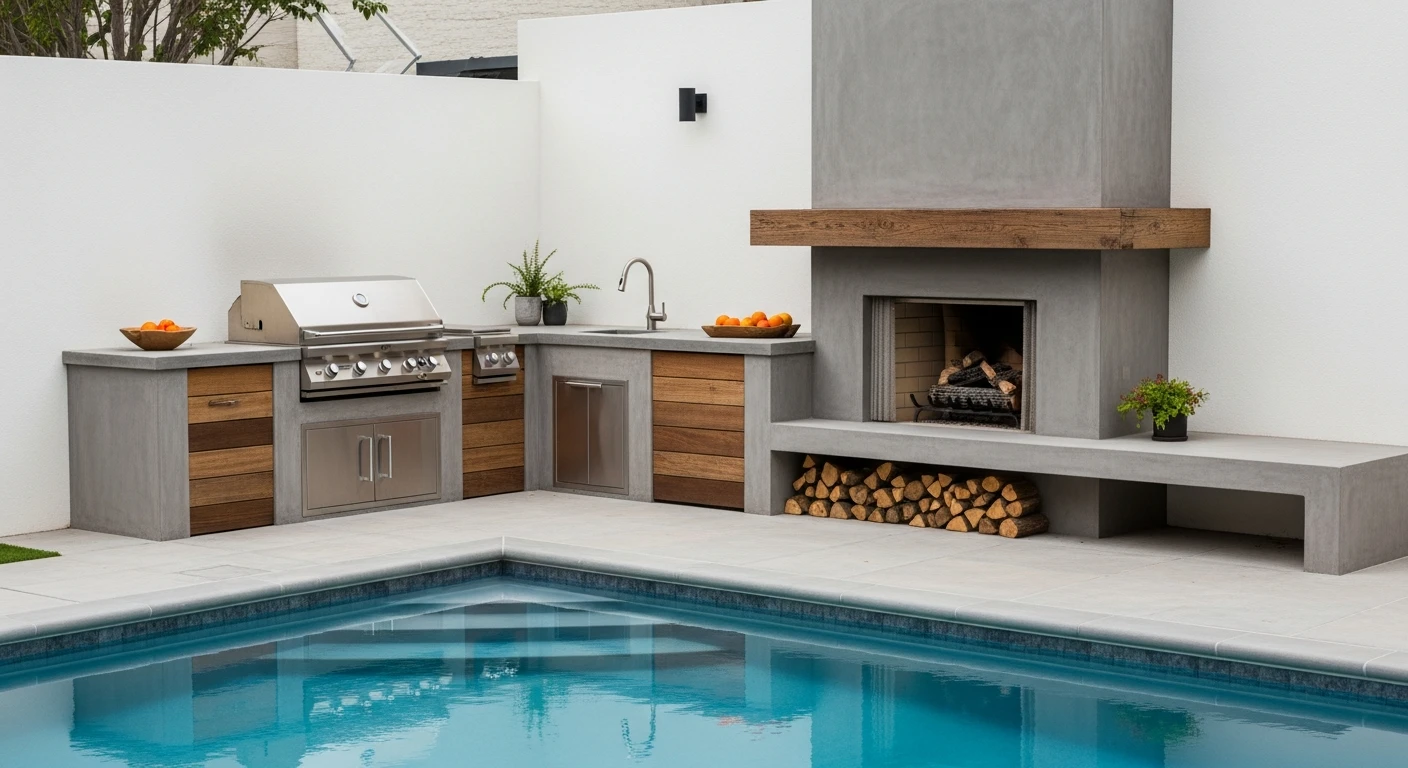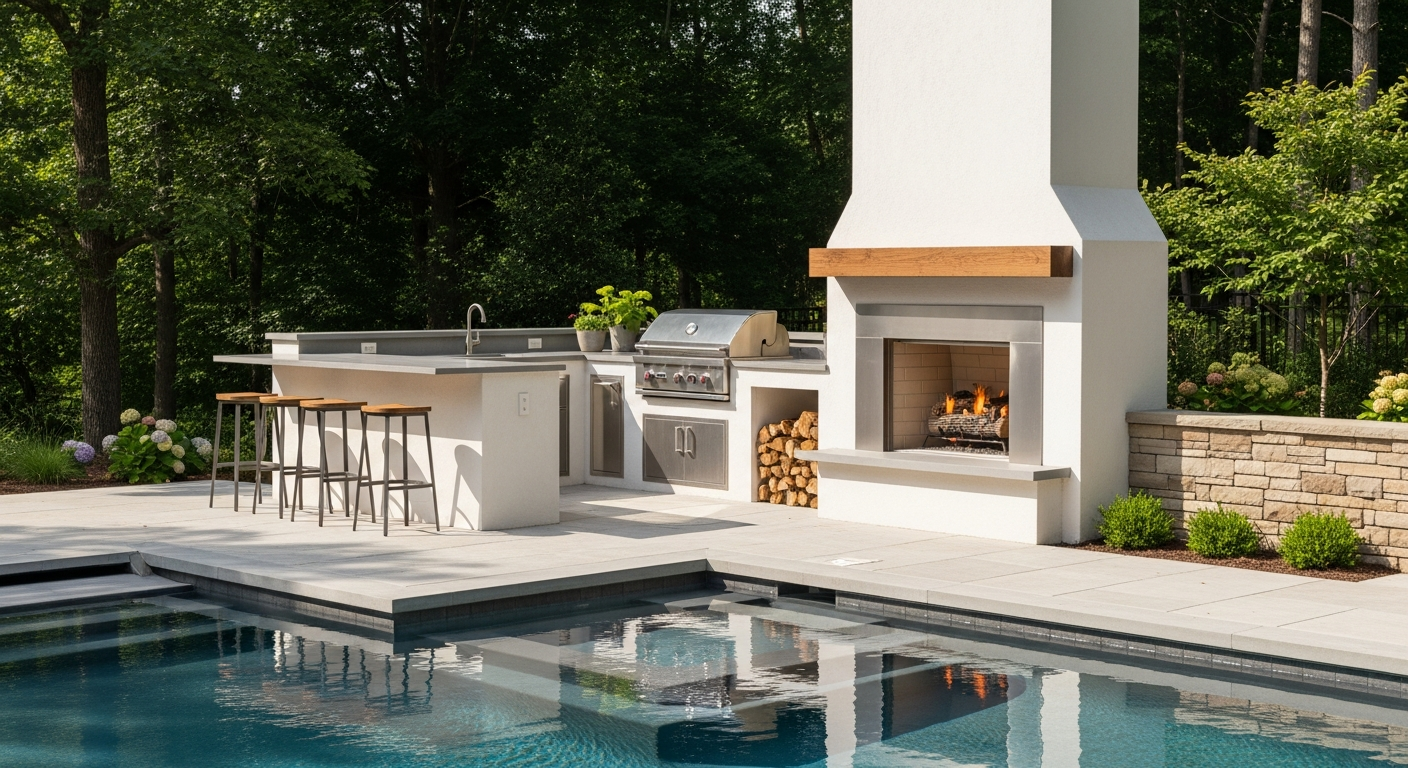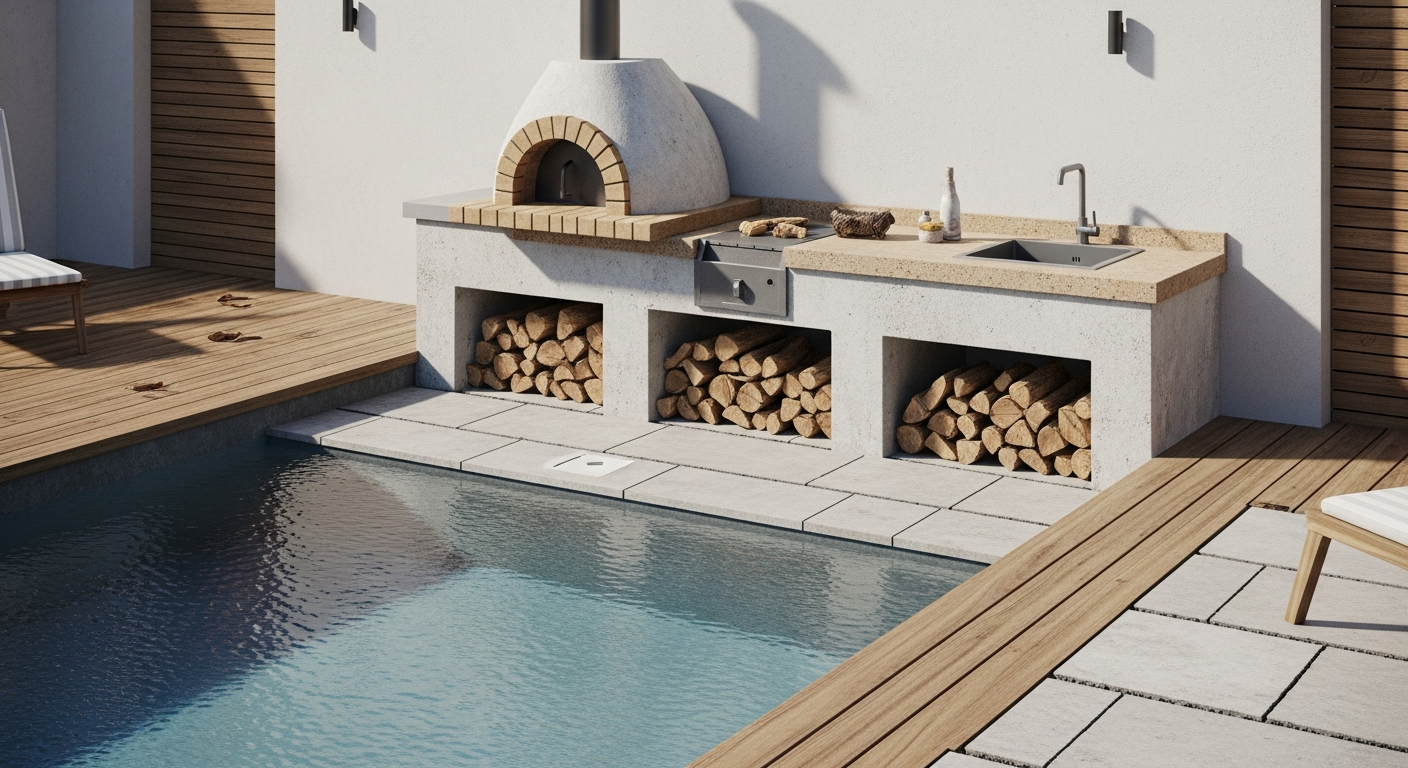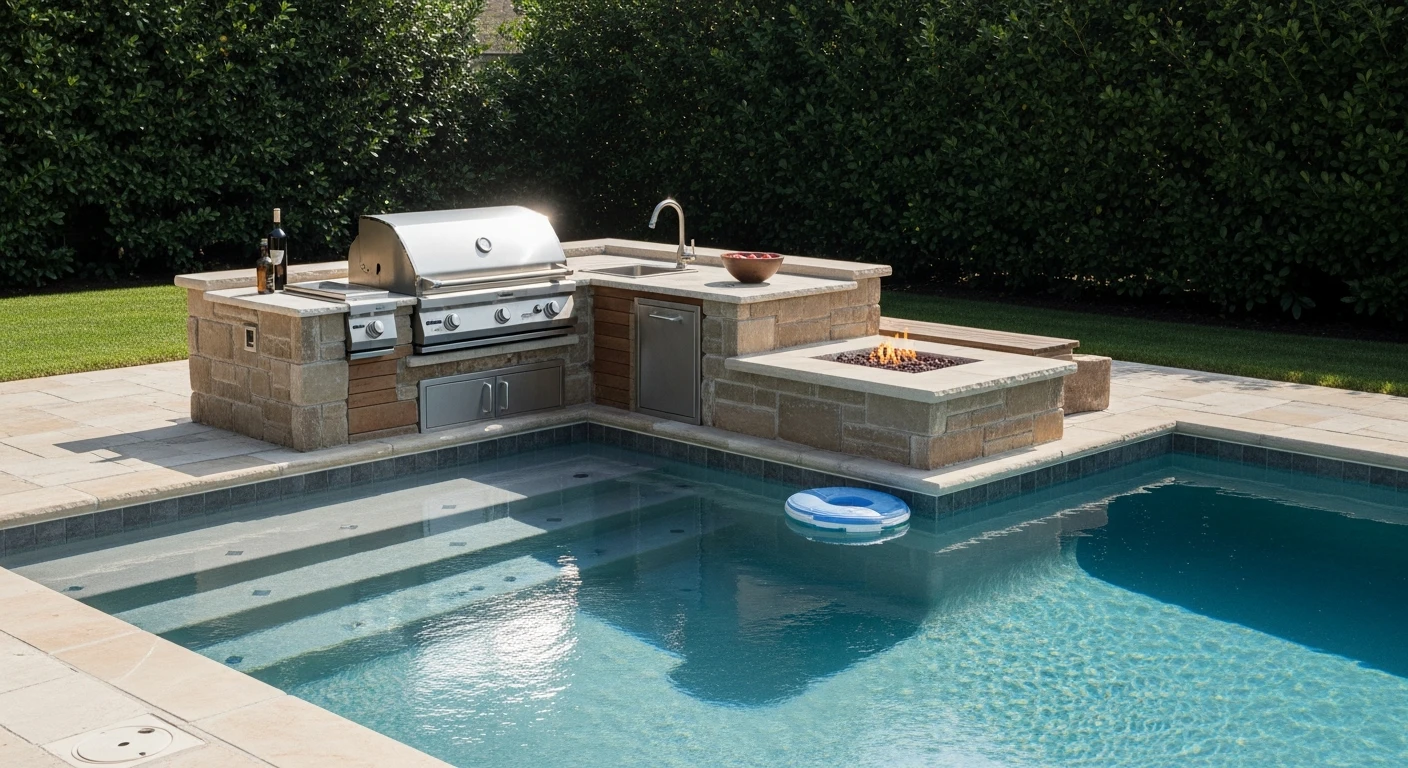
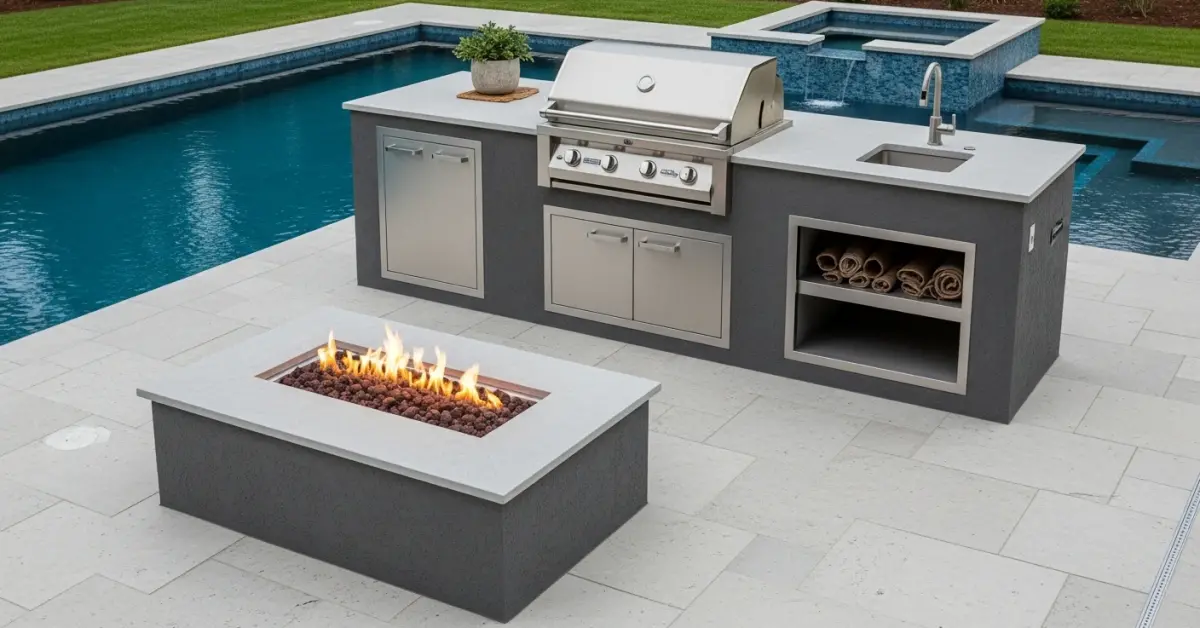
The dream of an integrated outdoor kitchen with a fire pit often starts with a magazine photo. But in Sarasota, that dream can quickly turn into a costly lesson in material science and local building codes. I've been called to projects where a beautiful brick outdoor kitchen, perfect for a dry climate, was crumbling from moisture intrusion after just two hurricane seasons. The fire pit, placed too close without proper ventilation, had scorched the new travertine pavers. These weren't contractor failures; they were planning failures rooted in not understanding our specific coastal environment.
The key isn't just building two separate features; it's engineering a single, unified system. This means thinking about how the heat from the grill affects the seating around the fire pit, how smoke from the fire pit travels, and how every single material—from the grout in the brickwork to the gas lines—will react to Sarasota's relentless salt, sun, and humidity.
Executive Summary: A Practitioner's View on Sarasota Outdoor Kitchens and Fire Pits
From my 15 years in the field here, the most successful projects treat the outdoor kitchen and fire pit as a single,
From my 15 years in the field here, the most successful projects treat the outdoor kitchen and fire pit as a single, integrated utility system from day one, not as two decorative additions. This approach forces a focus on material durability against salt air and compliance with Sarasota County's specific fire setback and gas line regulations. Overlooking this integration is the number one reason for premature decay and safety hazards.
- Material Priority: Marine-grade (316) stainless steel is non-negotiable for all appliances and hardware. Standard 304 stainless steel will show rust pitting within 18 months near the coast.
- Foundation and Footers: A monolithic concrete slab is essential. Separate pads for the kitchen and fire pit will shift independently, causing cracks in your structure and pavers.
- Code Compliance: The Florida Building Code dictates gas line installation, while Sarasota County's Land Development Regulations (specifically Chapter 74) and local fire codes govern fire feature setbacks from structures and property lines.
- Ventilation is Non-Negotiable: An L-shaped outdoor kitchen design traps heat and gas. It requires proper ventilation hoods for grills and vents within the island structure to prevent dangerous gas buildup.
The Planning Failures That Drive Up Costs
The most expensive mistakes happen before a single paver is laid. Homeowners, focused on aesthetics, often underestimate the technical requirements of building in our corrosive, high-humidity environment. The result is a beautiful space that starts degrading almost immediately.
The Most Expensive Failure: Ignoring the Salt and Humidity
I was brought into a project in a waterfront community on Longboat Key where the homeowner had invested in a stunning outdoor kitchen. The problem? The contractor used standard exterior-grade cabinetry and 304-grade stainless steel appliances. Within two years, the cabinet doors were warping from moisture, the hinges were seized with rust, and the grill showed significant surface corrosion. The entire six-figure installation had to be torn out and rebuilt with marine-grade materials. This is the classic, and most devastating, mistake: choosing materials based on how they look in a showroom instead of how they perform in the salty, humid air of coastal Florida.
The Construction Process in Practice
Building a combined outdoor kitchen and fire pit is a multi-stage process involving design, permitting, and specialized trades. It is not a simple landscaping project; it's a structural and utility installation that requires formal approval from Sarasota County.
The process starts with a site plan showing the location of all elements, including setbacks from your home, property lines, and any existing easements. This plan is submitted to the Sarasota County Planning and Development Services department for review. A licensed gas contractor is required for any natural gas or propane line installation, and their work will be inspected separately. The entire project timeline, from design to final inspection, typically runs 8 to 14 weeks, with permit review alone often taking up to 30 business days.
Key Selection Criteria for Sarasota Homeowners
- Contractor Licensing: Verify the contractor holds a Florida Certified General Contractor (CGC) or specialty license appropriate for the scope. Ask for their license number and check it on the Florida Department of Business and Professional Regulation (DBPR) portal.
- HOA/ARB Approval: If you're in a community like Lakewood Ranch or The Founders Club, you need written approval from your Architectural Review Board (ARB) before applying for a county permit. They have specific rules on materials, colors, and structure height.
- Proof of Salt-Air Experience: Ask for a portfolio of projects completed specifically in coastal areas of Sarasota or Manatee counties. A contractor who primarily works inland may not have the necessary experience with marine-grade materials and construction techniques.
- Gas Installation Certification: Ensure the subcontractor installing gas lines is a licensed and insured gas professional, not a general laborer. Ask to see their specific gas certification.
Comparing Integrated Systems to Other Options
An integrated, built-in outdoor kitchen and fire pit is a significant investment. It's crucial to compare it to alternatives to ensure it aligns with your budget, lifestyle, and property. The main trade-offs involve permanence, cost, and functionality.
| Feature | Integrated Kitchen & Fire Pit | Portable Grill & Freestanding Fire Pit | Modular Outdoor Kitchen Kit |
|---|---|---|---|
| Initial Cost | $25,000 - $75,000+ | $1,000 - $5,000 | $8,000 - $20,000 |
| Property Value Increase | Significant | Minimal / None | Moderate |
| Durability in FL Climate | Very High (with proper materials) | Low to Medium (requires covers, replacement) | Medium (depends on kit quality) |
| Permitting Required | Yes (Structural, Electrical, Gas) | No | Often Yes (for utility connections) |
When a Built-In System Is the Wrong Choice
A fully integrated system is not the right fit for every homeowner. If you plan to move within the next 3-5 years, you are unlikely to recoup the full cost of a high-end installation. Additionally, if your backyard space is limited or subject to drainage easements, the permanent footprint of a brick outdoor kitchen and fire pit may be impractical or prohibited by county regulations. In these cases, high-quality portable units offer flexibility without the high upfront cost and permanent commitment.
A Safe Hiring Checklist for Your Sarasota Project
Hiring the right team is the single most important factor for success. This checklist goes beyond checking online reviews and focuses on verifying qualifications specific to our local requirements.
- Verify General Liability & Workers' Comp: Ask for the Certificate of Insurance directly from the insurer. A contractor who hesitates is a major red flag.
- Check Sarasota County Permit History: You can search the Sarasota County online permit portal for a contractor's name to see the type and volume of work they've successfully permitted. This shows they know how to navigate the local system.
- Insist on a Detailed, Itemized Quote: The quote should break down costs for materials, labor, appliances, and permitting. Vague, lump-sum quotes hide where corners might be cut. Specify material grades (e.g., "316 stainless steel grill").
- Confirm They Handle the Entire Permit Process: The contractor, not the homeowner, should be responsible for submitting plans, managing inspections, and securing the final Certificate of Completion.
- Review the Plan for Wind-Load Compliance: Any permanent structure in Sarasota must be designed to meet Florida's stringent hurricane wind-load requirements. Ensure this is addressed in the engineering or design plans.
- Discuss Material Sourcing: Ask where they source their stone, pavers, and appliances. Reputable builders have established relationships with local suppliers who stock materials suited for the Florida climate.
Decisions That Determine the Final Outcome
Two projects with identical budgets can have wildly different outcomes based on a few key decisions made at the start. It's less about how much you spend and more about where you allocate the funds.
I worked with a client in Palmer Ranch who was deciding between a larger, more elaborate L-shaped outdoor kitchen built with standard materials versus a smaller, simpler layout using premium, marine-grade components. The initial appeal of more counter space and features was strong. However, after we discussed the long-term maintenance and replacement costs associated with inferior materials in our climate, the choice became clear. They opted for the smaller footprint with indestructible materials. Five years later, their kitchen looks brand new, while a neighbor's larger, cheaper installation already shows signs of corrosion and wear.
The Moment Most Homeowners Get It Wrong
The critical mistake happens during the design phase, specifically in space planning and flow. Homeowners often place the fire pit too close to the kitchen or seating areas. The rule I enforce is to have a minimum of 7-10 feet of clearance between the edge of a fire pit and any combustible structure or primary seating area. People underestimate radiant heat and the unpredictable nature of embers on a breezy Sarasota evening. This isn't just a comfort issue; it's a safety and compliance requirement that fire marshals will enforce.
Practical Answers for Building in Sarasota
Navigating the local bureaucracy is often the most frustrating part of the project. Here are direct answers to the most common operational hurdles.
How do I know if I need a permit from Sarasota County?
A permit is required for any project that involves structural work, electrical wiring, or gas plumbing. A simple brick patio for a portable grill might not need one, but a built-in outdoor kitchen with a gas line and a permanent fire feature absolutely does. The threshold is any new structure or alteration involving utilities. Attempting to build without one can result in a "stop work" order and fines from Sarasota County Code Enforcement, which can be up to $500 per day.
What are the HOA rules for fire pits in Sarasota?
HOA and ARB rules are separate from and often stricter than county codes. Most planned communities have specific regulations governing the type (gas vs. wood-burning), size, and location of fire pits. For example, many HOAs in Sarasota prohibit wood-burning fire pits due to smoke and ember concerns. They will require you to submit your full design plan, including materials and dimensions, for approval before any work begins. Always get this approval in writing.
What makes a gas line installation legal and safe in Florida?
In Florida, all gas line work must be performed by a licensed professional and adhere to the Florida Fuel Gas Code. This includes specific requirements for pipe material (often black iron or special flexible tubing), burial depth for underground lines (typically 18 inches), proper bonding and grounding, and a pressure test that must be witnessed and signed off by a county inspector. A licensed contractor will handle this inspection as part of their process. Never allow an unlicensed individual to run gas lines for your outdoor kitchen or fire pit.