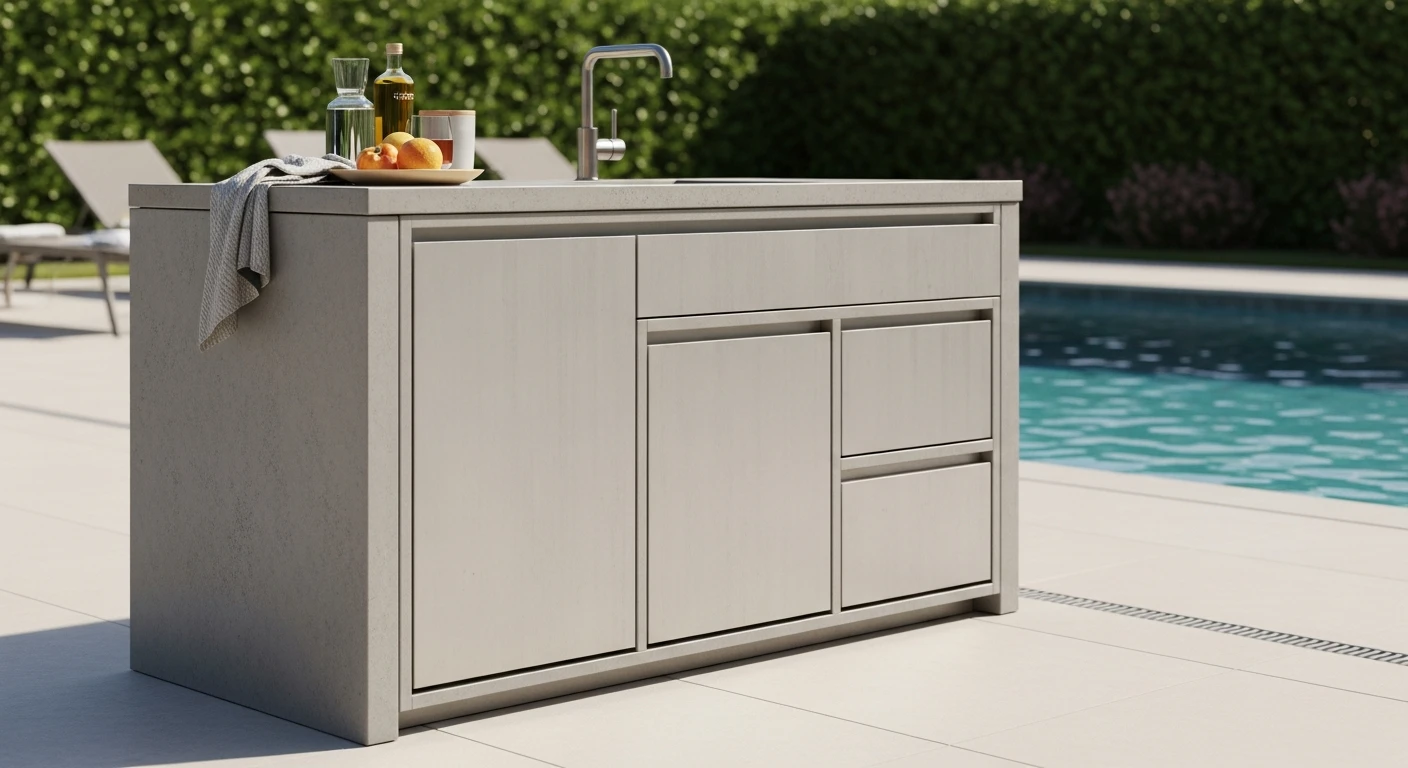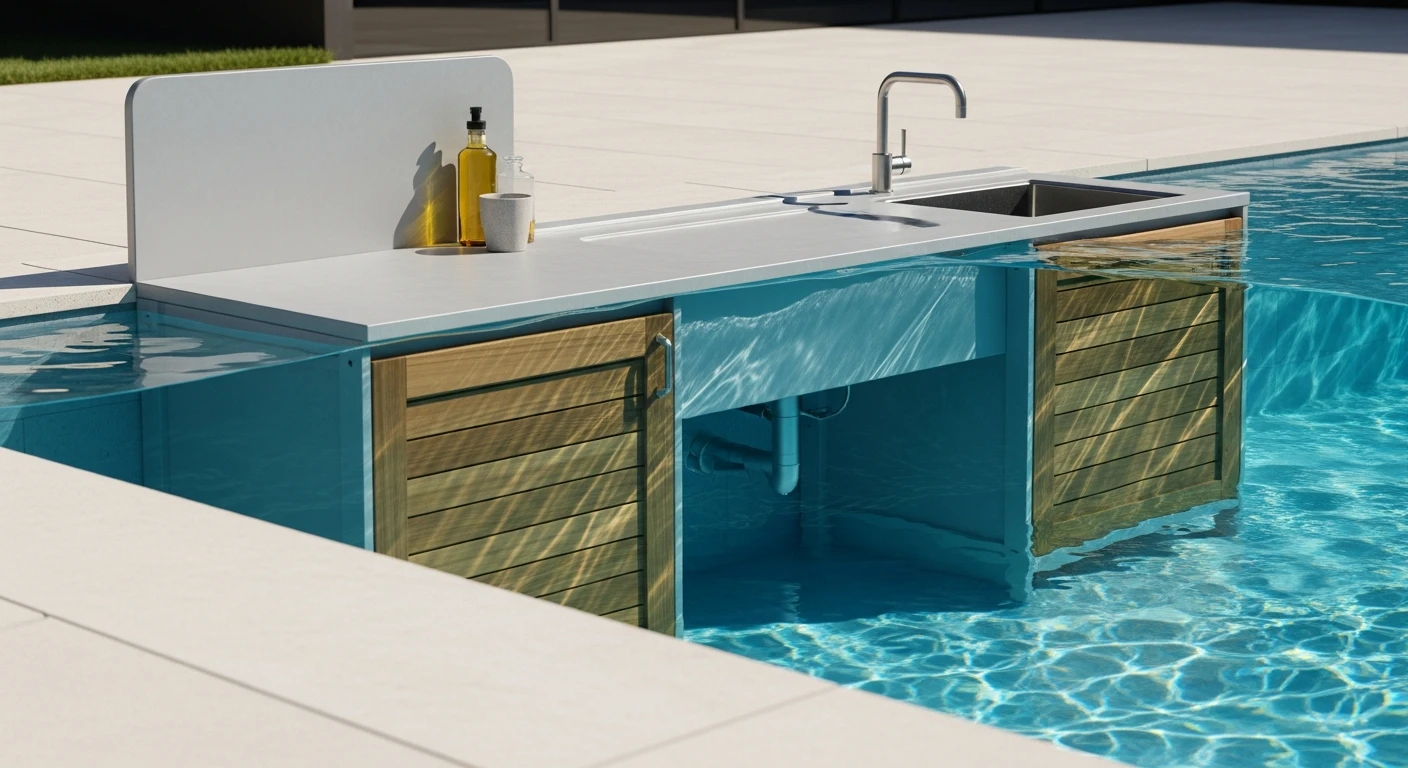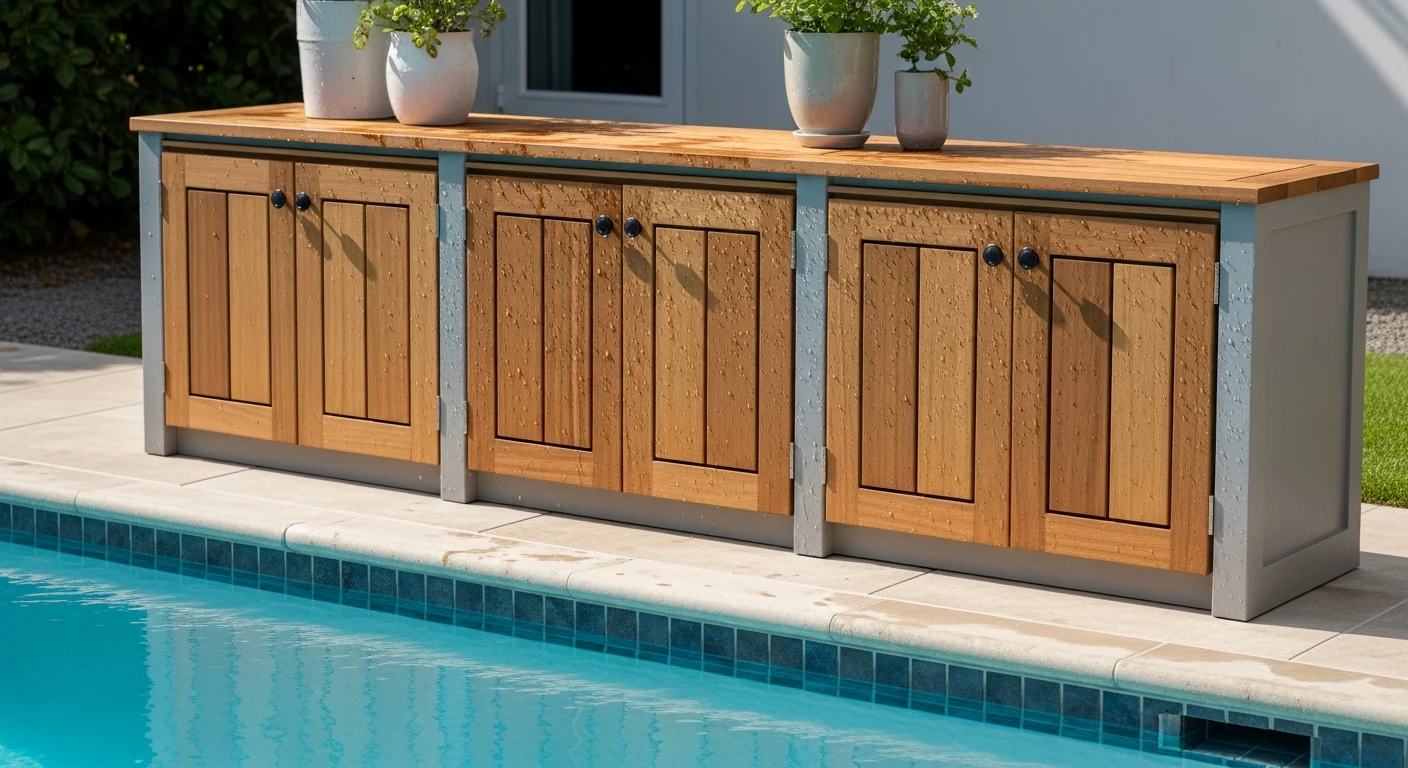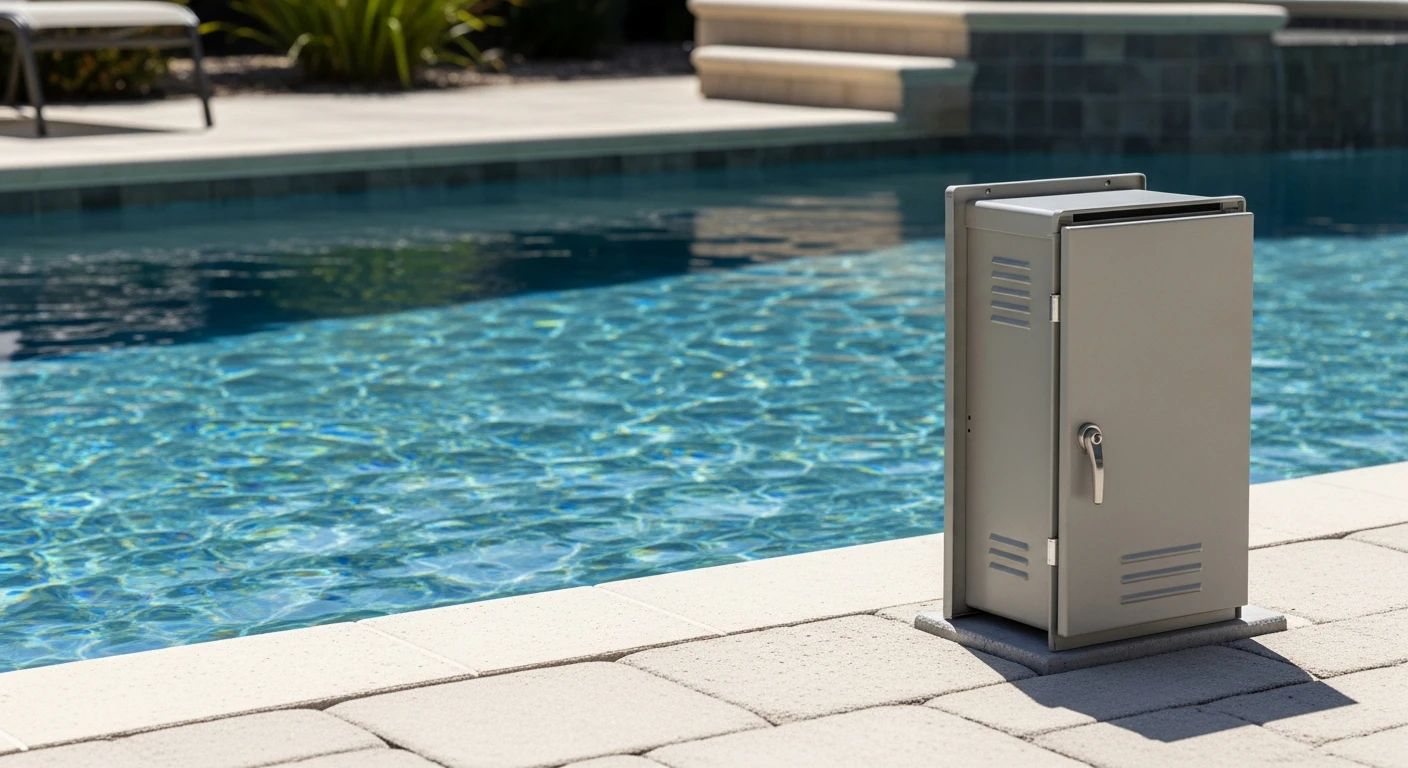
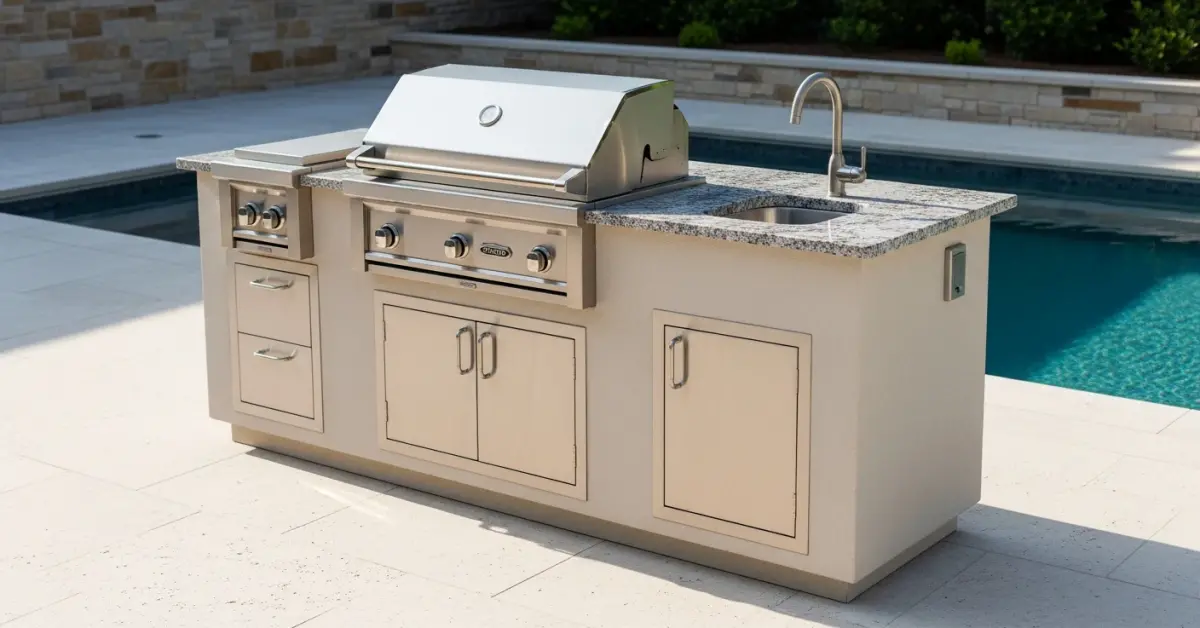
A client called me out to their Siesta Key home, frustrated that their three-year-old outdoor kitchen, which cost them over $40,000, was already falling apart. The stainless steel cabinet doors were pitted with rust, the granite countertop was stained with mildew that wouldn't come out, and the cabinet boxes, made of an “exterior-grade” composite, were swelling and delaminating. They made the classic Sarasota mistake: they built a kitchen designed for a generic American suburb, not one engineered to survive on the Gulf Coast. The most critical decision wasn't the brand of grill; it was the material science of the structure itself.
Executive Summary: What a Truly Weatherproof Sarasota Kitchen Entails
From my years designing and building these projects from Longboat Key to Palmer Ranch, a truly weatherproof outdoor
From my years designing and building these projects from Longboat Key to Palmer Ranch, a truly weatherproof outdoor kitchen in Sarasota is a system built to combat UV degradation, moisture saturation, and salt-induced corrosion simultaneously. It's not about a single material but a combination of non-porous, non-corrosive, and UV-stable components. The central failure I see is a focus on appliance brands over the structural integrity of the cabinetry and framework, which are the first things to fail under our climate's assault.
- Material Priority: Marine-grade polymers (like HDPE), powder-coated aluminum, and certain types of sealed concrete are superior to most stainless steel and wood products for cabinetry and framing in our salt-air environment.
- Countertop Reality: Non-porous materials like sintered stone (e.g., Dekton) or high-quality quartz are far more practical than porous natural stones like granite or marble, which are prone to staining from mildew and tannins from falling leaves.
- Fastener Failure: The use of anything less than 316-grade stainless steel for all screws, hinges, and fasteners is a guaranteed point of failure. I often see corrosion start here.
- Ventilation is Non-Negotiable: A design that doesn't allow for airflow inside cabinets will trap humid, salty air, accelerating mold growth and corrosion of appliances from the inside out.
The Design Flaws That Guarantee a Short Lifespan
The most common mistakes are baked in long before the first cabinet is installed. They stem from underestimating the cumulative effect of our local climate. A design that looks great in a catalog can be a complete disaster when exposed to Sarasota's specific environmental pressures year after year.
The Stainless Steel Myth
Homeowners are often sold on “304-grade stainless steel” as the gold standard for outdoor kitchens. In many parts of the country, it is. Here, it’s a liability. On a project near Phillippi Creek, we had to replace a full set of 304-grade stainless doors and drawers after just 18 months because of extensive surface rust and pitting caused by the persistent salt spray. While it resists rust better than standard steel, 304-grade is not impervious to the chloride-rich environment of coastal Florida. Only 316-grade (marine-grade) stainless offers meaningful resistance, but even that requires regular cleaning. For cabinetry, materials like powder-coated aluminum or HDPE are often a more durable, lower-maintenance choice.
The Construction Process for a Weatherproof Build
A resilient outdoor kitchen is built from the ground up with water and salt management in mind. The process involves more than just assembling boxes; it requires a deep understanding of how materials interact with our humid, coastal environment.
From Foundation to Finish: Key Stages
First, a proper concrete footing and slab are essential, pitched correctly to ensure water never pools. The framework is next. We've moved away from traditional steel studs, which can rust from the inside, to welded aluminum frames. These are lightweight, incredibly strong, and completely corrosion-proof. The utility runs for gas, water, and electric are planned within this frame, using weather-resistant conduits and connections. Finally, the weatherproof cabinet boxes are installed, followed by countertops and appliances. The entire process, from permit application with Sarasota County to final inspection, typically takes 6 to 10 weeks, depending on the complexity and current backlog for trade professionals.
Comparing Material Choices for Cabinetry
The choice of cabinet material is the single most important decision for the longevity of your outdoor kitchen in Sarasota. What works in a dry climate will fail spectacularly here. The initial cost difference between a robust material and a standard one is minimal compared to the cost of replacing the entire setup in five years.
| Material | Salt Air Resistance | UV Stability | Moisture/Mold Resistance |
|---|---|---|---|
| Marine-Grade Polymer (HDPE) | Excellent (Impervious) | Excellent (Color-through material) | Excellent (Non-porous) |
| Powder-Coated Aluminum | Very Good (Coating is key) | Good (High-quality powders) | Excellent |
| 304-Grade Stainless Steel | Poor to Fair (Prone to pitting) | Excellent | Excellent |
| Teak / Ipe Wood | Good (Requires sealing/oiling) | Fair (Will weather to gray) | Fair (Can support mildew) |
| Exterior-Grade PVC | Excellent | Poor (Can yellow/become brittle) | Excellent |
When a High-End Build Isn't the Right Choice
A fully weatherproof, custom outdoor kitchen is a significant investment. If you are not in your “forever home” or plan to move within the next five years, the return on investment may not be there. In these cases, a simpler setup with a high-quality freestanding grill and modular, movable stainless steel carts (ideally covered when not in use) can provide the functionality without the high cost and permanence of a built-in installation.
Hiring Checklist for a Sarasota Outdoor Kitchen Contractor
Verifying a contractor's credentials and experience is critical. Many general builders may have experience with indoor kitchens but lack the specific material science knowledge required for a durable outdoor build in our coastal climate.
- Verify Florida State License: Ensure they hold a valid Certified General Contractor (CGC), Certified Building Contractor (CBC), or a relevant specialty license. You can verify this on the Florida Department of Business and Professional Regulation (DBPR) website.
- Ask for Coastal Project Portfolio: Don't just ask for pictures of outdoor kitchens; ask specifically for projects completed on or near the water in areas like Lido Key, Casey Key, or Anna Maria Island. Ask how old they are.
- Confirm Liability and Worker's Comp Insurance: This is non-negotiable. A lack of proper insurance puts all the liability on you, the homeowner.
- Discuss Material Sourcing: Ask them where they source their weatherproof cabinets and what brands they use. A knowledgeable contractor will be able to discuss the pros and cons of HDPE vs. powder-coated aluminum in detail.
- Review a Sample Contract: The contract should explicitly list all materials, including the grade of stainless steel for fasteners and components. Vague terms like “exterior-grade” are a red flag.
- Check Sarasota County Permit History: You can often look up a contractor’s permit history online. A history of successfully pulled and closed permits for “outdoor kitchen” or similar structures is a good sign.
Decisions That Define the Final Outcome
Two clients can spend the same amount of money and end up with vastly different results based on a few key decisions made at the start of the project. The successful projects are always the ones where the homeowner prioritizes structural integrity over cosmetic finishes.
The Moment Homeowners Get It Wrong
The critical mistake happens when the budget allocation is reversed. I’ve seen homeowners spend $15,000 on a high-end grill and then try to save money by putting it into a $5,000 structure made of wood or inferior materials. The correct approach is to allocate the bulk of the budget to the non-corrosive structure and durable, non-porous countertops first. A modest, reliable grill in a truly weatherproof cabinet system that will last 20 years is a far better investment than a premium grill in a structure that will rot or rust out from under it in five.
Practical Realities of Building in Sarasota
Navigating the local regulations and environmental factors is just as important as the construction itself. Understanding these nuances saves time, money, and significant frustration during the build process.
Navigating Sarasota County Permitting
Any outdoor kitchen involving permanent gas or electrical lines requires a permit from Sarasota County. The process involves submitting engineered plans for review, which can take several weeks. A common bottleneck is failing to account for setback requirements from property lines or water bodies, which can force a complete redesign. Working with a contractor who is familiar with the specific requirements of the county's Land Development Regulations is crucial.
HOA Architectural Review Board (ARB) Approvals
In communities like Lakewood Ranch or The Founders Club, the HOA’s ARB has the final say. They often have strict rules on materials, colors, and even the visibility of the kitchen from neighboring properties. Submitting a detailed plan that includes material samples and color swatches upfront is essential. I've seen projects delayed for months because a homeowner started work before getting formal ARB approval, resulting in fines and orders to halt construction.
The Importance of Proper Appliance Ventilation
Manufacturers have very specific ventilation requirements for built-in grills to prevent heat buildup and potential fire hazards. These often involve installing stainless steel vent panels in the cabinet island. In our humid climate, these vents serve a dual purpose: they also promote crucial airflow to prevent moisture from getting trapped inside the cabinet structure, which can lead to mold and premature failure of electronic components in refrigerators and ice makers.