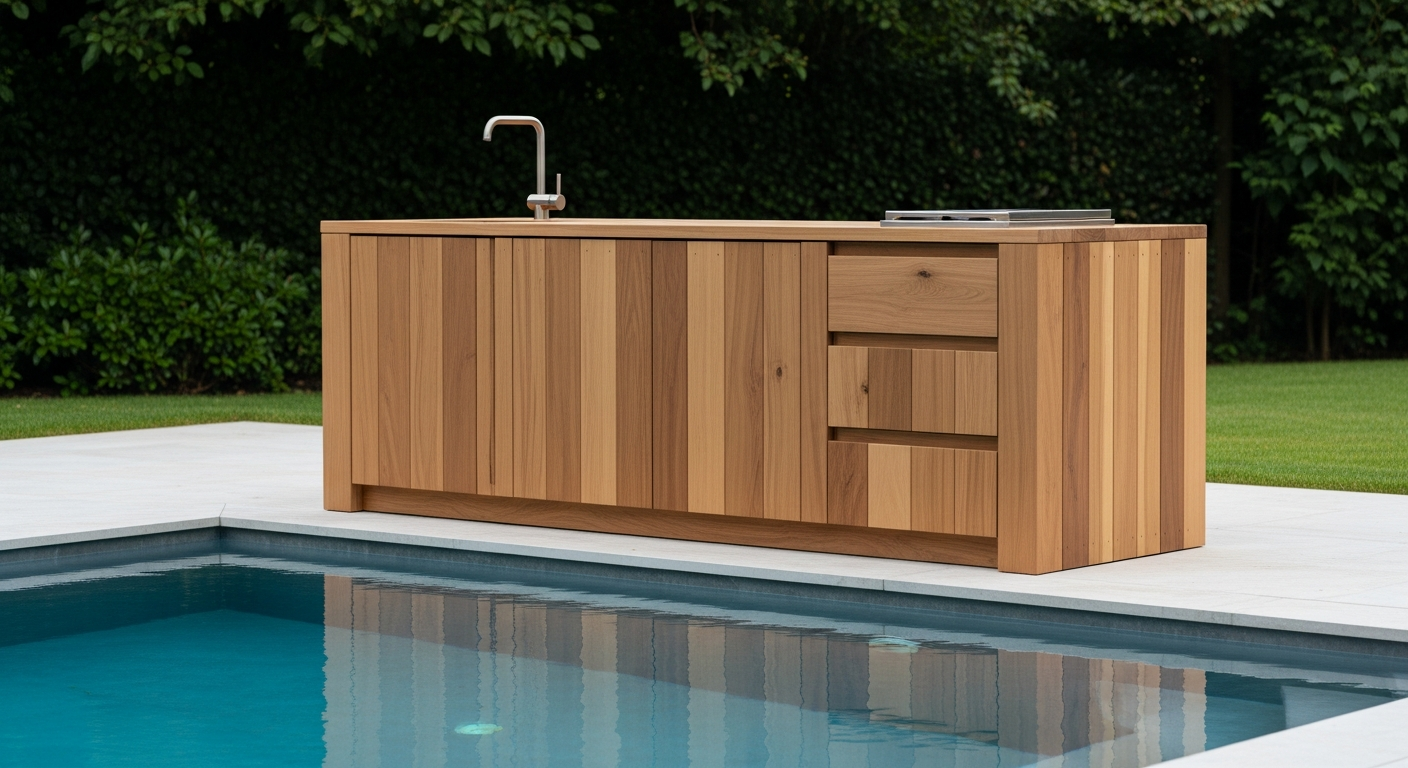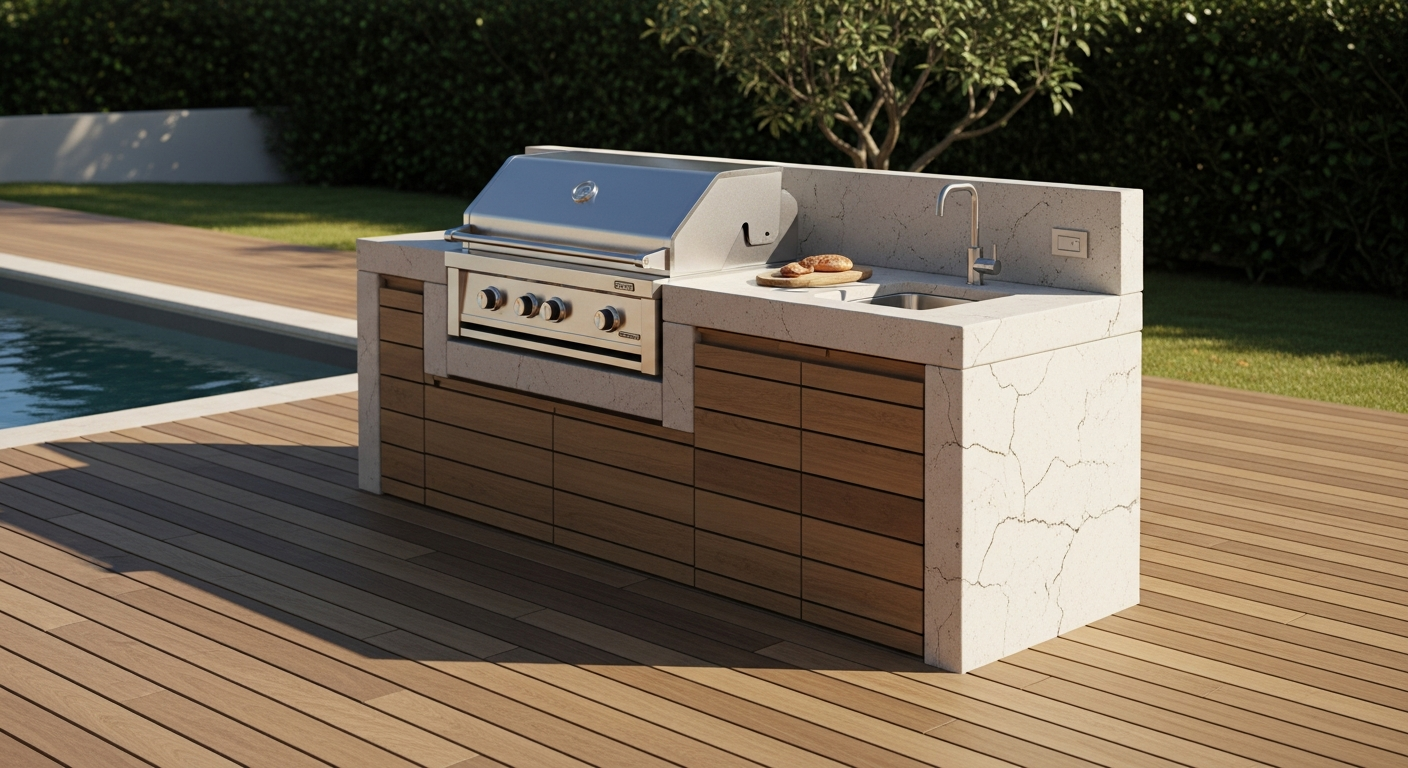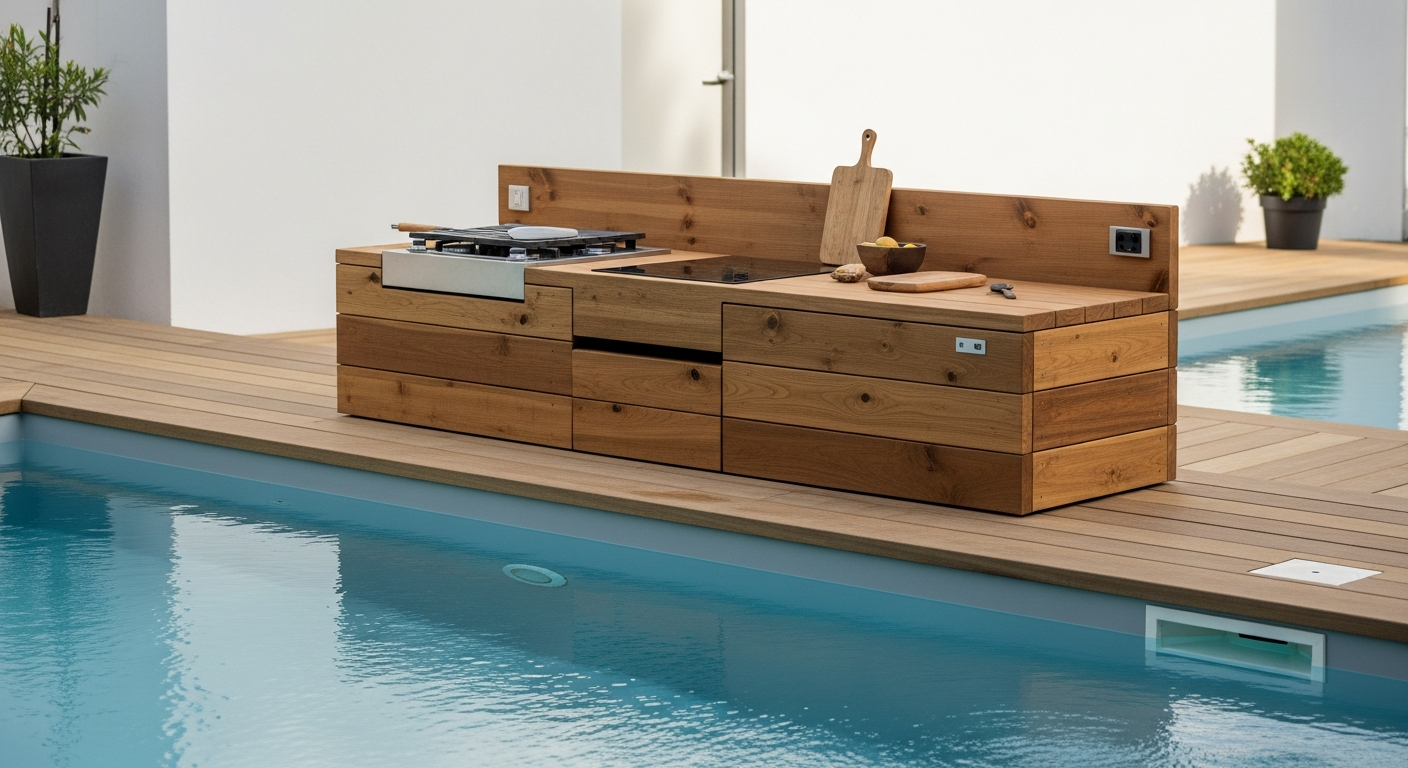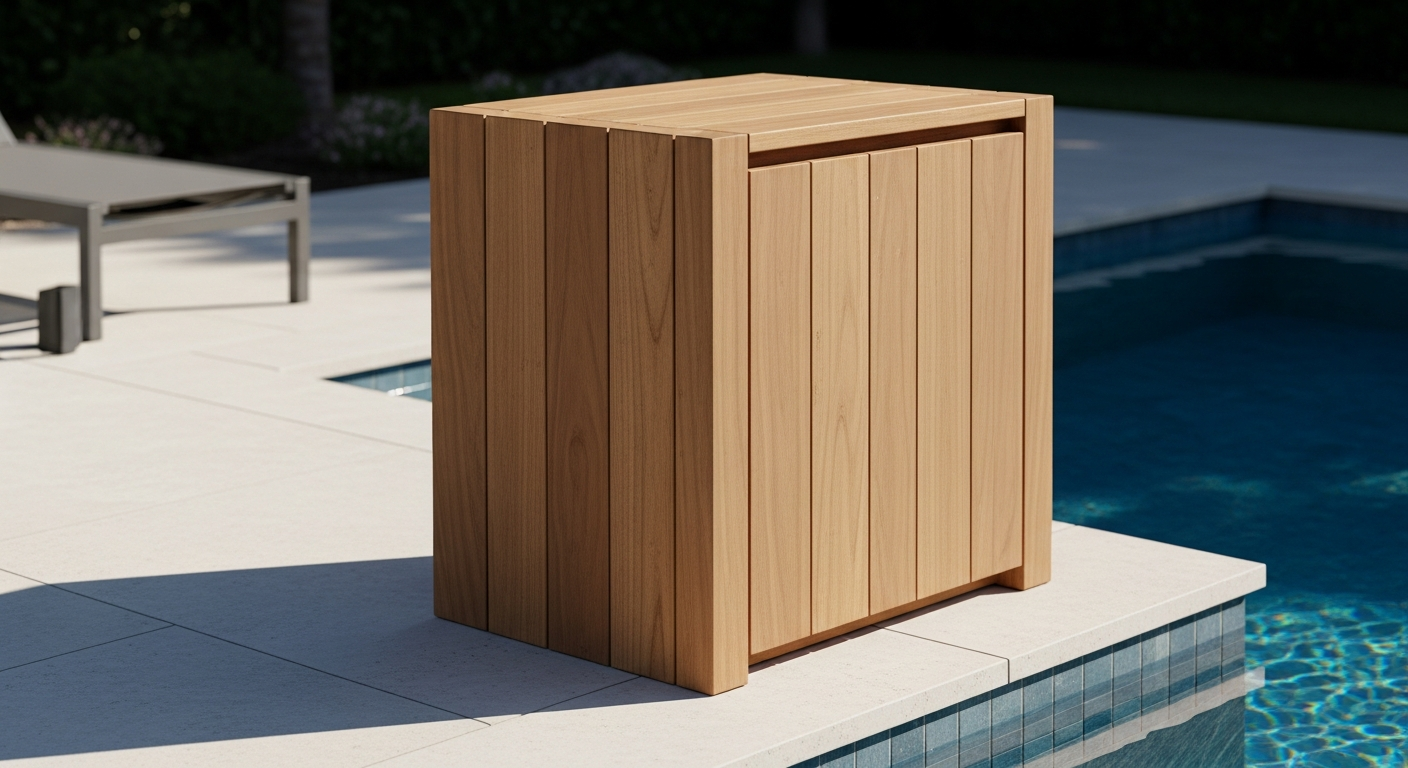
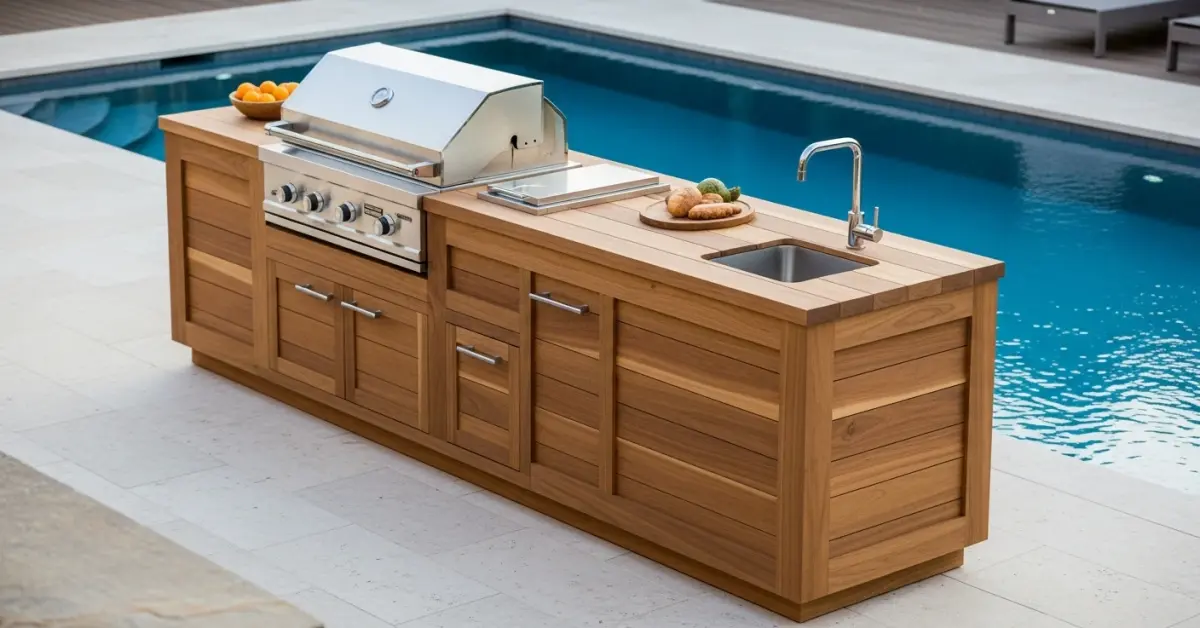
The allure of a wood outdoor kitchen is undeniable—it brings a warmth and organic texture that stone and stainless steel can't replicate. Yet, here in Sarasota, I've seen more of these projects fail than succeed within five years. The combination of relentless humidity, salty air from the Gulf, and intense UV exposure creates a perfect storm for wood degradation. The most common mistake isn't choosing wood; it's underestimating what it takes to make wood last in this specific environment.
Executive Summary: A Realistic Approach to Wood Outdoor Kitchens in Sarasota
From my direct experience building these structures, a successful wood outdoor kitchen island in Sarasota depends less
From my direct experience building these structures, a successful wood outdoor kitchen island in Sarasota depends less on the initial aesthetic and more on a deep understanding of material science and local climate realities. It's an investment in a specific system, not just a material. Homeowners who focus only on the surface appearance often find themselves dealing with warped doors, splitting joints, and mildew within a few seasons.
- Material is Key: Only dense, oily tropical hardwoods like Teak or Ipe, or specially treated woods like Accoya, are viable long-term options. Standard pressure-treated pine or cedar will not withstand the moisture and pests.
- Frame Construction Defines Longevity: A wood frame for an outdoor kitchen here is a liability. The internal structure must be non-organic—welded aluminum or concrete block—to prevent hidden rot and termite infestation.
- Ventilation is Non-Negotiable: Cabinetry and island bases must be designed with significant ventilation gaps to prevent moisture from being trapped, which is the primary cause of mildew and decay.
- Finishing is a Commitment: A wood island in our sun requires annual maintenance, typically a light sanding and re-application of a high-quality marine-grade UV-inhibiting oil or sealer. There is no “set it and forget it” option.
The Planning Failures That Lead to Premature Decay
The most significant errors I see happen long before the first board is cut. They are fundamental misunderstandings of how materials behave in our coastal Florida environment. A design that looks beautiful in a catalog for a different climate can become a structural failure here.
The Most Expensive Mistake: Using a Wood Frame
I was called to a project in a beautiful home near Phillipi Creek where the homeowner had a stunning cypress outdoor kitchen built just three years prior. The cabinet doors were sagging and the granite countertop had a new hairline crack. When we removed a drawer, we found the problem: the entire wood frame for the outdoor kitchen was riddled with termites and water damage. The exterior looked passable, but the hidden structure was compromised, threatening the expensive stone top. They had to tear out the entire island, a loss of over $25,000, because the builder used a conventional wood stud frame instead of an inorganic one.
How a Durable Wood Island is Actually Built in Sarasota
A properly constructed wood outdoor kitchen here is a hybrid system. It combines the aesthetic of wood with the structural integrity of materials that are impervious to our climate. The process is deliberate and prioritizes durability over speed.
Key Steps in the Construction Process
- Foundation and Frame: The base is built on a concrete slab. The island's core structure is framed with either welded aluminum tubing or concrete masonry units (CMU). This creates the rigid, pest-proof, and water-resistant box that will support the countertops and appliances.
- Utility Rough-Ins: All electrical conduits and plumbing lines are run within or behind this inorganic frame. This is a critical step before any cladding is applied.
- Cladding and Cabinetry Installation: The Teak, Ipe, or other suitable hardwood is installed as a decorative “skin” or cladding over the frame. Doors and drawers, like a high-quality teak outdoor cabinet system, are then fitted. Everything is installed with stainless steel hardware to resist corrosion from the salt air.
- Finishing and Sealing: The final step is the application of multiple coats of a marine-grade sealer or penetrating oil. This isn't just for looks; it's the wood's primary defense against UV rays and moisture intrusion.
Comparing Wood to Alternative Outdoor Kitchen Materials
Wood is a premium choice with specific demands. It's crucial to compare it honestly against other popular materials used in the Sarasota market before making a final decision. Each has distinct advantages and disadvantages in our climate.
| Feature | Wood (Teak/Ipe) | Marine-Grade Polymer (HDPE) | Masonry/Stucco |
|---|---|---|---|
| Upfront Cost | High | High | Medium-High |
| Maintenance Demand | High (Annual sealing/oiling) | Very Low (Cleaning only) | Low (Occasional pressure washing/paint) |
| Heat Resistance | Good (Doesn't get as hot as metal) | Fair (Can warp/fade with extreme direct sun) | Excellent |
| Aesthetic | Warm, natural, high-end | Clean, modern, uniform | Integrated, structural, traditional |
When Wood is the Wrong Choice for Your Project
Despite its beauty, a wood outdoor kitchen isn't for everyone. If you are looking for a zero-maintenance solution or have a location with full, unrelenting sun exposure all day long without any shade, I would advise against it. The maintenance schedule in such a location becomes relentless, and even the best hardwoods will be under extreme stress. In those cases, a masonry base with marine-grade polymer doors is a more practical, long-term investment.
Safe Hiring Checklist for Your Sarasota Project
Choosing the right builder is more important than choosing the wood itself. A contractor unfamiliar with coastal wood construction can inadvertently build a beautiful structure that is doomed to fail.
- Verify Florida Contractor License: Check their license status on the Florida Department of Business and Professional Regulation (DBPR) website. Ensure they carry General Liability and Worker's Compensation insurance.
- Ask for a Portfolio of Local Wood Projects: Don't just look at pictures. Ask for addresses of projects completed over 3 years ago in the Sarasota area. See for yourself how their work holds up to our climate.
- Confirm Their Framing Method: Ask directly, "What material do you use for the internal frame?" If the answer is any type of wood, including pressure-treated, it's a major red flag. The correct answer is aluminum or masonry.
- Review the Materials Specification Sheet: The contract should explicitly list the species of wood (e.g., Grade A Teak), the type of hardware (e.g., 316 Stainless Steel), and the brand of sealer to be used.
- Discuss the Maintenance Plan: A professional builder will be upfront about the required upkeep. They should be able to provide you with a clear maintenance schedule and even offer it as an annual service.
Decisions That Separate a Lasting Investment from a Costly Mistake
Over the years, I've seen that the clients who are happiest with their wood kitchens long-term are those who make a few key decisions early on. It's about shifting focus from short-term cost to long-term performance.
The Moment Most Homeowners Get It Wrong
The critical mistake happens when comparing quotes. Homeowners naturally gravitate toward the lower price, but often that lower price is achieved by substituting a cheaper wood or, more dangerously, by building a wood frame outdoor kitchen. The price difference between a proper aluminum-framed island and a wood-framed one can be 15-20%, which seems like a significant saving. However, that “saving” is buying you a structure with a built-in expiration date in our climate. The correct approach is to first establish the proper construction method (inorganic frame) as a baseline and only then compare prices between contractors who adhere to that standard.
Practical Realities of Building in Sarasota County
Navigating the local requirements is a key part of the process. An experienced builder handles this, but understanding the landscape helps you ask the right questions.
What Permits Are Needed for an Outdoor Kitchen?
In Sarasota County, any outdoor kitchen involving permanent plumbing, gas, or electrical connections requires a building permit. The plans must be submitted to the Sarasota County Planning and Development Services for review. This process ensures the work meets the Florida Building Code, which is especially important for gas line installations for grills or a potential outdoor wood fired kitchen component.
Dealing with Architectural Review Boards (ARBs)
In communities like Lakewood Ranch or The Concession, you can't just start building. All exterior modifications, including outdoor kitchens, must be submitted to the community's ARB for approval before you can even apply for a county permit. They will have specific rules about materials, colors, and placement. A builder experienced in these neighborhoods will know how to prepare the submission package to streamline approval.
Why Material Sourcing Matters in South Florida
Access to high-quality, sustainably sourced tropical hardwoods is not a given. We've seen supply chain issues impact availability and pricing for Grade A Teak and Ipe. A reputable builder will have established relationships with specialty lumber suppliers in South Florida who can certify the grade and origin of the wood. This ensures you are getting the dense, oil-rich material needed to resist our weather, not a lower-grade look-alike.