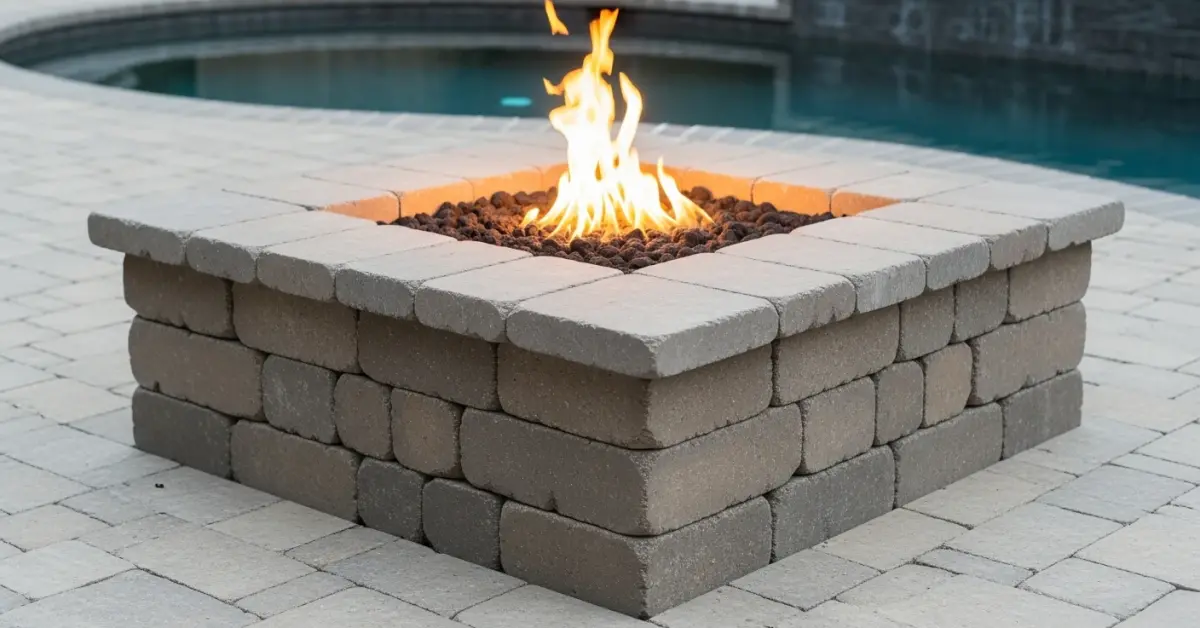
A Specialist's View on Paver Fire Pits in Sarasota
From my years designing and installing hardscapes from Siesta Key to the newer developments east of I-75, the
From my years designing and installing hardscapes from Siesta Key to the newer developments east of I-75, the conversation around fire pits always starts with design but should start with durability. A successful project here is less about the paver pattern and more about engineering a small-scale foundation that can handle our specific environmental pressures. The goal is to build something that looks just as good in five years as it does on day one, which requires anticipating soil subsidence and water intrusion from the very beginning.
- Soil & Base Preparation: Standard 4-inch paver bases are insufficient for Sarasota's sandy soil. A minimum of 6-8 inches of compacted DOT-approved road base (like FLBC #57 stone) is non-negotiable to prevent sinking.
- Material Selection: Light-colored, high-density concrete pavers resist heat absorption and UV fading better than dark or porous alternatives. Natural stone like travertine is excellent for staying cool but requires proper sealing against our humidity.
- Drainage: Every fire pit patio must have a subtle, planned slope (at least 1/4 inch per foot) to direct rainwater away from the foundation and the fire pit itself, preventing waterlogging and base erosion.
- HOA Compliance: Most planned communities in Sarasota County require prior approval from an Architectural Review Committee (ARC), with specific rules on setbacks, materials, and smoke nuisance.
The Planning Failures I See Most Often
The biggest mistakes happen before a single shovel hits the ground. Homeowners, eager to get the project done, often overlook the unique demands of our local environment. They might see a design online that was built in a dry, stable climate and assume it's a universal blueprint. Here, that's a recipe for a costly redo.
The Most Expensive Failure: Ignoring the Water Table
I was called to a project in a beautiful neighborhood near Phillippi Creek where a homeowner's DIY fire pit patio had developed a significant dip, creating a permanent puddle. They had followed a generic guide, but failed to account for Sarasota's high water table. During our rainy season, the saturated ground softened their inadequate base, causing the entire structure to sink. The fix required a complete tear-out and rebuild, costing nearly double the initial budget. Proper site evaluation and a geotextile fabric layer under the base could have prevented the entire issue.
The Installation Process for a Sarasota Climate
A fire pit installation here is a multi-step process focused heavily on site preparation and water management. It’s not just about laying stones in a circle. The integrity of the project depends on a methodical approach that respects our soil and weather patterns.
Key Steps for a Lasting Fire Pit Patio
- HOA Approval First: Before any work begins, submit your paver patio designs with the fire pit to your HOA's ARC. This can take several weeks in communities like Lakewood Ranch, and they will want to see materials, dimensions, and placement on your property survey.
- Excavation and Geotextile: We excavate deeper than in other regions—typically 8 to 10 inches. A layer of non-woven geotextile fabric is laid down first. This is crucial; it separates the sandy subsoil from your aggregate base, preventing them from mixing and compromising the foundation.
- Base Compaction: The aggregate base is added in 2-3 inch lifts, with each layer being compacted with a plate compactor until it's solid. This is where most shortcuts are taken and where failures begin.
- Sand Setting Bed and Paver Laying: A 1-inch layer of coarse sand (screeded perfectly level) provides the final setting bed for the pavers. The fire pit ring itself, whether a kit or custom-built, is typically installed on the compacted base for maximum stability.
- Jointing and Sealing: We exclusively use high-quality polymeric sand for the joints. It hardens like a grout, preventing weed growth and, more importantly, stopping our torrential summer rains from washing the sand out and destabilizing the pavers.
Comparing Fire Pit Pavers to Other Materials
Pavers are a fantastic choice, but they aren't the only option. Homeowners in Sarasota often consider poured concrete or wood decking. Understanding the trade-offs in our specific climate is key to making the right long-term investment.
| Feature | Pavers | Poured Concrete | Wood/Composite Decking |
|---|---|---|---|
| Upfront Cost | Moderate to High | Low to Moderate | High to Very High |
| Durability in FL Climate | Excellent (if base is correct) | Good (prone to cracking from soil shifts) | Poor (Wood) / Good (Composite) |
| Heat Resistance | Excellent (fire-rated pavers available) | Good | Poor (requires non-combustible zone) |
| Repairability | Excellent (replace individual pavers) | Difficult (patching is visible) | Moderate (replace boards) |
| HOA Acceptance | High | Moderate | Varies widely; often restricted |
When a Paver Fire Pit Isn't the Right Choice
If your property has significant grade changes or is located in a designated flood-prone area, a paver patio can be problematic. The extensive excavation and base work required might be prohibitively expensive or interfere with natural drainage patterns. In these specific cases, a raised deck with a non-combustible fire pit pad might be a more practical, albeit more expensive, solution that works with the landscape instead of fighting it.
Safe Hiring Checklist for Sarasota Hardscapers
Choosing the right contractor is as important as choosing the right materials. A low bid often signals shortcuts in base preparation—the part of the job you can't see until it fails. Here is what I tell friends and family to verify before signing any contract.
- Verify Florida Contractor's License: Check their license status on the Florida Department of Business and Professional Regulation (DBPR) website. While a specific hardscaping license isn't always required, a General Contractor (CGC) or Residential Contractor (CRC) license indicates a higher level of vetting.
- Proof of Liability and Workers' Comp Insurance: Ask for the insurance certificate. Without it, you could be liable for any accidents that happen on your property during the project. This is not negotiable.
- Portfolio of Local Work: Don't just look at pictures. Ask for addresses of projects completed 3-5 years ago in Sarasota. This allows you to see how their work holds up to our sun and rain over time.
- Detailed, Itemized Quote: The quote must specify the depth of the base, the type of aggregate, the use of geotextile fabric, and the brand of polymeric sand. Vague terms like "standard base" are a red flag.
- HOA Experience: Ask them directly about their experience submitting plans to ARCs in your specific community. A contractor familiar with the process in The Founders Club will save you immense headaches.
Decisions That Determine the Outcome
The success of building a fire pit with pavers hinges on a few key decisions made at the outset. It's the difference between a functional outdoor living space and a constant source of frustration and repair bills.
The Moment Most Homeowners Get It Wrong
The critical mistake happens during the material selection phase. A homeowner falls in love with a dark, porous paver they saw in a national magazine. In Sarasota, this is a trap. The intense sun will make that dark paver dangerously hot to walk on barefoot, and our humidity and organic debris will lead to staining and mold growth on a porous surface. The best decision is to prioritize performance in our climate: choose lighter colors and dense, low-porosity pavers, even if it means compromising slightly on a specific aesthetic.
Practical Answers for Fire Pits in Sarasota
Navigating the local specifics is often the most confusing part of the project. Here are the answers to questions I field every week about getting a fire pit project done right in Sarasota County.
Do I Need a Permit for a Paver Fire Pit?
Generally, a simple paver patio with a fire pit does not require a permit from Sarasota County, as it's not considered a permanent structure. However, the moment you run a gas line to the fire pit, a permit is absolutely mandatory. This work must be done by a licensed gas contractor, and it will require inspection. Always verify with the county's permitting office before you begin.
What Are Common HOA Setback Rules?
While this varies, a common rule I see in Sarasota HOAs is a minimum setback of 10-15 feet from any property line and the primary residence. They also often prohibit placement under the canopy of large trees or too close to a pool screen enclosure. Your HOA's specific architectural guidelines are the ultimate authority here, and you must have them in hand before finalizing your paver patio designs.
How Do I Choose a Fire Pit Kit vs. Custom Build?
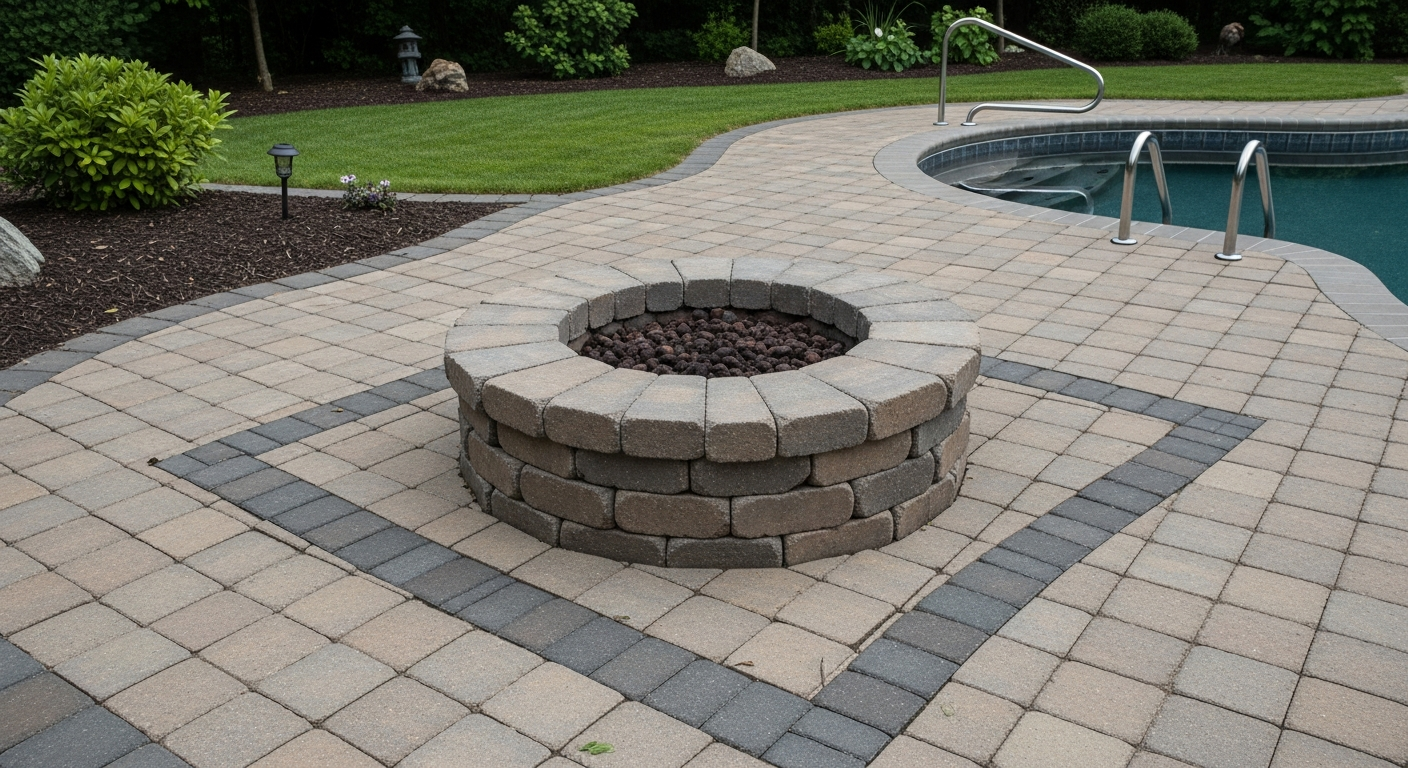
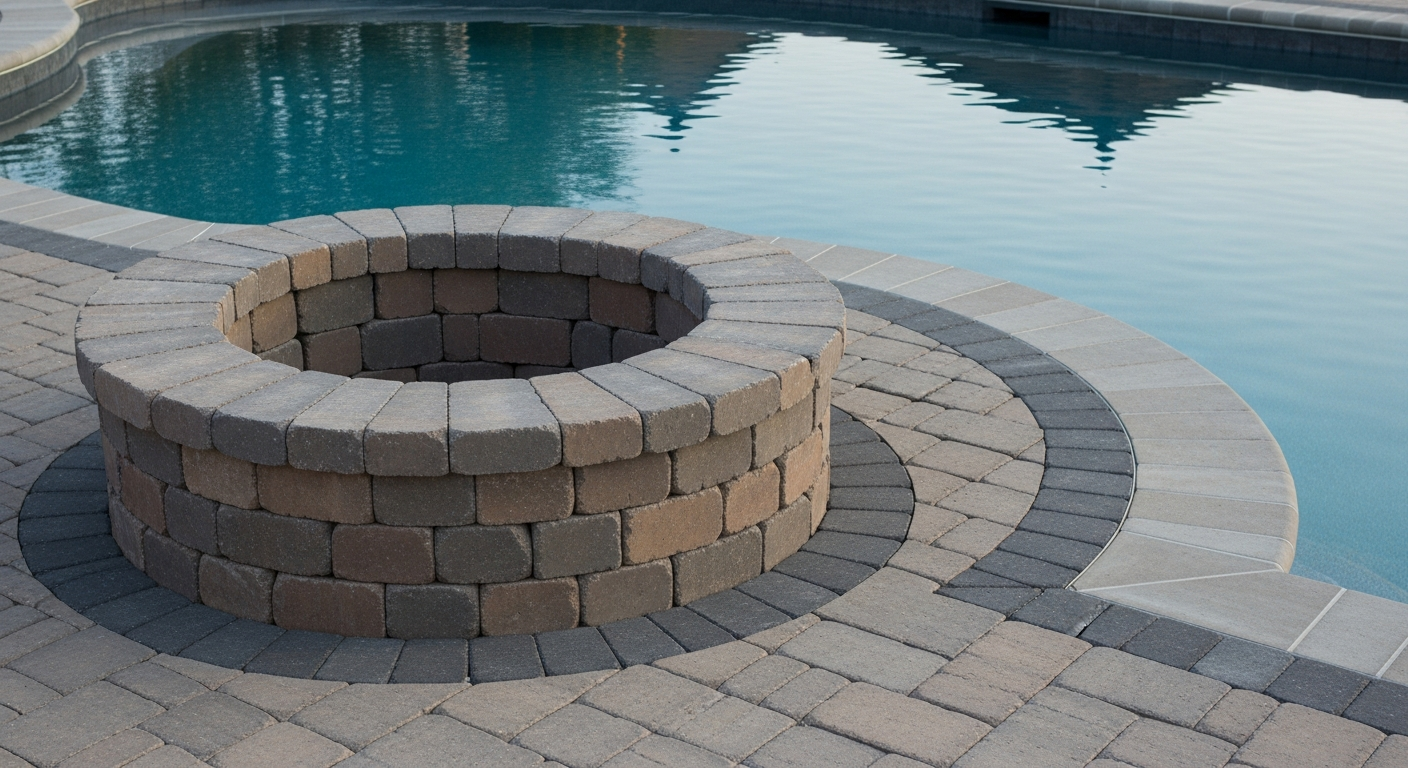
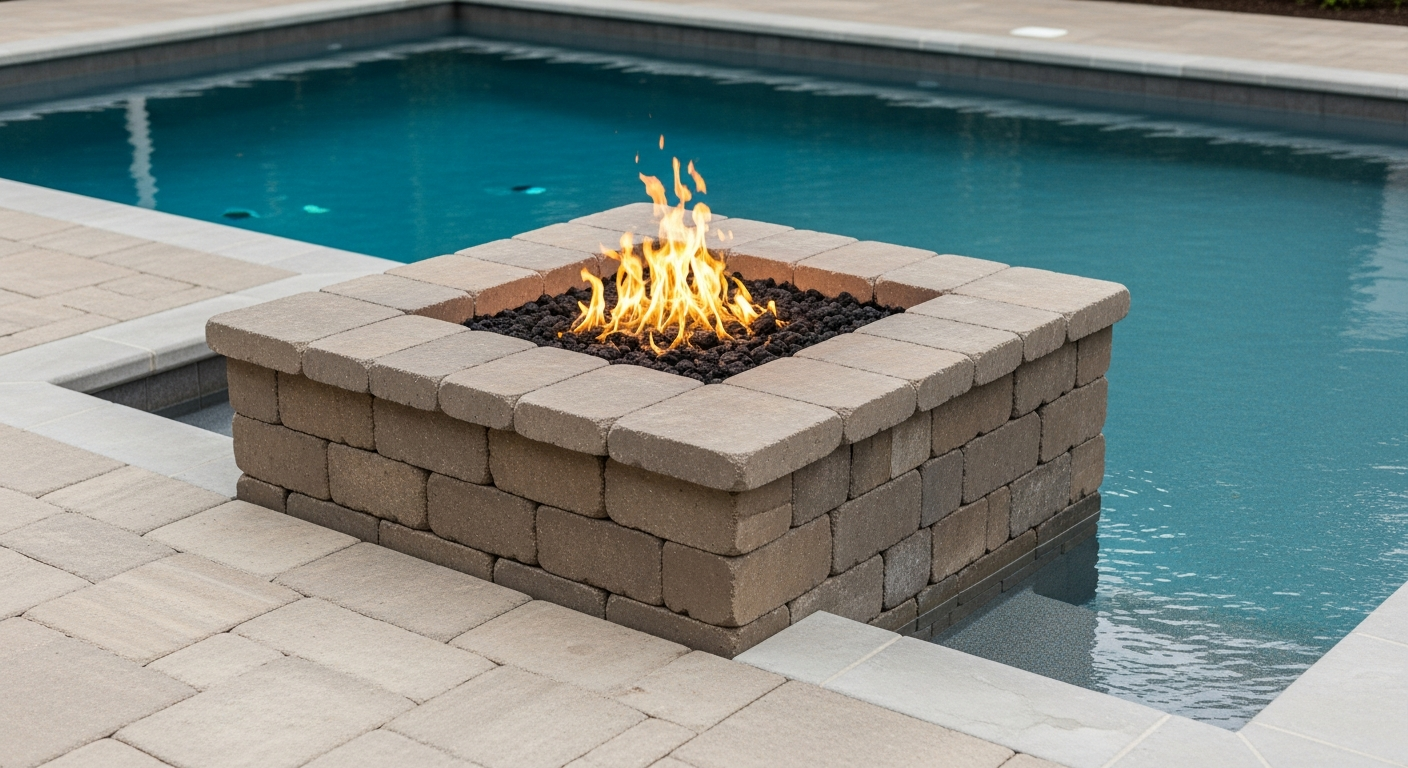
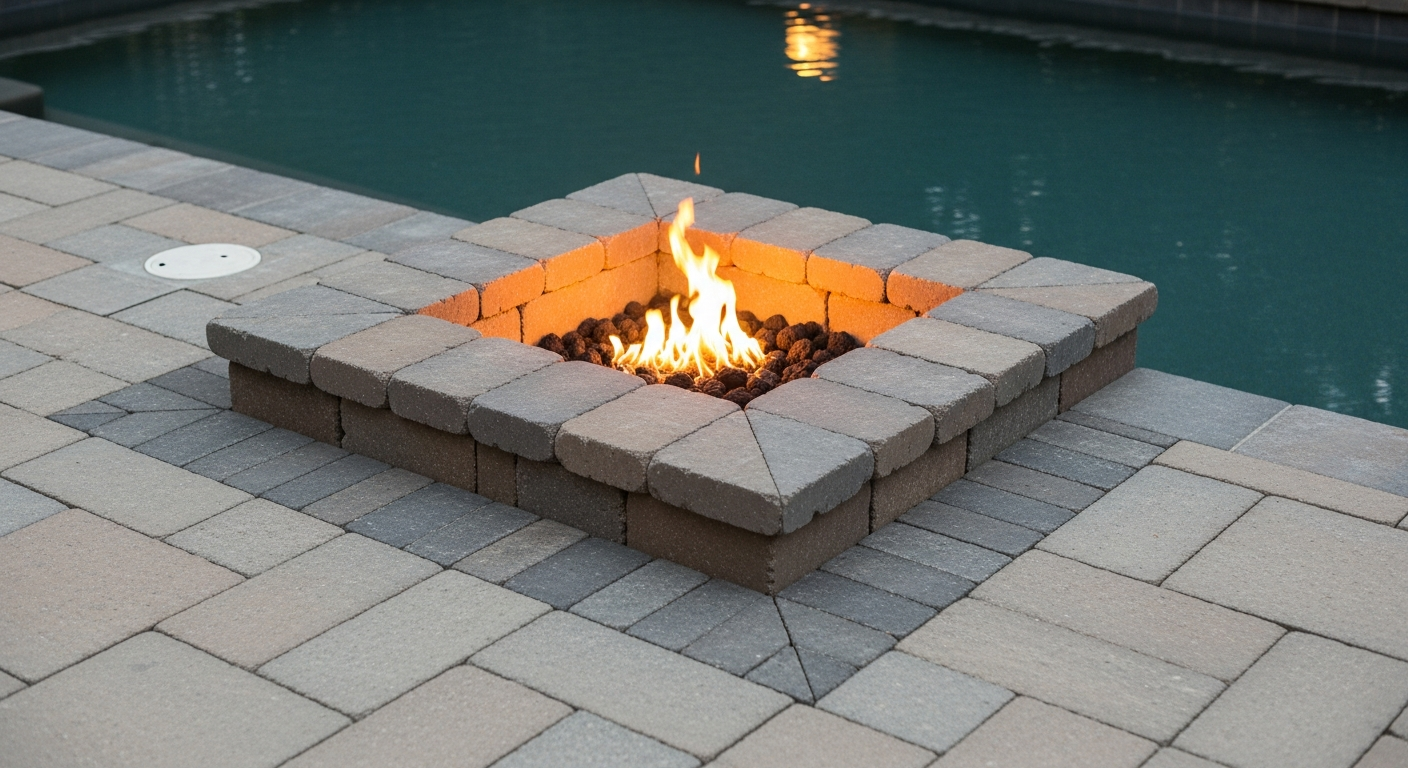
Fire pit kits are made from pre-cast, fire-rated concrete blocks that are engineered for safety and easy assembly. They are a reliable and cost-effective option. A custom-built fire pit using retaining wall blocks offers more design flexibility but carries a risk: if the blocks are not specifically fire-rated, they can crack or even explode when exposed to high heat. For safety and liability, I almost always recommend a manufactured, rated kit unless the custom build is being done by a highly experienced mason using the correct materials.