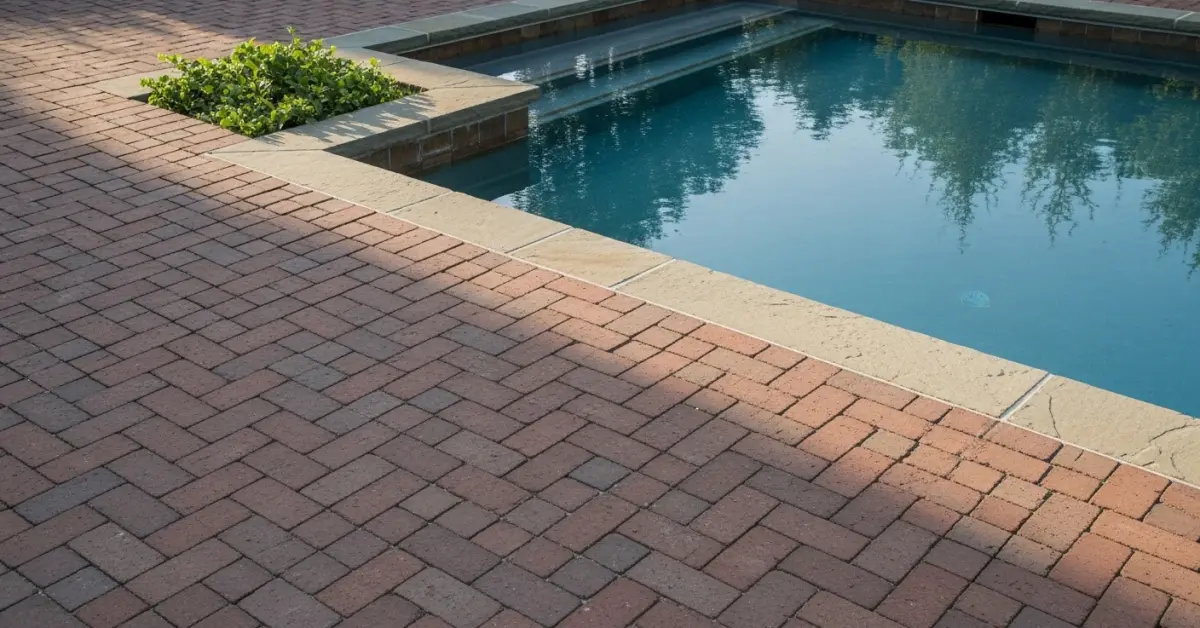
Executive Summary: Paver Installation in Sarasota
In my 15 years installing paver systems here, the most critical lesson is this: the Sarasota environment is uniquely
In my 15 years installing paver systems here, the most critical lesson is this: the Sarasota environment is uniquely hostile to improperly prepared paver bases. The combination of sandy, shifting soil and torrential downpours means that any shortcuts taken on excavation, base material compaction, and drainage will manifest as failure within 24 months. Homeowners often focus on the color and style of the paver—the visible part—while the long-term value is locked in the unseen foundation. A project's success is not in the brick, but in what lies beneath it.
- Sub-Base is Non-Negotiable: Standard 4-inch crushed gravel bases are often insufficient. For driveways on typical Sarasota soil, I plan for a 6-8 inch compacted sub-base to prevent subsidence.
- Drainage Engineering is Key: Permeability and proper slope (a minimum of 1/4 inch per foot) are not optional; they are essential to prevent water from undermining the base during our heavy rain season.
- HOA Pre-Approval is Mandatory: Communities like Lakewood Ranch or The Meadows have strict Architectural Review Committees. Starting work without written approval of the paver style, color, and layout is a gamble that can lead to a forced tear-out at the owner's expense.
- Sealant Choice Matters: High-UV-inhibitor, water-based sealants are better suited to our intense sun than many solvent-based products, which can yellow or flake. Re-sealing is a maintenance item every 2-3 years.
The Planning Failures That Haunt Sarasota Homeowners
The most common mistakes happen long before the first paver is laid. Homeowners, eager to get the project done, often overlook the foundational planning that separates a 20-year installation from one that needs major repairs in two years. The focus gravitates toward visible elements like paver color and pattern, which are important, but not what determines structural success.
Underestimating our soil is the primary error. Sarasota's ground is predominantly sandy and porous. A standard installation method that works in a region with clay soil will fail catastrophically here. Water percolates straight through, and without a properly engineered and compacted base, it washes away fine materials, creating voids that lead to sinking and shifting pavers. This is why you see so many wavy, uneven driveways and patios around town.
The Single Most Expensive Mistake: Skimping on the Base
The pattern I've seen play out dozens of times is a homeowner choosing a contractor based on a quote that's 15-20% lower than competitors. That cost savings is almost always achieved by reducing the depth and quality of the base preparation. The contractor might excavate 4 inches instead of the necessary 6-8 for a driveway, or use a cheaper, poorly graded base material. The devastating consequence is that this failure is invisible upon completion. The driveway looks perfect. But after one or two rainy seasons, settlement begins, and the repair—which involves removing all the pavers, excavating the failed base, and rebuilding it correctly—costs significantly more than doing it right the first time.
The Installation Process in Practice
A professional paver installation in Sarasota County is a multi-stage process governed by physics and local conditions. It starts with a detailed site assessment, not just measuring square footage, but analyzing drainage, soil type, and utility locations. The Florida Public Utilities locating service (811) must be called days in advance to mark underground lines—a step amateurs often skip.
Excavation is next, followed by the installation of the aggregate base, which is laid in lifts and compacted with a heavy-duty plate compactor until it's unyielding. This is the most critical, labor-intensive part of the job. A bedding layer of coarse sand comes next, screeded to a precise height. Pavers are then laid, cut to fit, and a border is installed with concrete reinforcement. Finally, joint sand is swept in and the entire surface is compacted again to lock everything in place.
Key Selection Criteria for Sarasota Homeowners
- Verify Sarasota County Contractor Registration: Beyond state licensing, ensure the installer is registered to work in Sarasota County. This is a local requirement that many out-of-town crews lack.
- Ask for Projects on Sandy Soil: Request addresses of completed jobs in areas with soil similar to yours (e.g., near the coast vs. inland) that are at least three years old. A new job always looks good; a three-year-old one tells the truth about their base work.
- Confirm their Drainage Plan: They should be able to explain exactly how they will manage water runoff, citing the specific slope and drainage methods they will use for your property.
- Inquire About Polymeric Sand: For our climate, using polymeric sand in the joints is superior to regular sand. When activated with water, it hardens, which drastically reduces weed growth and ant hills, a constant battle in Florida.
Brick Pavers vs. Poured Concrete and Other Alternatives
Homeowners often weigh pavers against traditional poured concrete or stamped concrete. While concrete can have a lower initial installation cost, the analysis changes when you factor in Sarasota's specific environmental and soil conditions. The flexibility of a paver system offers distinct long-term advantages here.
| Feature | Interlocking Brick Pavers | Poured Concrete Slab | Stamped Concrete |
|---|---|---|---|
| Repairability | Excellent. Individual pavers can be lifted and replaced to fix stains or access underground utilities. | Poor. Cracks are common due to soil shifting and are difficult and expensive to patch aesthetically. | Very Poor. Repairing cracks or damaged sections is nearly impossible to match to the original pattern and color. |
| Flexibility on Sandy Soil | High. The interlocking system allows for minor soil movement without cracking the entire surface. | Low. Prone to cracking as the unstable sandy soil settles or shifts beneath it. | Low. Shares the same cracking vulnerability as a standard poured slab, with added repair complexity. |
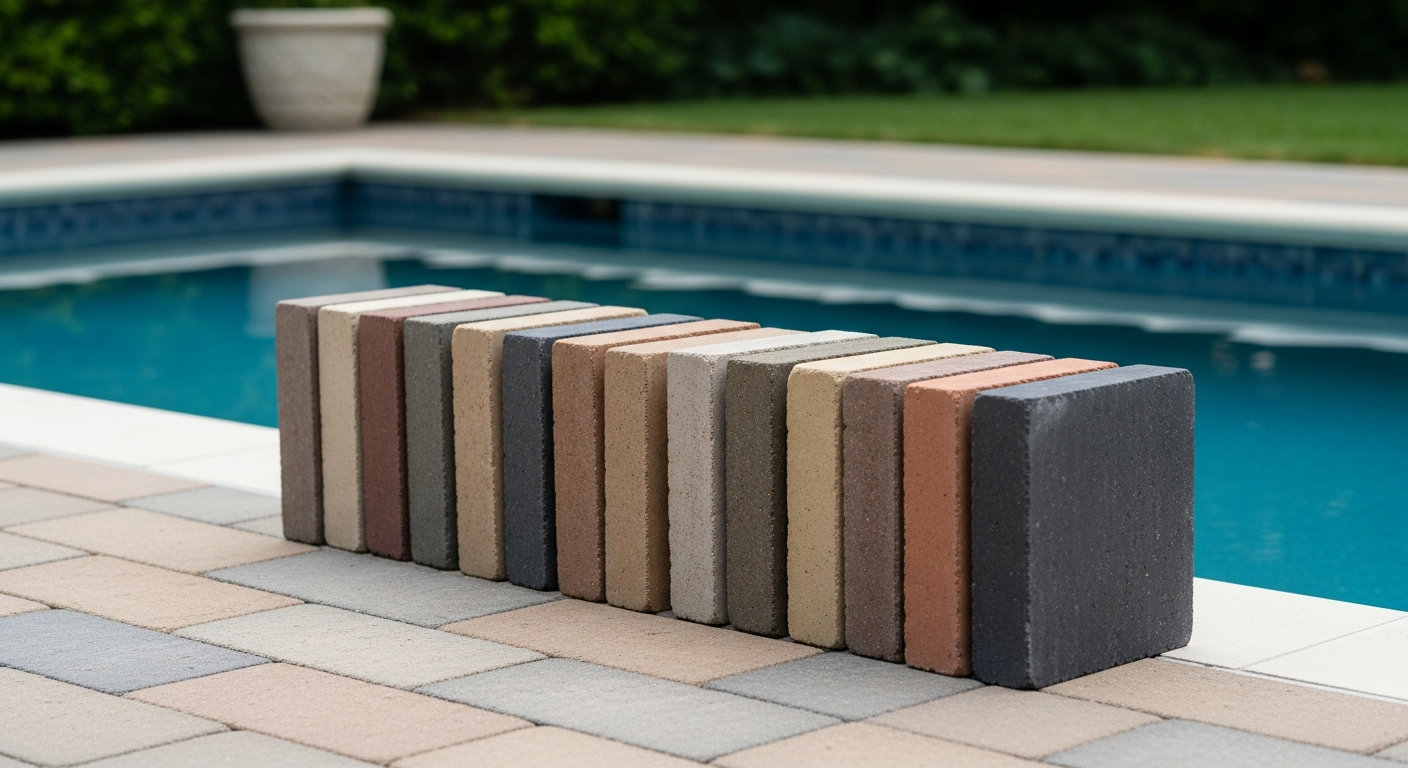
| Aesthetics & Customization | Vast options in color, shape, and pattern. Includes permeable options for better drainage. | Utilitarian and plain unless stained, which adds cost and maintenance. | Offers patterns and textures, but with a less authentic look and feel than individual pavers. |
| Upfront Cost | Higher. Typically $15 - $25 per square foot installed, depending on paver choice and site complexity. | Lower. Generally the most affordable option upfront. | Moderate. Costs fall between standard concrete and high-end pavers. |
When Pavers Are NOT the Right Choice
Despite their benefits, pavers are not always the ideal solution. If a property has severe, uncorrectable drainage issues or is in a flood-prone area designated by Sarasota County, the sheer volume of water could lead to recurring base washouts. In such a scenario, a professionally installed, reinforced concrete slab with deep footers might offer better long-term stability, even if it lacks the aesthetic appeal and repairability of pavers.
A Safe Hiring Checklist for Your Paver Project
Hiring the right installer is more important than picking the right paver. A great paver installed by a bad contractor will fail. A basic paver installed by a master craftsman will last for decades. Use this checklist to vet potential contractors in our specific market.
- Verify FL DBPR License: Check their license status on the Florida Department of Business and Professional Regulation website. They should have a Certified General, Building, or Residential Contractor license, or a specialty license if applicable.
- Request a Certificate of Insurance: They must provide proof of both General Liability and, crucially, Workers' Compensation insurance. If an uninsured worker gets injured on your property, you could be held liable.
- Review the Base Preparation Clause in the Contract: The contract must specify the depth of the excavation, the type and depth of the base material (e.g., "6 inches of compacted FDOT-approved base rock"), and the compaction method. Vague terms are a red flag.
- Ask About Leftover Materials: A professional crew will leave a small number of leftover pavers (the "attic stock") with you for future repairs. This ensures you have a perfect color and style match if a paver gets damaged years later.
- Check for ICPI Certification: While not legally required, certification from the Interlocking Concrete Pavement Institute (ICPI) indicates a contractor has been formally trained in industry best practices.
- Get a Written HOA Approval Contingency: Your contract should state that the project is contingent upon receiving written approval from your HOA's Architectural Review Committee.
Decisions That Ultimately Determine the Outcome
I once worked with a client in a South Gate neighborhood who was choosing between two bids for a new driveway. One was significantly cheaper. The lower-priced contractor proposed using "crushed shell" as a base, a common but often problematic choice in Florida. I explained that while shell can compact, it breaks down over time and doesn't provide the same long-term structural lock as graded aggregate rock. The client opted for the cheaper bid to save money upfront.
Two years later, I was called back. The driveway had developed severe rutting where the car tires sat, and weeds were growing everywhere. The shell base had failed. The decision to save about $2,000 initially resulted in a $12,000 project to remove everything and start over correctly. The most critical decision is investing in the unseen foundation. It's the difference between a short-term cosmetic fix and a long-term capital improvement to your home.
The Moment Most Homeowners Get It Wrong
The single moment of failure occurs during the proposal review. Homeowners tend to compare bids by looking at the total price and the picture of the paver. The right way is to ignore the final price initially and compare the scope of work line by line, specifically the details under "Base Preparation." Ask each contractor: "How many inches will you excavate? What material will you use for the base? How will you compact it?" The contractor who gives the most detailed, confident answer—not the cheapest one—is usually the right choice.
Practical Realities of Paver Work in Sarasota
Navigating a paver project involves more than just the physical work; it's about managing local regulations and site-specific challenges. Understanding these practicalities from the start prevents delays and unexpected costs.
Managing Sarasota County Permit Requirements
In Sarasota County, permits are generally not required for paver patios or walkways that are laid on grade (without a concrete foundation). However, a driveway installation that involves altering the curb or sidewalk apron absolutely requires a permit from the county's Public Works department. Furthermore, if the new paved area contributes to significant changes in stormwater runoff, additional reviews and permits may be triggered. Always verify with Sarasota County Planning and Development Services before starting.
HOA Architectural Reviews: The Real Gatekeeper
In communities from Palmer Ranch to University Park, the Homeowners Association (HOA) Architectural Review Committee (ARC) has the final say. They often have pre-approved color palettes and paver styles. Submitting a detailed plan, including a site drawing, paver samples, and your contractor's license information, is not optional. I've seen projects halted mid-installation because the homeowner failed to get prior written approval, leading to fines and costly delays.
The Impact of Florida's Rainy Season on Installation
Scheduling a paver installation between June and September requires an experienced crew. A sudden, intense downpour can wash out an uncompacted base or a freshly laid sand bed, compromising the entire project. A professional installer will check the forecast obsessively, work in manageable sections, and never leave a large area of excavated or un-compacted base exposed to the elements overnight. This often means projects take slightly longer during the summer, a reality that must be factored into the timeline.