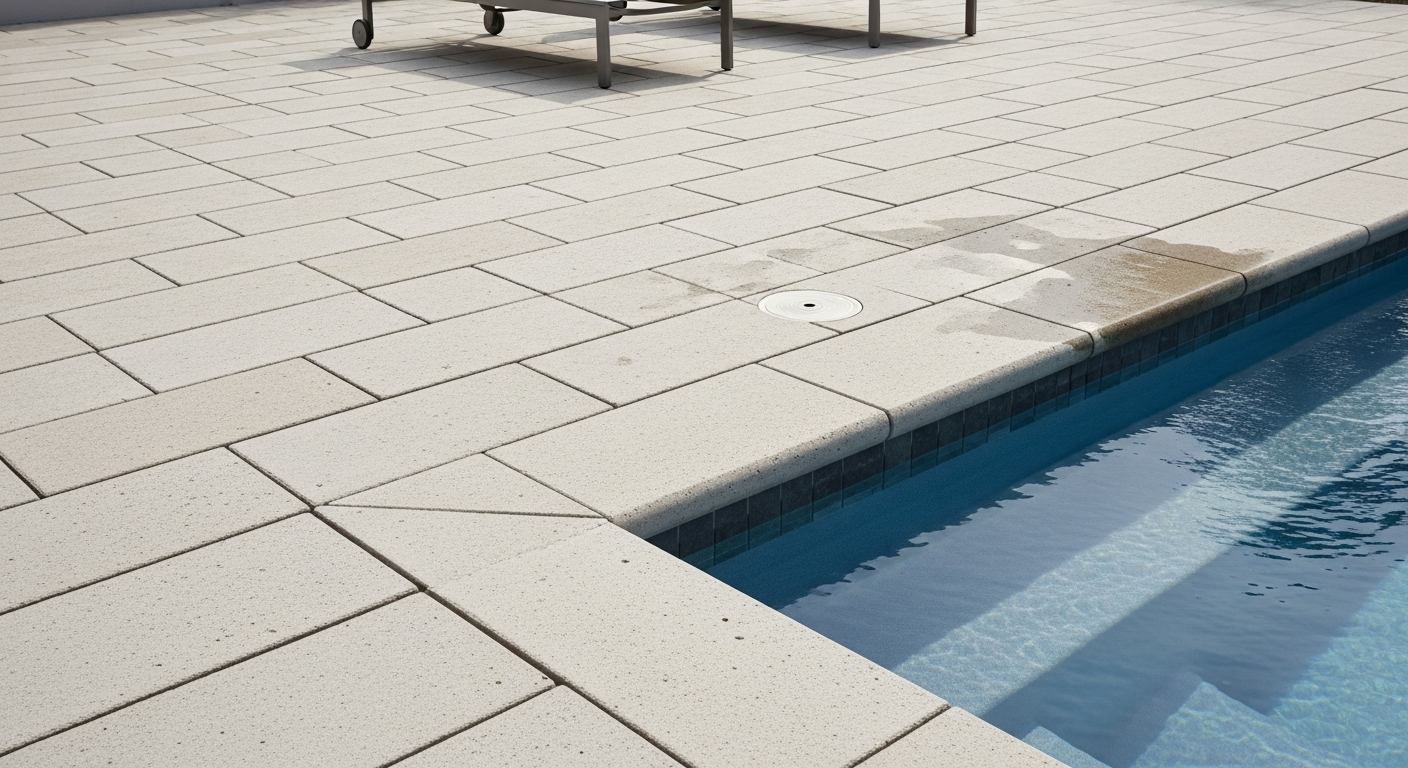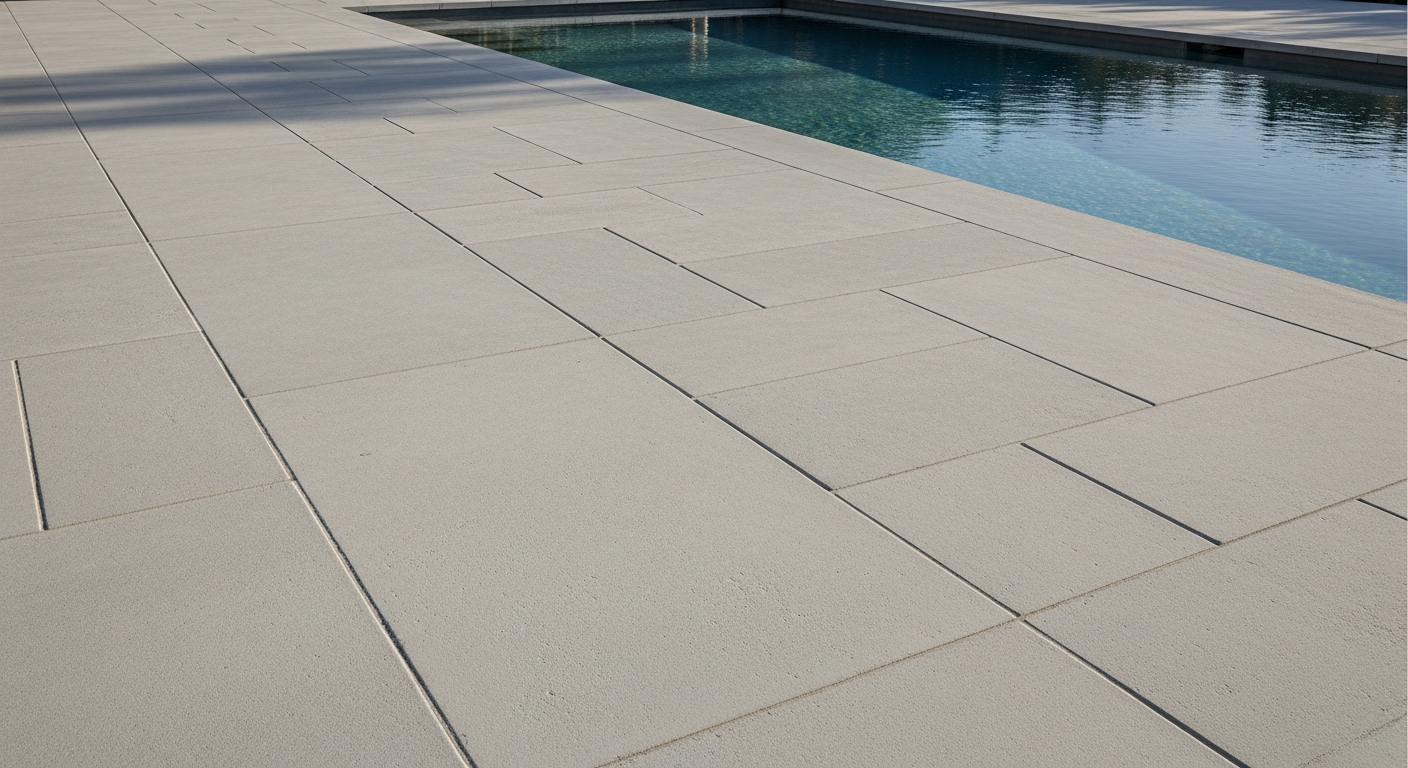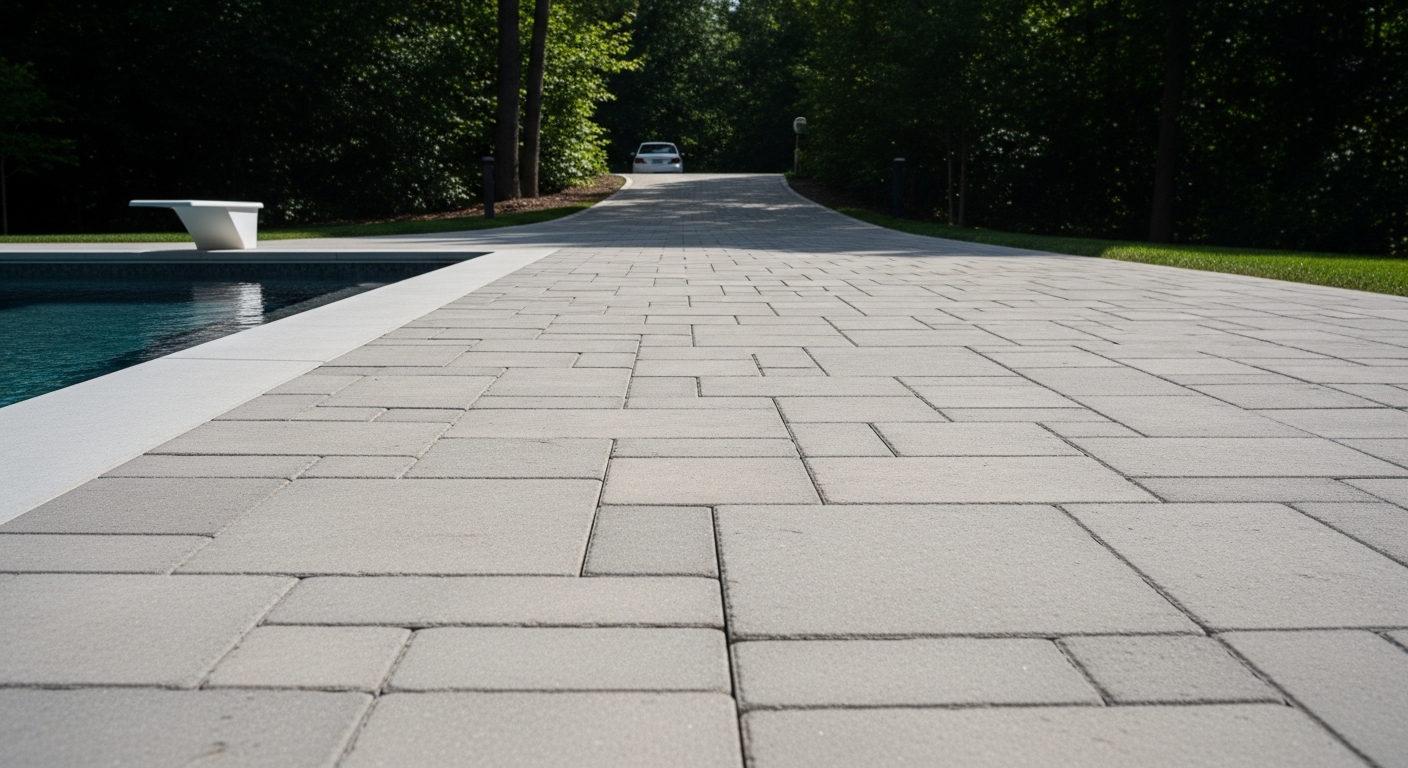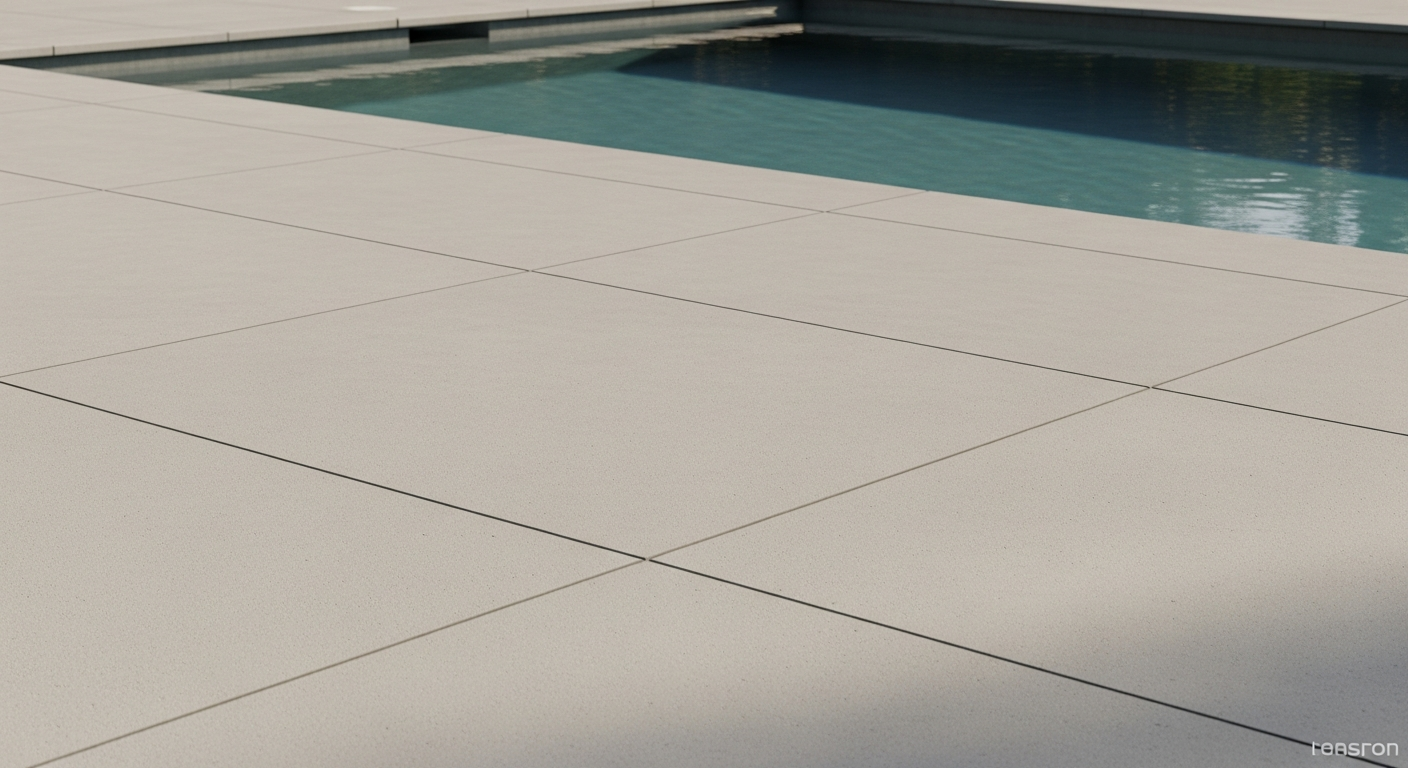
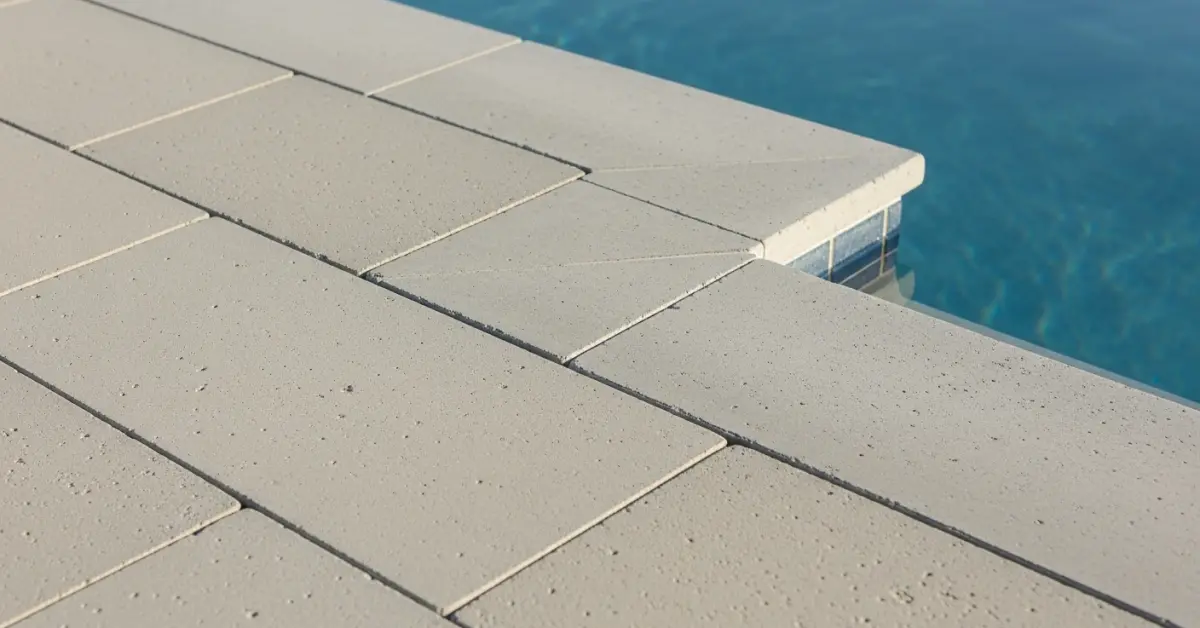
The biggest mistake I see with cement paver projects isn't picking the wrong color; it's assuming the paver itself is the most important part of the job. In Sarasota, the project's success is determined by what’s underneath—the base—and whether it was engineered to handle our specific combination of sandy soil, high water table, and torrential downpours. A beautiful, expensive paver on a poorly prepared base is a guaranteed failure waiting to happen, often within the first 24 months.
From my years installing hardscapes from The Landings to Lakewood Ranch, the pattern is clear: long-term paver
From my years installing hardscapes from The Landings to Lakewood Ranch, the pattern is clear: long-term paver performance in this region is 80% about the base preparation and 20% about the paver itself. Homeowners often get fixated on the look of smooth concrete or interlocking pavers and overlook the technical specifications for the sub-base, jointing sand, and sealant required to combat efflorescence and prevent sinking. The key is to plan for water from the moment we break ground.
- Base Compaction: The sandy soil requires a minimum 6-inch compacted base of crushed concrete or limestone screenings (FDOT #89 or similar), not just sand.
- Drainage and Slope: A non-negotiable 1/4-inch slope per foot away from the home's foundation is critical to manage storm runoff.
- Jointing Sand: Polymeric sand is the standard here; it hardens to resist weed growth and washout from heavy rains.
- Sealing: A high-quality, UV-resistant, breathable solvent-based sealer is essential to protect against color fading from the intense Florida sun and to resist salt spray in coastal areas.
The Planning Failures That Haunt Sarasota Paver Projects
The most common failures I'm called to fix stem from decisions made long before the first paver is laid. Homeowners, focused on the final look, often underestimate the technical demands of our environment. They approve proposals based on the lowest cost per square foot, not realizing that price is almost always achieved by cutting corners on the base material and compaction depth.
Another frequent issue is ignoring HOA guidelines until it's too late. Communities like Palmer Ranch have stringent rules on paver color palettes and styles. I’ve seen projects halted mid-installation because the selected aggregate pavers weren't on the approved list, forcing a complete and costly tear-out. Verifying with the Architectural Review Board (ARB) is step one, not an afterthought.
The Most Expensive Failure: Ignoring Hydrostatic Pressure
The costliest mistake is failing to account for hydrostatic pressure from our high water table. A contractor who lays a standard base without considering drainage can inadvertently create a system where groundwater pushes upward during the rainy season. This pressure lifts pavers, causing uneven surfaces and catastrophic shifting. The only fix is a complete removal of the pavers and a rebuild of the base with proper drainage, effectively doubling the project's cost. I saw this happen on a large driveway project near Phillipi Creek; the beautiful interlocking paver pattern was ruined in less than a year because the installer treated our sandy, water-logged soil like stable clay found up north.
The Installation Process for Our Unique Climate
A paver installation here is a battle against water and soil instability. The process begins with an excavation of at least 8 to 10 inches to remove organic topsoil and sand. Then, a geotextile fabric is laid down to separate the native soil from the new base material, preventing them from mixing over time and compromising the foundation.
Next, we build the base in 2 to 3-inch lifts, compacting each layer with a heavy-duty plate compactor. This is where many crews fail; they dump all 6 inches of rock at once and run the compactor over the top, leaving the bottom layers loose. Proper compaction is what prevents the sinking and shifting that plagues so many Sarasota driveways and patios. Only after the base is perfectly graded and compacted do we lay the bedding sand and the pavers themselves.
Paver Selection Criteria for Sarasota Homeowners
- Color Fade Resistance: Ask for pavers manufactured with high-quality, iron oxide pigments and a proven track record in high-UV environments. Lighter colors tend to show less fading over time.
- HOA Compliance: Get written approval from your HOA's ARB before purchasing materials. Bring physical samples to the review meeting.
- Salt Tolerance: If you live on Siesta Key, Longboat Key, or anywhere near the bay, confirm the pavers have a low water absorption rate to resist salt degradation.
- Traffic Load: For a driveway, insist on pavers at least 60mm (2 3/8 inches) thick. Thinner pavers are suitable for patios and walkways only.
Comparing Pavers to Other Surface Options in Sarasota
When deciding on a surface for a driveway or patio, it's crucial to weigh the options against our local conditions. Cement pavers, while having a higher upfront cost, offer significant long-term advantages in repairability and aesthetic flexibility compared to poured concrete or asphalt.
| Indicator | Cement Pavers | Poured Concrete | Asphalt |
|---|---|---|---|
| Upfront Cost | High | Medium | Low |
| Durability & Repairability | Excellent (replace individual pavers) | Poor (cracks are difficult to repair seamlessly) | Poor (requires frequent sealing and patching) |
| Heat Reflection | Good (lighter colors stay cooler) | Fair | Poor (absorbs and radiates heat) |
| HOA Acceptance | High (often preferred) | Varies (often seen as basic) | Low (rarely approved for driveways in upscale communities) |
When Pavers Are Not the Right Choice
Despite their benefits, pavers aren't always the best solution. If your property has significant issues with large, invasive tree roots (like from a mature oak tree), the constant upward pressure can make maintaining a level paver surface a recurring and frustrating battle. In such cases, a reinforced, poured concrete slab with deep footers might be a more stable, albeit less decorative, long-term solution.
A Safe Hiring Checklist for Your Paver Project
Vetting a paver contractor in Florida goes beyond checking online reviews. The market is filled with crews who can lay a pretty pattern but lack the technical knowledge for a durable installation. Protecting your investment requires due diligence.
- Verify their license with the Florida Department of Business and Professional Regulation (DBPR). A handyman license is not sufficient for structural hardscape work.
- Confirm they carry both General Liability and, crucially, Workers' Compensation insurance. Ask to see the certificates.
- Request addresses of local projects they completed over five years ago. This allows you to see how their work holds up to our sun and rain over time.
- Ensure the contract specifies the exact type and depth of the base material (e.g., "6 inches of compacted FDOT #89 crushed concrete").
- Check if they are familiar with Sarasota County's permitting process for driveways that encroach on the public right-of-way, which often requires a permit.
- Ask specifically how they manage site drainage and how they will ensure a proper slope away from your home's foundation.
- Clarify if the price includes removal of excavated soil, all materials, labor, and final site cleanup.
Decisions That Determine the Final Outcome
The single most important decision is choosing a contractor who prioritizes the base over the paver. During the consultation, listen for how much time they spend talking about excavation depth, base material, compaction, and drainage. If they focus solely on paver colors and patterns, it's a red flag.
Another critical choice is the sealant. Many homeowners opt out to save money, which is a significant mistake here. Unsealed pavers will stain easily, fade faster, and the joint sand will wash out. Investing in a high-quality, two-coat professional sealing job upon completion is the best money you can spend to protect the entire system.
The Exact Moment Most Homeowners Get It Wrong
The critical error happens during the proposal review. Homeowners line up three quotes and instinctively gravitate toward the lowest or middle bid, assuming all contractors are building the same thing underneath. They are not. The moment you choose a bid without interrogating the contractor on their base preparation methodology—specifically asking how many inches they excavate and how they compact the base—is the moment the project's long-term success is put at risk. A lower price almost always means less base material and less time spent on compaction.
Practical Realities of Installing Pavers in Sarasota
Navigating a paver project involves more than just the physical work; it means dealing with local regulations and environmental factors. From permitting quirks to HOA approvals, understanding the landscape is key to a smooth process.
Navigating Sarasota County's Right-of-Way Permits
If your driveway project alters the apron—the part that connects to the public street—you will likely need a Right-of-Way (ROW) Use Permit from Sarasota County. The process involves submitting a site plan and can take several weeks for approval. An experienced local contractor will know these requirements and handle the application for you, but it's something you must confirm is included in their scope of work.
HOA Architectural Review: The Biggest Bottleneck
In communities like Lakewood Ranch or The Isles, the Homeowners Association's Architectural Review Board (ARB) is the ultimate authority. Submitting your project for approval can be a slow process, sometimes taking 30 to 60 days. You must provide samples of the exact paver (manufacturer, style, and color) and a site plan. Starting work without written approval can result in fines and a stop-work order.
Managing Efflorescence in Our Humid Climate
Efflorescence, that white, chalky haze that can appear on new pavers, is a major concern in Florida's high-humidity environment. It's a natural phenomenon caused by mineral salts migrating to the surface. A knowledgeable installer will advise you to wait 30-60 days after installation before sealing. This allows the pavers to cure and any initial efflorescence to appear, which can then be professionally cleaned before the sealer is applied, trapping the beauty in, not the haze.