Sarasota Paver Cleaning: An Executive Summary
From my years working on paver patios from Palmer Ranch to the barrier islands, the single biggest misconception about
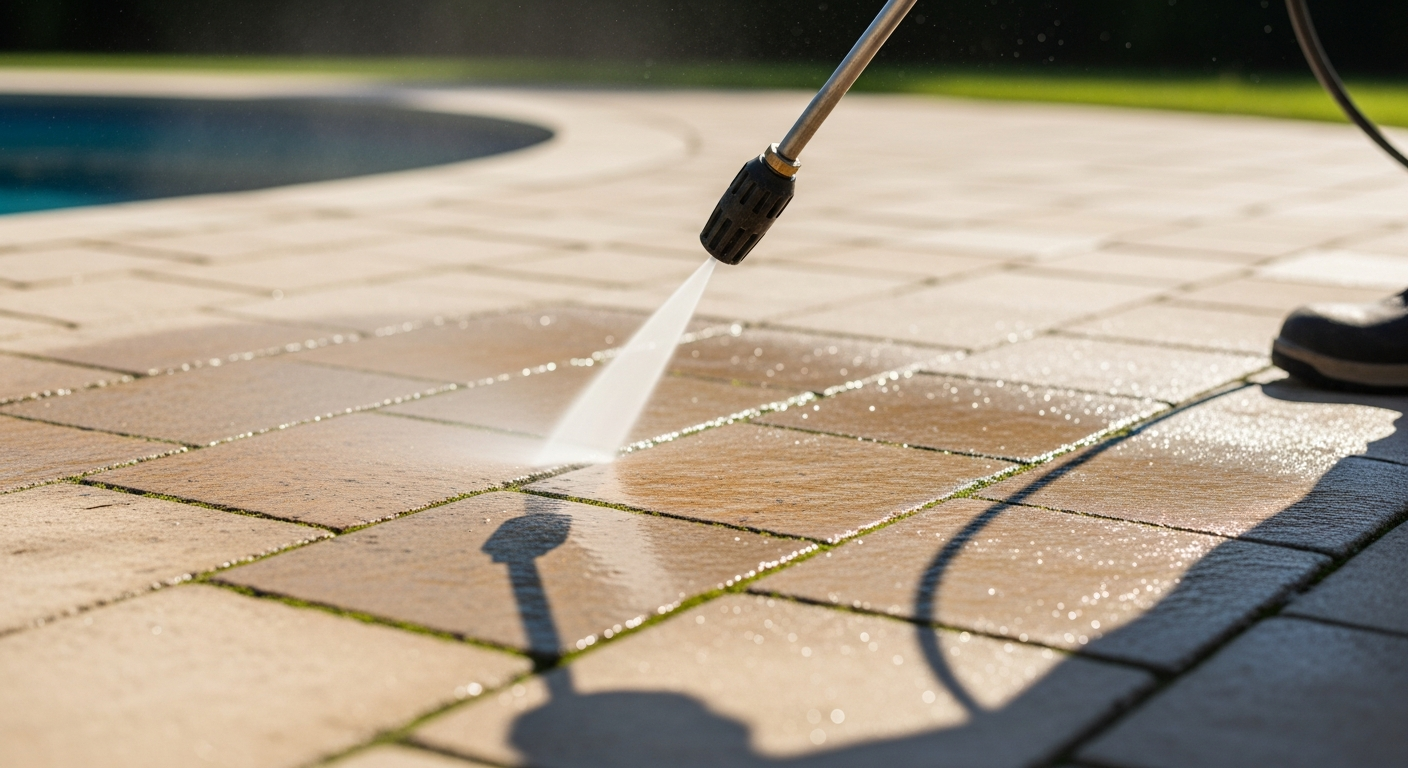
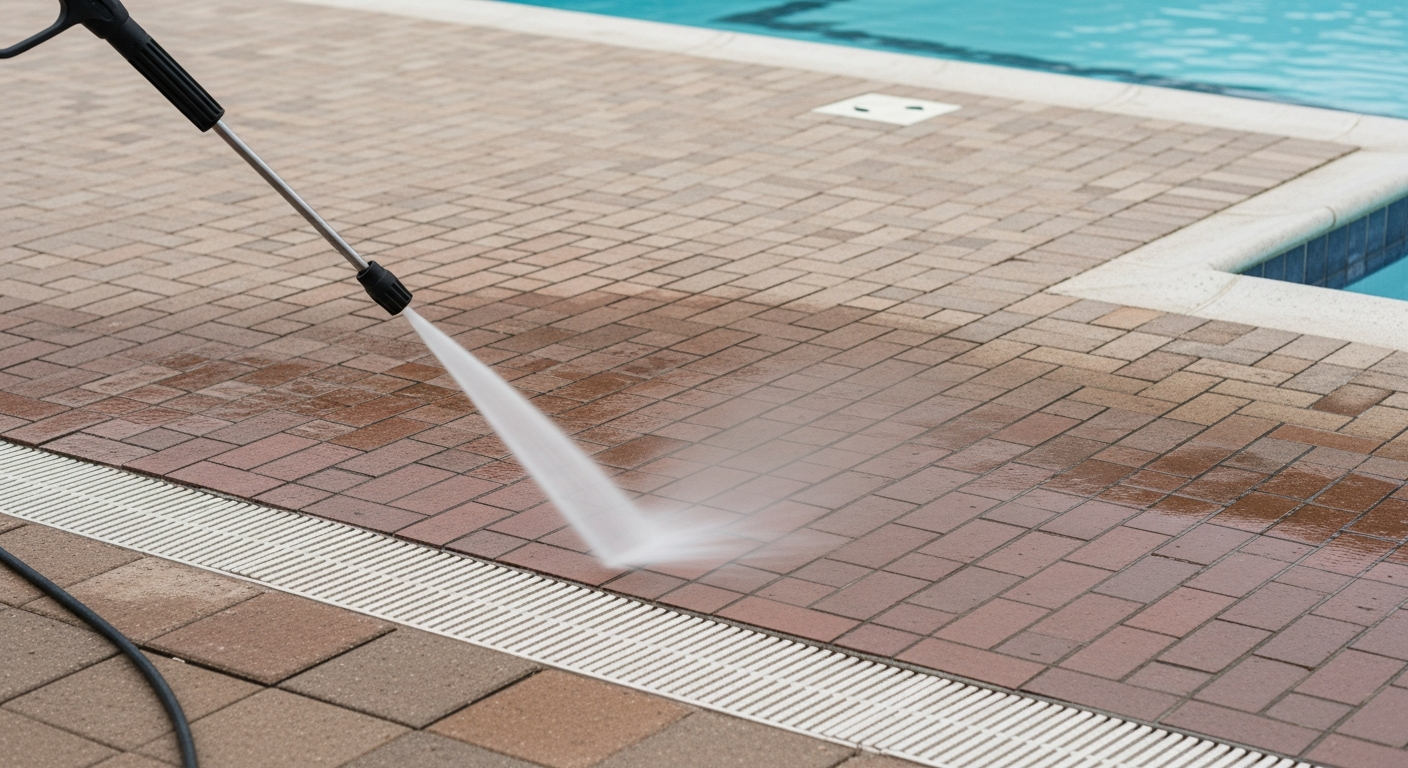
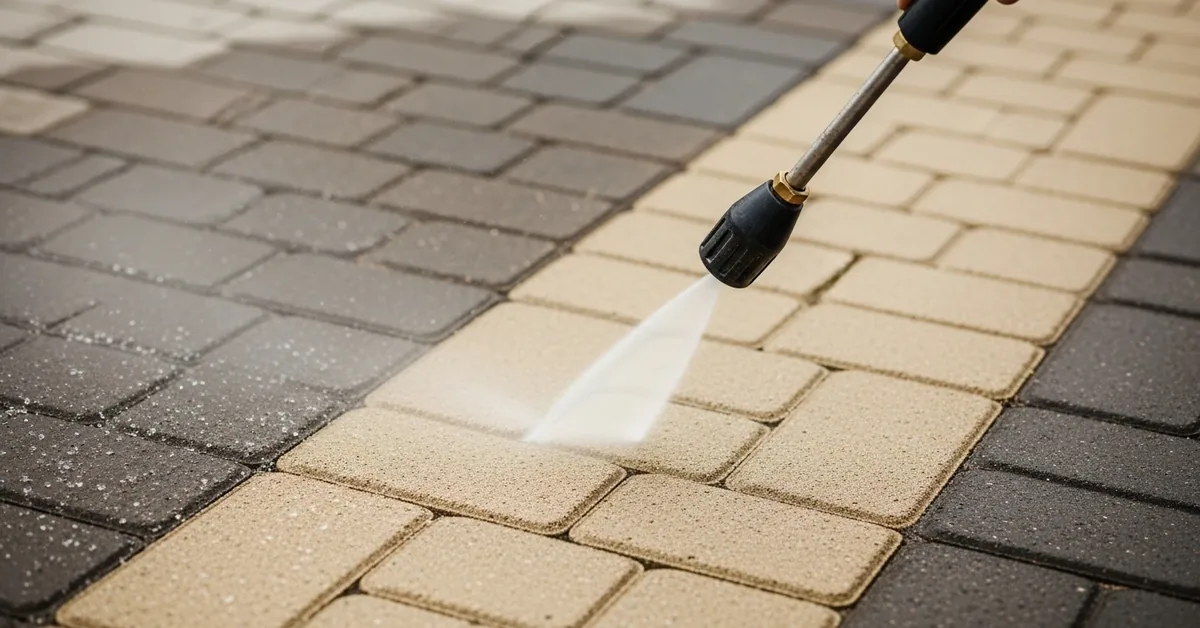
From my years working on paver patios from Palmer Ranch to the barrier islands, the single biggest misconception about power washing in Sarasota is that more pressure equals a better clean. The opposite is true. Our humid, salt-laden air creates a perfect breeding ground for stubborn black mold and green algae, which requires a specific chemical treatment and low-pressure rinse, not a high-pressure blast. Aggressive pressure washing here doesn't just fail to kill the organic growth at its root; it actively damages the paver's surface and, most critically, blows out the joint sand that locks the entire system together.
- The Problem is Biological: The discoloration on Sarasota pavers is primarily organic (mold, algae). High pressure only shears off the top layer, leaving the roots intact to regrow within months.
- Joint Sand is Structural: The sand between your pavers provides interlock and stability. Blasting it out with a high-PSI stream is the fastest way to create wobbly, uneven surfaces.
- Efflorescence is a Chemical Issue: The white, chalky haze common here is mineral salt (efflorescence) pushed out by moisture. It requires a specific acidic cleaner, not just water pressure.
- Sealing is Non-Negotiable: In our climate, unsealed pavers are a porous sponge for moisture and stains. A proper cleaning job must be followed by re-sanding and the application of a quality sealant.
The Planning Failures That Lead to Damaged Pavers
The most common failure I see originates before the power washer is even turned on: treating the job as a simple “pressure cleaning” task instead of a multi-step restoration process. Homeowners get a low-cost quote for a quick wash, and the provider delivers exactly that, causing more harm than good. They fail to budget for the essential follow-up steps, creating a cycle of cleaning and degradation.
The Most Expensive Failure: Ignoring the Joint Sand
I was called to a property in The Landings where the homeowner had hired a cheap “splash and dash” crew a month prior. The pavers on their lanai were already loose, and weeds were pushing through the joints. The previous company had used a high-pressure turbo nozzle, which not only failed to kill the mold but also blasted nearly all the polymeric sand out from between the pavers. Rainwater was now seeping directly into the base layer, compromising the foundation of the entire patio. The “savings” of a few hundred dollars on the initial clean resulted in a repair bill of over $2,000 to re-level sections and properly re-sand and seal the entire area.
The Professional Process for Sarasota's Climate
A proper paver cleaning and sealing project is methodical and addresses the specific challenges of our local environment. It's not a one-hour job. The process involves killing the organic growth, cleaning the surface without damaging it, and then protecting it from future assault by sun, rain, and salt.
Key Steps for a Lasting Result
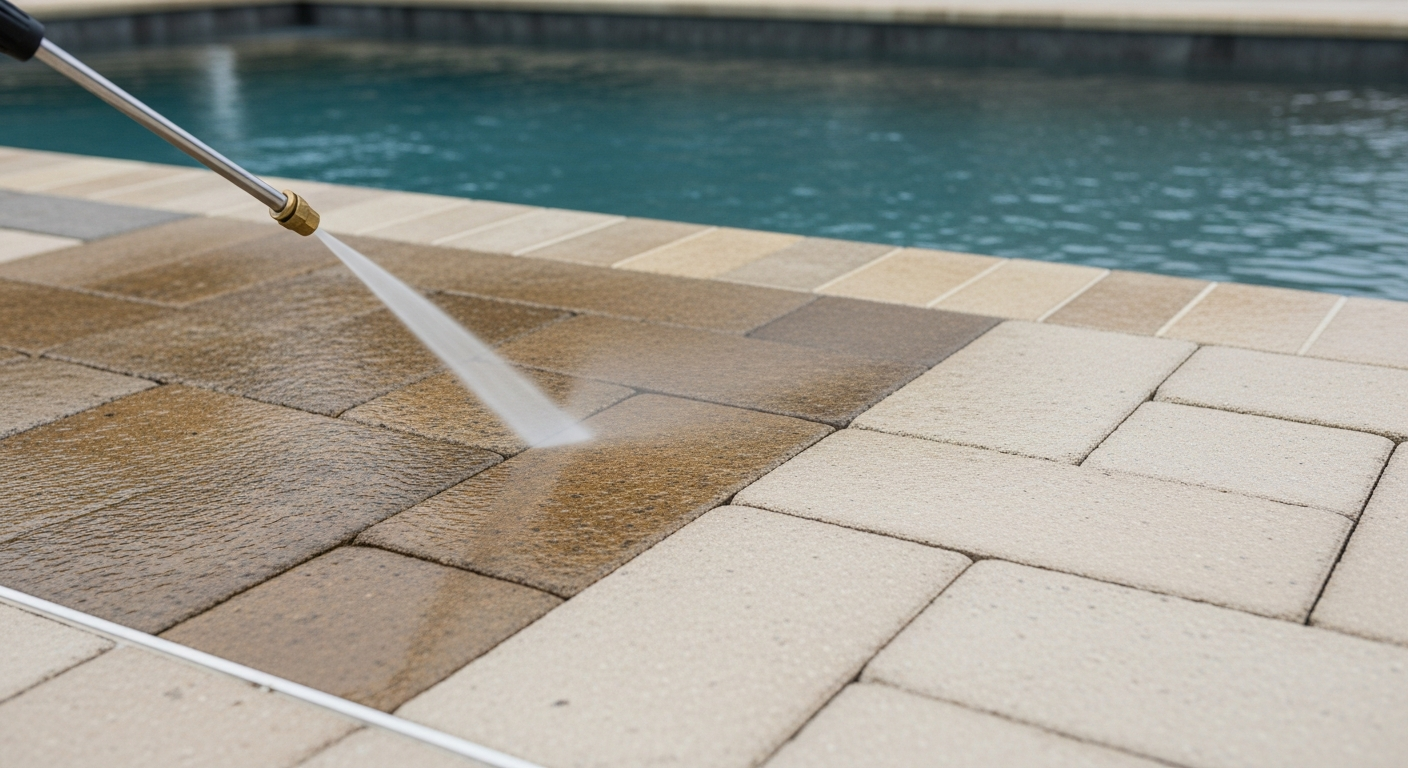
- Pre-Treatment Application: The first step is always applying a professional-grade outdoor paver cleaner, typically a sodium hypochlorite solution, to kill mold, mildew, and algae at the root. This allows the subsequent cleaning to be done with much lower pressure.
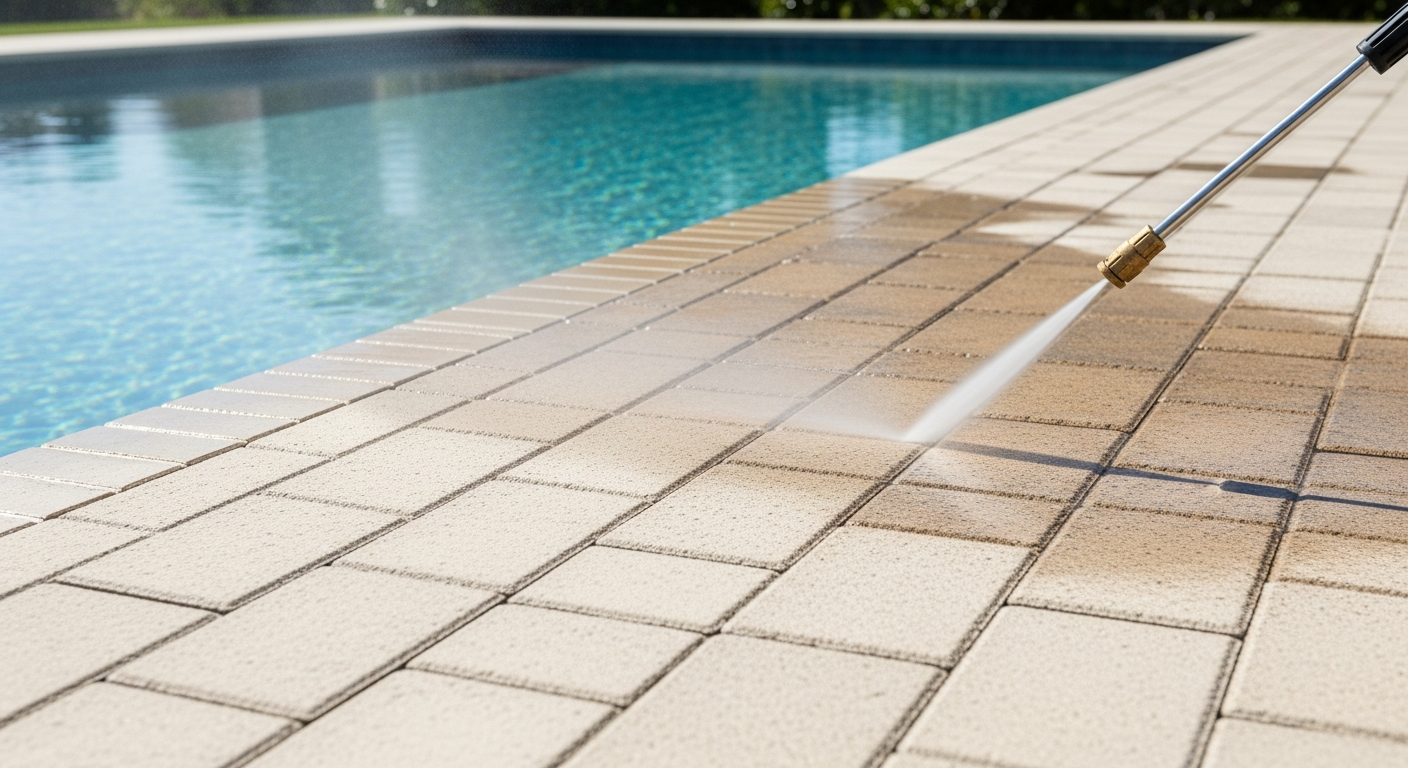
- Low-Pressure, High-Volume Rinse: Using a surface cleaner attachment with the correct fan-pattern nozzles is crucial. This tool distributes pressure evenly, cleaning the paving stones without etching the surface or dislodging the base sand from the joints.
- Joint Sand Installation: After the pavers are completely dry—which can take a full day in Sarasota's humidity—new polymeric sand is swept into the joints. This sand contains a binder that hardens when wet, locking pavers in place and preventing weed growth.
- Sealer Application: Two coats of a high-quality, non-slip sealer are applied. This protects against UV fading, salt damage, and stains, while also making future cleaning much easier.
Power Washing vs. Alternative Cleaning Methods
While professional power washing (correctly termed soft washing for this application) is the most effective method, homeowners sometimes consider other options. Understanding the trade-offs is key to making an informed decision for your Sarasota property.
| Method | Effectiveness on Mold/Algae | Joint Sand Impact | Long-Term Protection |
|---|---|---|---|
| Professional Soft Wash & Seal | Excellent (kills at root) | Minimal (if done correctly) | Excellent (sealer provides barrier) |
| DIY High-Pressure Washing | Poor (surface level only) | Severe (blasts sand out) | None (can increase porosity) |
| Scrubbing with Cleaner | Fair (labor intensive) | Minimal | None |
When Professional Cleaning Isn't the Right Choice
There is one scenario where I advise clients to hold off: if the pavers are already severely shifted, sunken, or have a failing base. Cleaning and sealing a structurally unsound patio is a waste of money. The underlying issue—poor base installation or drainage problems—must be addressed first. A reputable contractor will diagnose this and recommend a repair, not just a cleaning.
Safe Hiring Checklist for Paver Specialists
Hiring the right company in Sarasota County involves more than just comparing prices. You are entrusting them with an expensive component of your home's exterior. Verifying their qualifications and process is essential to avoid costly mistakes.
- Confirm They Are Licensed and Insured: Ask for proof of general liability and workers' compensation insurance. Florida requires specific licenses for certain contracting work; while pressure washing itself has low regulation, any paver repair or sealing work falls under stricter rules.
- Ask About Their Chemical Process: A professional will be able to explain exactly what type of paver cleaner they use to kill organic growth and why. If their only tool is high pressure, they are not the right choice for our climate.
- Verify They Include Re-Sanding and Sealing: A quote that doesn't explicitly include the cost of new polymeric sand and two coats of sealer is incomplete. This is not an optional add-on; it is a required part of the job.
- Inquire About Their Pressure and Equipment: They should talk about using a surface cleaner attachment and pressures below 2,500 PSI for the rinse. Mention of a “turbo” or “red tip” nozzle for general cleaning is a major red flag.
- Check for Local References: Ask for addresses of recent projects in neighborhoods like Siesta Key or Lakewood Ranch. Seeing their finished work is the best indicator of quality.
Decisions That Determine the Outcome
The success of your paver cleaning project hinges on two key decisions: choosing the right process over the lowest price, and committing to the full restoration, not just a partial clean. I have seen countless homeowners opt for a cheap pressure wash, only to call me a year later when the mold is back worse than before and their paver joints are full of weeds.
The Moment Most Homeowners Get It Wrong
The critical mistake happens at the quoting stage. A homeowner receives three quotes: two are comprehensive (clean, re-sand, seal) and priced accordingly, while one is significantly cheaper for a “power wash” only. The temptation to save money is powerful. The correct decision is to discard the low outlier immediately. That low price is not a bargain; it is an admission that they are skipping the steps—sanding and sealing—that provide 90% of the long-term value and protection for your investment.
Practical Answers for Operating in Sarasota
Navigating the specifics of property maintenance in Sarasota involves understanding local expectations and environmental factors. Power washing pavers is no exception, with considerations that go beyond the technical work itself.
Managing Water Runoff and Plant Protection
Sarasota County has regulations regarding runoff into storm drains. A professional crew must manage their water and chemical runoff, often using barriers or reclamation systems. They must also thoroughly wet down and cover all adjacent landscaping, as the cleaning solutions required to kill mold can be harmful to delicate Florida foliage.
HOA Compliance in Planned Communities
In communities like Lakewood Ranch or Palmer Ranch, Homeowners Associations have strict standards for exterior appearance. A dirty, mold-covered driveway or lanai can result in a violation notice and fines, typically starting around $100. When hiring a contractor, ensure their work meets HOA standards and that the project, especially if it involves color-tinted sealers, does not require prior architectural review.
The Impact of Salt Air on Sealer Longevity
For properties west of I-75, and especially on the barrier islands like Longboat Key or Siesta Key, salt air is a major factor. Salt spray accelerates the breakdown of lower-quality sealants. When getting quotes, it's critical to specify a high-solids, salt-resistant acrylic sealer. While it may cost more upfront, it will extend the life of the protection from the typical 2-3 years to 4-5 years, representing significant long-term savings.