Executive Summary: Granite Pavers in Sarasota's Environment
From my years installing hardscapes across Sarasota County, the success of a granite paver project hinges less on the
From my years installing hardscapes across Sarasota County, the success of a granite paver project hinges less on the stone's origin and more on its finish and installation method, specifically adapted for our coastal conditions. Homeowners often focus on color, but the real long-term performance factors are heat absorption, slip resistance when wet, and the installer's understanding of our sandy, shifting soil. A poorly executed project here doesn't just look bad; it becomes a safety and structural liability within a few years.
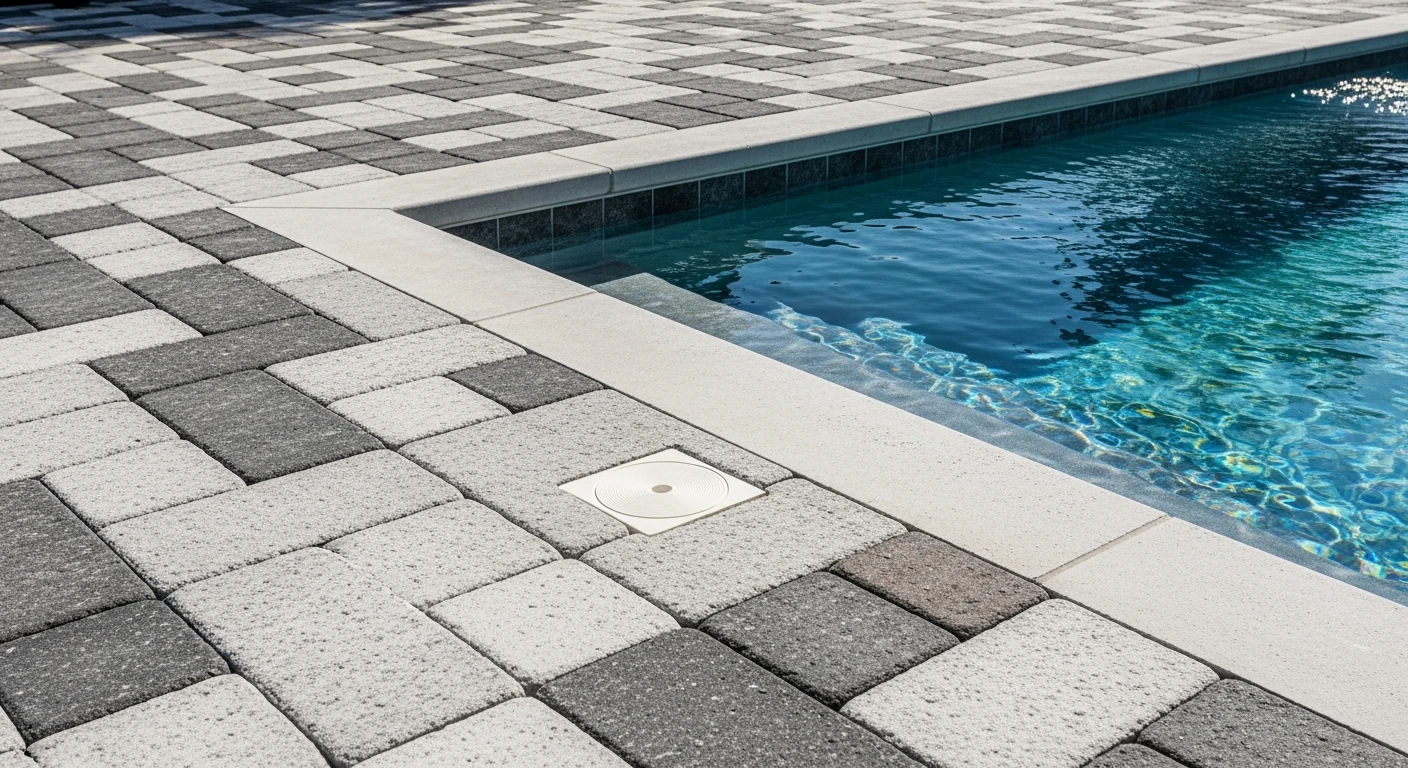
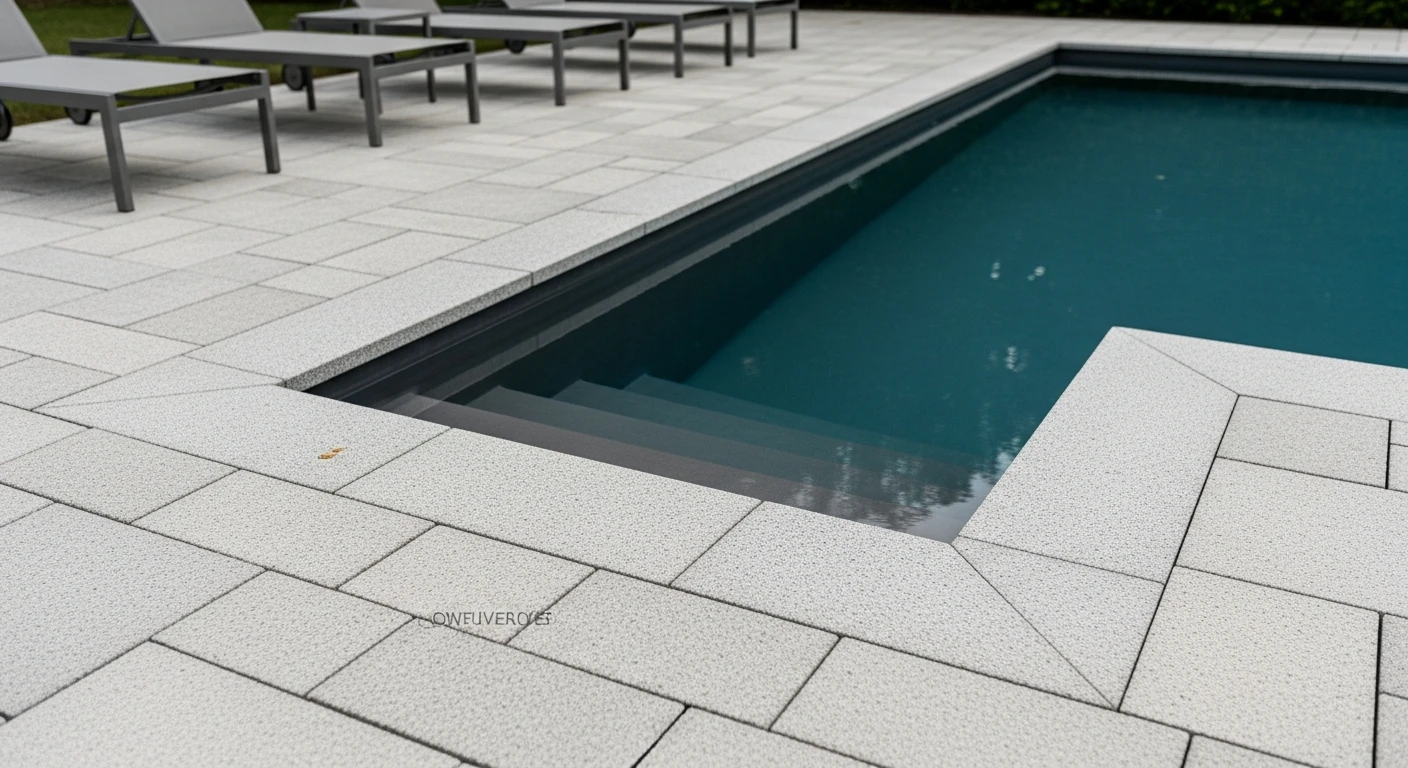
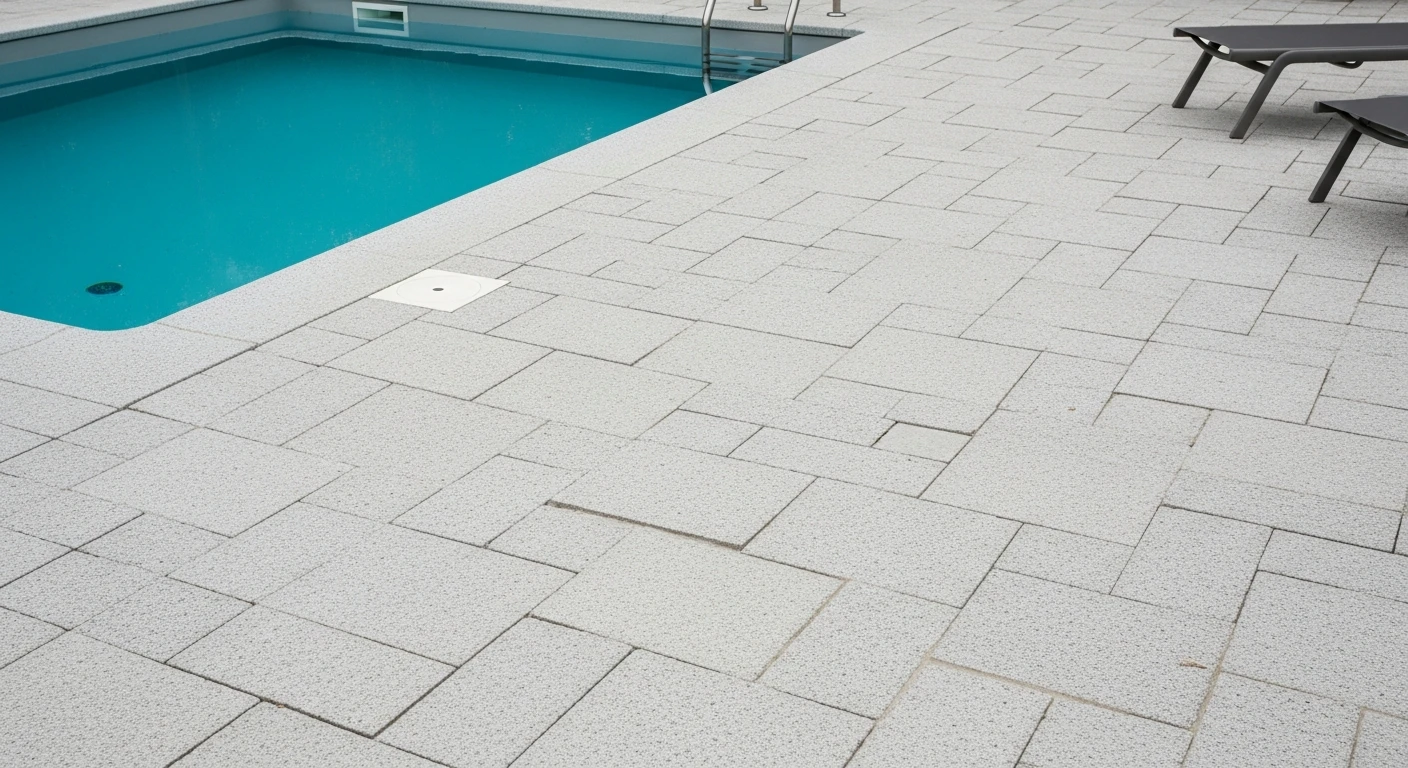
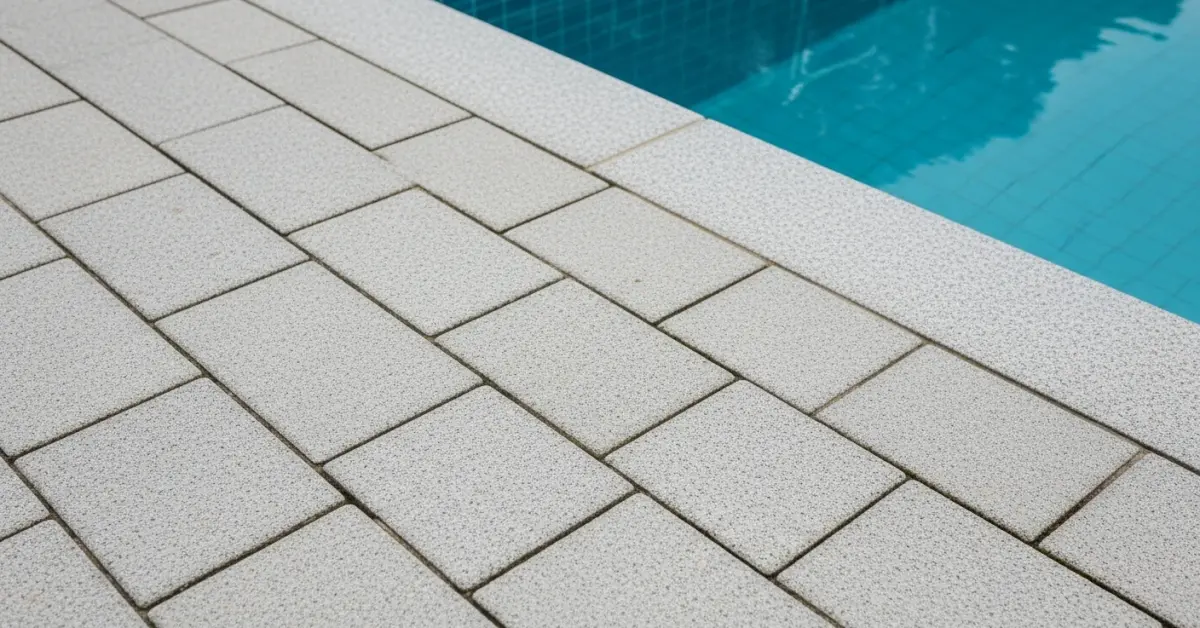
- Climate-Specific Finish: A flamed or thermal finish is non-negotiable for pool decks and walkways in Sarasota to ensure slip resistance during our daily summer downpours.
- Saltwater Tolerance: For properties west of the Trail or on the Keys, selecting a dense, low-porosity granite and using a high-quality impregnating sealer is critical to prevent salt efflorescence and pitting.
- Base Preparation is Key: The standard 4-inch compacted base is often insufficient for Sarasota's sandy soil, especially for driveways. I specify a minimum of 6-8 inches of compacted aggregate base (#57 stone and screenings) to prevent settling.
- HOA Compliance: Most high-end communities require submittal of paver samples and color palettes to an Architectural Review Board (ARB). Starting work without written approval can result in fines upwards of $1,000 and a tear-out order.
The Critical Errors in Granite Paver Planning
The most common mistakes I see are not in the choice of granite itself, but in the assumptions made during the planning phase. Homeowners get excited about the beauty of granite cobblestone or large-format pavers but overlook the technical requirements unique to our Florida climate, leading to disappointment and unexpected costs.
The Single Most Expensive Planning Failure: Ignoring Heat Retention
The costliest error I've witnessed involves selecting dark-colored, polished, or honed granite for a full-sun pool deck. A client in an Osprey waterfront home chose a beautiful, near-black polished granite. Despite my warnings, the aesthetic appeal won. The result? The surface became dangerously hot, regularly exceeding 140°F in the summer sun, making it unusable for bare feet. The mistake wasn't just the color, but the combination of a dark color with a smooth, heat-absorbing finish. They ultimately had to spend thousands on large outdoor rugs just to make the area functional, completely defeating the purpose of showcasing the stone.
The Installation Process for Granite Pavers in Practice
A proper granite paver installation in Sarasota is a multi-stage process that goes far beyond just laying stones. It involves careful site preparation, meticulous base construction, and adherence to local building practices to ensure longevity against hydrostatic pressure and soil movement. The process is far more involved than a simple concrete paver job.
Key Selection Criteria for Sarasota Homeowners
When you're vetting installers, your questions should be specific to our local challenges. Here's what I recommend you focus on:
- Base Compaction Method: Ask for their specific process. The right answer involves compacting the sub-grade, then laying and compacting the aggregate base in 2-4 inch "lifts" (layers), not all at once.
- Drainage Plan: Where will water go during a 3-inch-per-hour summer storm? A professional plan will incorporate proper slope (a minimum of 1/4 inch per foot) and may include channel drains, especially around pool areas.
- Edge Restraint System: How will they lock the pavers in place? In our sandy soil, cheap plastic edging can fail. Concrete bond beams are the superior, long-term solution for driveways and large patios.
- Jointing Sand and Sealer: Will they use standard sand or polymeric sand? For granite, high-quality polymeric sand is essential to lock joints and prevent weed growth. They must also recommend a breathable, impregnating sealer, not a cheap acrylic topcoat that will yellow in the Florida sun.
Comparing Granite to Other Paver Options in Sarasota
Granite is a premium choice, and it's crucial to understand its value proposition against other popular materials in our market, like travertine and concrete pavers. The decision often comes down to balancing upfront cost with long-term durability and maintenance requirements.
| Feature | Granite Pavers | Travertine Pavers | Concrete Pavers |
|---|---|---|---|
| Upfront Cost | Highest | Moderate to High | Lowest |
| Durability & Stain Resistance | Exceptional | Good (but porous) | Fair (prone to fading/stains) |
| Heat Retention (Sun Exposure) | Moderate to High (Color Dependent) | Low (Stays coolest) | High (Especially dark colors) |
| Saltwater Tolerance | Excellent (with proper sealing) | Fair (can degrade without sealing) | Poor (prone to efflorescence/spalling) |
When Granite Isn't the Right Choice
I advise against granite pavers in one specific scenario: when the budget is extremely tight and forces compromises on the installation base. A premium stone on a poorly prepared base is a complete waste of money. In such cases, a homeowner is far better off choosing a high-quality concrete paver installed correctly than a discounted granite paver on a rushed, shallow base. The foundation is more critical than the surface material.
A Safe Hiring Checklist for Your Paver Project
Vetting a contractor in Florida's crowded market requires diligence. Many crews can lay pavers, but few understand the specific engineering needed for granite hardscapes in our unique soil and climate conditions. A mistake here can lead to a project that fails in less than five years.
- Verify Florida Contractor License: Check for a state-certified or registered license with the Florida Department of Business and Professional Regulation (DBPR). A simple handyman license is insufficient for structural paver work.
- Request a Certificate of Insurance: They must have both General Liability and, crucially, Workers' Compensation insurance. Ask for the certificate to be sent directly from their insurance agent to you.
- Demand a Detailed, Itemized Quote: The proposal should specify base depth, materials used (e.g., #57 stone), edge restraint type, jointing sand type, and sealer brand. Vague terms like "standard base" are a red flag.
- Review a Portfolio of Local Granite Work: Don't just look at pictures. Ask for addresses of projects completed over three years ago in Sarasota or Bradenton to see how their work holds up over time.
- Confirm They Handle Permitting: For any significant hardscape addition or driveway, a permit from Sarasota County or the relevant municipality is often required. Ensure the contractor is responsible for pulling the permit.
- Ask About Their Warranty: A reputable installer will offer at least a 2-3 year warranty on their workmanship, separate from the material warranty from the granite supplier.
The Decisions That Define a Successful Outcome
Over the years, I've seen that the difference between a stunning, permanent granite installation and a problematic one comes down to a few key decisions made before a single stone is laid. These choices are about function and longevity, not just initial appearance.
The Moment Most Homeowners Get It Wrong
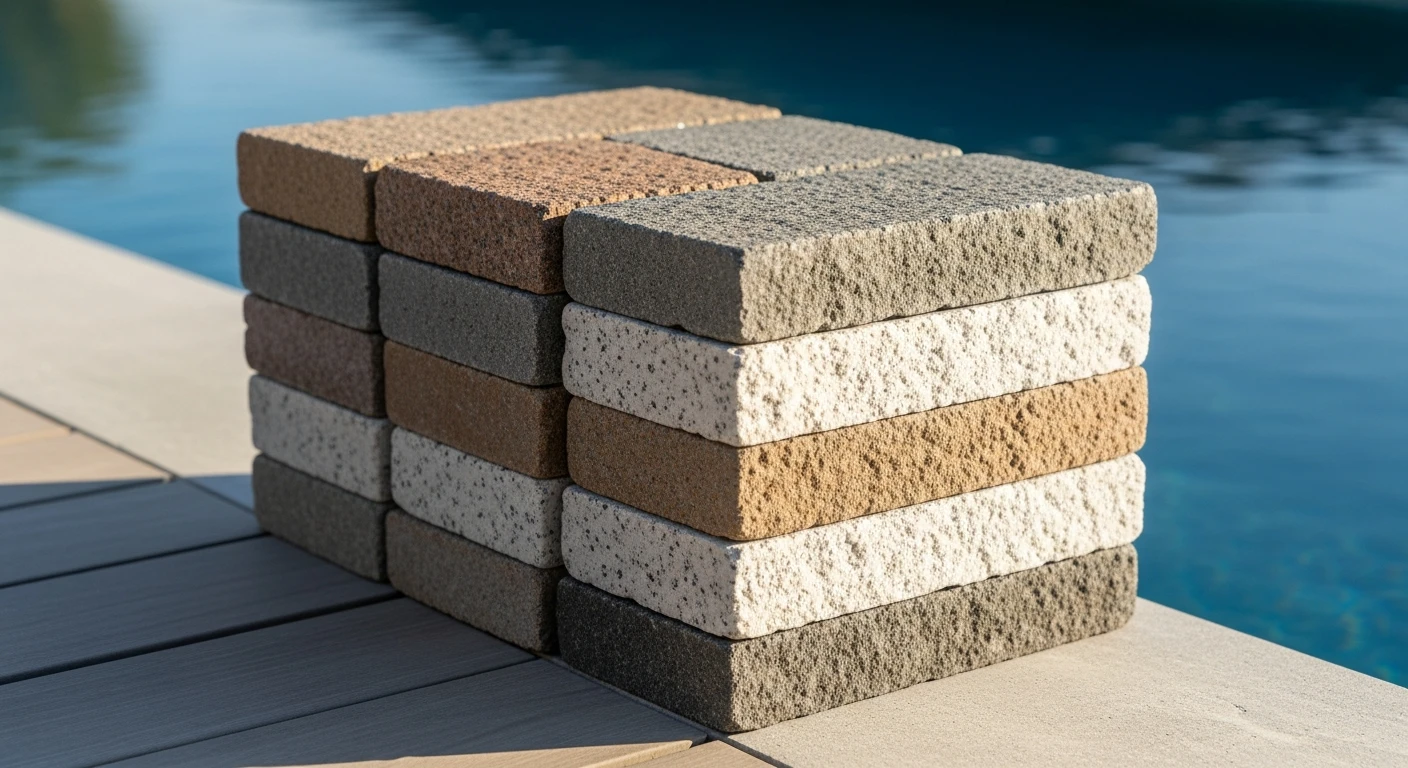
The critical mistake happens when homeowners treat granite like a simple flooring choice, focusing solely on samples in a showroom. They fall in love with a color or pattern without asking how that specific stone performs in real-world Sarasota conditions. The most important decision is choosing the finish *before* the color. Start by deciding between a flamed, sandblasted, or brushed finish for non-slip texture, and only then look at the color options available in that functional finish. This reverses the typical selection process but guarantees safety and usability.
Practical Answers for Installing Pavers in Sarasota
Navigating the local regulations and environmental factors is a non-negotiable part of any major hardscaping project here. These are the practical hurdles that can delay or derail a project if not addressed upfront.
Do I Need a Permit for Granite Pavers in Sarasota County?
Yes, in many cases. While replacing a few pavers might not, installing a new driveway, a large patio, or any hardscape that alters property drainage typically requires a permit from Sarasota County Planning and Development Services. The trigger is often the total area of impervious surface being added. Your contractor should know the exact thresholds and manage the entire submittal process.
How Do Sarasota HOAs Regulate Paver Installations?
Most planned communities have strict covenants. Before you even get a quote, you need a copy of your community's architectural guidelines. They often dictate paver color palettes, patterns (e.g., no herringbone), and even the type of edge restraint allowed. Submitting a full application with a site plan and material samples to the ARB and getting written approval is a mandatory first step. Work started without it will be shut down.
What's Different About a Base for Granite Driveway Pavers Here?
Our sandy, low-density soil requires a more robust base than in other parts of the country, especially for a granite driveway that will support vehicle weight. A standard 4-6 inch base is often inadequate. For a driveway with granite cobblestone or pavers, I will not warranty the work without a geo-textile fabric separator over the sub-grade, followed by a minimum of 8 inches of compacted #57 stone and a final 1-inch bedding sand layer. This prevents the base from sinking into the sand over time.