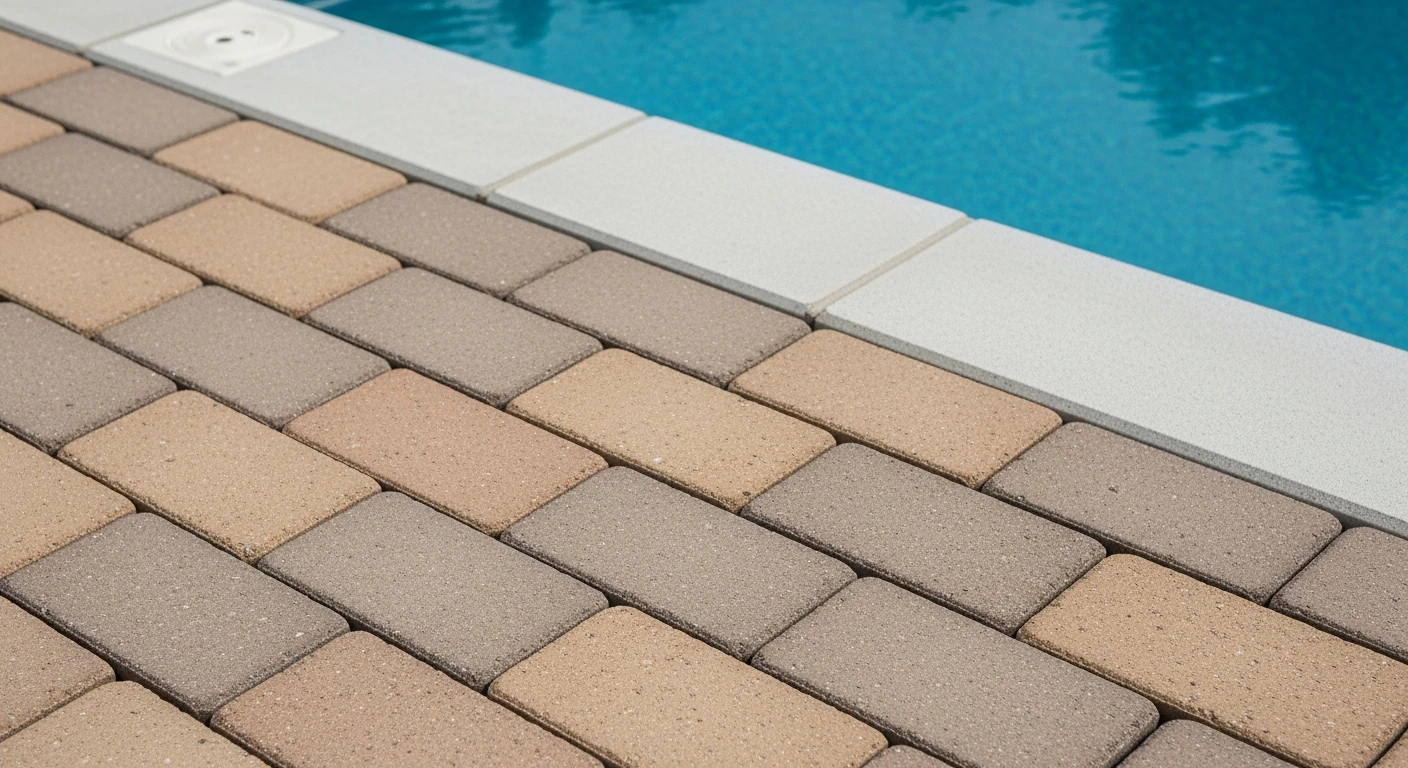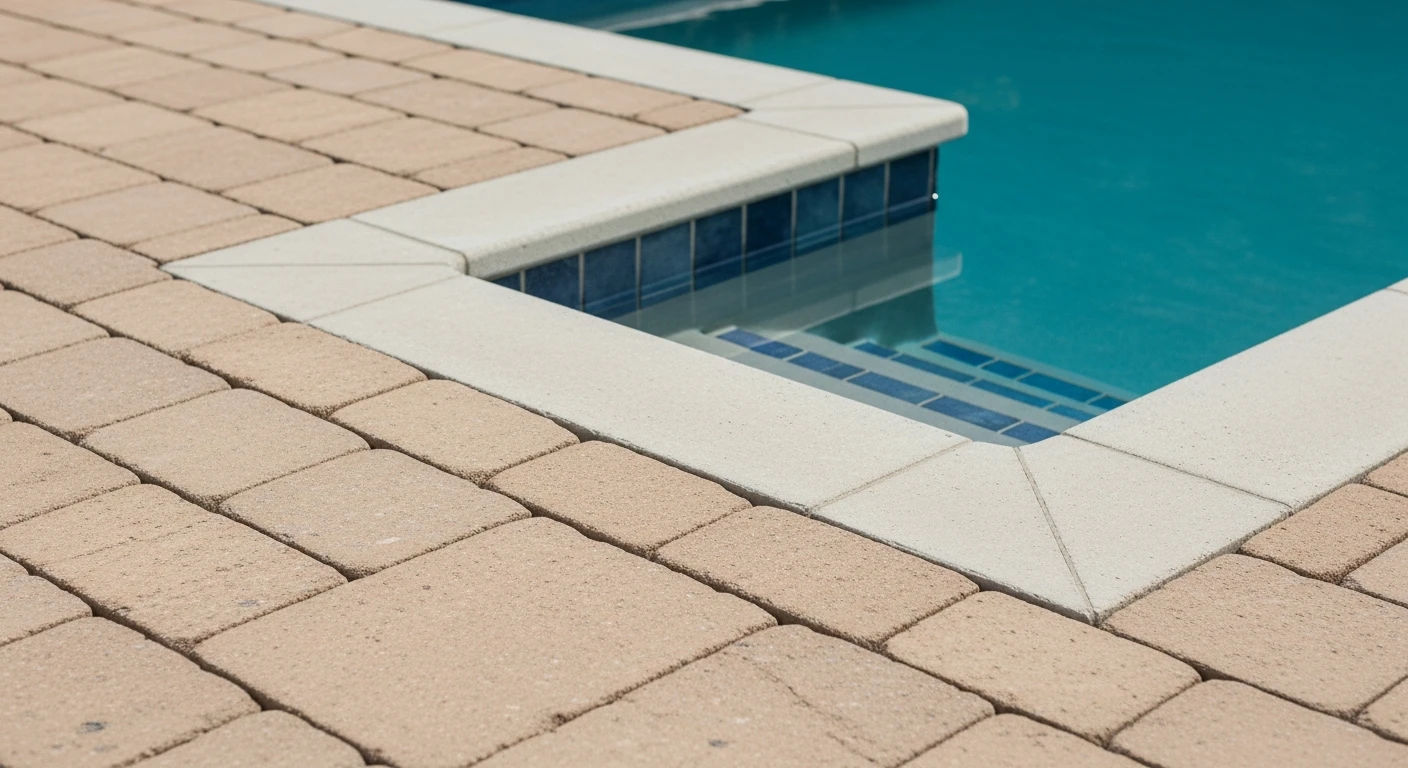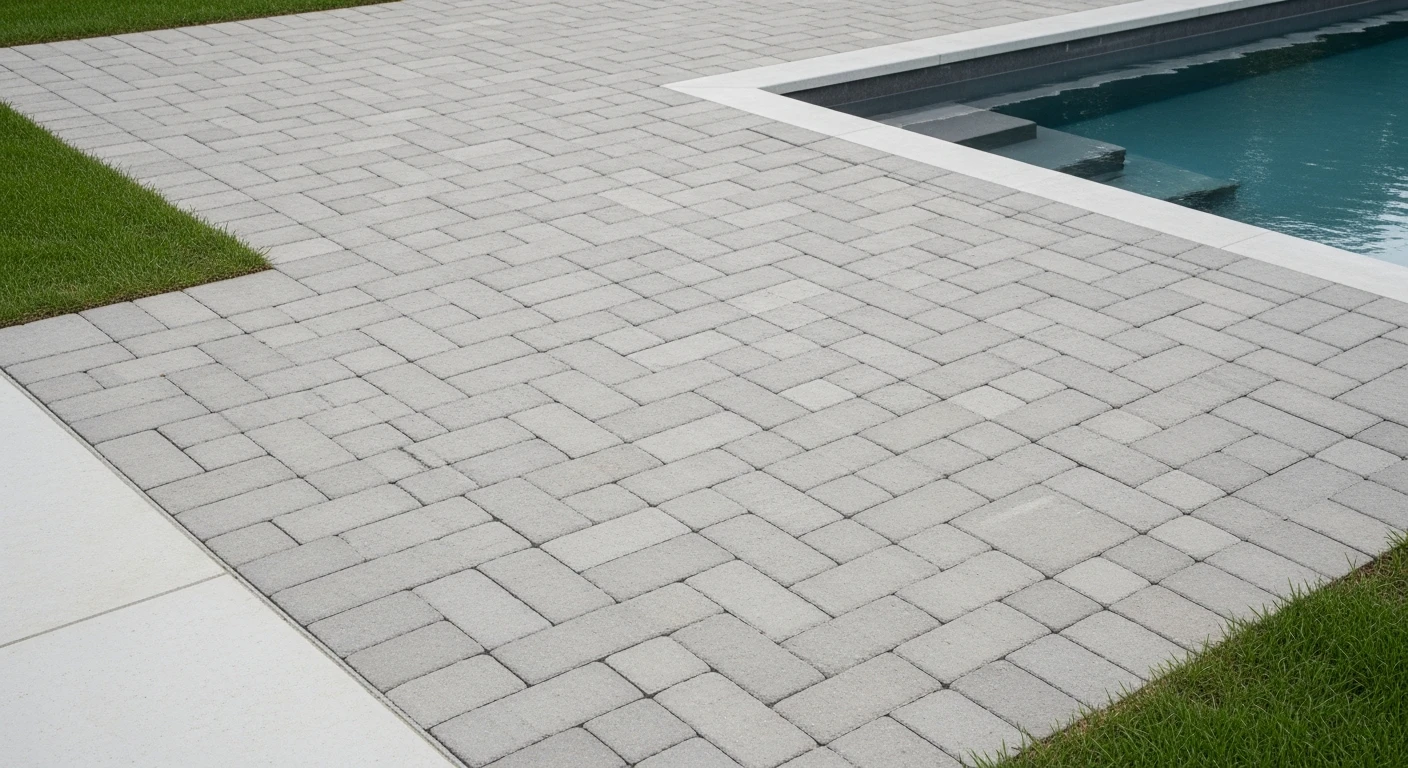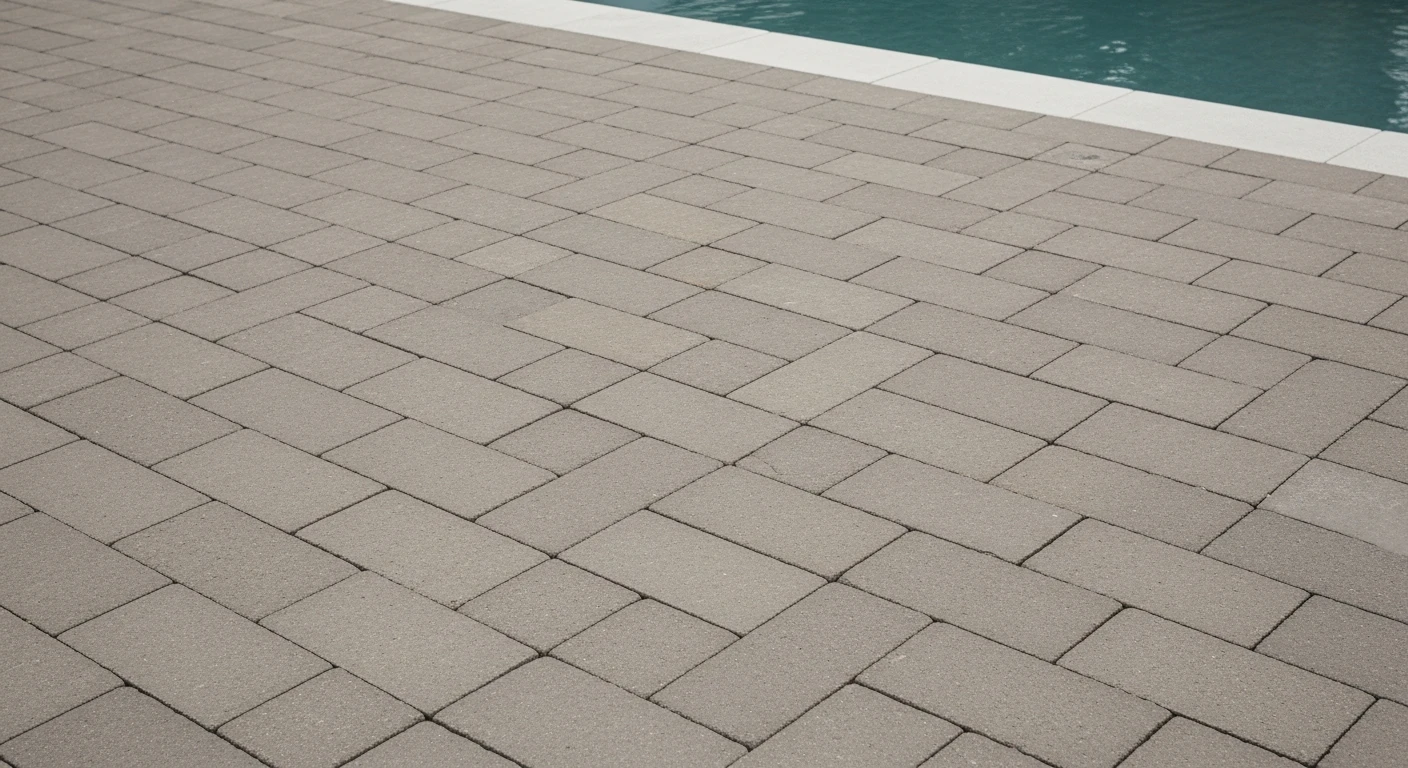
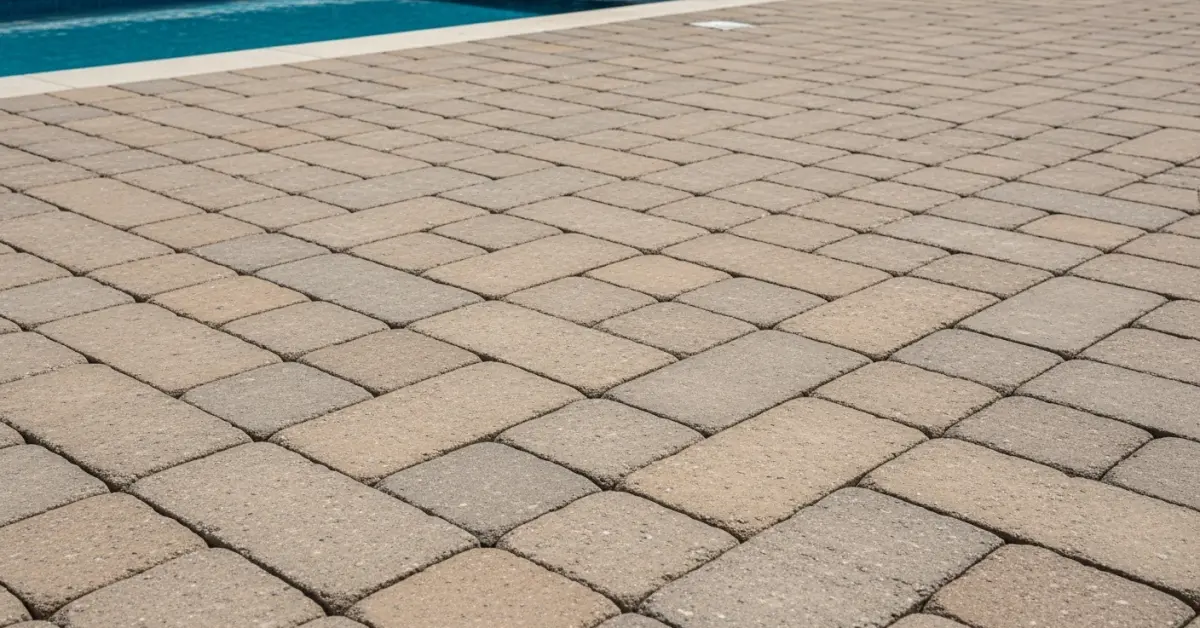
The number of paver patios and driveways I've been called to repair in Sarasota, from Siesta Key to Lakewood Ranch, follows a predictable pattern. The homeowner shows me a pristine installation from two years ago that now has sunken spots, wide gaps filled with weeds, and wobbly stones. The issue was never the quality of the interlocking concrete pavers themselves; it was a fundamental misunderstanding of how our local environment attacks a paver system from below and above. The sandy soil and torrential summer downpours demand a different approach than what works in other parts of the country.
Executive Summary: A Sarasota-Specific Approach to Paver Longevity
From my direct experience, a successful interlocking paver installation in this region depends entirely on mastering
From my direct experience, a successful interlocking paver installation in this region depends entirely on mastering two elements: sub-base engineering and joint stabilization. Standard methods are a recipe for failure. The sandy soil requires a deeper, multi-layered, and meticulously compacted base to prevent shifting, and the intense rain and UV exposure demand advanced jointing compounds, not just basic polymeric sand. A project's success is determined before the first paver is even laid.
- Sub-Base Depth: A minimum 6-inch compacted base of Florida Department of Transportation (FDOT) approved aggregate is non-negotiable for pedestrian patios; driveways require 8-10 inches.
- Geotextile Fabric: This is a critical, often-skipped layer that separates the compacted base from the native sandy soil, preventing sinkage and aggregate loss over time.
- Edge Restraints: Concrete bond beam restraints are superior to plastic edging, which warps and lifts under the Florida sun, compromising the entire interlocking system.
- Jointing Compound: Standard polymeric sand can fail quickly. A high-performance, water-activated polyurethane or epoxy-based sand provides the durability needed to resist washout and weed growth.
The Planning Failures That Guarantee a Call-Back
The most common mistakes happen long before a single stone is placed. Homeowners, focused on color and pattern, often overlook the technical specifications in a quote. They compare bids based on the cost per square foot, not realizing that a lower price almost always means a shallower base, no geotextile fabric, or cheap jointing sand. This is where the long-term costs hide.
The Most Expensive Failure: Underestimating Water Management
The single most destructive oversight I see is the failure to plan for water. A paver patio or driveway that doesn't have a proper slope (a minimum of 1/4 inch per foot) and effective drainage will trap water. In our sandy soil, that trapped water saturates the base, liquefies the bedding sand, and causes the pavers to sink and shift. I was called to a project in The Meadows where a beautiful new patio had developed a 2-inch depression right in the center. The contractor had graded it perfectly flat for aesthetic reasons, creating a shallow basin. The repair required pulling up a third of the patio to re-grade and re-compact the base—a cost that was nearly 50% of the original installation price.
How a Professional Paver Installation Unfolds in Sarasota
A durable paver project is a multi-stage civil engineering task, not just a landscaping job. The process is defined by excavation, base construction, and meticulous compaction at every layer. Cutting corners on any of these steps compromises the entire system, and the visual evidence won't appear until a year or two later, long after the contractor is gone.
Selection Criteria for Sarasota Homeowners
When evaluating a contractor's proposal, focus on the technical details, not just the final look. Here are the questions that separate the professionals from the corner-cutters in our specific market:
- Base Material Specification: Do they explicitly mention using FDOT-approved #57 stone or a similar crushed angular aggregate? Generic terms like "gravel" or "rock base" are red flags.
- Compaction Method: The quote must specify compaction in 2-3 inch lifts using a plate compactor with a rating of at least 5,000 pounds of centrifugal force. One pass over a 6-inch base is not proper compaction.
- Geotextile Fabric Use: Ask if a non-woven geotextile stabilization fabric is included between the native soil and the aggregate base. For Sarasota's soil, this is not optional.
- Sarasota County Permitting: For driveways or significant grade changes, a permit may be required. Does the contractor handle the entire permit application process with Sarasota County, or do they push that responsibility onto you? The Sarasota County Permitting Office has specific requirements for driveway aprons and stormwater runoff that must be addressed.
Comparing Pavers to Poured Concrete and Stamped Concrete
Pavers are often chosen for their aesthetic appeal, but the functional comparison is where the real decision lies for Sarasota homeowners. The primary advantage of interlocking patio pavers is their flexibility and repairability in our shifting soil, a feature monolithic slabs lack.
| Indicator | Interlocking Pavers | Poured Concrete Slab | Stamped Concrete |
|---|---|---|---|
| Crack Resistance | Excellent (joints absorb movement) | Poor (prone to cracking with soil shifts) | Fair (control joints help, but cracks still form) |
| Repairability | Excellent (individual stones can be lifted and replaced) | Poor (patching is obvious and rarely matches) | Very Poor (matching stamp pattern and color is nearly impossible) |
| Heat Retention | Varies by color; lighter colors are cooler | High (absorbs and radiates significant heat) | High (darker colors and sealants increase heat) |
| Initial Cost | High | Low | Medium-High |
When Pavers Are Not the Right Choice
Despite their benefits, pavers are not always the best solution. If you have large, mature trees like live oaks with extensive surface root systems, pavers can be a maintenance headache. The roots will inevitably cause uplift over time, requiring periodic lifting and re-leveling of sections. In these specific cases, a deck or a more flexible surface might be a lower-maintenance, albeit different, aesthetic choice.
Safe Hiring Checklist for Your Paver Project
Verifying a contractor's credentials is the most important step you will take. A slick sales pitch means nothing if the company isn't properly licensed and insured to perform the work in Florida.
- Florida License Verification: Check their license status on the Florida Department of Business and Professional Regulation (DBPR) website. They should hold a relevant contractor license, such as a Certified General Contractor (CGC) or a specialty license.
- Liability and Workers' Compensation Insurance: Ask for a Certificate of Insurance (COI) directly from their insurance agent. Do not accept a copy from the contractor. Verify that coverage is active and sufficient for your project's value.
- Portfolio of Local Work: Ask for addresses of projects they completed 3-5 years ago in Sarasota, not just recent ones. This allows you to see how their work holds up to our climate over time.
- Detailed, Itemized Quote: The proposal should break down costs for excavation, base material, bedding sand, pavers (by brand and style), edge restraints, and jointing compound. Vague, lump-sum quotes hide shortcuts.
- HOA Approval Process: If you live in an HOA, confirm their experience with submitting plans to your specific community's Architectural Review Board. A contractor familiar with Palmer Ranch's ARB, for example, will know the specific requirements upfront.
The Decisions That Truly Determine the Outcome
The success of your project hinges on two critical decisions you'll make at the beginning: choosing the right contractor and authorizing the right materials. Homeowners often get swayed by the variety of interlocking concrete pavers and spend weeks choosing a color, while spending only minutes reviewing the structural components of the quote. This is a reversal of priorities.
The Moment Most Homeowners Get It Wrong
The critical error occurs when comparing bids. A homeowner sees one quote for $18/sq. ft. and another for $22/sq. ft. and automatically leans toward the lower price, assuming the service is the same. The correct approach is to disqualify any bid that does not explicitly detail a 6+ inch compacted aggregate base, geotextile fabric, and a high-performance jointing compound. It is better to pay for the right foundation upfront than to pay twice to have it fixed later. I always advise clients to tell contractors what minimum base specifications they require and then compare the resulting quotes. This levels the playing field and forces everyone to bid on the same durable installation.
Practical Answers for Paver Projects in Sarasota
Navigating the local specifics can be frustrating. Here are the answers to the questions that come up on nearly every project I manage in the area, from simple patios using interlocking stones near me searches to complex driveway systems.
What Are the Rules for Driveway Aprons in Sarasota County?
The driveway apron—the section that connects your property to the public road—is regulated by Sarasota County. You cannot simply replace it without adhering to their specifications for slope, material, and dimensions. A permit is almost always required for this portion of the work, and an inspection will be conducted to ensure it meets public works standards for safety and water drainage. A qualified contractor will handle this as part of their scope of work.
Do I Need a Permit for a Simple Paver Patio?
For a standard, on-grade paver patio, Sarasota County generally does not require a permit. However, the moment the project involves a change in grade, includes a retaining wall over a certain height (typically 2-4 feet, depending on specifics), or is attached to the home's foundation, a permit is likely necessary. This is especially true for projects that could alter stormwater runoff patterns, a major focus for local regulators. Using interlocking retaining wall blocks is a common element that can trigger permit requirements.
How Do HOAs Influence Paver Selection and Installation?
In communities like Lakewood Ranch or University Park, the HOA's Architectural Review Board (ARB) has final say. They often have pre-approved color palettes and paver styles to maintain community aesthetics. Your contractor must submit a detailed plan including the paver manufacturer, model, color, and installation pattern for approval before any work begins. Proceeding without written ARB approval can result in fines and a stop-work order, a costly delay that is entirely avoidable.