Choosing Pavers for a Sarasota Landscape: A Summary
From my perspective, selecting landscape pavers in Sarasota isn't about finding the prettiest stone; it's about
From my perspective, selecting landscape pavers in Sarasota isn't about finding the prettiest stone; it's about choosing a system that can handle our specific environmental assault. The combination of intense UV radiation, torrential rain, and sandy, shifting soil means that the installation methodology—the base, the edging, and the jointing sand—is far more critical than the paver material itself. The biggest mistake I see is homeowners focusing on color and shape while ignoring the engineering required to keep those pavers level and stable through a hurricane season.
- Base Compaction: The standard 4-6 inches of compacted base is a starting point, but in Sarasota's sandy soil, using a geotextile fabric beneath the base is a non-negotiable for long-term stability.
- Polymeric Sand is a Must: Regular joint sand will wash out in the first major downpour. High-quality polymeric sand that hardens is essential to lock pavers together and prevent weed and ant infestations.
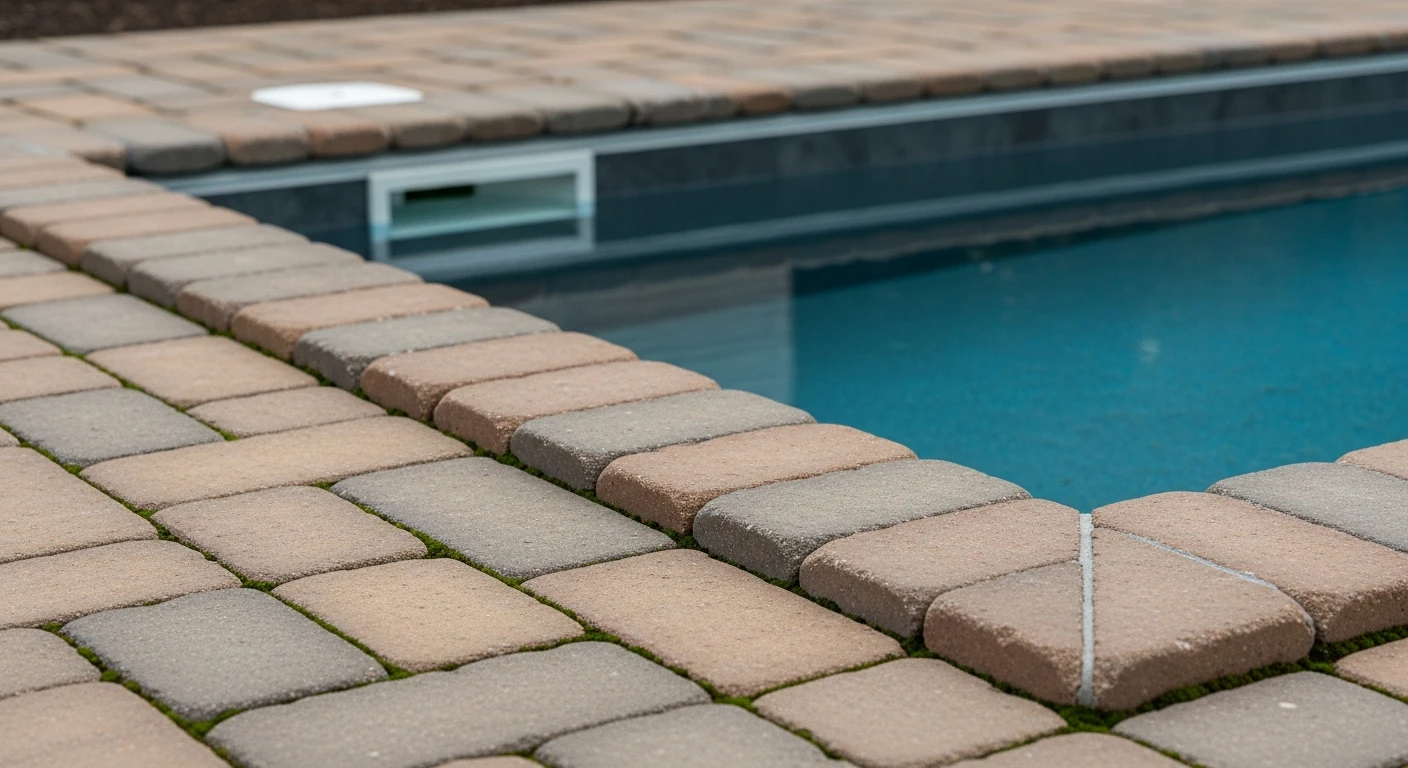
- Sealing for UV and Mold: Unsealed pavers will fade noticeably within 18-24 months under the Florida sun. A high-quality, UV-resistant sealant also makes the surface less porous, inhibiting the growth of mold and mildew common in our humidity.
- Drainage Planning: Proper slope (a minimum of 1/4 inch per foot) away from the home's foundation is critical. For larger patios or pool decks, incorporating channel drains is often necessary to manage water runoff effectively.
Planning Failures That Undermine Paver Projects
The most common failures I'm called to fix stem from decisions made long before the first paver is laid. Homeowners, and sometimes even inexperienced installers, underestimate how unforgiving our local environment is. They treat a Sarasota project like one in a drier, more stable climate, leading to predictable and expensive problems down the road.
The Most Expensive Failure: Ignoring Hydrostatic Pressure
The costliest mistake is improper base preparation and drainage. In areas with a high water table or poor soil percolation, like many parts of Sarasota County, heavy rains can saturate the ground beneath the pavers. This creates hydrostatic pressure that pushes upward, causing the pavers to heave, shift, and become uneven. I worked on a project near Phillippi Creek where a newly installed patio had turned into a wavy, unusable surface after one summer because the installer used insufficient base and no drainage considerations. The entire patio had to be removed and re-installed, doubling the homeowner's total cost.
The Paver Installation Process in Practice
A professional paver installation in Sarasota is a multi-stage process that prioritizes durability against water and soil movement. It begins with a thorough site evaluation, not just measuring the area but assessing drainage patterns, soil type, and sun exposure. The success of the entire project hinges on the unseen work done before any pavers are actually set in place.
Key Selection Criteria for Sarasota Homeowners
When you're evaluating a paver installation company, your questions should be tailored to our local challenges. Generic portfolio pictures aren't enough.
- Ask for their specific base preparation method for sandy soil: Do they use a geotextile stabilizer? What is their standard compacted base depth? A vague answer is a red flag.
- Verify their HOA submission experience: Request examples of project plans they've successfully submitted to prominent local HOAs like those in Lakewood Ranch or The Isles. This proves they understand the detailed requirements.
- Inquire about their jointing sand and sealant products: They should be able to name the specific brands of high-grade polymeric sand and UV-inhibiting sealers they use and explain why those are suited for Florida's climate.
- Confirm their drainage plan: For any project near a structure, they must articulate how they will achieve the necessary slope and where water will be directed.
Comparing Pavers to Concrete and Wood Decking
Homeowners often weigh pavers against two other common options: poured concrete slabs and traditional wood or composite decks. While each has its place, the decision in Sarasota should be driven by longevity, maintenance in a humid climate, and repairability.
| Feature | Concrete Pavers | Poured Concrete | Wood/Composite Decking |
|---|---|---|---|
| Repairability | Excellent (individual pavers can be replaced) | Poor (cracks are difficult to patch aesthetically) | Moderate (individual boards can be replaced) |
| Heat Retention | Moderate to High (light colors are cooler) | High (can become very hot to the touch) | Varies (composites can get extremely hot) |
| Mold/Mildew Resistance | Good (when properly sealed) | Fair (porous surface can stain and grow mildew) | Poor (wood) to Good (composite) |
| Long-Term Stability | Very Good (flexible system resists cracking) | Fair (prone to cracking with soil shifts) | Good (but requires structural maintenance) |
When Pavers Are Not the Right Choice
Despite their benefits, pavers are not the ideal solution for every situation. If your project is on a sharply sloped or unstable hillside, the extensive retaining walls and earthwork required can make the cost prohibitive compared to a raised deck. I always advise clients that if the foundational work to create a stable base costs more than the paving itself, it's worth re-evaluating if a different hardscape solution might be more practical and cost-effective.
A Safe Hiring Checklist for Your Paver Project
Hiring the right contractor is the single most important factor for a successful paver installation in Florida. The quality of the labor and adherence to local best practices will determine whether your investment lasts a few years or a few decades. This checklist helps you vet potential installers thoroughly.
- Verify Florida State License and Insurance: The contractor must have a valid Certified General, Building, or Residential Contractor license, or a specialty license if applicable. Ask for a copy of their Certificate of Insurance showing both General Liability and Worker's Compensation. You can verify licenses on the Florida Department of Business and Professional Regulation (DBPR) website.
- Confirm They Handle Permitting: For any project requiring a permit, ensure the contractor will be the one to pull it. A homeowner pulling their own permit assumes all liability for the work meeting Sarasota County code.
- Request a Detailed, Itemized Quote: The proposal should break down costs for demolition, base material, pavers, edging, jointing sand, sealant, and labor. Vague, lump-sum quotes hide where corners might be cut.
- Ask for Local, Recent References: Talk to at least two recent clients in the Sarasota area. Ask specifically about how the project has held up after a heavy rainstorm and how the crew managed the worksite.
- Review Their Warranty: A reputable installer will offer a warranty on their workmanship (typically 2-5 years) separate from the manufacturer's warranty on the pavers themselves. Get it in writing.
- Check for ICPI Certification: While not legally required, certification from the Interlocking Concrete Pavement Institute (ICPI) indicates a contractor has been trained in industry best practices.
Decisions That Determine the Outcome
Two projects can use the exact same pavers and have wildly different outcomes. The difference almost always comes down to a few key decisions made by the homeowner and contractor at the outset. These choices are about function and longevity, not just appearance.
The Moment Most Homeowners Get It Wrong
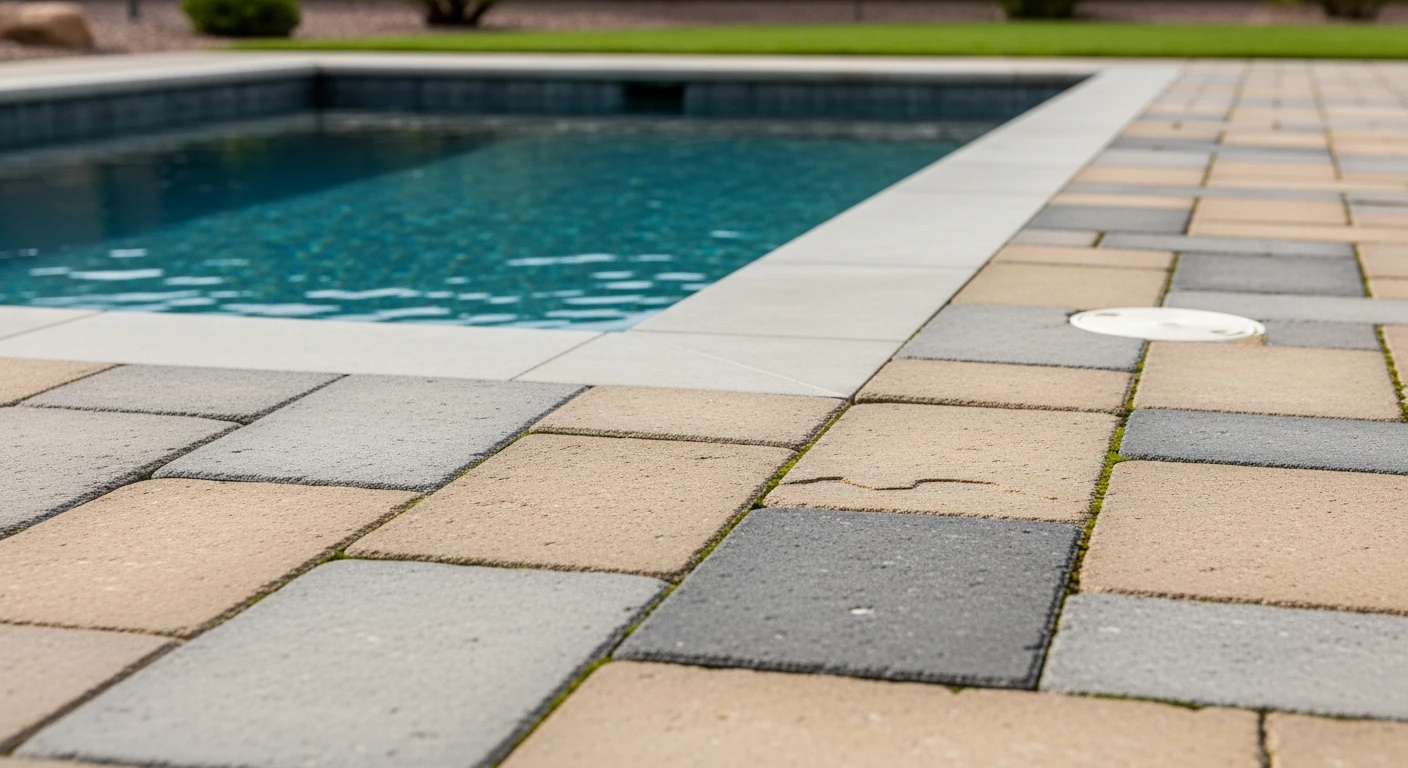
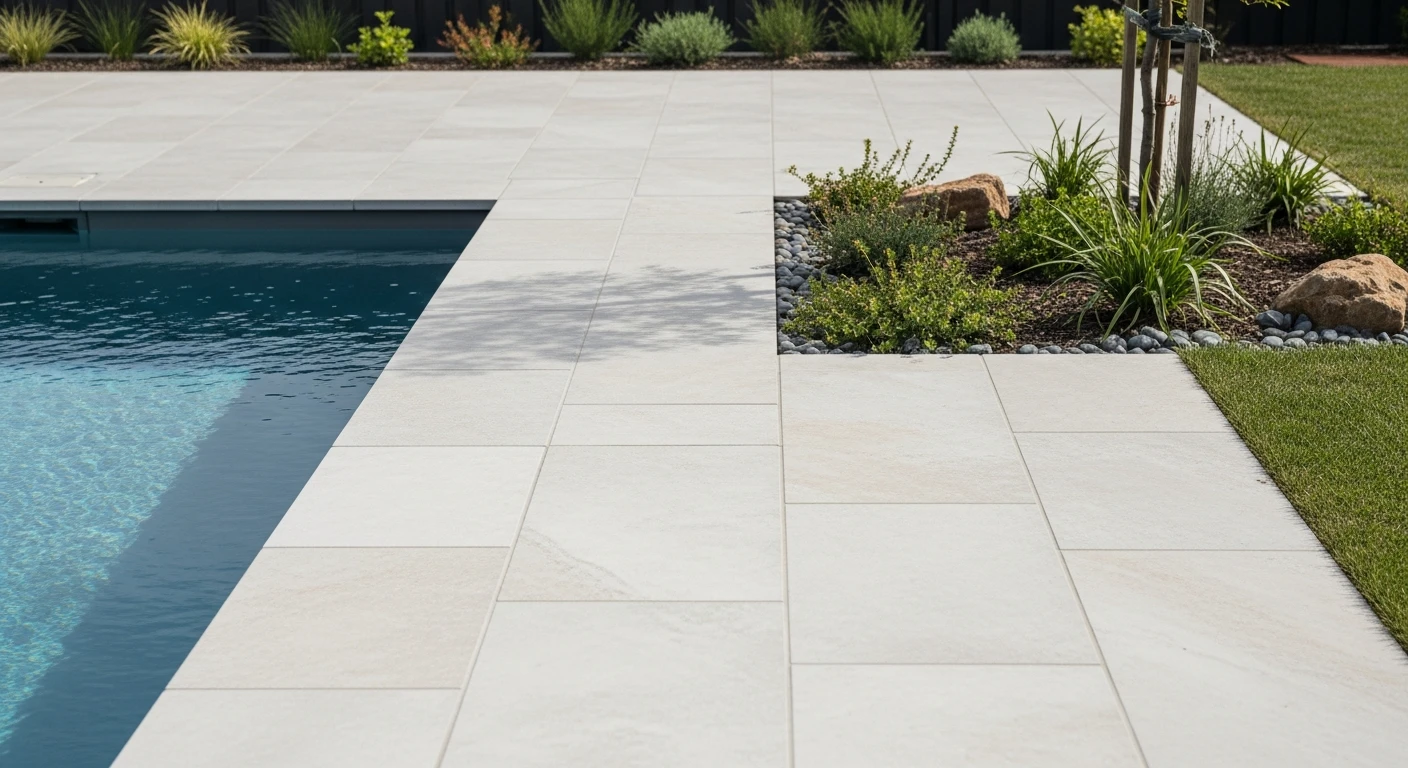
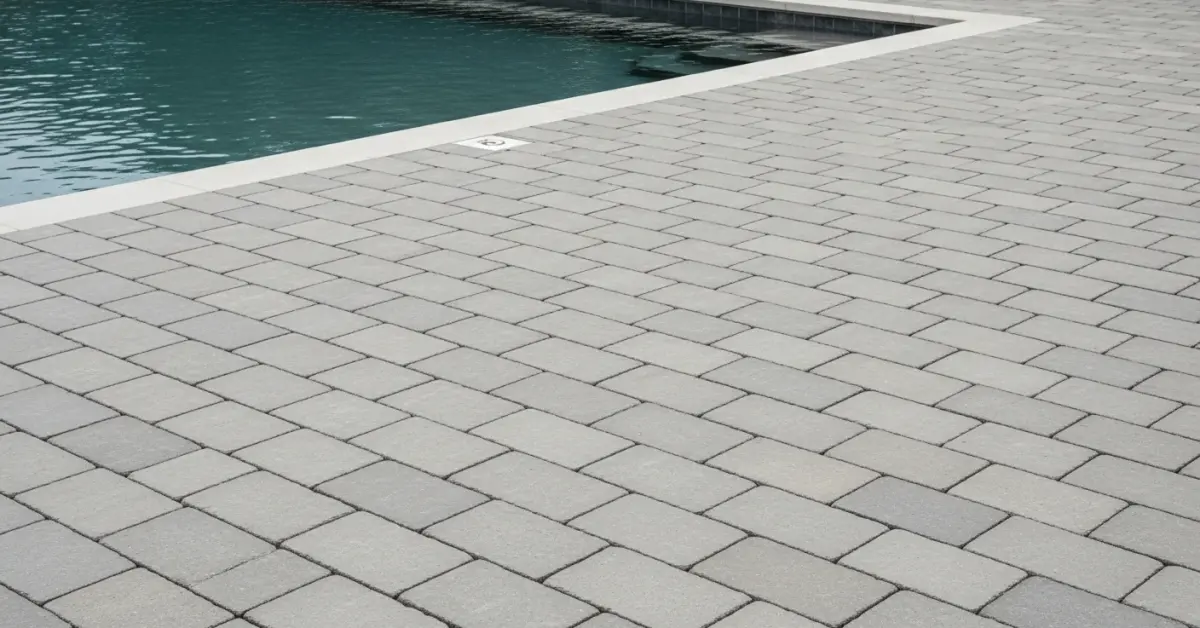
The critical mistake happens during the material selection phase. Homeowners fall in love with a paver's color or texture in a showroom, under perfect lighting, without considering its real-world performance. The most important decision is choosing a paver with a low absorption rate and a light color. A dense, light-colored paver will absorb less water (resisting mold) and reflect more sunlight, making it cooler underfoot—a crucial factor for pool decks and patios in Sarasota. I've seen dark, porous pavers become so hot they are unusable in the July sun, a detail the homeowner never considered.
Practical Answers About Paver Work in Sarasota
Navigating the local specifics of a paver project can be challenging. From permits to community rules, understanding the landscape before you begin saves time and prevents headaches. Here are answers to common operational questions I encounter.
Do I Need a Permit for a Paver Patio?
In Sarasota County, a permit is generally not required for a paver patio or walkway installed at grade (on the ground). However, permits are typically required if the project includes retaining walls over 4 feet in height, is part of a new pool construction, or involves significant changes to site drainage that could affect neighboring properties. Always confirm with the Sarasota County Permitting office before starting work, as regulations can change.
How Do HOA Architectural Reviews Work?
Most planned communities in Sarasota require approval from an Architectural Review Committee (ARC) or Board before any exterior modification, including paver installations. You must submit a detailed plan showing the project's location, dimensions, and the specific paver model, color, and pattern. The approval process can take anywhere from two to six weeks. Starting work without approval can result in fines and a stop-work order, so this step cannot be skipped.
What Type of Paver Edging is Best for Sandy Soil?
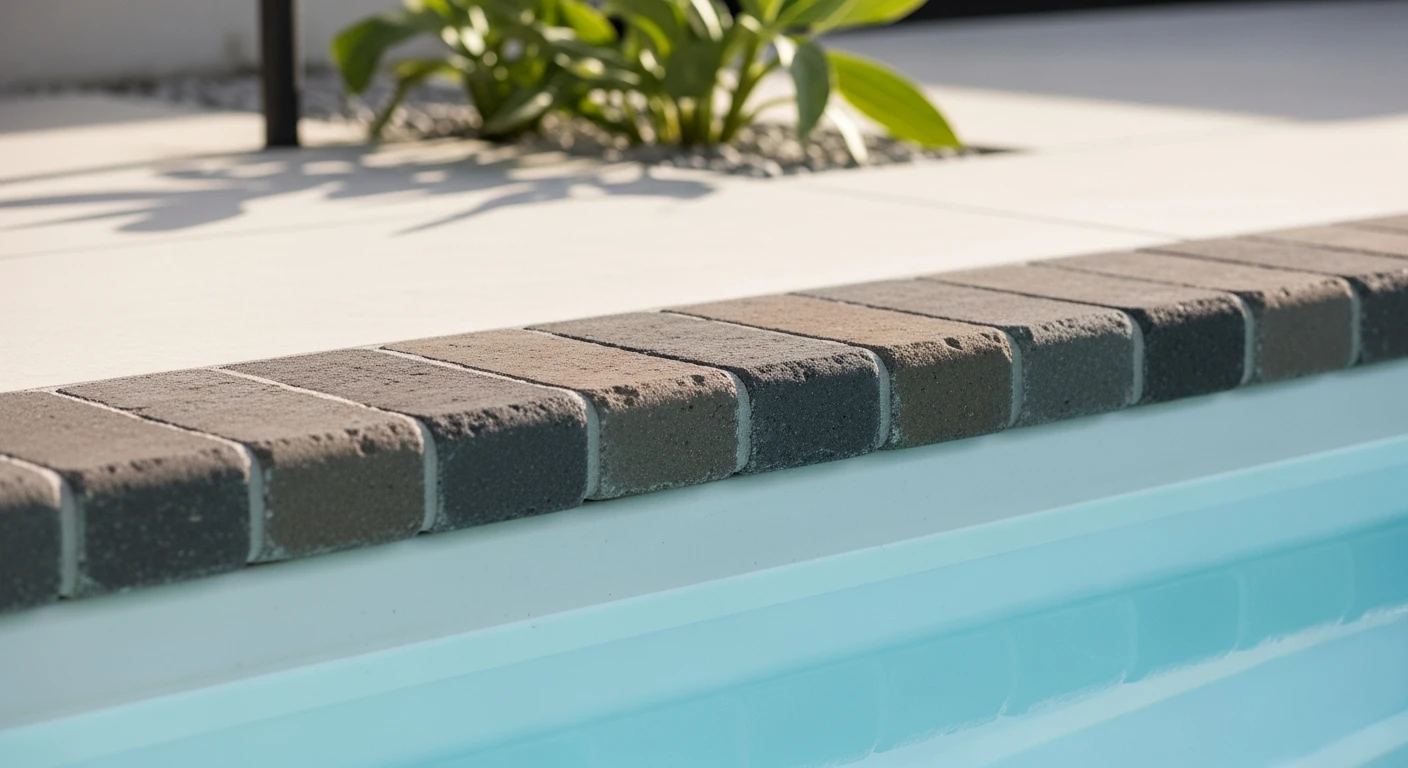
For Sarasota's sandy soil, standard plastic landscape edging is often insufficient. It can flex and pull away as the ground settles and shifts. I strongly recommend using concrete bond beam edging. This involves pouring a hidden concrete curb along the perimeter of the paver field, which provides a rigid, permanent restraint that locks the entire system in place and prevents the edges from separating over time. It's an unseen detail that makes a massive difference in the project's lifespan.