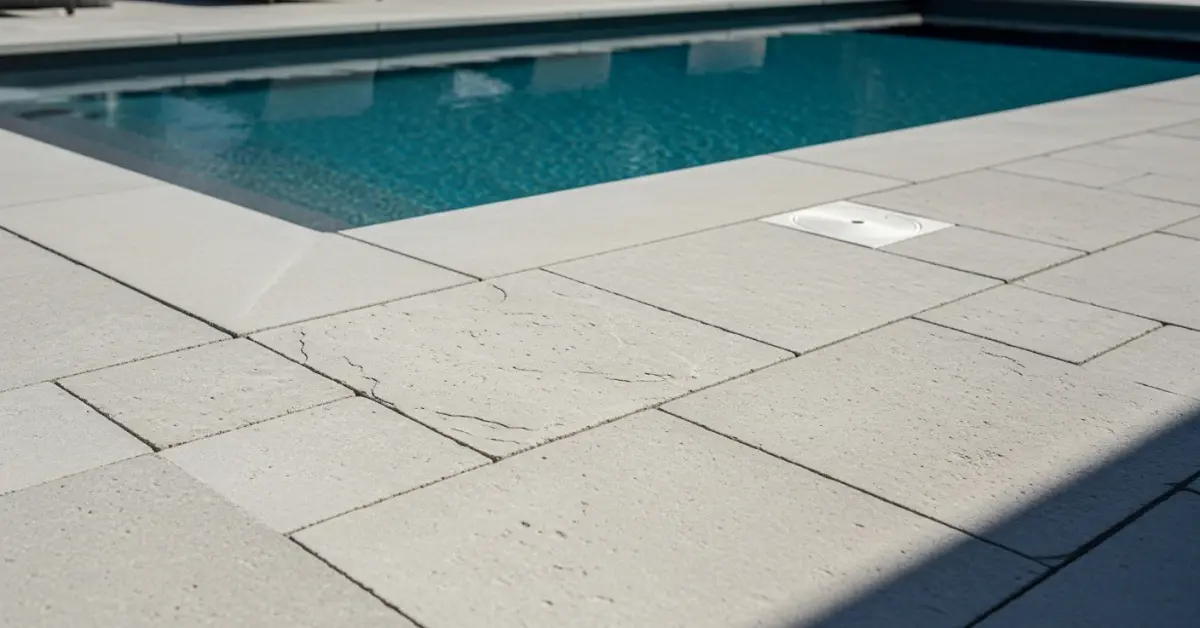
Executive Summary: Navigating Large Paver Projects in Sarasota
After more than a decade installing hardscapes, I can state that the success of a large paver project in Sarasota has
After more than a decade installing hardscapes, I can state that the success of a large paver project in Sarasota has less to do with the paver itself and more to do with managing water and ground stability. The sandy soil and high water table mean that a standard base installation, sufficient in other parts of the country, will fail here. The single biggest mistake is underestimating the base depth and compaction needed to support large, heavy slabs, leading to rocking, lippage, and cracked pavers within the first two rainy seasons.
- Sub-base is non-negotiable: A minimum 6-inch compacted aggregate base (#57 stone) is required for patios and walkways, with 8-10 inches for driveways, to ensure proper drainage and stability.
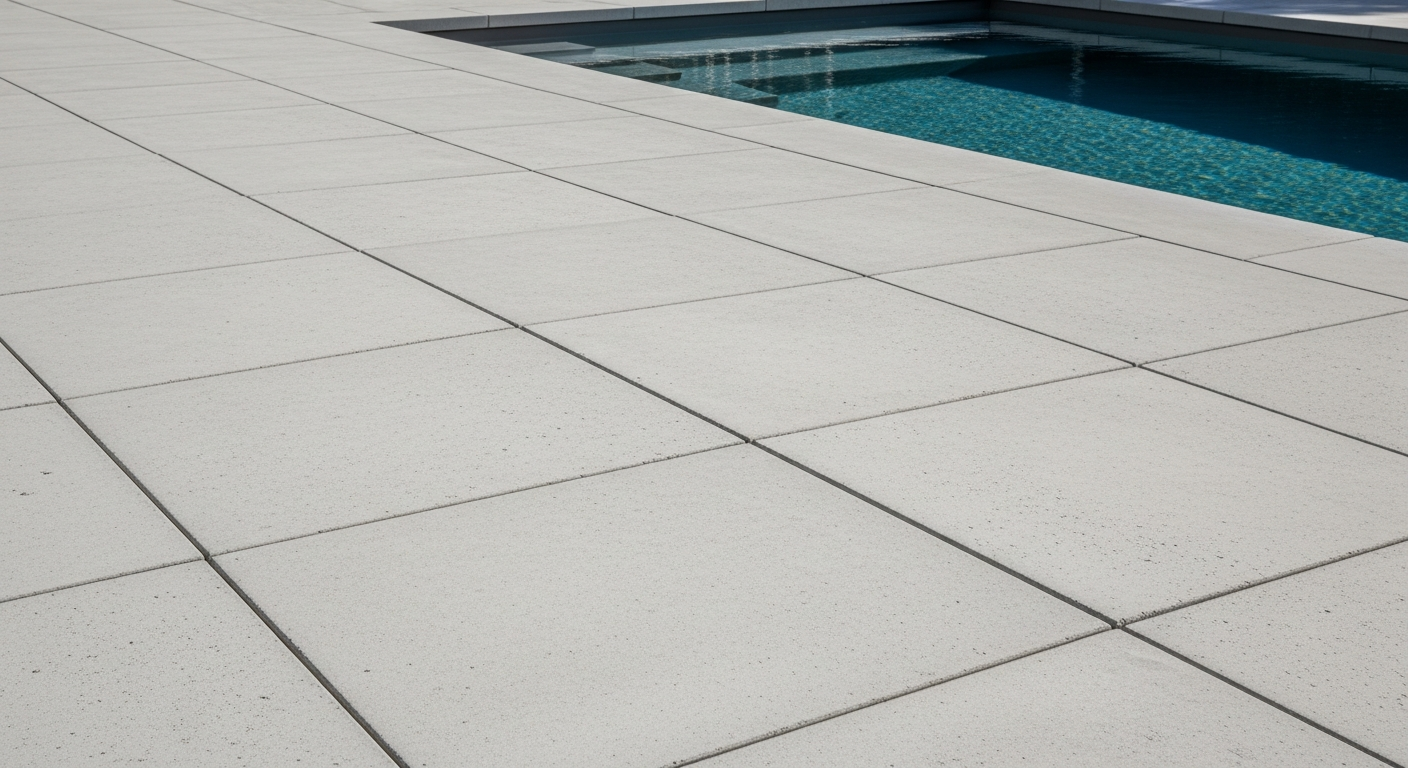
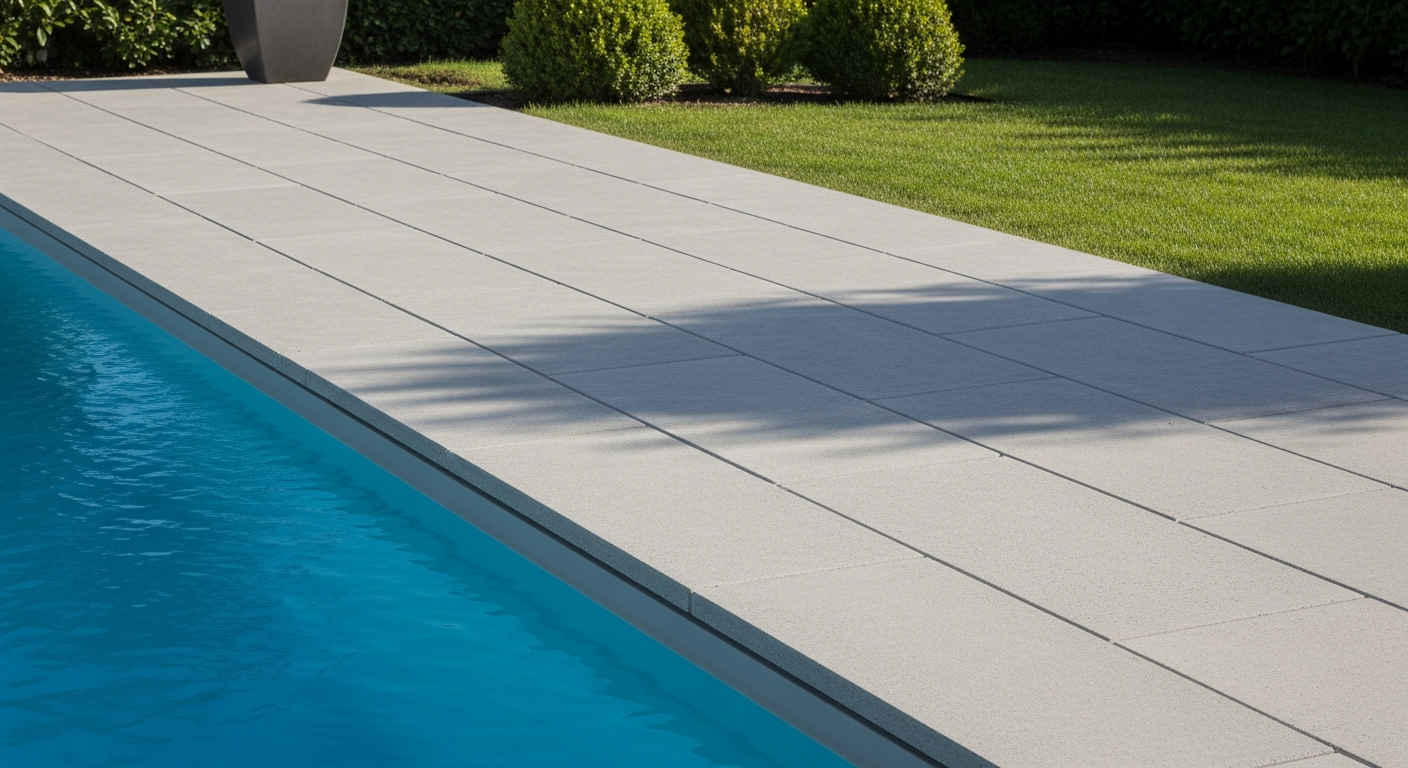
- Material choice matters for heat and color: Lighter-colored porcelain or shell-infused concrete pavers reflect solar radiation better, making them cooler underfoot—a critical factor for Sarasota pool decks and patios.
- Drainage dictates longevity: All projects must incorporate a slope of at least 1/4 inch per foot, directing water away from the home's foundation and into appropriate drainage systems, not just onto the lawn.
- Permitting is often required: Any hardscaping project over 120 square feet or that alters property drainage typically requires a permit from Sarasota County, a step many fly-by-night installers skip.
The Planning Failures That Haunt Sarasota Hardscapes
The most common failures I see are born from decisions made before a single paver is laid. Homeowners, focused on the color and texture of the paver, often overlook the foundational elements that are invisible but essential in our specific coastal environment. A cheap bid is almost always a direct reflection of skimping on these critical steps.
The Most Expensive Mistake: Ignoring the Sub-base
A few years ago, I was called to a home in The Landings to diagnose a large format porcelain paver patio that was only two years old. The pavers were rocking dangerously, and water was pooling against the foundation. The original installer, aiming to win the bid, used only a thin layer of sand over compacted soil. This shortcut saved the homeowner about 15% upfront but resulted in a complete tear-out and re-installation that cost 150% of the original price. The sandy, shifting soil, combined with our torrential summer rains, had completely washed out the inadequate base, creating voids and causing the entire patio to fail.
How a Proper Installation Unfolds in Practice
A professional large paver installation in Sarasota is a multi-stage process heavily focused on excavation, base preparation, and water management. It begins with a thorough site evaluation, including drainage patterns and soil type. Expect a proper project to take significantly longer than a simple cosmetic update; the foundational work is meticulous and cannot be rushed.
Key Selection Criteria for Sarasota Homeowners
When evaluating contractors, your questions should focus on their methodology for our local conditions. A knowledgeable installer will have clear, confident answers for the following.
- Base Material and Depth: Do they use a DOT-approved crushed concrete or #57 stone base, and can they justify the depth (minimum 6 inches for pedestrian areas) for your specific project?
- Drainage Plan: How will they manage runoff from the new hardscape? Ask to see the planned slope and where water will be directed, especially if your property is on a flat lot common in areas like Palmer Ranch.
- Jointing Compound Specification: Which specific brand and type of polymeric sand will be used? High-performance sands are needed here to resist washout and prevent weed growth in our humid climate.
- Edge Restraint System: What type of edge restraint will be installed? For large pavers, heavy-duty plastic or concrete curbing is essential to prevent the lateral spread that causes gaps to form.
Comparing Large Pavers to Other Surfaces
Large format pavers offer a superior aesthetic, but they are not the only option. Understanding the trade-offs in terms of cost, maintenance, and performance in our climate is crucial for making an informed decision.
| Feature | Large Format Pavers (Concrete/Porcelain) | Stamped Concrete | Travertine or Natural Stone |
|---|---|---|---|
| Initial Cost | High | Moderate | Very High |
| Heat Retention | Low to Moderate (lighter colors) | High (can become very hot) | Very Low (stays cool) |
| Repairability | Excellent (individual pavers can be replaced) | Poor (cracks are difficult to patch invisibly) | Good (requires skilled masonry) |
| Sub-base Requirement | Critical; requires deep, compacted base | Important; requires stable, compacted soil | Critical; requires concrete slab or thick base |
When Large Pavers Are Not the Right Choice
If your property has significant, unresolved drainage issues or extreme soil instability (common in some low-lying coastal areas), large pavers may not be the best solution. The rigid, modular nature of the system is less forgiving of major substrate shifts than a poured concrete slab. In these specific cases, a reinforced, deep-foundation concrete slab might be a more durable, albeit less aesthetically flexible, long-term choice.
Safe Contractor Hiring Checklist for Sarasota
Hiring the right team is the most important decision you will make. The visual appeal of large pavers can be easily undermined by a poor installation. Use this checklist to vet potential contractors in Sarasota County.
- Verify Florida State License: Check for a Certified General, Building, or Residential Contractor license on the Florida Department of Business and Professional Regulation (DBPR) website. A simple handyman license is not sufficient for structural hardscape work.
- Confirm Liability and Worker's Comp Insurance: Ask for a current Certificate of Insurance. Without it, you could be liable for any accidents that occur on your property during the project.
- Request a Sarasota-Specific Portfolio: Look for completed projects in areas like Siesta Key or Longboat Key. This demonstrates experience with coastal conditions, salt air, and stringent building codes.
- Scrutinize the Base Prep in the Contract: The contract must explicitly state the type of aggregate, the compacted depth of the base (e.g., "6-inch compacted #57 stone base"), and the bedding sand layer. Vague terms like "standard base" are a red flag.
- Discuss Permit Responsibility: The contract should clarify who is responsible for pulling necessary permits from the Sarasota County Planning and Development Services. For any significant project, a permit is likely required.
Decisions That Truly Determine the Outcome
The difference between a patio that looks good for a year and one that lasts for decades comes down to a few key decisions. I have seen homeowners fixate on saving a few hundred dollars on materials while ignoring the one factor that guarantees performance: the quality of the labor and the integrity of the base.
The Moment Most Homeowners Get It Wrong
The critical mistake happens during the proposal review. Homeowners tend to line up three quotes and compare the bottom-line number. The correct approach is to compare the scope of work, specifically the line items detailing excavation depth, base material thickness, and compaction method. The cheapest quote almost invariably specifies a thinner base or skips the crucial aggregate layer altogether. You are not buying pavers; you are buying a complex, layered system designed to keep those pavers flat and stable for 20 years.
Practical Answers for Hardscaping in Sarasota
Navigating the local regulations and environmental factors is key to a smooth project. These are the real-world operational issues we face on every job in this area.
What triggers a permit requirement from Sarasota County?
Generally, any new flatwork (patios, walkways) exceeding 120 square feet requires a permit. More importantly, any project that alters the established drainage or grading of your property will trigger a review. The county is particularly focused on ensuring your project doesn't increase stormwater runoff onto neighboring properties, a major concern in our flat, low-lying communities.
How do HOAs in communities like Lakewood Ranch affect paver choice?
Many Sarasota HOAs have Architectural Review Committees (ARCs) with specific approved color palettes and material lists. Before you even get quotes, you must obtain your community's guidelines. They may restrict paver size, color, and finish to maintain neighborhood uniformity. Submitting your plans, including a site plan and material samples, for ARC approval is the first step, even before applying for a county permit.
Why is polymeric sand so critical in Florida's climate?
Standard joint sand will be washed out by the first major summer thunderstorm we get. Polymeric sand contains a water-activated polymer that binds the sand particles together, locking them in the joints. This prevents erosion, inhibits weed growth from airborne seeds, and helps deter ants. In our humid, rainy climate, using a high-quality, rain-safe polymeric sand is not an upgrade; it is a fundamental requirement for a lasting installation.