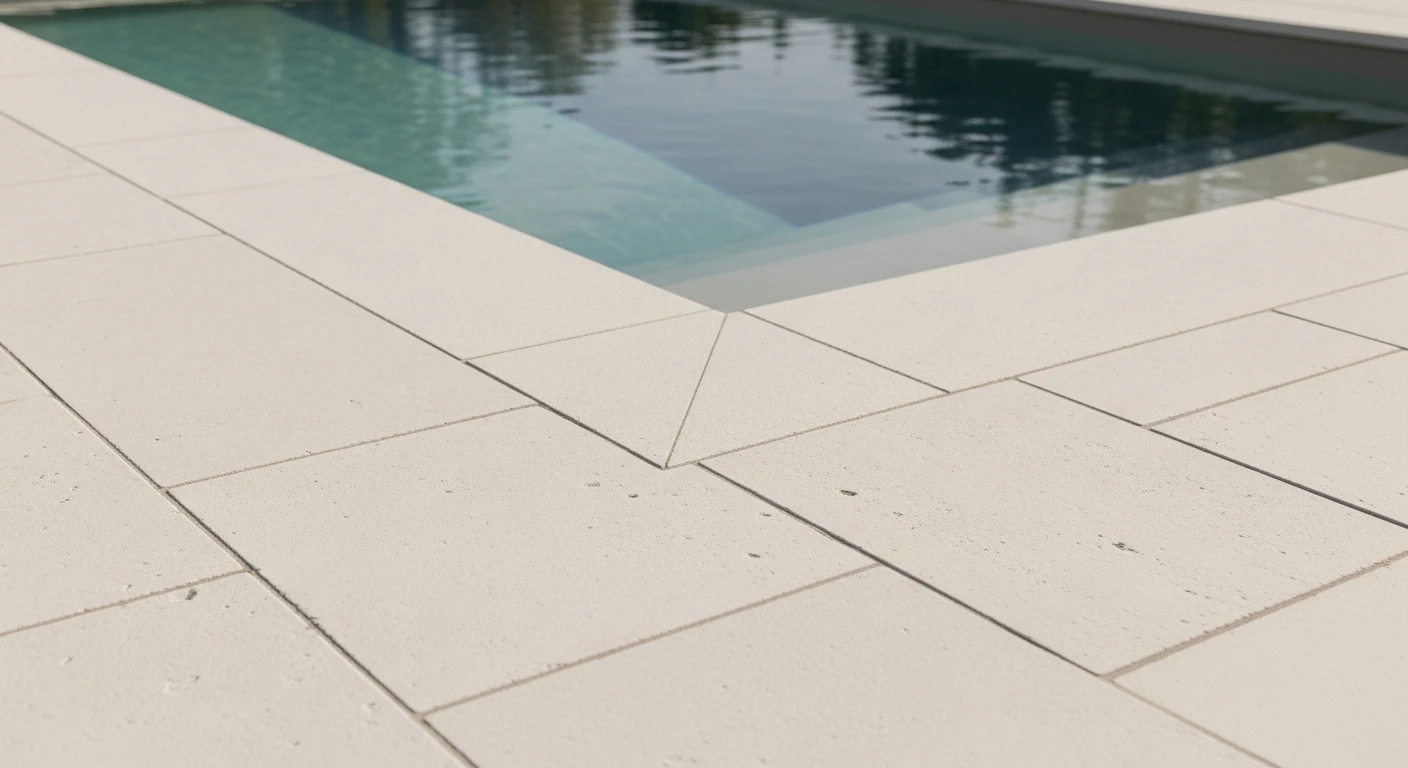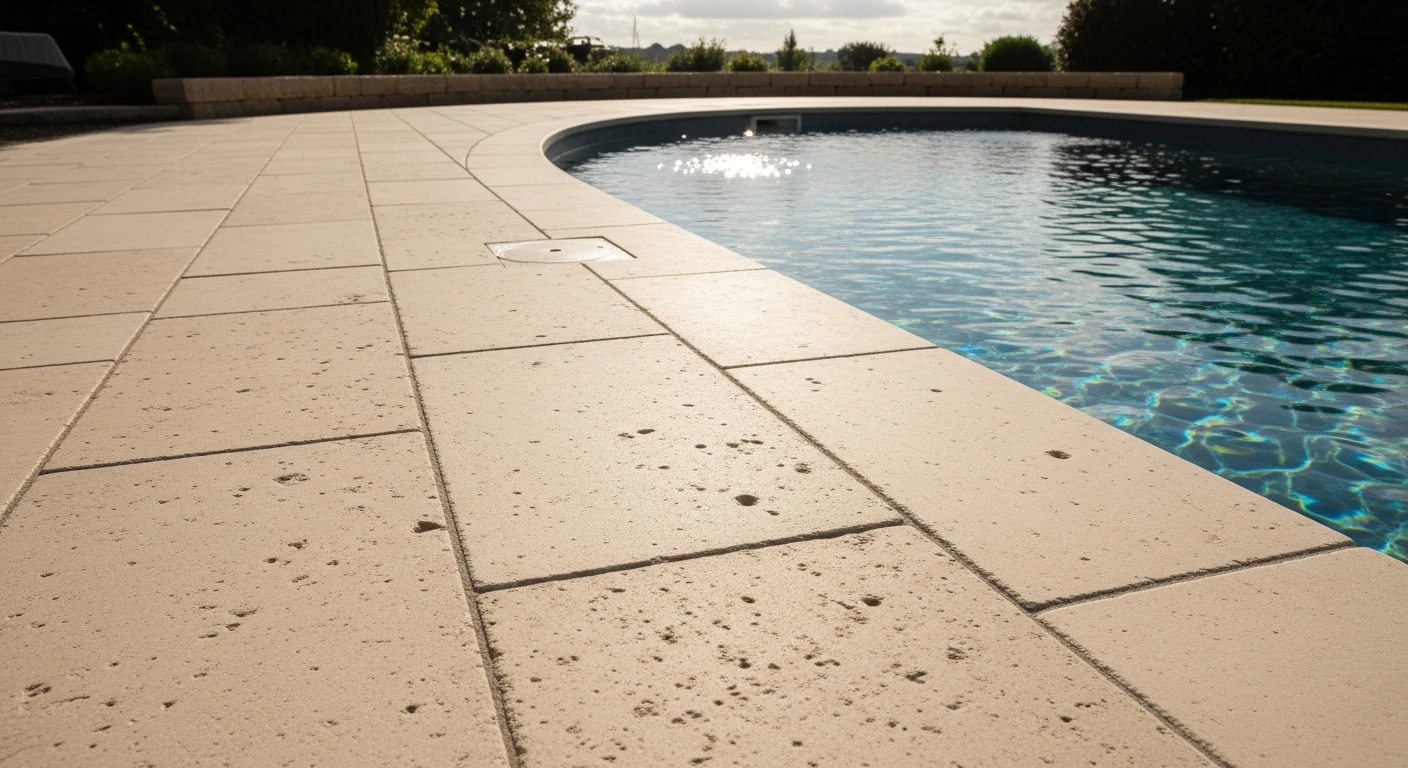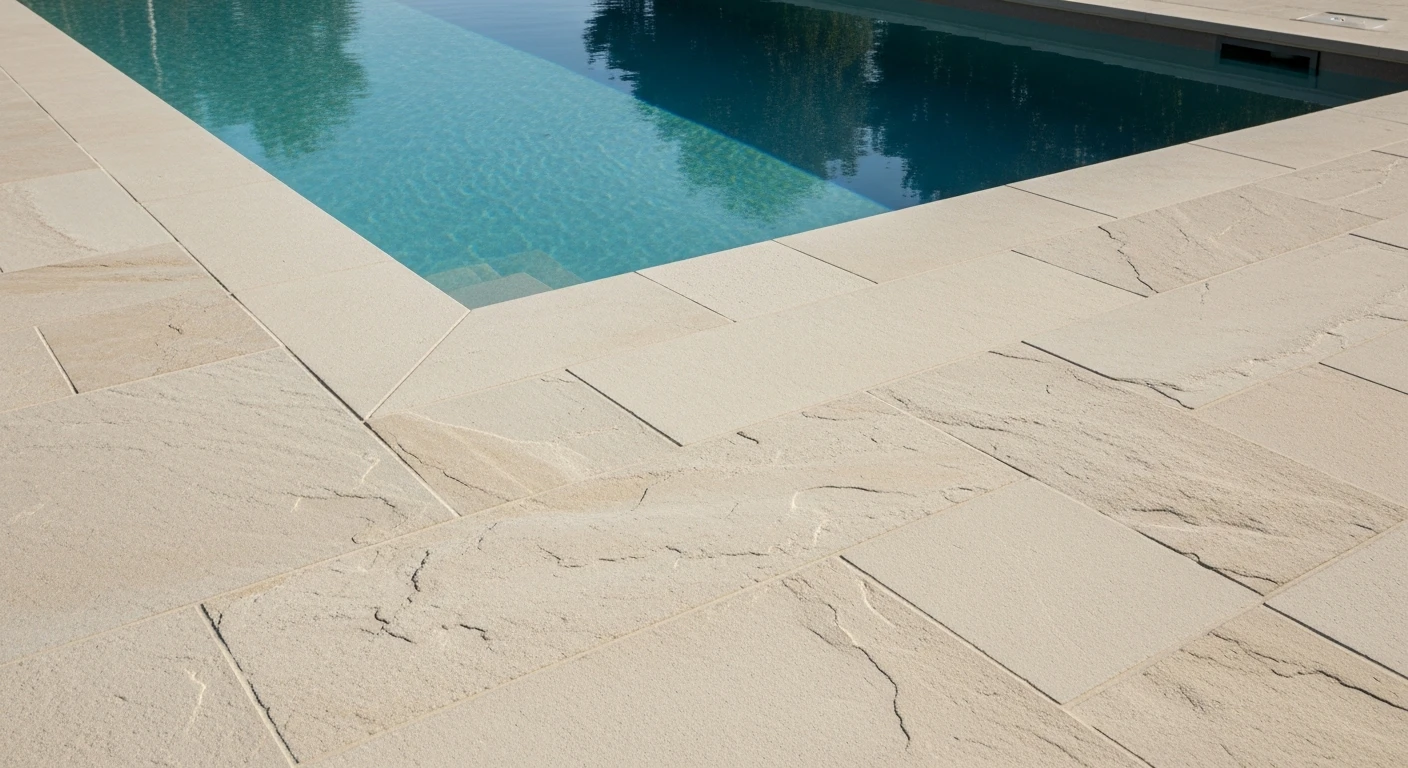
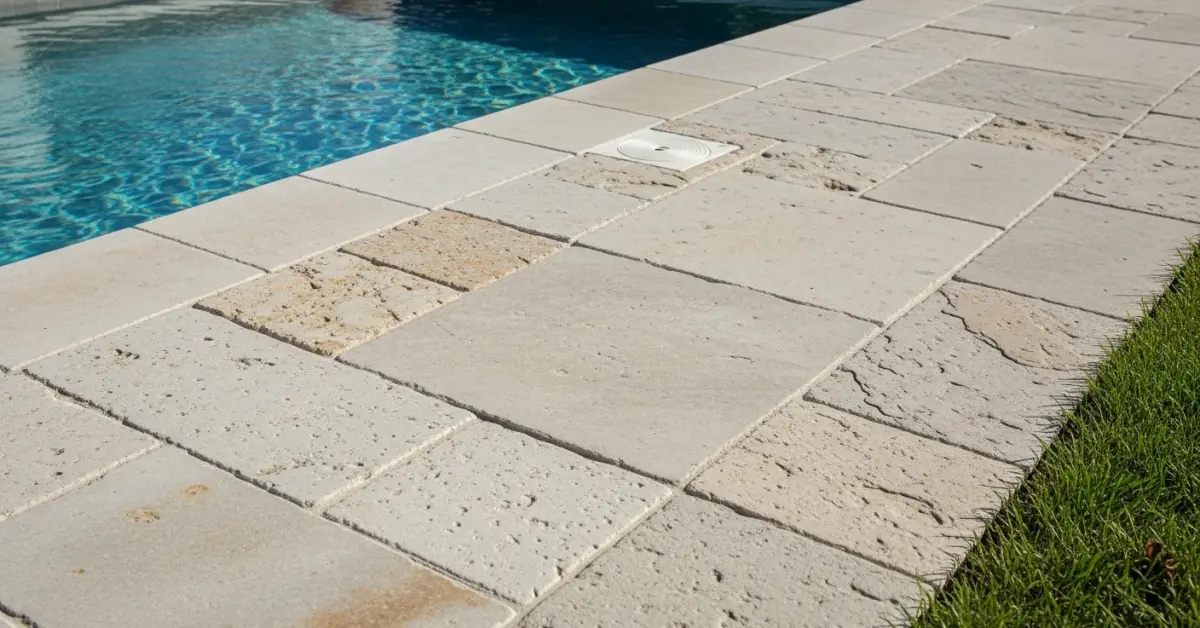
The client in The Landings had their heart set on a specific, highly porous white limestone they saw in an architectural magazine. The samples looked pristine. Six months after installation, however, the brilliant white had developed a persistent green-black film from algae thriving in the porous surface, fueled by the relentless Sarasota humidity. The problem wasn't the limestone itself; it was choosing a stone rated for a dry, arid climate and expecting it to perform in a subtropical one.
A Specialist's Summary on Limestone Pavers for Sarasota Pools
From my direct experience installing hardscapes across Sarasota County, the success of a limestone paver project hinges
From my direct experience installing hardscapes across Sarasota County, the success of a limestone paver project hinges entirely on matching the stone's density and porosity to our specific coastal environment. A limestone that performs beautifully in Arizona can fail spectacularly here. The key is understanding that our combination of intense UV radiation, high humidity, and salt air from the Gulf of Mexico accelerates spalling and biological growth on the wrong type of stone. The most critical decision is not the color, but the stone's geological origin and finish.
- Climate Reality: Sarasota's subtropical climate demands limestone with low porosity and high density to resist algae, mold, and salt degradation.
- Cooling Factor: Lighter-colored, dense limestones like Turkish White or select Dominican Coral varieties offer superior heat reflectivity, a non-negotiable for barefoot comfort around pools.
- Sealing is Non-Negotiable: An initial application of a high-quality, penetrating sealer is not an upsell; it's a mandatory step to prevent staining and moisture intrusion from day one. In our climate, expect to re-seal every 2-3 years.
- Sarasota County Code: All new pool decking installations require permits and must comply with specific drainage and setback requirements outlined by the Sarasota County Building Department.
The Planning Failures That Lead to Costly Limestone Restorations
The most common mistake I see is prioritizing aesthetics from online galleries over performance in our local climate. Homeowners fall in love with a look—often a very porous, rustic limestone—without understanding how it will react to constant moisture and intense sun. This leads to unforeseen maintenance costs and premature replacement.
The Most Expensive Failure: Ignoring the Porosity Rating
I was called to a project in a Lakewood Ranch community where a homeowner had sourced a beautiful, but soft, Indiana limestone for their pool deck. Within 18 months, the pavers were not only stained but had started to spall (flake and crumble) from water absorption and the expansion-contraction cycle of our daily heat. They saved about 15% on the initial material cost but were facing a full replacement, costing them over $25,000. The failure was sealed the moment they chose a stone unsuited for a wet, humid application simply because it matched their color palette.
The Installation Process for Limestone Pavers in Sarasota
A proper limestone paver installation is a multi-layered process designed for stability and longevity in Florida's sandy soil. It begins with excavating the area to a depth of 6-8 inches, followed by the installation and compaction of a crushed concrete or rock base. This base is critical for preventing the pavers from shifting or sinking over time due to our high water table and frequent rains.
Key Selection Criteria for Sarasota Homeowners
When evaluating limestone, your focus must be tailored to our specific regional challenges. Generic advice won't suffice.
- Salt Resistance Rating: If you live west of I-75, especially on the Keys (Lido, Siesta), demand a spec sheet showing the stone's performance in salt spray tests. Not all suppliers provide this, but experienced installers know which quarries offer salt-resistant varieties.
- Slip Resistance (Coefficient of Friction): Ask for the stone's 'wet COF'. For a pool deck, the Americans with Disabilities Act (ADA) recommends a value of 0.6 or higher. A honed or polished limestone is an immediate red flag for a pool area.
- Density and Water Absorption Rate: Look for a water absorption rate below 3%. Anything higher will be an incubator for mildew and algae in Sarasota's humidity.
- Supplier's Local Track Record: Use a stone supplier with a significant presence in Southwest Florida. They are more likely to stock limestone proven to withstand our climate, versus a national chain that sells the same product in Florida and Minnesota.
Comparing Limestone to Travertine and Concrete Pavers
Choosing a pool deck material involves balancing cost, aesthetics, and long-term performance. While limestone is a premium choice, its alternatives have distinct advantages and disadvantages in the Sarasota context.
| Feature | Limestone Pavers | Travertine Pavers | Poured Concrete/Concrete Pavers |
|---|---|---|---|
| Heat Retention | Excellent (Low heat absorption, especially lighter colors) | Excellent (Very low heat absorption, stays cool) | Poor (High heat absorption, can be very hot) |
| Maintenance in FL Climate | High (Requires sealing every 2-3 years to prevent stains/algae) | Moderate (Requires sealing; natural pitting can trap dirt) | Low (Can crack; may need pressure washing and crack repair) |
| Initial Cost (Installed) | $25 - $40+ per sq. ft. | $20 - $35 per sq. ft. | $12 - $22 per sq. ft. |
| Aesthetic | Subtle, consistent tones (Grey, White, Black limestone) | Earthy, varied patterns with natural holes | Utilitarian to decorative stamped patterns |
When Limestone Is Not the Right Choice
If your primary goal is the absolute lowest maintenance possible and you are unwilling to commit to a biennial sealing schedule, limestone is not for you. In these cases, a high-quality, light-colored concrete paver from a reputable manufacturer like Belgard or Tremron will provide better long-term satisfaction despite having a less luxurious feel. Admitting this upfront saves a lot of future frustration.
Safe Hiring Checklist for Your Paver Installation
Vetting a contractor in Florida's crowded market is critical. The quality of the base preparation, which you'll never see, is more important than the final appearance of the pavers on day one.
- Verify the contractor holds a valid, current license with the Florida Department of Business and Professional Regulation (DBPR). A general contractor (CGC) or residential contractor (CRC) license is appropriate.
- Confirm they carry General Liability and, more importantly, Workers' Compensation insurance. Ask for the certificate of insurance to be sent directly from their insurer.
- Request addresses of at least three local projects they completed 3+ years ago. This allows you to see how their work holds up over time, not just how it looks brand new.
- Ensure the contract explicitly states compliance with Florida Building Code, including specifics on base material depth (minimum 4-6 inches compacted) and drainage slope.
- Check for any past complaints with the Sarasota County Consumer Protection services.
- Discuss their process for sealing and what specific brand of penetrating sealer they use. Vague answers are a warning sign.
Decisions That Determine the Outcome of Your Project
The success of a limestone deck is decided long before the first paver is laid. It comes down to material selection and base preparation. I have seen beautifully installed, high-quality limestone fail because it was laid on an improperly compacted sand base that washed out after one heavy summer storm season.
The Exact Moment Most Homeowners Get It Wrong
The critical mistake happens during the bidding process. Homeowners compare bids based on the final, per-square-foot price, assuming all installations are equal. They fail to scrutinize the line items for base preparation. The best decision you can make is to disqualify any bid that specifies less than a 4-inch compacted aggregate base. A cheaper bid often achieves its price by skimping on this unseen foundation, leading to sinking and shifting pavers within a few years. Pay more for the base; it's the cheapest insurance you can buy.
Practical Answers About Operating in Sarasota
Navigating the local regulations is a key part of any hardscaping project. An experienced contractor handles this, but knowing the landscape is crucial for the homeowner.
What Permits Are Required for a Paver Deck?
In Sarasota County, any new flatwork (like a patio or pool deck) exceeding 100 square feet generally requires a building permit. The process involves submitting plans showing the property lines, drainage plan, and material specifications. The review process at the Sarasota County Planning and Development Services office typically takes 2-4 weeks, depending on their workload.
How Do Local HOAs Influence Material Choices?
Most master-planned communities in Sarasota (e.g., University Park, Palmer Ranch) have an Architectural Review Committee (ARC) with pre-approved palettes for hardscape materials, including paver colors and styles. For instance, many restrict the use of very dark materials like black limestone paving. You must submit your chosen material sample for approval before any work begins; failure to do so can result in fines and a stop-work order.
Understanding Florida's Lien Law and Your Protection
Florida has specific construction lien laws to protect suppliers and subcontractors. Before making your final payment to the general contractor, you must receive a "Final Release of Lien" from them and all major suppliers. This document confirms everyone has been paid and protects you, the homeowner, from having a lien placed on your property if your contractor fails to pay their bills.