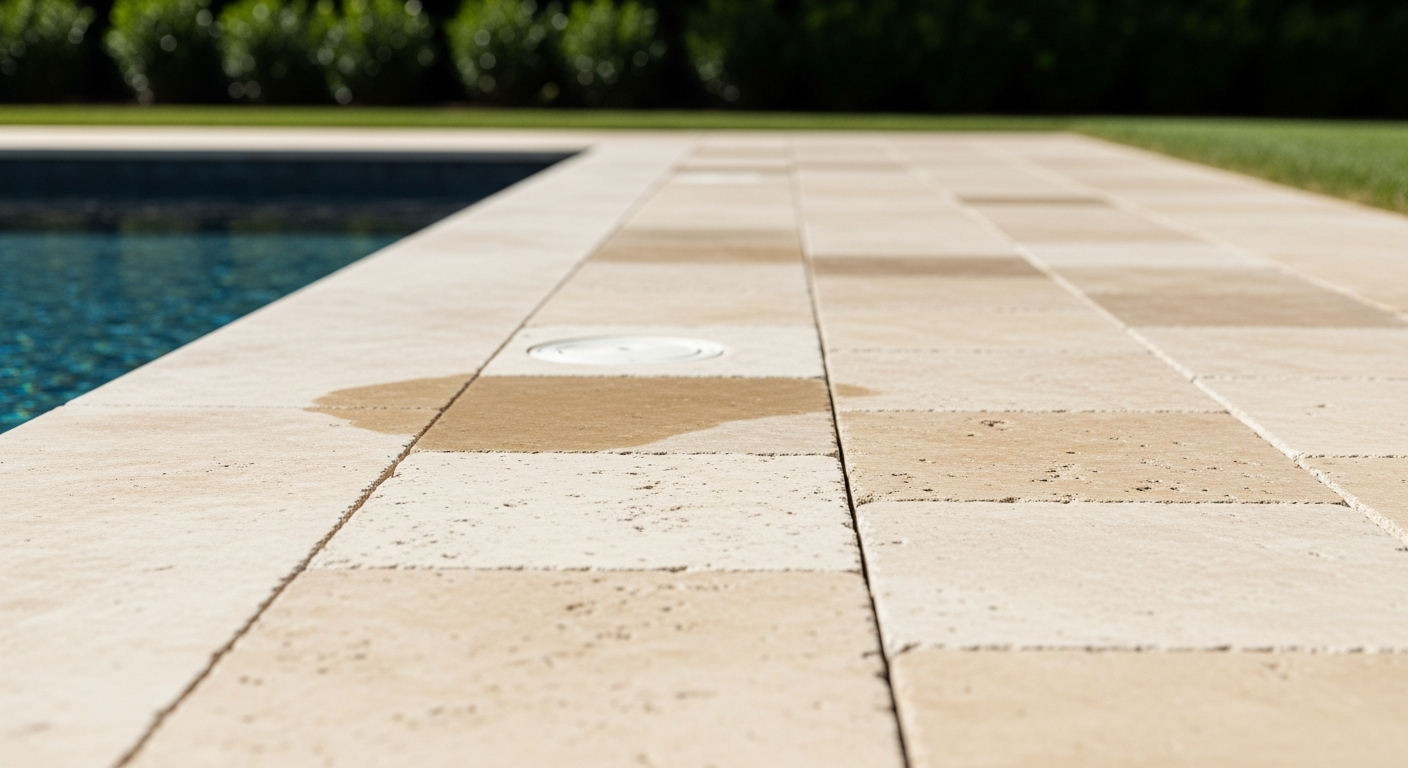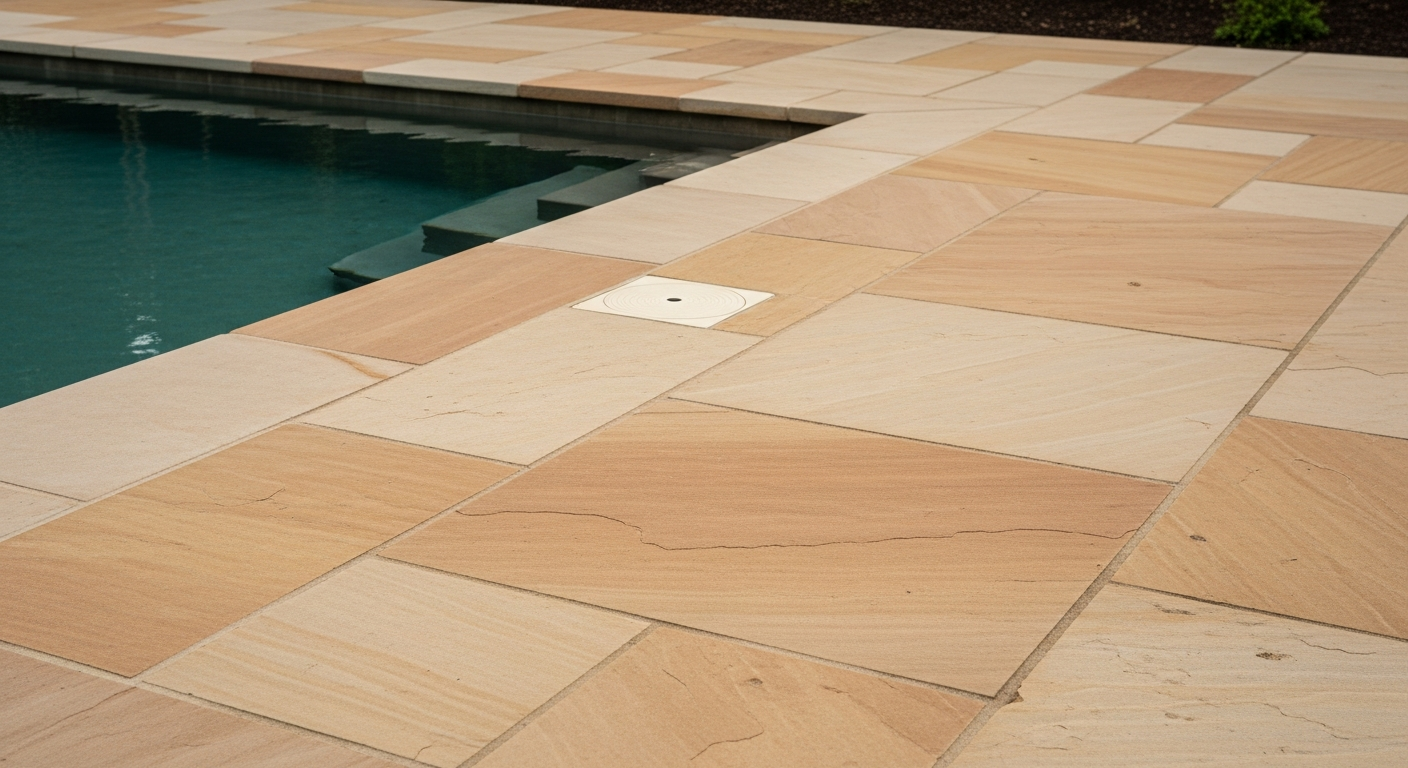
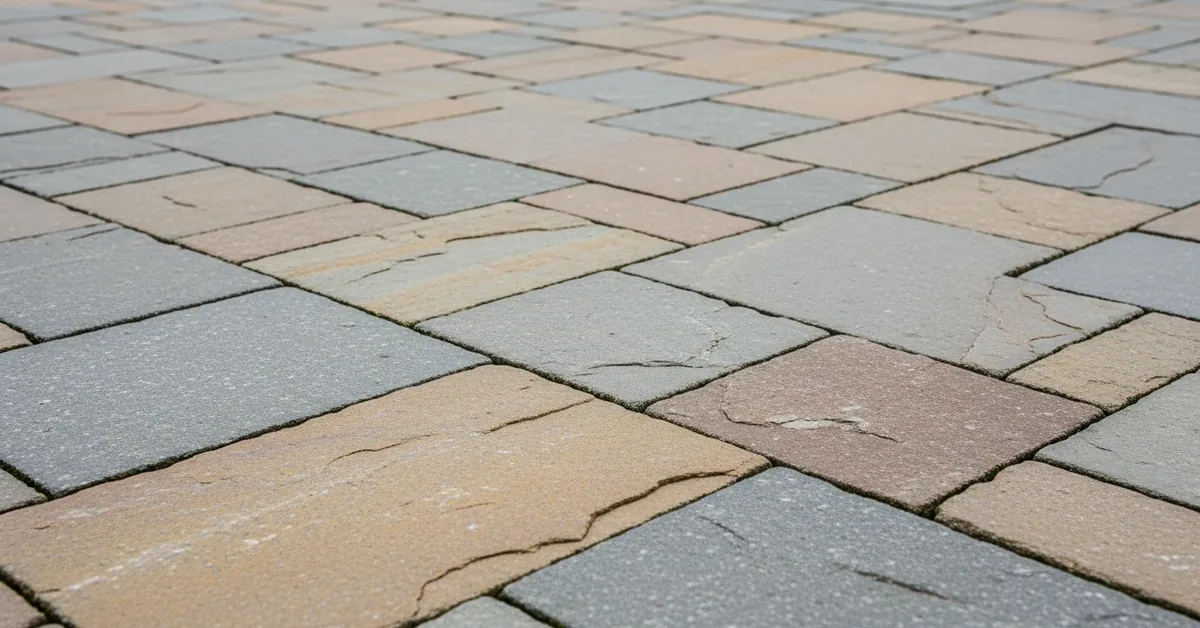
Natural stone pavers are not just a building material; in Sarasota, they are a statement about lifestyle, permanence, and connection to the coastal environment. The most common mistake I see isn't choosing the wrong stone, but rather assuming a standard installation will work here. Our combination of relentless sun, high humidity, salt air, and sandy soil creates a uniquely aggressive environment that can dismantle a poorly planned project in just a few seasons.
From my 15 years installing hardscapes from Lido Key to Palmer Ranch, the success of a natural stone paver project in
From my 15 years installing hardscapes from Lido Key to Palmer Ranch, the success of a natural stone paver project in this region hinges on three non-negotiable factors: a meticulously engineered base, the correct type of sealant, and a jointing material that resists washout from torrential summer rains. The stone itself is often the least likely component to fail; it's the system beneath and between the pavers that determines longevity. Homeowners who focus solely on the color of the travertine often overlook the technical specifications that prevent their investment from sinking or becoming a weed-filled mess.
- Base Preparation: Standard 4-inch compacted bases are insufficient for Sarasota's sandy soil. A minimum 6-8 inch base of compacted aggregate is necessary to prevent settling.
- Material Selection: Travertine is overwhelmingly popular for its heat resistance, but certain grades of limestone and coquina stone offer unique durability against salt spray.
- Sealing is Mandatory: Unsealed porous stone will absorb moisture, salt, and organic stains (like tannins from fallen oak leaves), leading to rapid degradation and discoloration.
- Joint Stabilization: Polymeric sand is the standard, but it must be a high-quality, water-activated formula specifically designed to cure in high-humidity environments to prevent premature failure.
Planning Failures That Undermine Paver Longevity
The most significant errors in natural stone projects happen long before the first paver is laid. Homeowners, often focused on the aesthetic outcome, overlook the technical groundwork. In Sarasota, this oversight is particularly punishing because our environment offers no margin for error. A flawed plan here doesn't just look bad; it fails structurally.
Ignoring proper drainage is a classic example. Many properties, especially west of the Trail, have a high water table and poor natural runoff. Installing a beautiful, expansive limestone patio without planning for water management creates a dam, forcing water back towards the home's foundation or causing widespread erosion and paver shifting during our intense summer downpours. The cost to retrofit a drainage system after the fact can easily add 30-40% to the original project cost.
The Most Expensive Failure: Underestimating the Base
The single most catastrophic mistake is skimping on the paver base. I was called to a project in a newer community east of I-75 where a homeowner had a beautiful travertine pool deck installed just two years prior. The pavers were already sinking, creating dangerous tripping hazards and pooling water. The contractor had used a minimal 4-inch base of crushed shell, which is simply not stable enough for our sandy, shifting subgrade. The entire 1,200 square-foot deck had to be removed, the base re-excavated to 8 inches, and new aggregate brought in and compacted. The client essentially paid for their pool deck twice because of a shortcut hidden underground.
The Installation Process in Practice for Sarasota County
A professional natural stone paver installation in this area is a multi-stage process governed by physics and local conditions. It starts with a thorough site evaluation, assessing soil type, grading, and water runoff patterns. This isn't a quick glance; it involves shooting elevations to ensure water flows away from structures. After excavation, the real work begins with building and compacting the aggregate base in multiple lifts, which is the foundation for everything that follows.
The bedding sand layer is then screeded to a precise thickness, and each paver is laid by hand. Once the pattern is complete, a plate compactor is used to set the pavers into the bedding sand and create a level, interlocked surface. Finally, the joints are filled with polymeric sand and activated with a careful misting of water. This process, when done right, creates a flexible pavement system that can adapt to minor soil movements without cracking or shifting.
Key Selection Criteria for Sarasota Homeowners
- Impervious Surface Ratio: Check your property's impervious surface limits with Sarasota County. A large paver patio can push you over the allowable percentage, requiring more costly permeable paver systems or mitigation efforts.
- HOA Architectural Review: If you live in a community like Lakewood Ranch or The Landings, your HOA's Architectural Review Committee (ARC) will have strict rules on stone type, color, and even the pattern. Get written approval before any work begins.
- Contractor's Experience with Coastal Conditions: Ask potential installers specifically about their base preparation methods for sandy soil and their preferred sealants for high-salt, high-UV environments. A general landscaper may not have this specific expertise.
- Drainage Plan Integration: Ensure the contractor's proposal includes a clear, written plan for managing stormwater, whether it's through proper grading, channel drains, or French drains tied into your property's existing system.
Comparing Natural Stone with Other Paving Options
Natural stone is a premium choice, and it's crucial to understand how it stacks up against other common materials in the Sarasota market. While the upfront cost is higher, its longevity and aesthetic value often provide a better long-term return on investment, particularly for high-end properties where curb appeal and outdoor living are major value drivers.
| Material | Upfront Cost (per sq. ft.) | Durability in Salt Air & UV | Heat Retention (Barefoot Test) |
|---|---|---|---|
| Natural Stone (Travertine) | $20 - $35 | Excellent (with proper sealing) | Low (stays cooler) |
| Concrete Pavers | $15 - $25 | Good (colors can fade) | Moderate to High |
| Poured Concrete | $10 - $18 | Fair (prone to cracking and spalling) | High (gets very hot) |
When Natural Stone Isn't the Right Choice
Despite its benefits, natural stone isn't always the best fit. If your project is on a strict, lower-end budget, the cost of quality stone and the required robust installation can be prohibitive. For high-traffic commercial areas or driveways that will see heavy vehicle use and potential oil stains, high-density concrete pavers often provide a more practical and resilient surface. Admitting this trade-off is important; forcing a material into an application it's not suited for leads to disappointment.
A Safe Hiring Checklist for Your Paver Project
Hiring the right installer is more critical than selecting the stone itself. A great installer can make average stone look fantastic and last for decades, while a poor installer can ruin the most expensive materials. Verifying credentials is non-negotiable.
- Verify Florida State Licensing: Any structural or significant hardscape work requires a licensed contractor. Verify their license is active and in good standing on the Florida Department of Business and Professional Regulation (DBPR) website.
- Confirm Liability and Workers' Comp Insurance: Ask for a Certificate of Insurance directly from their insurer. If a worker gets injured on your property and the contractor is uninsured, you can be held liable.
- Check Sarasota County Permit History: You can look up a contractor's name in the Sarasota County permitting portal to see their history of pulling permits. A long history of completed, approved projects is a very good sign.
- Review a Portfolio of Local, Aged Projects: Don't just look at brand new installations. Ask to see photos or addresses of projects that are 5-10 years old. This is the true test of their installation quality.
- Get a Detailed, Itemized Quote: The proposal should break down costs for materials, labor, base preparation, sealing, and cleanup. Vague, one-line quotes are a red flag.
Decisions That Ultimately Determine the Outcome
Over the years, I've observed that the most successful projects are driven by clients who prioritize the structural integrity of the installation over minor differences in stone pricing. A client who spends time discussing the depth of the base, the type of edge restraint, and the specific polymeric sand formula with their contractor is setting themselves up for success.
The choice of stone is important, but it's a decision within a system. For example, selecting a dark-colored natural sandstone paving for a south-facing pool deck in Sarasota would be a mistake, as it would become unbearably hot. A lighter-colored travertine natural stone paver, however, would be an excellent choice for the same application. The context dictates the best material.
The Moment Most Homeowners Get It Wrong
The critical mistake often happens during the quote comparison phase. Homeowners naturally gravitate towards the lowest bid, but they fail to ask why it's lower. A lower price almost always comes from cutting corners on unseen elements: a thinner base, less compaction, cheaper sand, or an inferior sealer. The most powerful question you can ask a contractor is: "Show me in your contract where you specify the depth of the compacted base and the type of jointing sand you will use." If they can't or won't specify these details in writing, you should walk away.
Practical Answers About Operating in Sarasota
Navigating the local requirements is a key part of any hardscaping project. These are not just suggestions; they are rules that can impact your project's timeline and budget if ignored. Understanding them upfront prevents surprises and delays.
Do I Need a Permit for Pavers in Sarasota?
Generally, patios and walkways laid on a sand or gravel base (not a concrete slab) do not require a building permit in Sarasota County, provided they are not part of a larger structure. However, if the project involves significant grading, alters drainage patterns, or includes retaining walls over a certain height (typically 4 feet), a permit will be required. Always confirm with the Sarasota County Planning and Development Services department before starting work.
HOA Rules for Pavers and Natural Stone Edging
Virtually all planned communities in Sarasota have strict architectural guidelines. For example, HOAs in areas like Siesta Key or Longboat Key may have specific palettes for acceptable stone colors to maintain a cohesive coastal aesthetic. They will also regulate natural stone edging for driveways and garden beds. Submitting your full plan, including material samples, to your HOA's architectural review committee for written approval is the first step after selecting a contractor.
Florida Building Code and Pool Decks
Any paver work done around a swimming pool must comply with the Florida Building Code. This includes requirements for a non-slip surface and proper bonding and grounding if the pavers are part of the pool's equipotential bonding grid. A licensed and experienced pool deck contractor will understand these critical safety requirements. Using an unlicensed handyman for this work is not just a code violation; it's a serious safety risk.