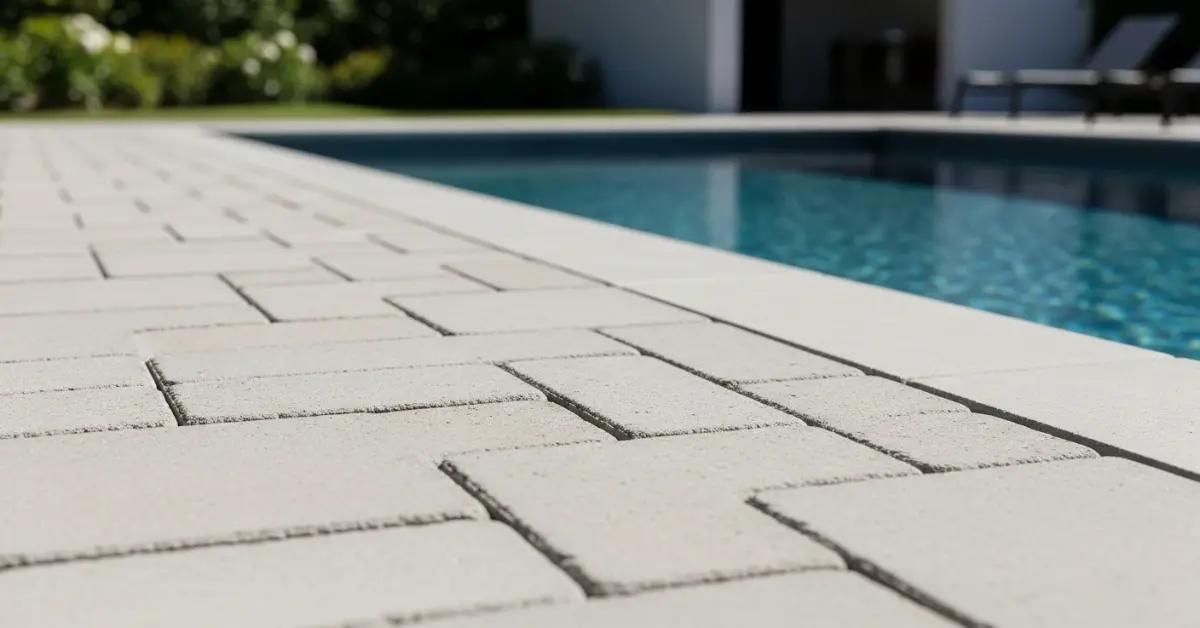
Choosing outdoor pavers in Sarasota is less about the paver itself and more about the system beneath it. In my
Choosing outdoor pavers in Sarasota is less about the paver itself and more about the system beneath it. In my experience, over 90% of paver failures I'm called to fix—from sinking pool decks in The Landings to uneven patios in Gulf Gate—trace back to a poorly executed base, not a faulty stone. The sandy, water-logged soil here is unforgiving; skimping on base preparation to save a few dollars upfront almost guarantees a complete re-installation within five years. The material you choose must also contend with our brutal sun and humidity, making heat retention and porosity as important as appearance.
- Base Compaction: The foundation must be a minimum of 4-6 inches of compacted aggregate (like DOT-certified road base), not just sand.
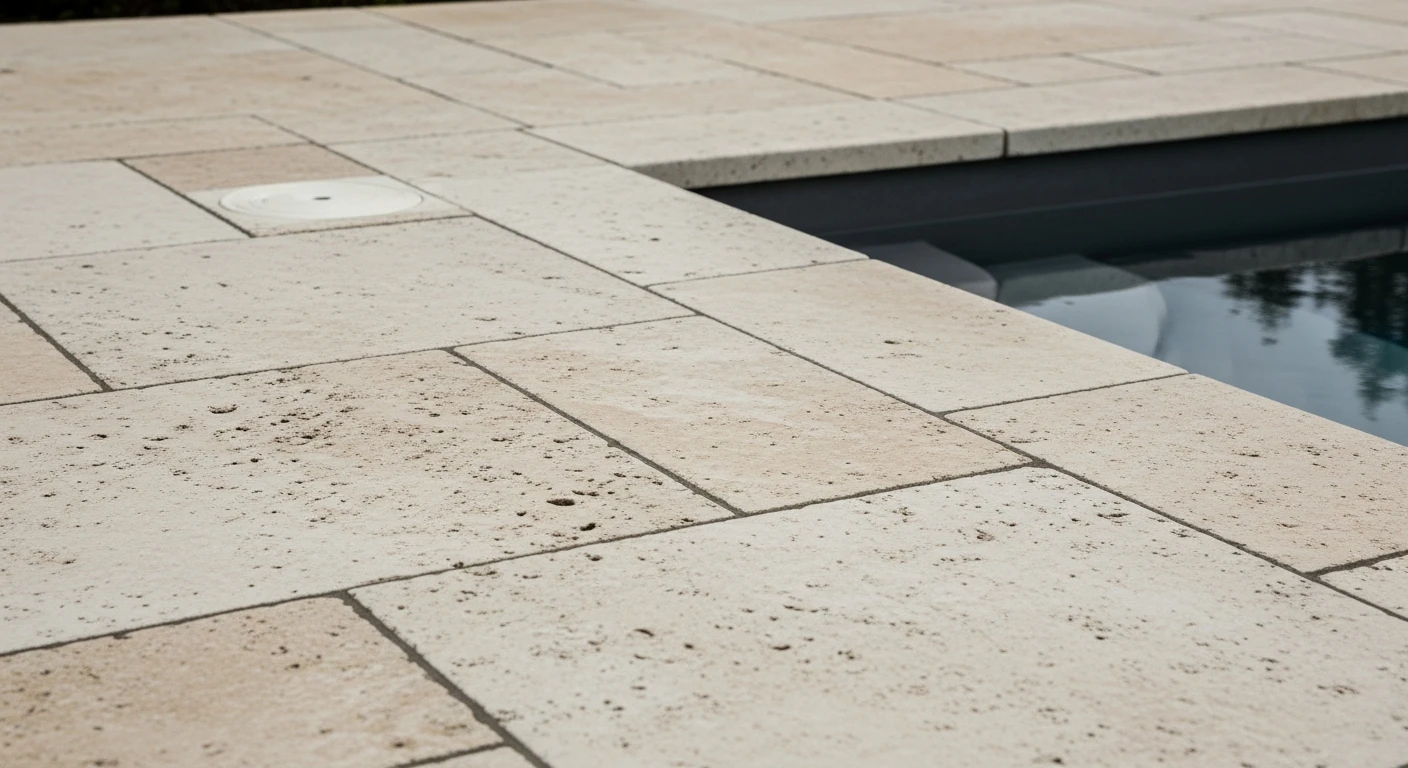
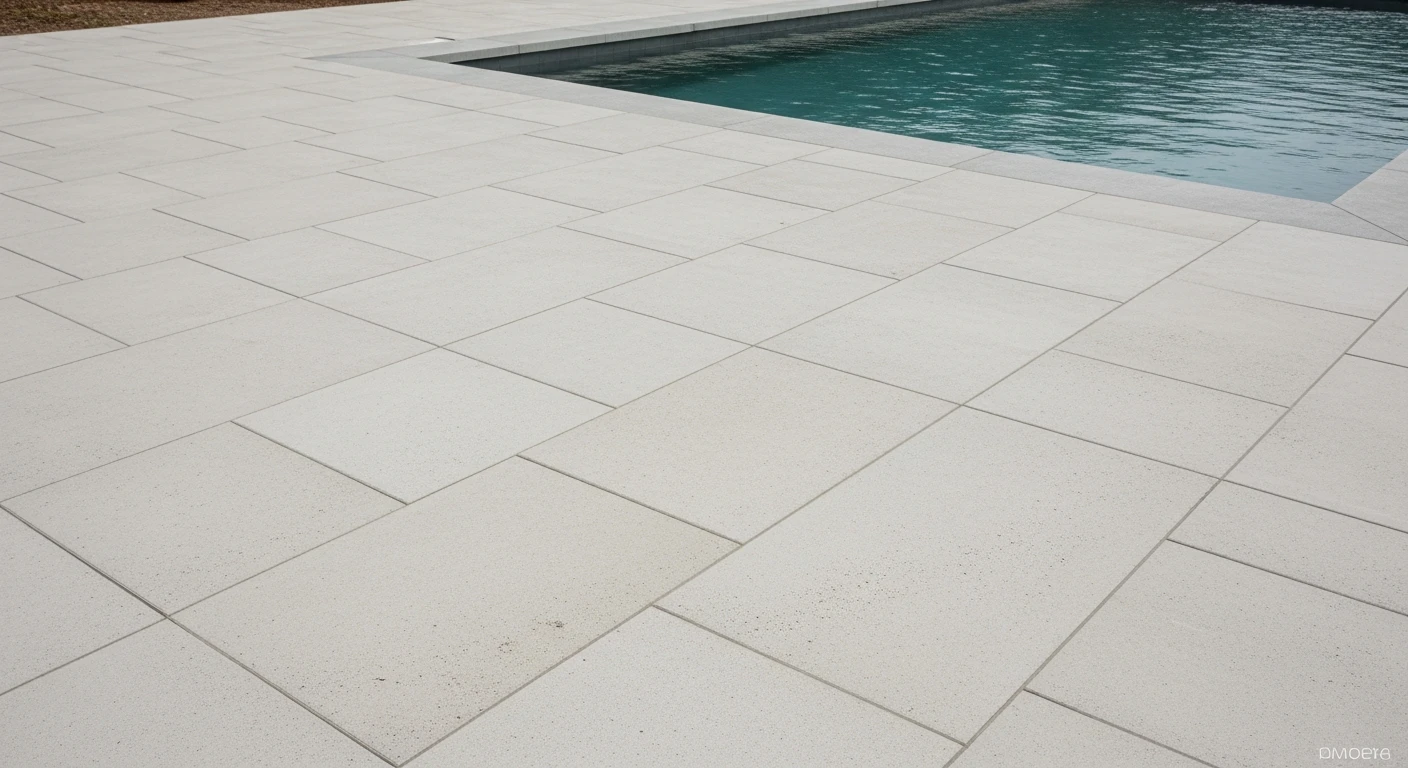
- Material Suitability: Light-colored travertine and specific porcelain pavers offer the best combination of low heat absorption and slip resistance for pool decks.
- Drainage Engineering: Proper slope (a minimum of 1/4 inch per foot) and edge restraints are essential to manage storm water and prevent erosion of the base.
- HOA Compliance: Most planned communities, such as Lakewood Ranch or Palmer Ranch, require pre-approval of paver style, color, and installation plans.
The Critical Errors in Paver Selection for Sarasota Homes
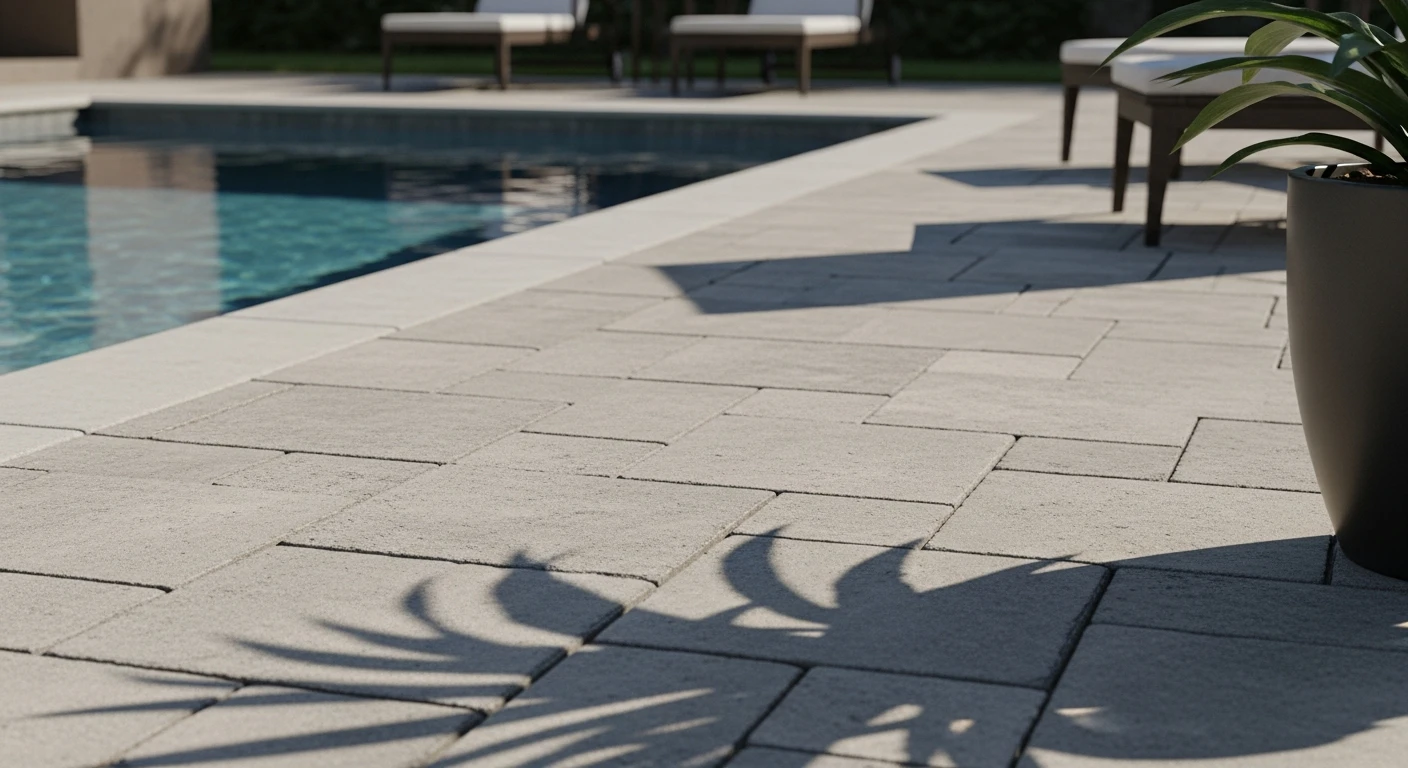
The most common mistake is choosing a paver based solely on its look in a showroom. Homeowners fall in love with a dark, dense paver that looks fantastic, only to find it's unusable for half the year. In Sarasota, solar heat absorption is a primary functional concern, especially for patios and pool surrounds. A dark slate or granite paver can easily reach 140°F in the July sun, making it dangerous for bare feet.
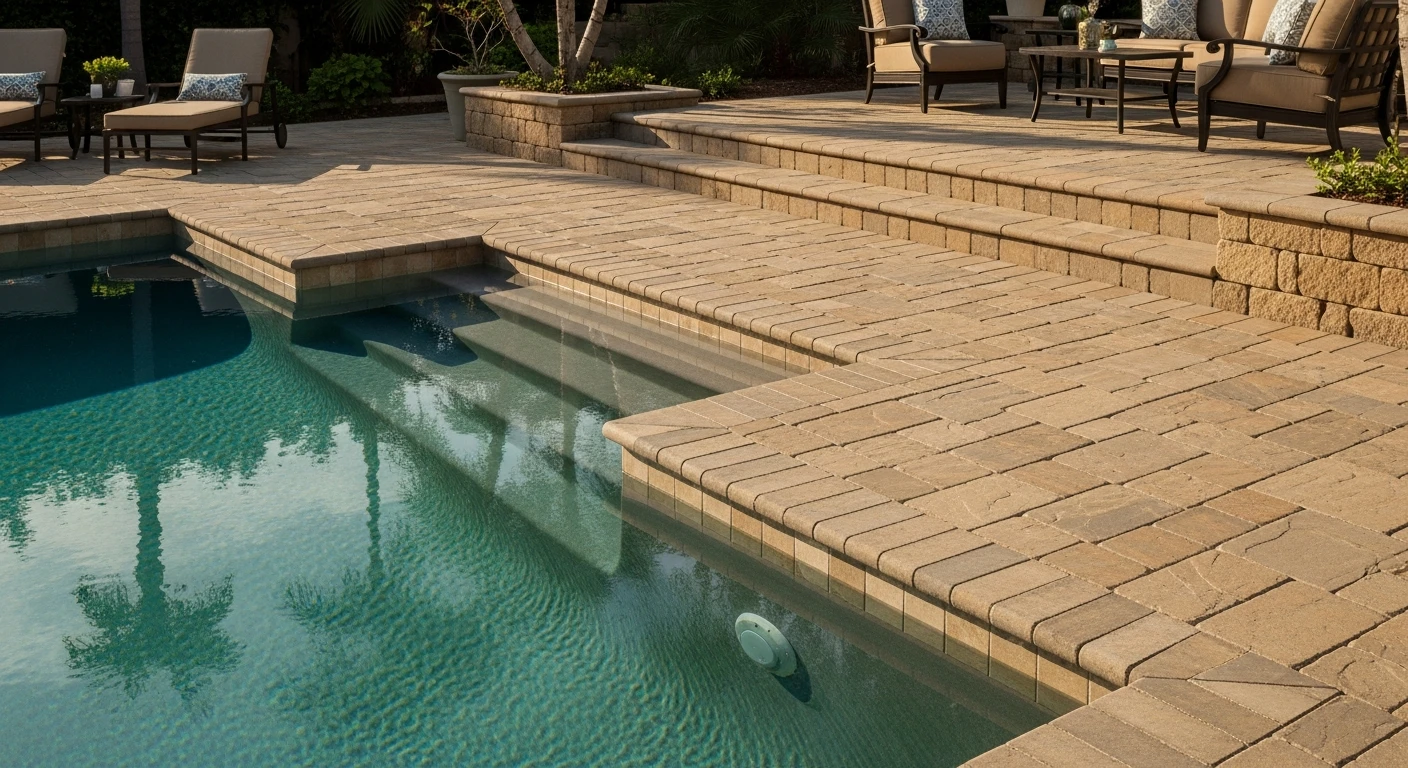
Another frequent misstep is underestimating our humidity. Porous concrete pavers, while budget-friendly, can become a breeding ground for mold and mildew if not sealed meticulously and regularly. In shaded or damp areas, they will turn green and become incredibly slippery. The cost of pressure washing and resealing every 12-18 months quickly erodes the initial savings.
The Most Expensive Mistake: Ignoring Soil and Base Prep
The single most costly failure I see is treating the paver base as an afterthought. Contractors looking to cut corners will lay pavers on a thin layer of sand directly over our native soil. This approach is doomed to fail in Sarasota. Our sandy soil shifts and settles, especially after heavy rains. Without a properly excavated and compacted aggregate base, pavers will begin to sink and separate within the first year, creating dangerous uneven surfaces. A full tear-out and re-installation, which often costs more than the original project, becomes the only solution.
The Paver Installation Process Tailored for Florida's Gulf Coast
A professional paver installation in this region is a multi-stage engineering project. It begins with excavation, removing at least 7-9 inches of topsoil and organic matter. This is followed by the installation and compaction of a geotextile fabric, which prevents the base material from sinking into the subsoil. Then, the aggregate base is laid in lifts, with each 2-3 inch layer being mechanically compacted to achieve optimal density. This robust foundation is what ensures a long-lasting, stable surface.
Only after the base is perfectly graded for drainage is a one-inch layer of bedding sand screeded for the pavers to be set on. Once laid, heavy-duty edge restraints are installed to lock the perimeter. Finally, the joints are filled with polymeric sand, which, when activated with water, hardens to prevent weed growth and insect intrusion while allowing for slight flex.
Homeowner Selection Criteria for Sarasota Projects
- Verify Base Specification: Your contract must explicitly state a minimum of 4 inches of compacted aggregate base (e.g., #57 stone or recycled concrete). If it just says "sand base," walk away.
- Check Contractor's License & Insurance: Ensure they hold a valid license with Sarasota County and carry General Liability and Worker's Compensation insurance. Ask for the certificate.
- Ask for Local, Recent References: Speak to homeowners in areas with similar soil, like Casey Key or Siesta Key, about how their installation has held up after a few rainy seasons.
- Inquire About Sealing: Discuss the type of sealer they recommend for your chosen paver and our climate. A high-quality, breathable, non-slip sealer is essential.
Comparing Paver Materials for the Sarasota Climate
Choosing the right material involves balancing cost, maintenance, and performance under intense UV and moisture. While concrete pavers are the most common entry-level option, their long-term performance in our climate can be disappointing without diligent upkeep. For Sarasota, I find the value lies in materials specifically suited for heat and humidity.
| Feature | Travertine Pavers | Porcelain Pavers | Concrete Pavers |
|---|---|---|---|
| Heat Retention | Very Low (stays cool) | Low to Moderate | High (especially dark colors) |
| Porosity / Stain Risk | Porous (must be sealed) | Extremely Low (stain resistant) | High (stains easily if unsealed) |
| Slip Resistance | Excellent (tumbled finish) | Excellent (textured surface) | Good (can become slick with algae) |
| Upfront Cost | High | High | Low to Moderate |
| Maintenance | Requires sealing every 2-3 years | Minimal; pressure wash as needed | Requires sealing every 1-2 years |
When Pavers Are Not the Right Choice
Despite their popularity, pavers are not always the ideal solution. If your property has significant issues with large, established tree roots from Live Oaks or Banyan trees, pavers will eventually be heaved and displaced. In these specific cases, a reinforced, monolithic concrete slab or a raised wood or composite deck might be a more stable long-term solution, as they can be engineered to bridge over problematic root zones.
A Safe Hiring Checklist for Paver Contractors
Hiring the right installer is more important than selecting the most expensive paver. A great installer can make budget-friendly pavers last for decades, while a poor one can ruin the finest travertine. Use this checklist to vet potential contractors in the Sarasota area.
- Confirm ICPI Certification: Ask if their crew leader is certified by the Interlocking Concrete Pavement Institute. This is the industry standard for proper technique.
- Review the Contract for Details: The contract should specify base depth, base material type, compaction methods, paver type, edge restraint type, and the type of joint sand. Vague contracts are a red flag.
- Verify Sarasota County Business Tax Receipt: Every legitimate business operating in the county must have one. It's a basic check for legitimacy.
- Understand the Warranty: A reputable installer will offer at least a 2-year warranty on their workmanship, covering issues like sinking or settling. Get it in writing.
- Request a Project Plan for HOA Submission: They should be able to provide a clear drawing and material list for you to submit to your HOA's Architectural Review Committee.
- Inquire About Site Cleanup: Professional crews leave the job site clean, haul away all debris, and protect surrounding landscaping during the installation process.
Decisions That Define Paver Project Success
The success of a paver project hinges on decisions made long before the first stone is laid. The first is allocating a realistic budget. A quality paver installation, with a proper base, can range from $18 to $30+ per square foot in the Sarasota market, depending on material and site complexity. Projects priced significantly below this range are almost certainly cutting corners on the base.
The second critical decision is choosing a material for function first, aesthetics second. For a pool deck, this means prioritizing a light-colored, low-slip, cool-to-the-touch paver like tumbled travertine or textured porcelain. For a driveway, it means choosing a paver rated for vehicular loads, which is typically thicker (at least 80mm) and installed over an even deeper base.
The Moment Most Homeowners Get It Wrong
The biggest mistake is made during the estimate comparison. Homeowners often line up three bids and gravitate toward the lowest price, assuming the process is standardized. They fail to see that the bids are for entirely different products. One contractor is bidding on a 6-inch compacted base system designed to last 20 years, while another is bidding on a 2-inch sand base that will fail in two. You must compare the base preparation specifications line-by-line. If a bid seems too good to be true, it is because the foundation—the most critical part—is what has been removed.
Practical Answers for Paver Projects in Sarasota
Navigating the local requirements is key to a smooth project. The process involves more than just the contractor; it often includes county and neighborhood oversight. Understanding these bureaucratic steps upfront prevents costly delays and disputes.
Do I Need a Permit for Outdoor Pavers?
Generally, installing pavers for a patio or walkway at ground level does not require a permit from Sarasota County. However, if the paver installation is part of a larger project, such as a new pool, or if it involves constructing retaining walls over a certain height (typically 2-4 feet), a permit will be required. Always verify with the Sarasota County Planning and Development Services department before starting work.
Navigating HOA Architectural Review Committees
For homeowners in communities like The Meadows or University Park, the HOA's Architectural Review Committee (ARC) has the final say. You must submit your project plans, including paver type, color, and a site plan showing the location, before any work begins. Approval can take several weeks, so this must be the first step. Proceeding without ARC approval can result in fines and a mandate to remove the installation at your own expense.
Florida Building Code and Pool Decks
When installing pavers around a swimming pool, the installation must comply with the Florida Building Code. This includes requirements for proper drainage sloping away from the pool, non-slip surfaces, and ensuring that the paver deck is electrically bonded if it is within a certain proximity to the pool shell. Your contractor must be knowledgeable about these specific codes to pass the final inspection if one is required for the project.