From my direct experience on projects from Palmer Ranch to Lido Key, the most significant mistake homeowners make is
From my direct experience on projects from Palmer Ranch to Lido Key, the most significant mistake homeowners make is viewing paver cleaning as a simple cosmetic task. In Sarasota's environment, it's a critical maintenance procedure. The relentless humidity and intense sun don't just stain pavers; they create a breeding ground for black mold and algae that degrade the paver joints and surface integrity. A proper service is not just about a power wash; it's a multi-step restoration that protects a five-figure investment in your hardscaping.
- Climate Impact: Sarasota's high humidity and frequent rain accelerate organic growth (mold, algae) within weeks, not months.
- Joint Stabilization: The primary failure point is not the paver but the sand in the joints; cleaning must be followed by re-sanding.
- Sealing is Non-Negotiable: Unsealed pavers in Florida absorb moisture, oils, and stains, making future cleaning exponentially harder and less effective.
- Equipment Matters: Using the wrong pressure or nozzle can permanently etch or scar pavers, a common result of DIY attempts.
The Critical Difference Between Cleaning and Restoring Pavers
True professional paver cleaning is a restoration process, not a simple pressure wash. The goal isn't just to remove surface dirt but to eradicate organic growth from the pores of the stone and, most importantly, to stabilize the entire paver system. When a company just blasts the surface with high pressure, they are actively damaging your patio by removing the critical jointing sand that locks the pavers together.
This sand is what prevents the pavers from shifting, sinking, and becoming uneven. I've been called to properties in The Meadows where a cheap “power wash patio pavers” service left the homeowner with a clean but structurally compromised patio that required thousands in repairs to re-level and re-sand. The real work isn't just cleaning; it's the meticulous re-sanding and sealing that follows. This is what separates a one-year fix from a multi-year solution.
Why a Simple Pressure Washer Fails in Sarasota
A standard pressure washer, even a powerful one, cannot address the root cause of the problem here. It blasts away the surface layer of mold but leaves microscopic spores behind in the porous paver surface. Without a proper fungicidal cleaning solution, that mold will visibly return in as little as 60-90 days during our rainy season. Furthermore, the high pressure forces water deep into the base layer beneath the pavers, which can lead to settling issues and efflorescence—that white, chalky substance that appears as the water evaporates and draws mineral salts to the surface.
Understanding the Correct Paver Cleaning and Sealing Process
A professional, multi-step process is the only way to achieve a lasting result that protects the paver structure. It's a methodical system that addresses the unique challenges of our coastal Florida environment. Each step is designed to solve a specific problem, from organic growth to joint instability.
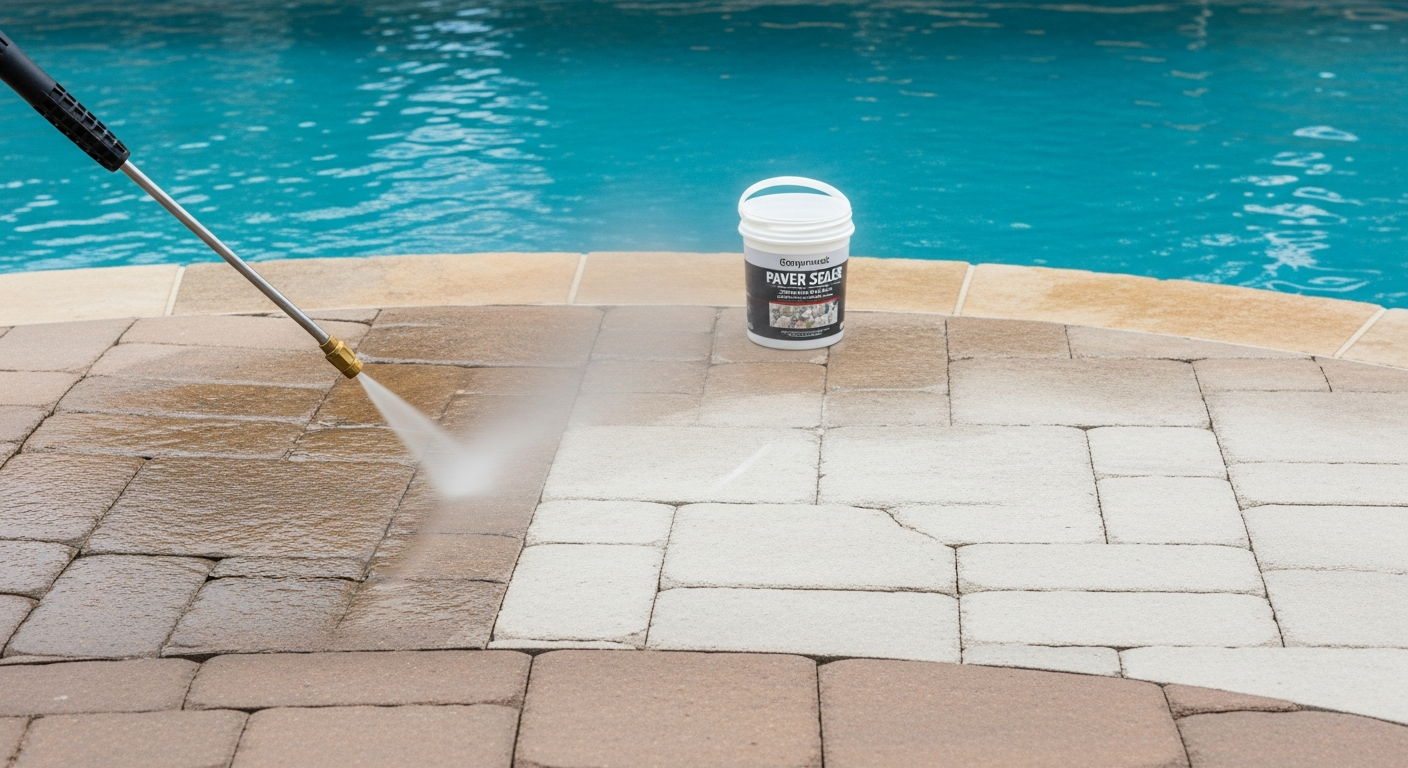
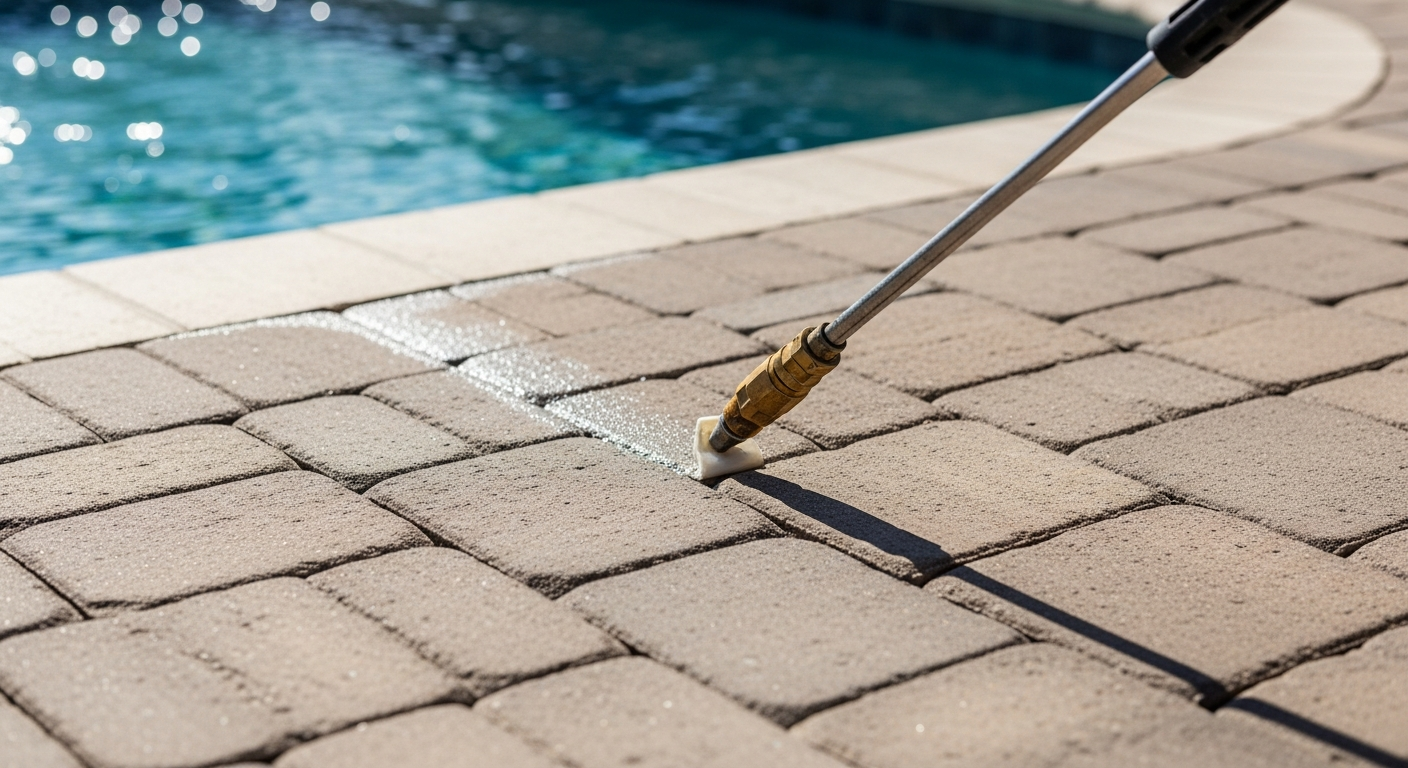
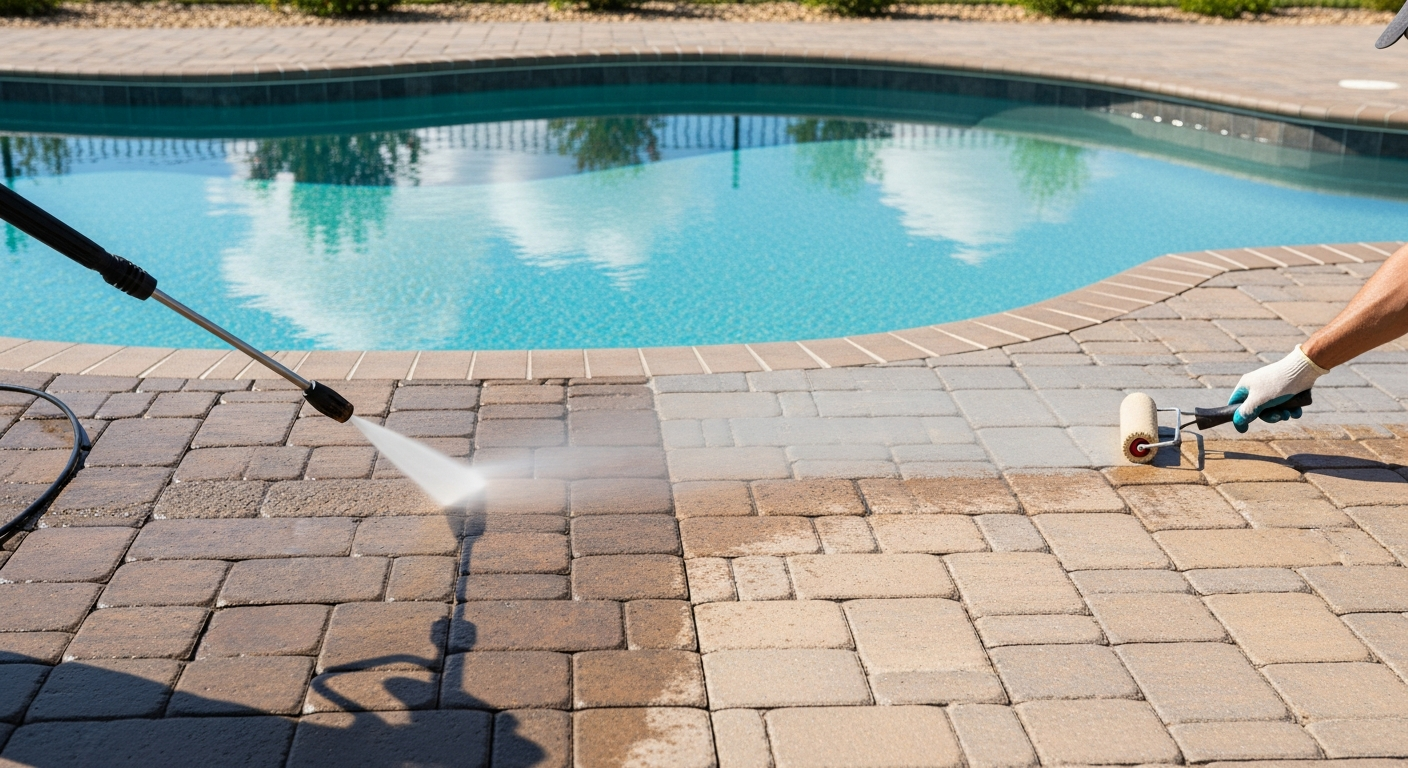
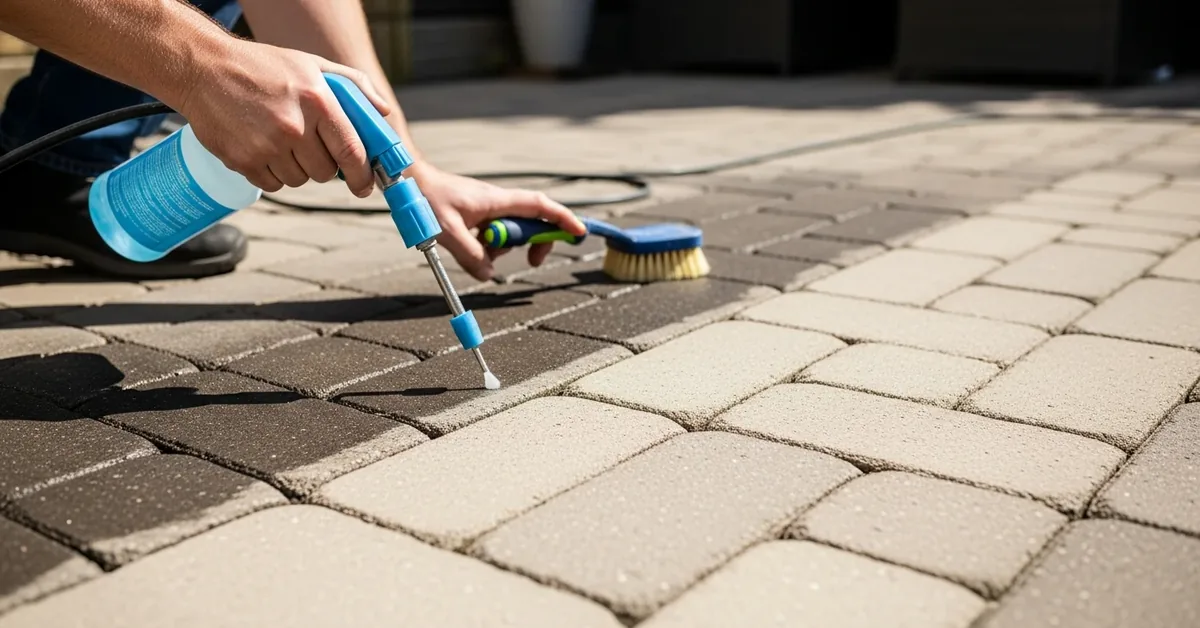
The process begins with a low-pressure application of a specialized cleaning solution for patio pavers, designed to kill mold and algae at the root. After a sufficient dwell time, we use a surface cleaner attachment—not a high-pressure wand—to gently but effectively lift the dead organic matter and grime without dislodging excessive amounts of joint sand. This is the key difference; it cleans without destructive force. Only after a thorough rinse and drying period can the crucial steps of re-sanding and sealing begin.
Key Steps for a Professional Outcome
- Surface Preparation and Pre-Treatment: Application of a biodegradable, anti-fungal cleaner to kill spores deep within the paver pores. This step is what prevents the rapid regrowth of black mold.
- Controlled Pressure Cleaning: Using a professional-grade surface cleaner at pressures typically between 1,500 and 2,500 PSI, depending on the paver type, to avoid surface damage.
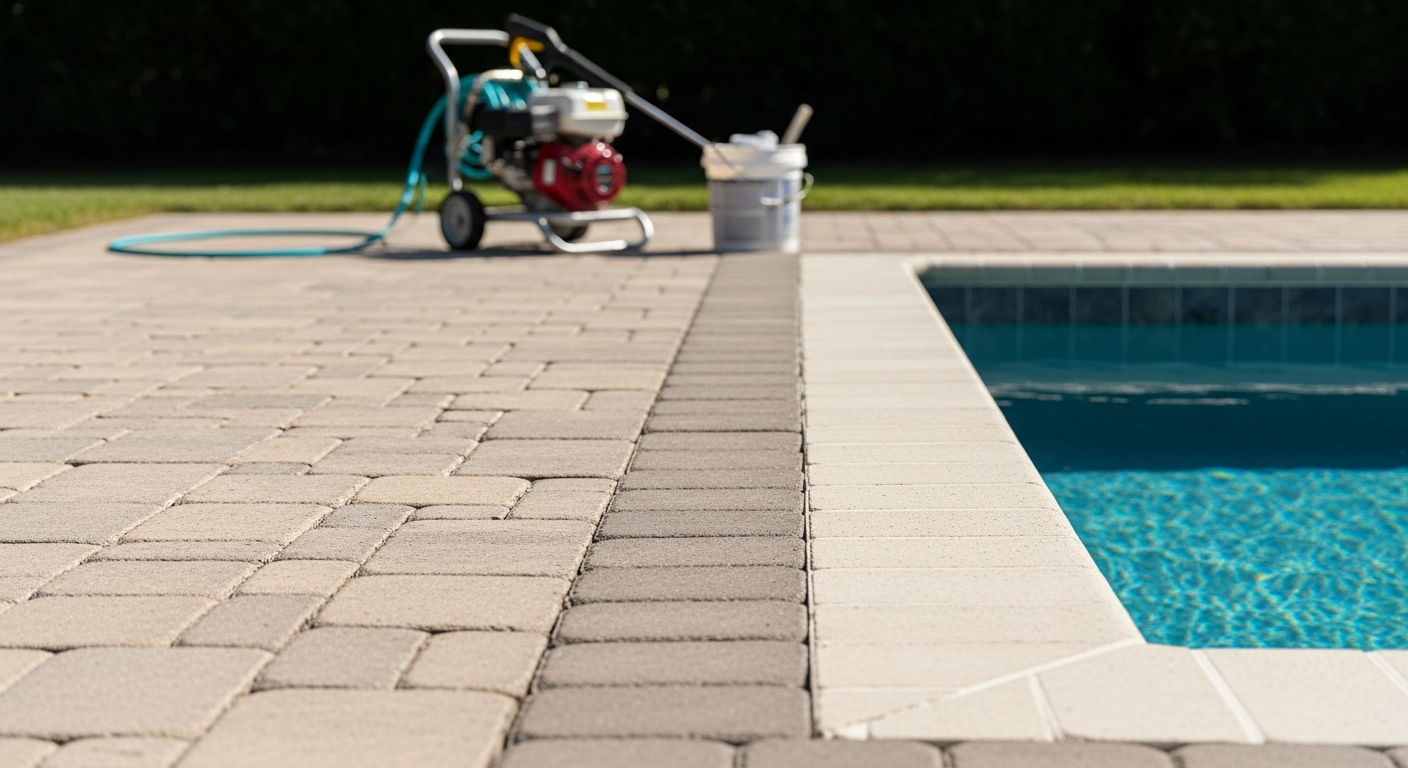
- Joint Re-sanding: After the pavers are completely dry, sweeping new, high-grade polymeric sand into all the joints. This sand contains a binder that hardens when wet, locking pavers in place and inhibiting weed growth.
- Application of a Quality Sealer: Two coats of a high-quality, breathable, non-slip sealer are applied. This protects against UV fading, stains, and moisture intrusion, making future cleaning far easier.
The High Cost of DIY vs. Professional Paver Cleaning
Homeowners often look at the cost of a professional service and compare it to a weekend pressure washer rental. This is a fundamental misunderstanding of the job. The comparison isn't between two cleaning methods; it's between a restorative maintenance procedure and an activity that often causes damage. A DIY job risks permanent paver etching, joint failure, and rapid regrowth of mold, creating a cycle of cleaning that never truly solves the problem.
I consulted with a homeowner in a Lakewood Ranch community who had pressure washed his own travertine pool deck for two years. He had etched swirl marks into the stone from using a turbo nozzle and had washed out so much joint sand that several pavers were rocking dangerously. The cost to have my team come in, professionally sand, and repair the damaged sections was nearly double what a routine clean and seal service would have been from the start. The perceived savings from DIY were completely erased by the eventual cost of repair.
Comparing Approaches to Paver Maintenance
| Factor | DIY Pressure Washing | Professional Cleaning & Sealing | "Wash Only" Handyman Service |
|---|---|---|---|
| Initial Cost | Low (~$100 rental/day) | High (typically starts at $0.75-$1.50/sq ft) | Medium |
| Risk of Damage | Very High (etching, joint washout) | Very Low (with a reputable pro) | High (uses improper pressure) |
| Longevity of Result | 2-4 months | 2-3 years | 4-6 months |
| Structural Protection | Negative (damages joints) | Positive (stabilizes with sand/sealer) | Negative (washes out sand) |
Hiring a Paver Specialist in the Sarasota Area
The market is saturated with individuals who own a pressure washer and offer a “paver power washing near me” service. The vast majority are not paver restoration specialists. They lack the right equipment, the knowledge of chemical cleaners, and an understanding of the importance of sanding and sealing. Hiring the wrong person can be more damaging than doing nothing at all.
When vetting a company, you must move beyond price. Ask about their specific process. Do they talk about polymeric sand? Do they mention different types of sealers for different types of stone (e.g., travertine vs. concrete pavers)? Do they use a surface cleaner attachment? Their answers to these questions will reveal their level of expertise. A true professional will lead the conversation with these topics, not just a price per square foot.
Checklist for Vetting a Contractor
- Verify Licensing and Insurance: Ask for proof of general liability and worker's compensation insurance. In Florida, this is non-negotiable.
- Ask for a Portfolio of Local Work: They should be able to show you before-and-after photos of projects completed in the Sarasota or Manatee County area.
- Inquire About Their Sealer Choice: Ask what brand of sealer they use and why. A professional will explain the benefits of a water-based vs. solvent-based sealer for your specific needs.
- Confirm They Use Polymeric Sand: If they say they use regular play sand, they are not a specialist. Polymeric sand is essential for joint stabilization and weed prevention.
- Get a Detailed, Itemized Quote: The proposal should break down the cost for cleaning, re-sanding, and sealing as separate line items.
- Discuss Their Rain Policy: A professional will have a clear protocol for rescheduling if rain is forecast, as pavers must be bone-dry for sanding and sealing.
The Decision That Guarantees a Lasting Result
The single most important decision is committing to the full process: clean, re-sand, and seal. Many homeowners, in an effort to save money, opt for a cleaning-only service. This is the most common and costly mistake I see. Cleaning without re-sanding and sealing leaves the paver joints empty and vulnerable. Weeds will return within a month, and the pavers will begin to shift.
You essentially pay for a temporary cosmetic improvement while accelerating the structural decline of your patio. The real value is in the sealing, which provides the long-term protection. Skipping it to save 40-50% of the upfront cost guarantees you will be paying for the full service again within a year, often with added repair costs.
When to Schedule Your Paver Maintenance
The best time for paver cleaning and sealing in Sarasota is during the drier seasons—typically fall and spring. Attempting this work during the peak of the summer rainy season is challenging. The constant threat of afternoon thunderstorms can wash out fresh sand and ruin a new coat of sealer. A professional will monitor the forecast closely and require a clear 24-48 hour window post-application for the sealer to properly cure without rain. Planning ahead for a service in October or April often yields the best, most durable results.
Navigating Paver Cleaning in Sarasota's Regulatory Environment
While a simple cleaning job doesn't require permits, understanding local regulations and community rules is crucial, especially concerning water usage and chemical runoff. In many planned communities, there are specific rules about where wastewater can be directed. A professional contractor knows how to manage this to remain compliant.
HOA Compliance in Gated Communities
In communities like University Park or Lakewood Ranch, the HOA's Architectural Review Committee (ARC) often has standards for the appearance of hardscaping. A dirty, moldy patio or driveway can result in a violation notice. When hiring a contractor, ensure they are familiar with working within these communities. They need to be respectful of noise ordinances, parking rules, and, most importantly, deliver a result that meets the community's aesthetic standards. The pressure washing itself can be noisy, so scheduling should respect neighborhood quiet hours.
Managing Water Runoff and Environmental Concerns
Sarasota County is very protective of its waterways, including Sarasota Bay. Professional contractors are required to prevent chemical and debris runoff from entering storm drains. This involves using reclamation systems or, at a minimum, filter socks and blocking drains. Asking a potential contractor about their runoff prevention methods is a key indicator of their professionalism and environmental responsibility. A handyman with a pressure washer is unlikely to take these necessary precautions.
Choosing the Right Sealer for Coastal Conditions
The sealer used on a property on Siesta Key should be different from one used further inland. Proximity to salt air requires a sealer with high resistance to salt degradation. A solvent-based acrylic sealer often performs better in these coastal environments, providing a tougher protective film. Further inland, a water-based penetrating sealer might be preferable for a more natural look while still providing excellent mold and mildew resistance. A true specialist understands this nuance and won't use a one-size-fits-all product.