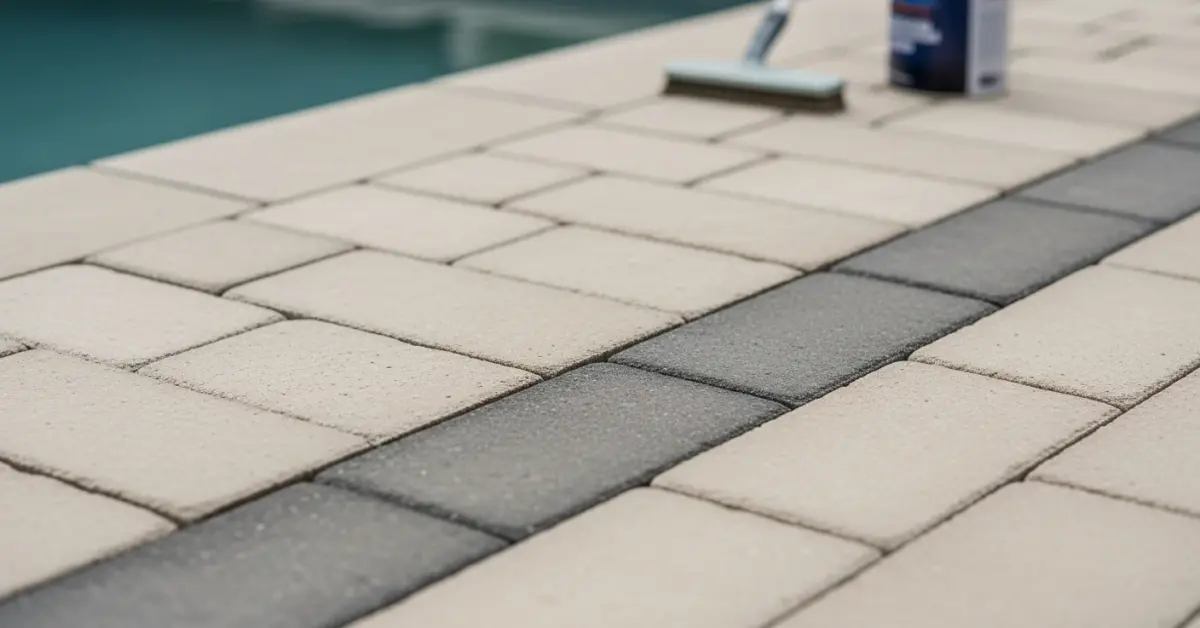
Why Standard Cleaning Fails Sarasota Patios
After more than a decade restoring paver patios in Sarasota County, I can state with certainty that the single biggest
After more than a decade restoring paver patios in Sarasota County, I can state with certainty that the single biggest waste of money for homeowners is paying for a simple pressure wash without proper joint re-sanding and sealing. The intense, year-round humidity and torrential summer rains here create a perfect breeding ground for algae and mold. Blasting the surface clean without addressing the compromised joints and porous paver surface is an invitation for regrowth, often within six months. True restoration is a multi-step process that re-establishes the structural integrity of the paver system, protecting it from the inside out.
- Sarasota’s Climate Impact: High humidity and UV exposure rapidly break down standard polymeric sand and cheap sealers.
- The Root Cause of Failure: Weeds, moss, and algae grow in washed-out joint sand, not on the paver surface itself.
- Structural vs. Cosmetic: Restoration stabilizes pavers by locking them together with new, high-grade polymeric sand, preventing shifting and sinking.
- Long-Term Protection: Professional-grade, non-slip sealers block moisture absorption and inhibit organic growth, extending the patio's life significantly.
The Planning Failures That Double Restoration Costs
The most common mistake I see is delaying restoration until the patio shows signs of structural failure—widespread weed growth, uneven surfaces, or pavers that rock underfoot. Homeowners often treat paver maintenance as purely cosmetic, waiting until it looks “bad enough” to call someone. This delay turns what could have been a straightforward cleaning, re-sanding, and sealing job into a much more intensive paving stone repair project.
The Most Expensive Failure: Ignoring the Joints
I was called to a property in Palmer Ranch where the homeowner had their beautiful travertine paver patio pressure washed twice a year by a landscaping crew. They couldn't understand why the algae kept returning so aggressively. When I arrived, I could see the problem from ten feet away: the joint sand was almost completely gone. Water was pooling directly in the joints and under the pavers, creating a permanently damp environment. The pavers had started to sink and shift, creating tripping hazards. What should have been a $2,500 restoration job two years prior had become a $6,000 project involving lifting, re-leveling, and then completing the full restoration process.
The Restoration Process for a Sarasota Climate
A professional restoration is a systematic process designed to counteract the specific damage caused by our coastal Florida environment. It's not just about cleaning; it's about deconstruction and reconstruction of the patio's most vulnerable components. The process is meticulous and cannot be rushed, often taking 2-3 days depending on the weather and cure times.
Key Steps for a Lasting Result
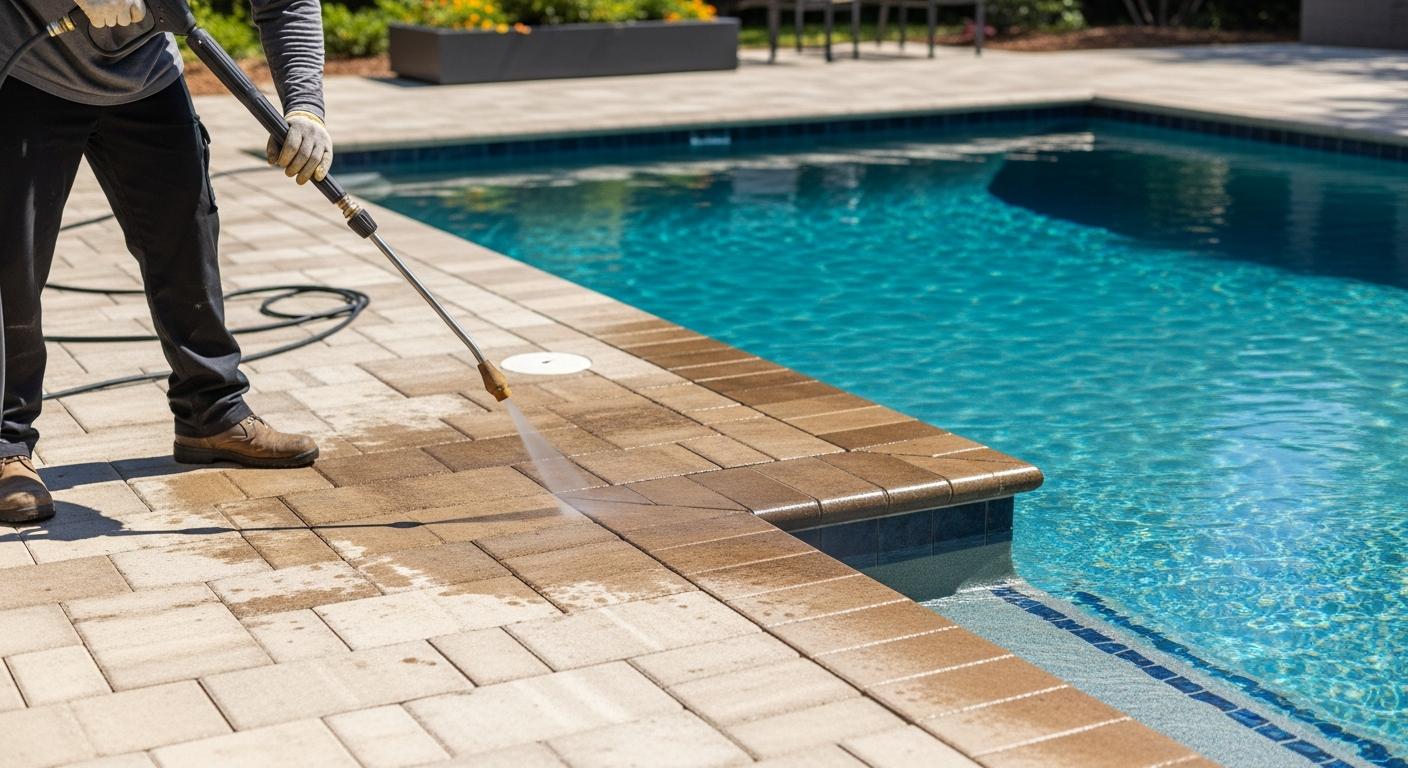
- Deep Cleaning & Joint Evacuation: We use specialized surface cleaners and, when necessary, hot water pressure washers to remove all organic growth, efflorescence (white mineral deposits), and old, failed sealer. Critically, we also use high-pressure rotating nozzles to blast out all the old, contaminated joint sand and debris to a depth of at least one inch.
- Paver Repair and Leveling: Any sunken, shifted, or broken pavers are addressed at this stage. This involves lifting the affected stones, re-grading the base material underneath, and re-compacting it to ensure a stable, level surface.
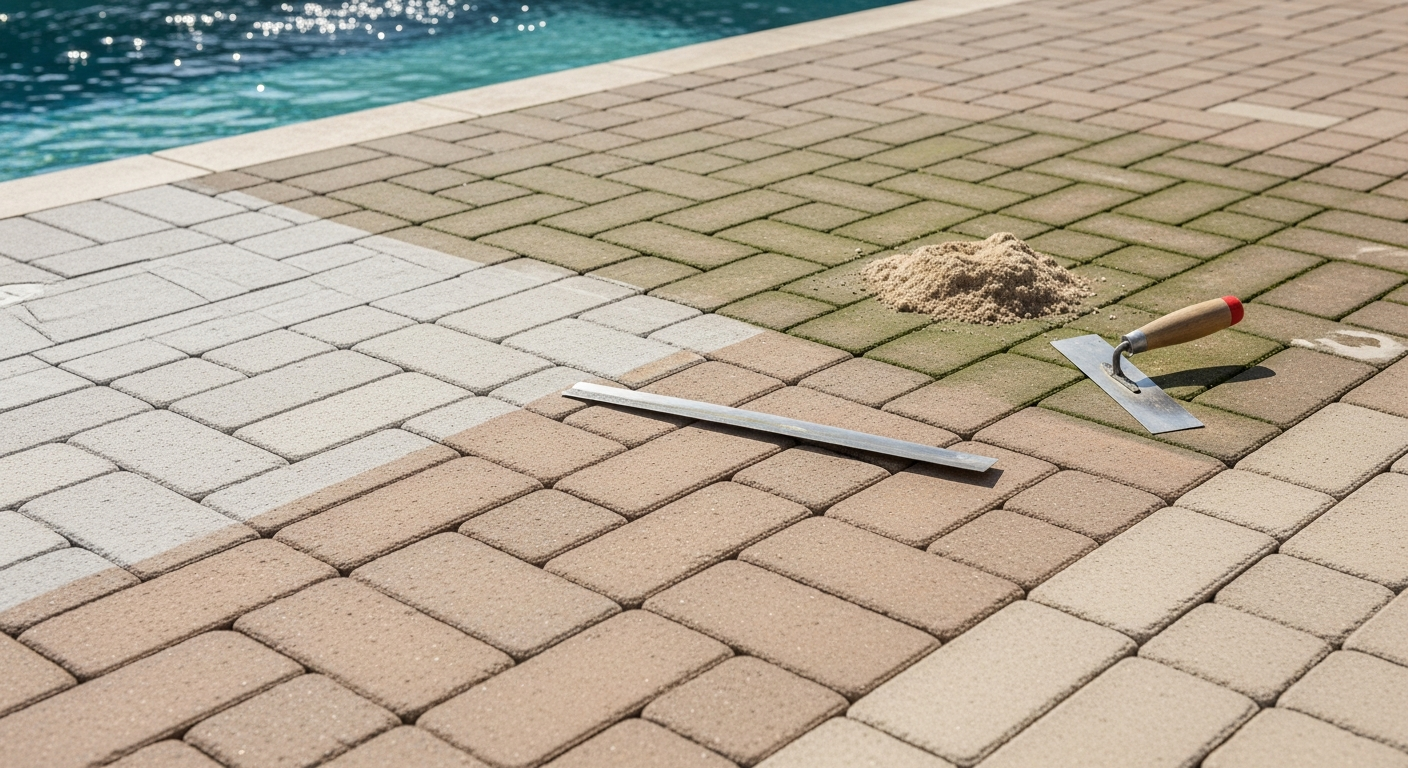
- Polymeric Sand Installation: Once the patio is completely dry, we sweep high-quality polymeric sand into the joints. This sand contains a polymer that, when activated with a light mist of water, hardens to lock the pavers in place. This is the single most important step for preventing weed growth and paver movement. A typical 50-pound bag of quality polymeric sand can cost upwards of $30, which is why low-bid contractors often skimp here.
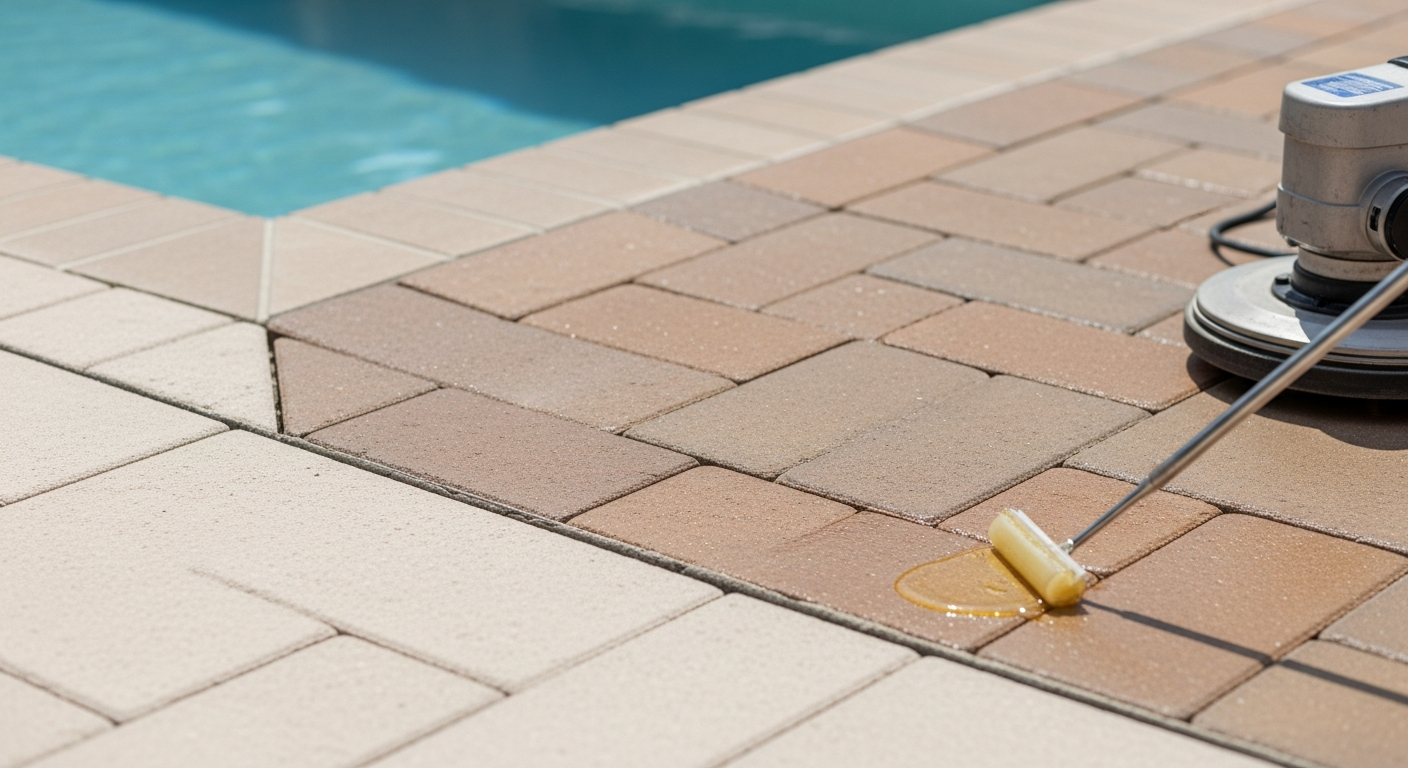
- Sealing Application: After the polymeric sand has cured (typically 24 hours), we apply two coats of a high-solids, breathable, non-slip sealer. In Sarasota, I strongly recommend a solvent-based sealer for its superior durability against UV rays and moisture penetration compared to water-based alternatives often used to cut costs.
Comparing Restoration to Other Options
Homeowners often wonder if a full restoration is necessary or if they can get by with a DIY approach or simply replace the patio. The decision depends on the current condition of the pavers and your long-term goals. For most structurally sound but aesthetically failing patios in Sarasota, restoration offers the best value.
| Service Option | Typical Cost (500 sq. ft.) | Longevity in FL Climate | Primary Benefit |
|---|---|---|---|
| DIY Pressure Washing | $50 - $150 (rental/supplies) | 3 - 6 Months | Low upfront cost |
| Professional Restoration | $1,500 - $3,000 | 2 - 4 Years | Structural stability and long-term protection |
| Full Paver Replacement | $10,000 - $18,000+ | 15 - 25 Years | Complete aesthetic and design change |
When Restoration Isn't the Right Choice
Restoration cannot fix a fundamentally failed base. If more than 30% of your patio has significant sinking or heaving, it indicates a systemic problem with the underlying foundation. In these cases, spending money on a surface-level restoration is a poor investment. The correct, albeit more expensive, solution is to have the pavers pulled up, the base excavated and re-installed correctly, and the pavers re-laid. I've had to deliver this news to clients, and while it's not what they want to hear, it prevents them from wasting thousands on a fix that won't last a year.
Safe Hiring Checklist for Paver Services
The paver cleaning and sealing industry in Florida is largely unregulated, which makes vetting contractors critical. Many lawn care or pressure washing companies offer these services as an add-on without understanding the technical requirements of paver systems. Using the wrong techniques or products can cause irreversible damage.
- Verify Proper Insurance: Ask for a Certificate of Insurance showing both General Liability and Workers' Compensation. A pressure washer can easily break a window or damage landscaping; liability insurance protects you.
- Ask About Their Sanding and Sealing Process: A professional will talk about specific products like polymeric sand and different types of sealers (water-based vs. solvent-based). If they just say "we pressure wash and seal," it's a major red flag.
- Check for a Sarasota County Business Tax Receipt: While there isn't a state license for this specific trade, any legitimate business operating in the county must be registered. This is a basic check for legitimacy.
- Look at a Portfolio of Local Work: Ask to see photos of jobs they've completed in the Sarasota area that are at least one year old. This shows you how their work holds up over time in our climate.
- Inquire About Product Choice: Ask specifically what brand of polymeric sand and sealer they use. Reputable contractors use well-known brands like Techniseal, SEK Surebond, or Alliance Gator and can explain why they chose that product for your specific type of paver.
- Get a Detailed, Itemized Quote: The proposal should break down the costs for cleaning, paver repair, sanding, and sealing. Vague quotes like "Paver Restoration: $2,000" hide what you are actually paying for.
Decisions That Determine the Outcome
The success of a paver restoration project hinges on two key decisions made by the homeowner before the work even begins: choosing the right contractor and, just as importantly, choosing the right sealer. The visual and protective outcome is defined by the product, not just the labor.
The Moment Most Homeowners Get It Wrong
The critical mistake happens when a contractor presents sealer options, or worse, doesn't. A homeowner, focused on cost, will often default to the standard, cheaper, water-based sealer. They don't realize that the slightly higher cost for a premium, solvent-based acrylic sealer is the single best investment in the project's longevity. On a typical Sarasota lanai, the material cost difference might be $200-$400, but the solvent-based product will provide a deeper, richer look and last up to twice as long under the intense Florida sun before needing a refresh. I always advise my clients to allocate the budget here; it's the difference between a patio that looks great for 18 months and one that looks great for 3-4 years.
Practical Answers About Operating in Sarasota
Navigating paver projects in Sarasota involves more than just finding a good contractor. You have to consider community rules and the unique environmental factors that can affect the work and its longevity.
Do I Need HOA Approval for Paver Restoration?
For a standard restoration—cleaning, re-sanding, and sealing with a clear or same-color product—most Sarasota HOAs do not require approval. However, if the project involves changing the paver color with a tinted sealer, expanding the patio, or replacing pavers with a different style, you absolutely need to submit an application to your Architectural Review Committee (ARC). Proceeding without approval can result in fines and a demand to reverse the work at your own expense.
How Does Salt Air in Coastal Areas Affect Sealing?
If you live west of the Trail, on Siesta Key, Lido Key, or Longboat Key, the salt in the air is a major factor. Salt is corrosive and can accelerate the breakdown of low-quality sealers. For these coastal properties, using a high-quality, salt-resistant sealer is not optional. It prevents salt from penetrating the porous paver surface, which can cause spalling (flaking and chipping) over time. This adds a slight premium to the paver patio restoration cost but is essential for durability.
Are There Watering Restrictions in Sarasota County to Consider?
Yes, and they can impact the project timeline. The paver restoration process requires a significant amount of water for cleaning and for activating the polymeric sand. We must schedule this work in compliance with Sarasota County's year-round water restrictions, which dictate the days and times for outdoor water use based on your address. A professional contractor will be aware of these rules and plan the project accordingly to avoid any violations or fines.