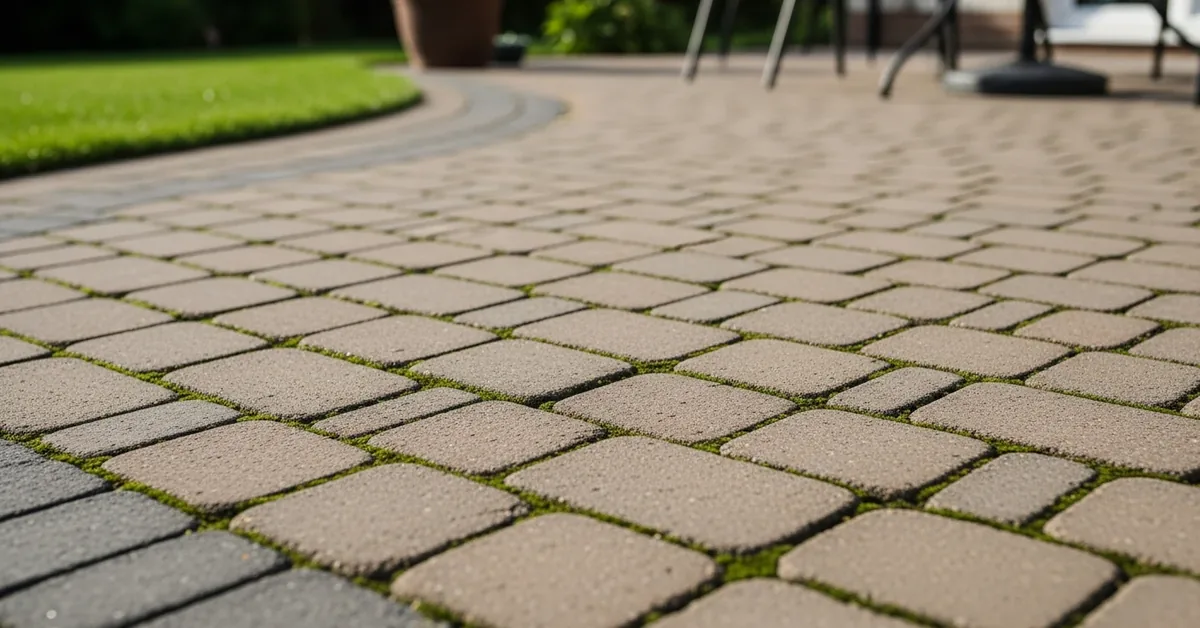
In Sarasota County, a standard permit for a new paver patio over 100 square feet can add 4 to 6 weeks to your project timeline, not including potential HOA architectural reviews. For a homeowner aiming for a finished space before the summer rains begin in June, that bureaucratic window isn't a minor detail—it's the single factor that determines whether you're enjoying your patio or looking at a muddy, unfinished yard.
Your Sarasota Paver Patio: A Summary of What Truly Matters
From my years installing hardscapes from Lakewood Ranch down to Siesta Key, I've seen that the longevity of a paver
From my years installing hardscapes from Lakewood Ranch down to Siesta Key, I've seen that the longevity of a paver patio here has less to do with the initial paver patio cost and more to do with three specific environmental factors: sun exposure, soil saturation, and salt air. A patio that looks great in a catalog can fail spectacularly in our climate if not planned correctly. The key is to shift focus from simple aesthetics to material science and installation methodology tailored for coastal Florida.
- Soil and Base Preparation: The sandy, often shifting soil in many Sarasota neighborhoods requires a deeper, more compacted base (typically 6-8 inches of crushed concrete or similar aggregate) than inland projects to prevent sinking and shifting during rainy seasons.
- Material Selection: High-density concrete pavers and certain types of travertine are superior choices for resisting the intense UV radiation and preventing rapid color fading. Porous, low-density materials often become breeding grounds for mold.
- Drainage Planning: Proper slope (a minimum of 1/4 inch per foot) and, in some cases, integrated French drains are non-negotiable to handle the torrential downpours common in our summer months.
- Sealing is Mandatory, Not Optional: Using a high-quality, breathable, solvent-based sealer is critical for protecting against salt degradation, efflorescence (white, chalky deposits), and staining from organic debris.
The Planning Failures That Lead to Premature Patio Replacement
The most common mistakes I see are not in the execution but in the initial planning phase, often driven by a desire to reduce upfront costs. These decisions invariably lead to higher expenses down the line, either through repairs or a full replacement within 5-7 years. Ignoring the specific challenges of our local environment is the root of almost every failure.
The Most Expensive Oversight: Underestimating Water Management
The single costliest mistake is treating drainage as an afterthought. A client in an older neighborhood near Phillipi Creek wanted a large paver patio but cut the budget for a proper drainage system against my recommendation. After the first heavy summer storm, water pooled against their home's foundation, leading to hydrostatic pressure that caused water intrusion in their Florida room. The cost to repair the water damage and then retrospectively install the correct drainage was nearly double the initial quote for doing it right from the start.
The Paver Installation Process in Practice for Sarasota County
A professional paver installation is a multi-stage process that goes far beyond just laying stones on sand. For any project in Sarasota, the process must account for local soil conditions, building codes, and the inevitable weather interruptions. From initial design to final sealing, a typical project follows a strict sequence to ensure structural integrity.
Key Selection Criteria for Sarasota Homeowners
When you're looking for patio pavers for sale or a contractor, your checklist needs to be hyper-local to avoid common pitfalls. Generic advice won't protect your investment here.
- Verify Sarasota County Contractor Registration: Beyond a state license, ensure the contractor is registered and active with Sarasota County. This is a basic but often overlooked step that confirms they are permitted to work here.
- Ask for Projects Near Saltwater: Request to see completed patios in waterfront communities like Bird Key or Lido Key. These environments are the ultimate test of a contractor's knowledge of materials and sealants that resist salt spray.
- Inquire About Their Base Compaction Method: They should specify using a plate compactor and explain their process for achieving proper density in our sandy soil. Anything less than a detailed answer is a red flag.
- Review Their Warranty on Sinking/Settling: A confident local installer will offer a warranty (typically 2-5 years) specifically covering settling and shifting, knowing their base preparation is built for our conditions.
Comparing Pavers to Poured Concrete and Wood Decking
Homeowners often weigh pavers against two other common options: a standard concrete slab or a traditional wood deck. While initial costs vary, the long-term performance and maintenance requirements in Sarasota's climate are dramatically different. Pavers, when installed correctly, offer a superior balance of durability, repairability, and aesthetic value.
| Feature | Pavers | Poured Concrete | Wood Decking |
|---|---|---|---|
| Upfront Cost | Moderate to High | Low to Moderate | High |
| Durability in FL Climate | Excellent (with proper sealing) | Fair (prone to cracking/spalling) | Poor to Fair (requires constant maintenance) |
| Repairability | Excellent (replace individual units) | Poor (patching is obvious) | Moderate (replace boards) |
| Heat Retention | Varies by color; light colors are cooler | High (can become very hot) | Moderate |
When a Paver Patio is Not the Right Choice
There are situations where I advise against pavers. If your property is on a very steep grade or has significant, unresolved soil erosion issues, the cost to create a stable enough base for pavers can become prohibitive. In these specific cases, an elevated deck built on deep concrete footers may be a more structurally sound and cost-effective long-term solution.
A Safe Hiring Checklist for Your Paver Project
Finding a reliable installer is about verification, not just getting quotes. The lowest paver patio cost is often a signal of cut corners in base preparation or material quality. This checklist will help you vet potential contractors and protect your investment.
- Confirm Florida State Certified General or Residential Contractor License: Verify their license is active and without complaints on the Florida Department of Business and Professional Regulation (DBPR) website.
- Request a Certificate of Insurance: They must provide proof of both General Liability and Workers' Compensation insurance. Without it, you could be liable for accidents on your property.
- Check for ICPI Certification: While not legally required, certification from the Interlocking Concrete Pavement Institute indicates a commitment to industry best practices.
- Get a Detailed, Itemized Quote: The proposal should break down costs for demolition, base material, pavers (specifying brand and type), sand, edge restraints, labor, and sealing. Vague quotes hide risks.
- Ask About Their Material Source: Reputable installers source from established local suppliers like Tremron or Belgard, ensuring consistent quality and availability.
- Review their Cleanup and Site Protection Plan: How will they protect your existing landscape, irrigation, and foundation during the heavy work of excavation and installation?
Decisions That Determine the Final Outcome
Two patios can be built with the exact same pavers, yet one will last three times as long as the other. The difference lies in a few critical decisions made before the first shovel hits the ground. These choices separate a beautiful, stable hardscape from one that becomes a constant source of frustration and expense.
The Moment Most Homeowners Get It Wrong
The critical mistake happens when selecting the paver itself. Homeowners fall in love with a color or style at a showroom without understanding its density and porosity. The best decision you can make is to choose your paver based on its technical specifications, not its appearance alone. Ask for the manufacturer's spec sheet and look for a high compressive strength (ideally over 8,000 PSI) and low water absorption rate (under 5%). A denser, less porous paver is your best defense against the mold, algae, and color fading endemic to our humid environment.
Practical Answers for Paver Projects in Sarasota
Navigating the local requirements and environmental factors is key to a smooth project. Here are the answers to questions that are specific to getting a paver patio installed correctly in our area, covering everything from permits to long-term care like patio sealing near me.
Do I Need a Permit for a Paver Patio in Sarasota?
Yes, in most cases. Sarasota County requires a permit for patios that are not on-grade (like an elevated patio) or for any on-grade hardscaping that exceeds certain size thresholds or impacts drainage. If the patio is part of a larger project or near a protected wetland or shoreline, additional reviews are mandatory. Always assume a permit is needed and have your contractor verify with the county's planning and development services before starting work. The typical permit fee for a straightforward patio project ranges from $150 to $400.
How Do HOAs in Communities like Palmer Ranch or The Lake Club Regulate Pavers?
Homeowners' Associations in Sarasota, particularly in master-planned communities, have strict architectural review guidelines. They often dictate the color palette, paver style (e.g., prohibiting certain modern, large pavers for patio areas), and sometimes even the specific manufacturer. You must submit your full plan, including materials and colors, to the Architectural Review Committee (ARC) for written approval before any work begins. Failure to do so can result in fines and a stop-work order.
What Type of Paver Sealing is Best for Sarasota's Climate?
A solvent-based, film-forming acrylic sealer is generally the most effective choice for our high-humidity, high-UV environment. Unlike water-based sealers, a good solvent-based product penetrates deeper into the paver, providing superior protection against moisture intrusion, which is the primary cause of mold and efflorescence. It also offers better color enhancement and UV resistance, preventing the sun from bleaching your pavers. Reapplication is typically needed every 3-5 years.