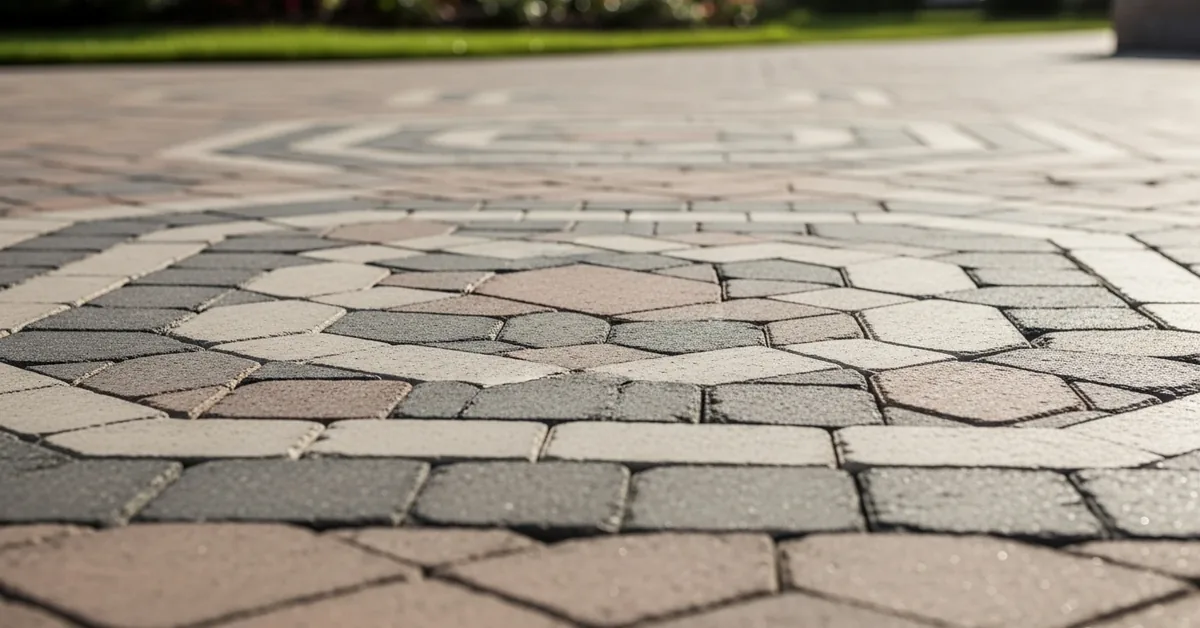
Executive Summary: Paver Design Strategy in Sarasota
From my years installing hardscapes from Siesta Key to Lakewood Ranch, I've seen that the most successful paver
From my years installing hardscapes from Siesta Key to Lakewood Ranch, I've seen that the most successful paver projects prioritize performance over pure aesthetics. The intense UV radiation and torrential rain here demand a technical approach. A beautiful herringbone pattern, for instance, offers superior interlocking strength against soil shifting, while large-format modern pavers require a meticulously engineered base to prevent rocking and uneven settling after a single rainy season. The key is to match the design's structural properties to the specific challenges of your Sarasota property.
- Soil and Base First: Our sandy soil requires a deeper, more compacted aggregate base (typically 6-8 inches for patios) than in areas with clay soil. Edge restraints are non-negotiable to prevent lateral spread.
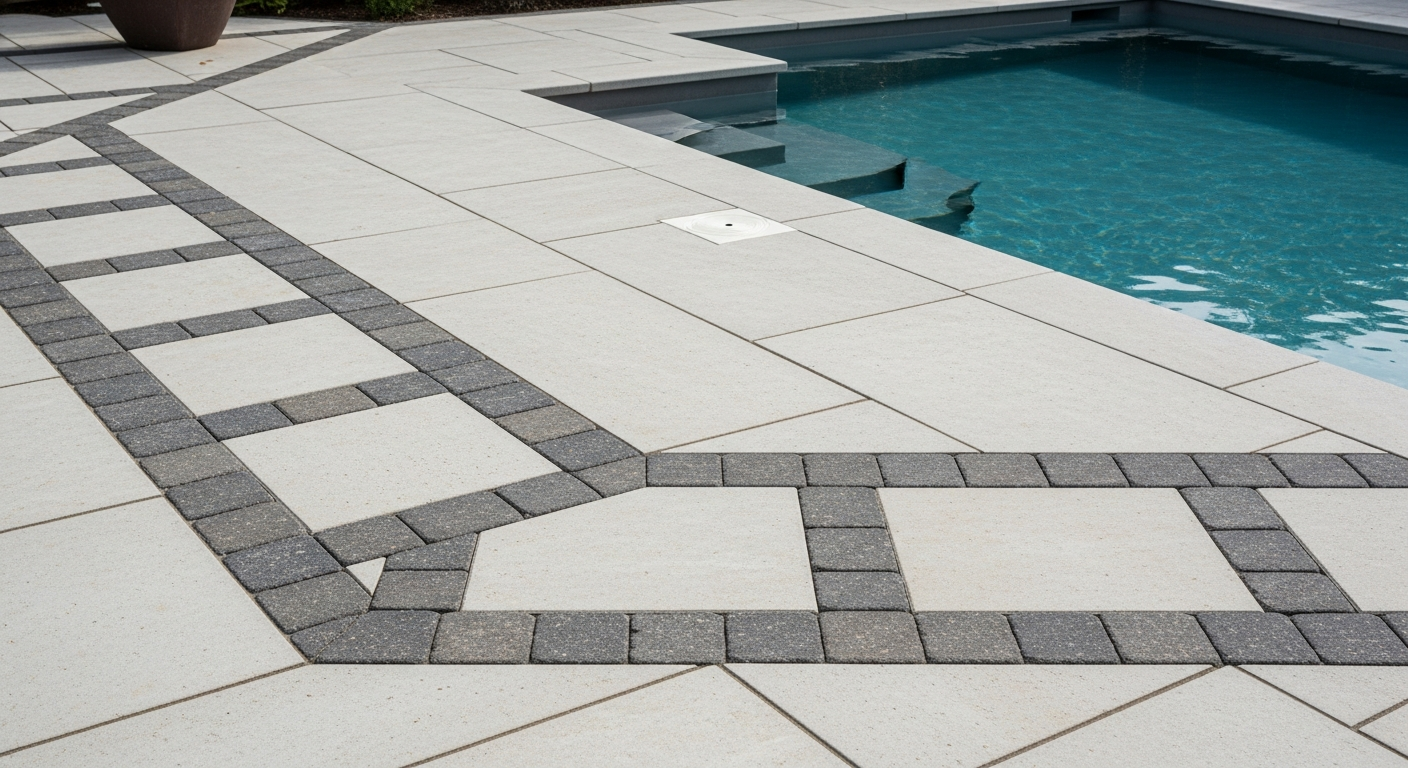
- Pattern Dictates Performance: Interlocking patterns like herringbone or basketweave distribute loads more effectively and resist movement better than simple running bond patterns, making them ideal for driveways and high-traffic areas.
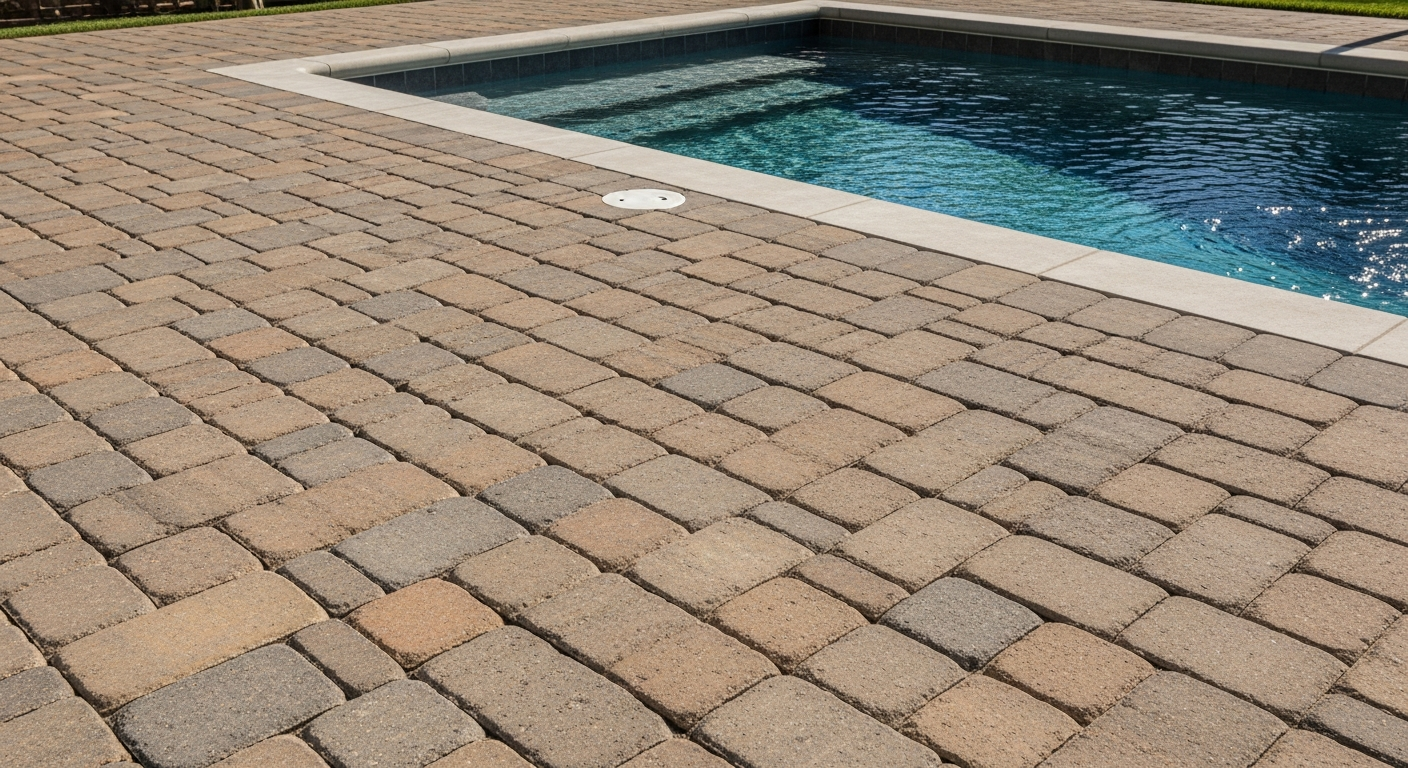
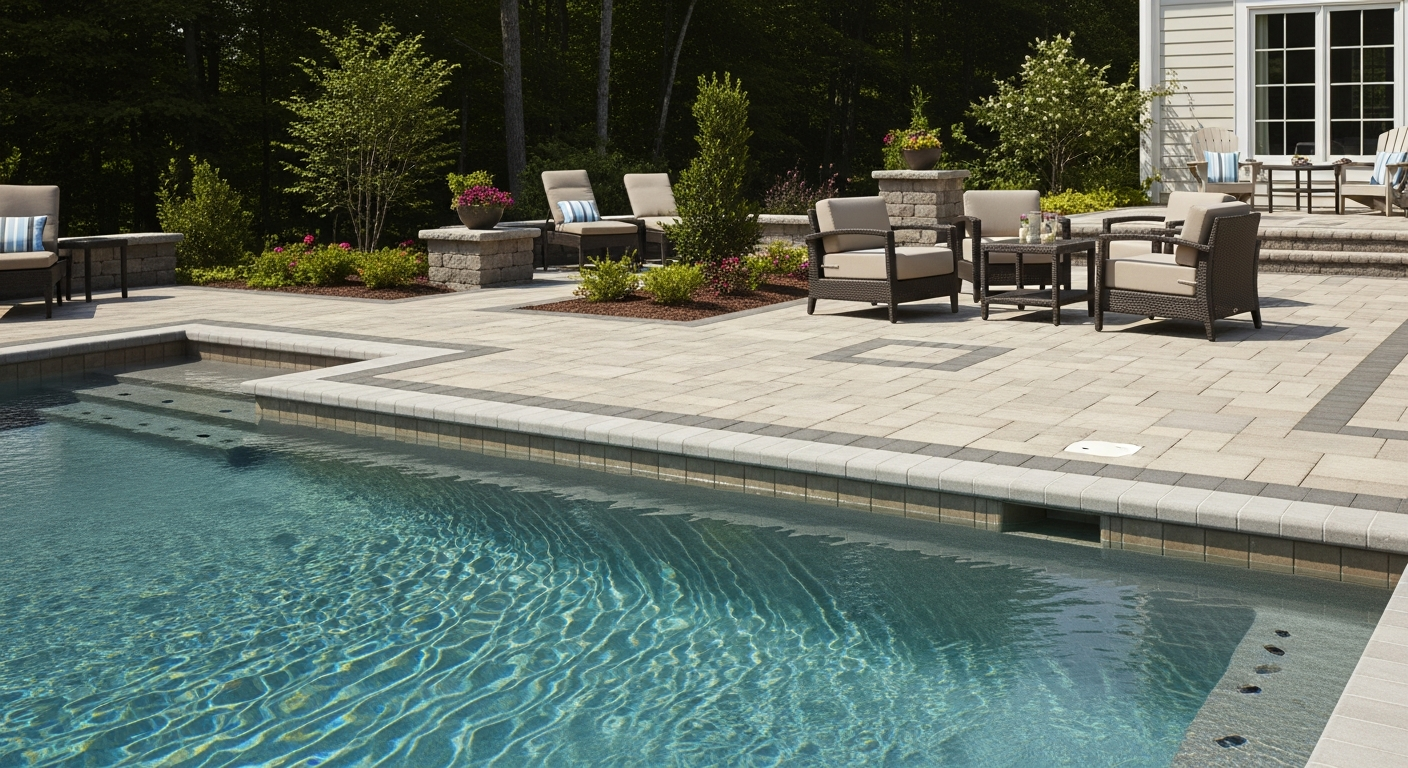
- Material Matters for Heat and Fading: Light-colored travertine or shellstone pavers stay significantly cooler underfoot than dark concrete pavers, a critical factor for Sarasota pool decks. High-quality concrete pavers should have color mixed throughout (color-through), not just a surface layer that will fade.
- Permeability and Drainage: Given our storm season, consider permeable paver systems or ensure a minimum 1/4-inch per foot slope away from the home's foundation to manage water runoff effectively and prevent foundation issues.
The Design Miscalculations That Lead to Failure
Many paver failures I'm called to fix originate in the design phase, long before the first paver is laid. The most common error is underestimating the forces of water and sun. Homeowners fall in love with a look without understanding its physical implications in our climate.
For example, choosing dark, almost black concrete pavers for a large, south-facing patio creates an unusable heat island. I've measured surface temperatures exceeding 140°F on such installations, making them dangerous for bare feet and pets. This isn't a minor comfort issue; it's a fundamental design flaw for a Florida lifestyle.
The Most Expensive Mistake: Ignoring Water Management
The costliest error is designing a patio or driveway with an inadequate slope or no plan for water runoff. In Sarasota County, a sudden downpour can drop inches of water in an hour. A flat paver installation becomes a swimming pool that funnels water directly toward your home's foundation. The fix isn't just re-laying a few pavers; it often requires a complete tear-out and re-grading of the entire area, doubling the project's cost.
The Installation Process for a Sarasota Hardscape
A professional paver installation here is a multi-stage process heavily focused on the sub-base. It starts with excavation, removing grass and organic soil down to stable ground. The depth is critical; we often go 8-10 inches deep for a pool deck to accommodate the necessary layers of aggregate base material.
This excavated area is then filled with crushed stone aggregate, laid in lifts and compacted with a heavy plate compactor at each stage. This creates a stable, interlocking base that won't shift. A thin layer of sand is screeded on top for leveling, followed by laying the pavers, installing edge restraints, and finally, sweeping polymeric sand into the joints and activating it with water to lock everything in place.
Key Selection Criteria for Sarasota Homeowners
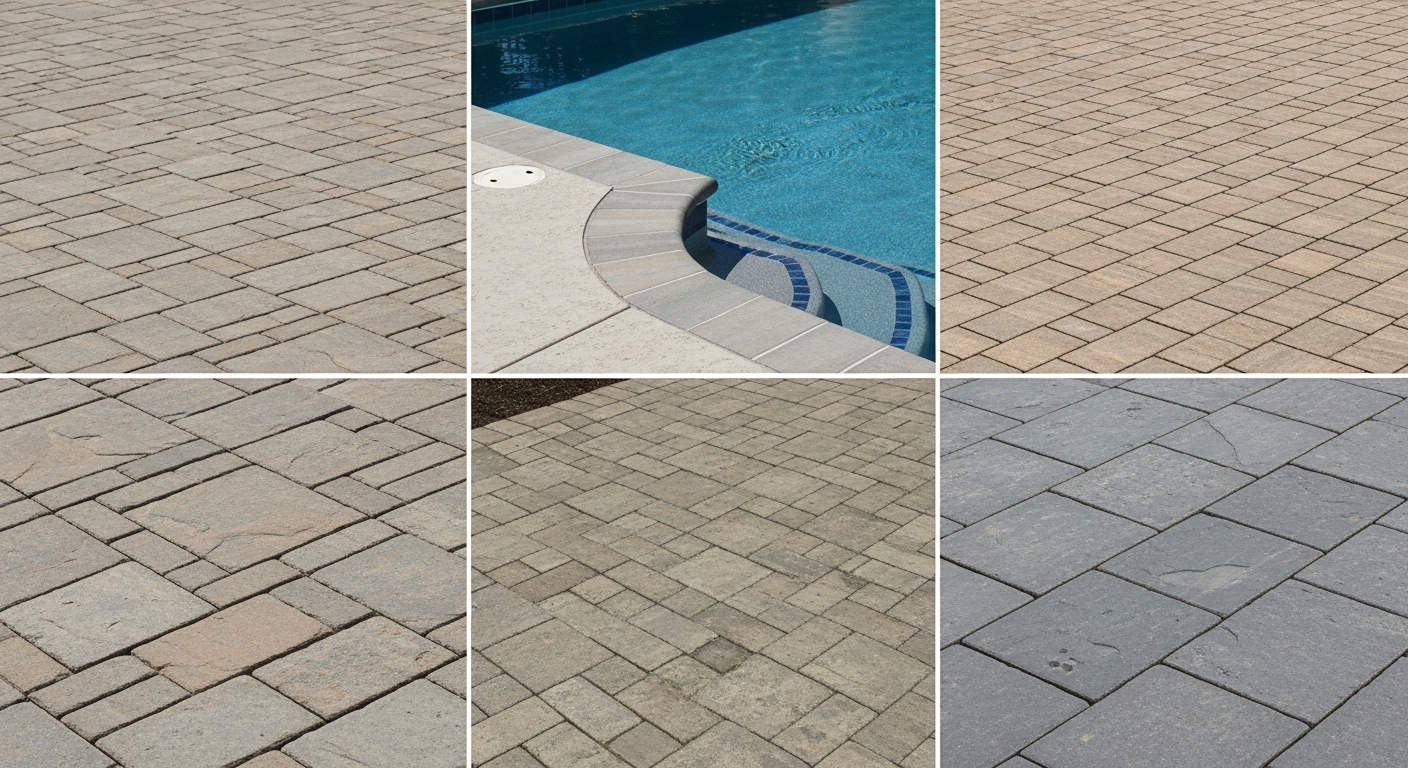
- HOA Compliance: Before getting quotes, get a copy of your community's architectural guidelines. Many HOAs in areas like University Park have pre-approved color palettes and materials. Getting this upfront prevents costly redesigns.
- Drainage Plan: Ask every contractor to explicitly detail their drainage plan. Where will the water go? Will they use channel drains, French drains, or just grading? A vague answer is a major red flag.
- Cool-Touch Materials: For any surface where you'll walk barefoot, prioritize materials known for low heat absorption. Travertine is a popular high-end choice, but several modern light-colored concrete pavers are designed for this as well.
- Warranty on Workmanship: A contractor should offer a warranty (typically 2-5 years) against sinking, shifting, and other installation defects. This is separate from the manufacturer's warranty on the paver material itself.
Comparing Paver Systems to Alternatives
Pavers are a fantastic choice, but they aren't the only option. Homeowners often consider stamped concrete or traditional wood decking. Each has distinct advantages and disadvantages in the Sarasota environment.
| Feature | Interlocking Pavers | Stamped Concrete | Wood Decking |
|---|---|---|---|
| Upfront Cost | Moderate to High | Moderate | High (especially composites) |
| Repairability | Excellent (replace individual units) | Poor (cracks are difficult to patch) | Moderate (replace individual boards) |
| Durability in FL Climate | High (if installed correctly) | Good (prone to cracking, needs resealing) | Poor (wood) to Good (composite) |
| Heat Retention | Varies by color/material (low to high) | High | Moderate to High |
When Pavers Are Not the Right Choice
There are situations where I advise against pavers. If a property has significant, unresolved soil subsidence issues or is built over a known void, the flexible nature of a paver system can become a liability, requiring constant re-leveling. In these rare cases, a structural concrete slab on deep footings might be a more stable, albeit less repairable, long-term solution.
A Safe Hiring Checklist for Your Paver Project
Finding a qualified installer is more important than finding the perfect paver. A great installation with average pavers will outperform a poor installation with premium pavers every time.
- Verify Florida Contractor License: Check the Florida Department of Business and Professional Regulation (DBPR) website to ensure the contractor has an active, valid license. A general contractor (CGC) or residential contractor (CRC) license is appropriate.
- Confirm Liability and Workers' Comp Insurance: Ask for a certificate of insurance directly from their insurance provider. Do not accept a photocopy from the contractor. This protects you if a worker is injured on your property.
- Review a Local Portfolio: Ask to see completed projects in the Sarasota or Manatee County area that are at least three years old. This allows you to see how their work holds up to our sun and rain.
- Check Sarasota County Permit History: You can look up a contractor's name in the county's public permit portal. A long history of pulled and closed permits is a good sign of an established, legitimate business.
- Get a Detailed, Itemized Quote: The proposal should break down costs for materials, labor, base preparation, and debris removal. Vague, one-line quotes hide potential upcharges.
Decisions That Define the Final Outcome
Two key decisions have an outsized impact on the success of a paver project: the investment in the base and the choice of jointing sand. Skimping on the depth or compaction of the aggregate base is the number one cause of sinking and waviness. It's the part you don't see, so it's tempting to cut corners, but the entire surface relies on it.
Second, using high-quality polymeric sand is essential. It hardens to lock pavers together, preventing weeds and ant hills. Cheap sand will wash out in the first heavy rain, compromising the entire system's integrity.
The Moment Most Homeowners Get It Wrong
The critical error often happens when comparing bids. A homeowner sees one quote that is 15-20% lower than the others and assumes they've found a great deal. The savings almost always come from reducing the depth of the compacted base. An installer can save hundreds on aggregate and labor by only excavating 4 inches instead of the required 6-8. The patio will look identical on day one, but it will start to fail within 18 months. Always ask each bidder to specify the exact depth of the compacted base in their written proposal.
Practical Answers for Paver Projects in Sarasota
Navigating the local requirements can be frustrating. Here are the realities of getting a paver project done right in this area.
Do I Need a Permit for a Paver Patio in Sarasota County?
Generally, on-grade paver patios that are not part of a structure do not require a permit in Sarasota County. However, the rules change if the patio is part of a new pool enclosure, attached to the home's foundation, or involves significant grading changes that affect property drainage. A paver driveway often requires a permit for the apron where it meets the street. Always confirm with the Sarasota County Planning and Development Services department before starting work.
How Do Local HOAs Influence Paver Choices?
Homeowner Associations, especially in master-planned communities like Lakewood Ranch or Palmer Ranch, have significant power. Their Architectural Review Board (ARB) will typically have a pre-approved list of paver styles, colors, and sometimes even manufacturers. You must submit your full plan, including the material and pattern, for written approval before any work begins. Proceeding without approval can result in fines and a mandate to tear out the completed work, a financial disaster I've unfortunately seen happen.
What Are the Rules for Sealing Pavers in Florida?
Florida does not mandate paver sealing, but it's highly recommended to protect against UV fading and staining from mold or mildew. Use a high-quality, breathable, water-based sealer. Film-forming acrylic sealers can trap moisture, creating a cloudy appearance, especially in our high-humidity environment. Re-sealing is typically needed every 3-5 years, depending on the amount of direct sun and traffic the area receives.