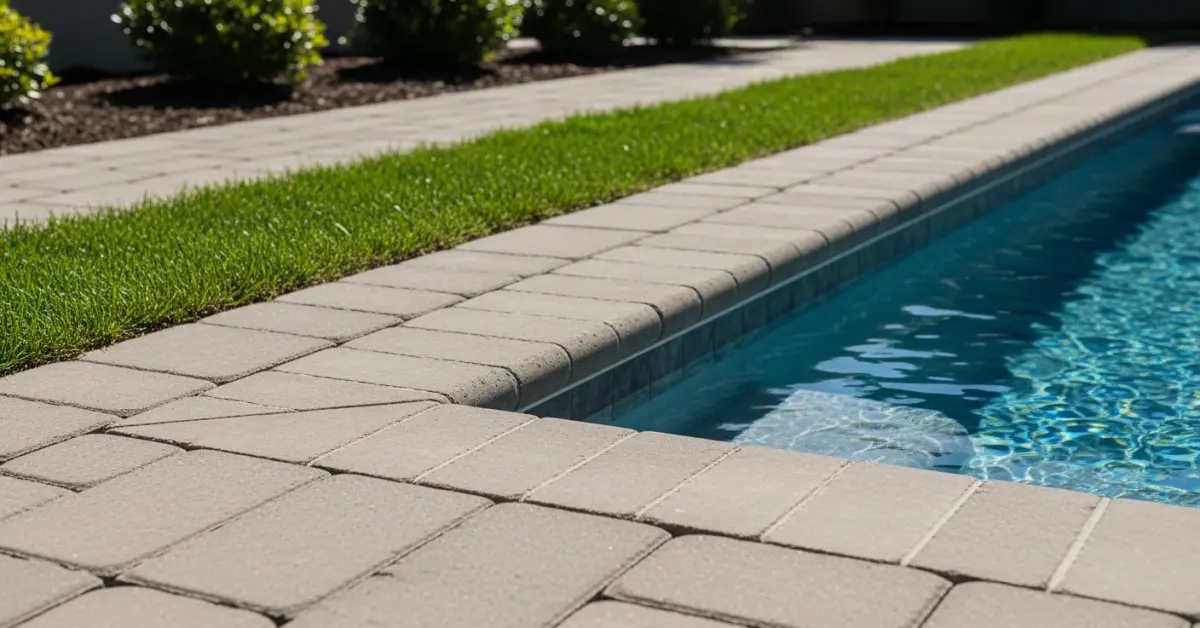
The Critical Role of Edging in Sarasota's Unique Environment
In my 15 years working on hardscape projects here, I've seen more paver installations fail from improper edging than
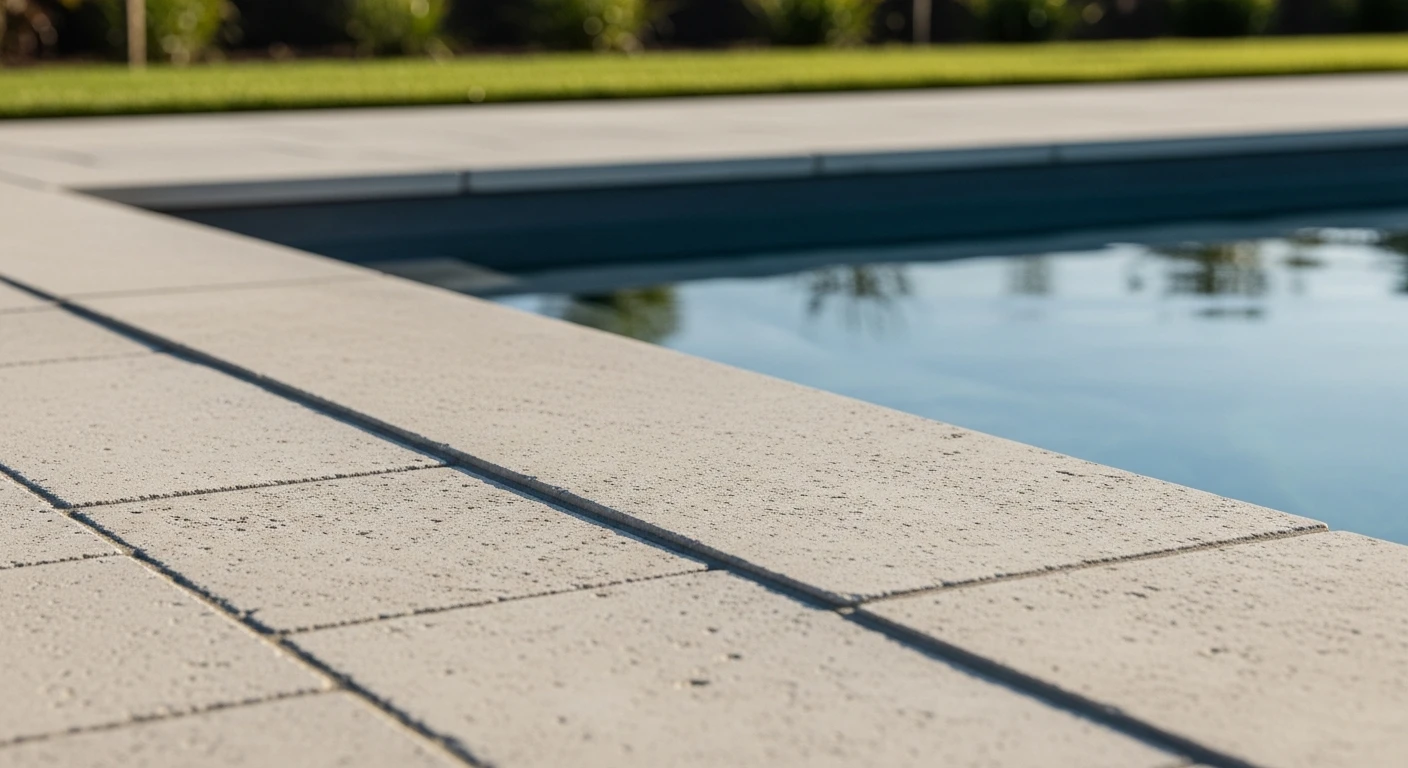
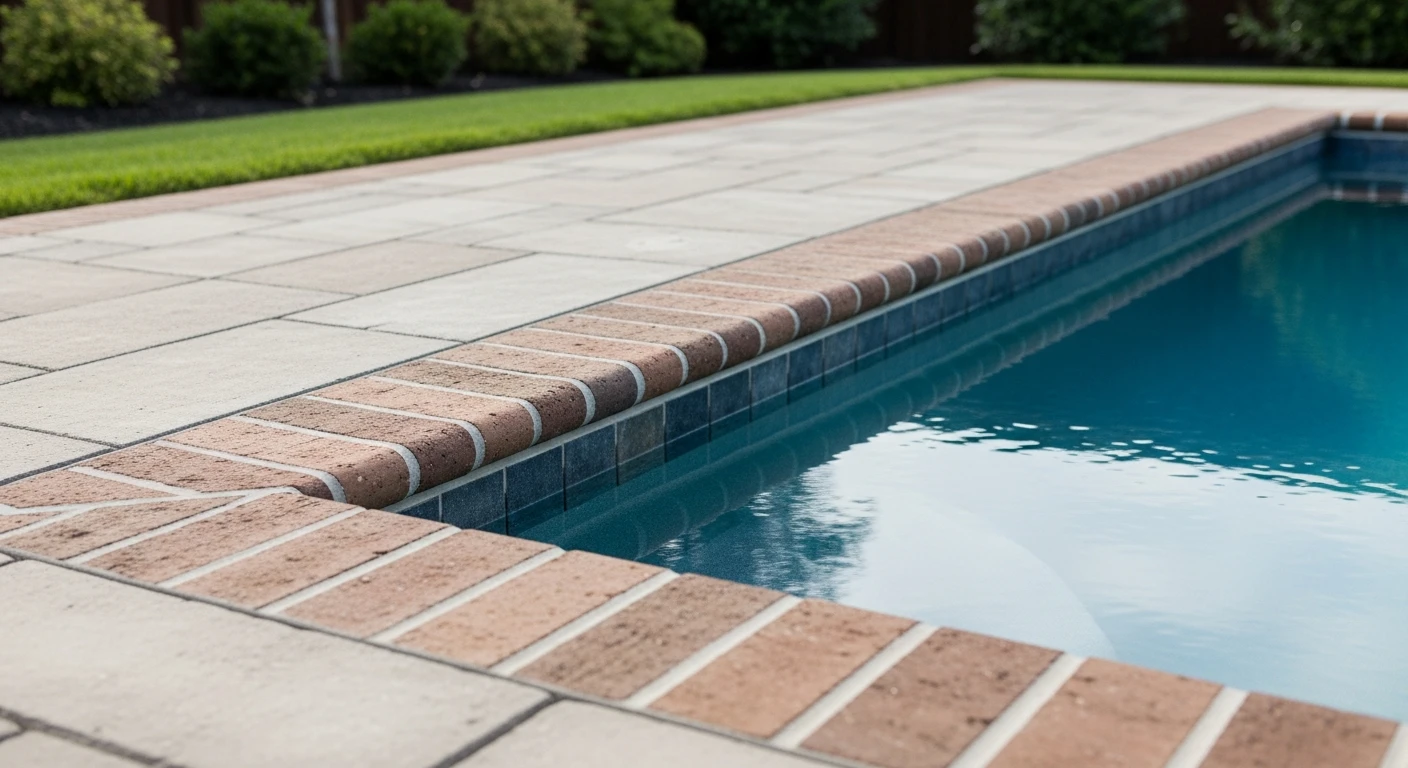
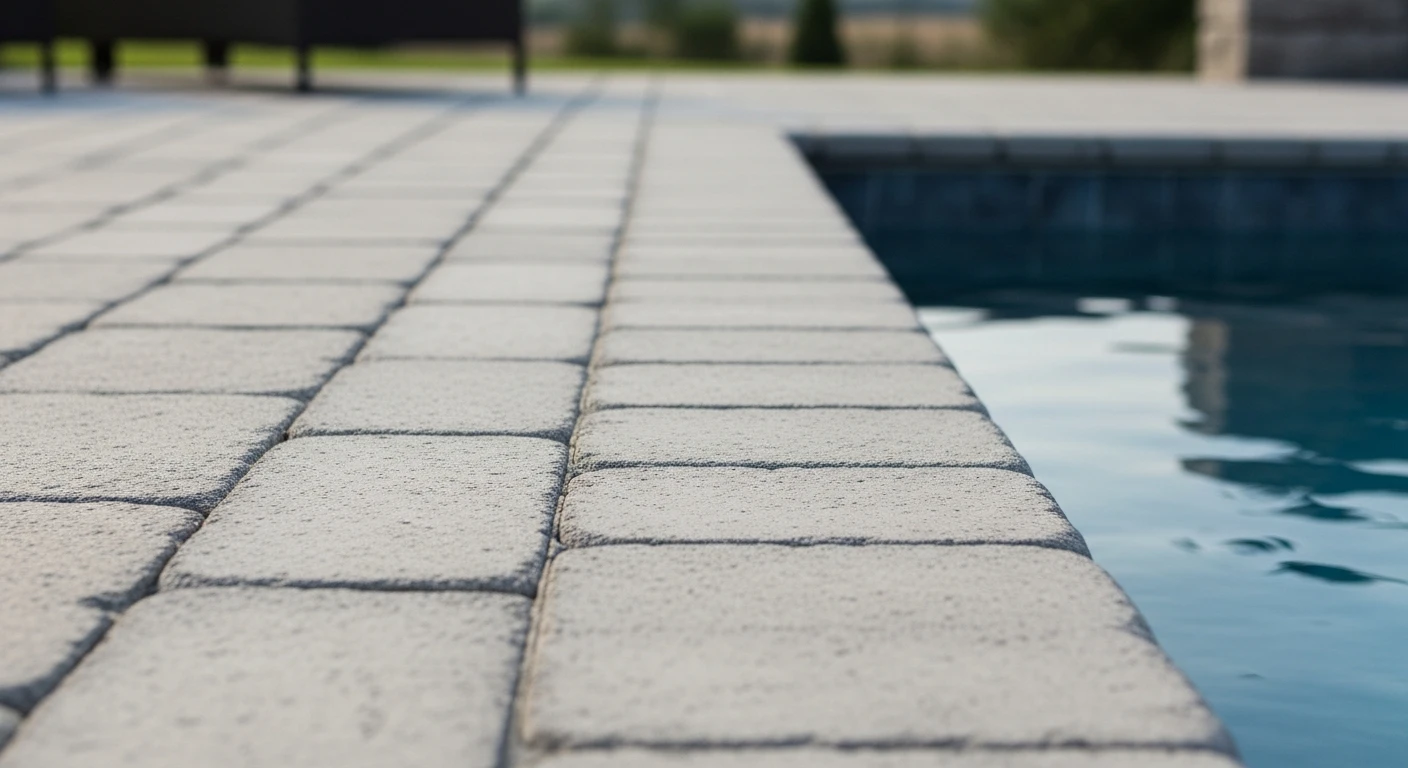
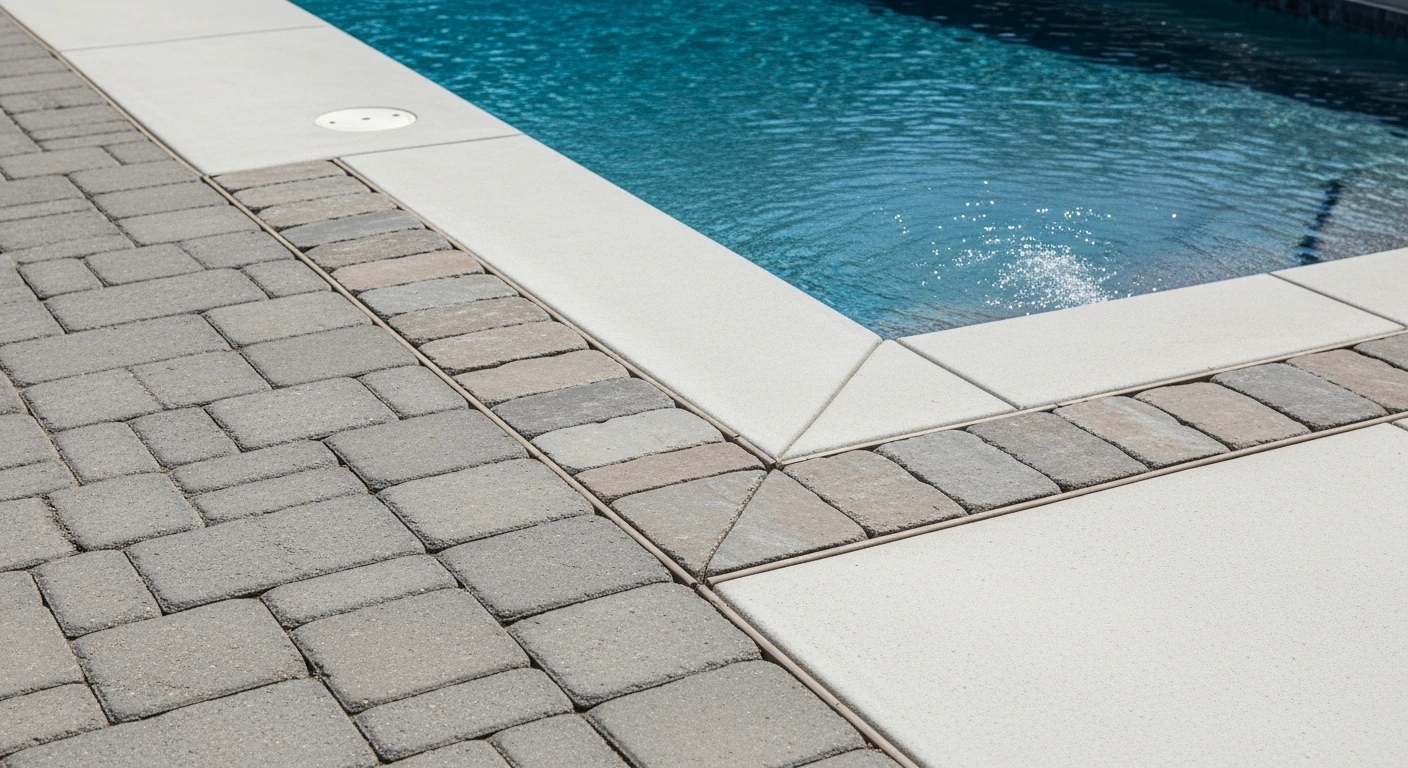
In my 15 years working on hardscape projects here, I've seen more paver installations fail from improper edging than any other cause. The combination of Sarasota's loose, sandy soil and the hydrostatic pressure from our torrential summer rains puts immense outward force on paver fields. A flimsy plastic edge restraint secured with thin metal spikes simply doesn't have the anchoring power to resist this movement, leading to paver separation and shifting. The key isn't just installing an edge; it's installing a structural system designed for our specific ground conditions.
- Soil Composition: Our local soil lacks the dense clay needed to firmly hold standard 8- or 10-inch spikes.
- Rainfall Impact: Annual rainfall averages over 50 inches, saturating the base and subsoil, which dramatically reduces the holding power of spikes.
- Material Degradation: Intense UV exposure in Florida degrades lower-quality plastic edging, making it brittle and prone to cracking.
- Structural Requirement: The most reliable solution is a concrete toe or bond beam, which creates a monolithic curb that locks the entire installation in place.
Planning Failures That Undermine Paver Longevity
The most common mistake I see is prioritizing upfront cost over long-term structural integrity. Homeowners, and even some less experienced installers, opt for flexible plastic or aluminum edging because it's cheap and fast to install. This decision almost always leads to failure in our local environment. The savings are quickly erased by the cost of resetting shifted pavers and replacing the failed restraint system.
The Most Expensive Failure: Underestimating Soil Saturation
I was called to a project in a newer development east of I-75 where a beautiful travertine driveway, less than three years old, was already showing significant separation along the edges. The original installer used a standard commercial-grade plastic edge restraint. After the first two rainy seasons, the saturated sandy soil had become so soft that the spikes had lost all their grip. The weight of vehicles turning in and out of the driveway had pushed the pavers outward, creating unsightly gaps and an uneven surface. The homeowner saved maybe $1,500 on the initial installation by avoiding a concrete edge, but the repair—which required lifting and relaying the entire perimeter—cost them over $4,000.
The Installation Process for a Durable Edge Restraint System
A professional paver edging installation in Sarasota is less about nailing in a strip of plastic and more about building a permanent concrete curb. The process is integrated directly into the paver base construction. It's a system designed to work with, not against, our challenging soil conditions.
Key Selection Criteria for Sarasota Homeowners
- Verify a Concrete Toe is Standard: Ask potential installers if their standard quote includes a poured concrete toe or bond beam. If it's an optional upgrade, be cautious. For our region, it should be the default for any load-bearing surface like a driveway.
- Inquire About Rebar Reinforcement: For long, straight runs on driveways, especially in areas like Lakewood Ranch with expansive lots, ask if they use rebar within the concrete toe for added tensile strength.
- Check Their Plan for Drainage: Proper edging works in tandem with the slope of the paver surface. Ensure the contractor has a clear plan to manage water runoff so it doesn't pool against the edge, which would increase hydrostatic pressure.
- Material Specification: For non-concrete options on garden paths (not driveways), insist on heavy-duty PVC or composite edging designed for high-heat, high-UV environments, not the thin material found in big-box stores.
Comparing Edging Options for the Sarasota Climate
Choosing the right edging method is a trade-off between initial cost, longevity, and application. Not every project requires a full concrete bond beam, but understanding the differences is crucial for making an informed decision that you won't regret in three to five years.
| Edging Method | Upfront Cost | Longevity in Sandy Soil | Best Application |
|---|---|---|---|
| Poured Concrete Toe/Curb | High | 20+ Years | Driveways, Pool Decks, Patios |
| Heavy-Duty Plastic/Composite | Medium | 5-10 Years | Garden Paths, Small Walkways (low traffic) |
| Standard Plastic/Aluminum | Low | 2-5 Years (Often less) | Not Recommended for Sarasota |
When a Concrete Edge Might Be Overkill
While I advocate for concrete edging on most projects, it's not always necessary. For a small, decorative garden path that will only see foot traffic and isn't retaining a significant paver field, a high-quality, rigid composite or PVC edging system can be sufficient. The key is that the area must have excellent drainage and not be subject to vehicle weight or significant water runoff from a roof or downspout. For these limited applications, the cost and labor of a concrete toe can outweigh the structural benefit.
Safe Contractor Hiring Checklist
Hiring the right team is as important as choosing the right materials. A well-designed system can be ruined by poor execution. Here’s what to verify before signing a contract for any paver work in our area.
- Florida Contractor's License: Verify their license is active and in good standing on the Florida Department of Business and Professional Regulation (DBPR) website. A licensed contractor carries the required insurance to protect you.
- Proof of Liability and Worker's Comp Insurance: Ask for a Certificate of Insurance directly from their provider. Never accept a photocopy from the contractor. This protects you from liability if a worker is injured on your property.
- Portfolio with Local, Aged Projects: Don't just look at brand-new installations. Ask to see photos (or addresses, if possible) of projects they completed 5+ years ago in Sarasota or Manatee County. This is the true test of their work.
- HOA Compliance Experience: If you live in an HOA community like The Meadows or Palmer Ranch, confirm the contractor has experience submitting plans and getting approvals. They should be familiar with the architectural review process.
- Detailed, Itemized Quote: The quote must explicitly state the type of paver edge restraint being used (e.g., “4-inch thick poured concrete toe”). Vague terms like “standard edging” are a red flag.
Decisions That Define the Final Outcome
The success of a paver project hinges on decisions made long before the first paver is laid. It's about understanding that the unseen components—the base, the compaction, and the edging—are far more important than the color or pattern of the paver you choose. The most successful projects I've worked on were for clients who asked more questions about the base preparation than about the surface material.
The Moment Most Homeowners Get It Wrong
The critical mistake happens during the quote comparison phase. Most people lay three quotes side-by-side and are immediately drawn to the lowest number. They fail to see that the lower price is almost always achieved by cutting corners on the base depth or, most commonly, by substituting a cheap plastic edge for a proper concrete curb. My advice is to first disqualify any bid that doesn't specify a concrete toe as standard for a driveway or large patio. Then, compare the remaining quotes based on contractor reputation, portfolio, and communication.
Practical Answers for Paver Projects in Sarasota
Navigating the local requirements and environmental factors is key to a smooth and successful hardscaping project. Here are the answers to questions that come up constantly on my job sites across the county.
How are paver installations permitted in Sarasota County?
For most residential paver driveways, patios, and walkways on a standard lot, a specific building permit is not required by Sarasota County, provided you are not altering drainage patterns or building retaining walls over a certain height. However, if the work is within a public right-of-way or alters the established grade and drainage, a permit becomes necessary. Always verify with the county's Planning and Development Services department before starting work.
What are typical HOA requirements for driveway edging?
In communities like University Park or Lakewood Ranch, HOAs often have strict guidelines. Many explicitly forbid visible plastic edging. They may require a “mow strip” or a concrete curb that is either flush with the pavers or slightly raised. Before getting quotes, obtain the written architectural standards from your HOA to provide to contractors, ensuring all bids are for a compliant installation.
Does paver edging impact flood zones and insurance?
Yes, significantly. If you are adding a large, non-permeable paver surface in a designated flood zone (common in areas west of the Trail or on the Keys), it can affect your property's overall impervious surface ratio. This can have implications for stormwater management and potentially your flood insurance. Using permeable pavers with specialized edging systems can mitigate this, but it must be planned and executed correctly. This is a crucial conversation to have with your contractor from day one.