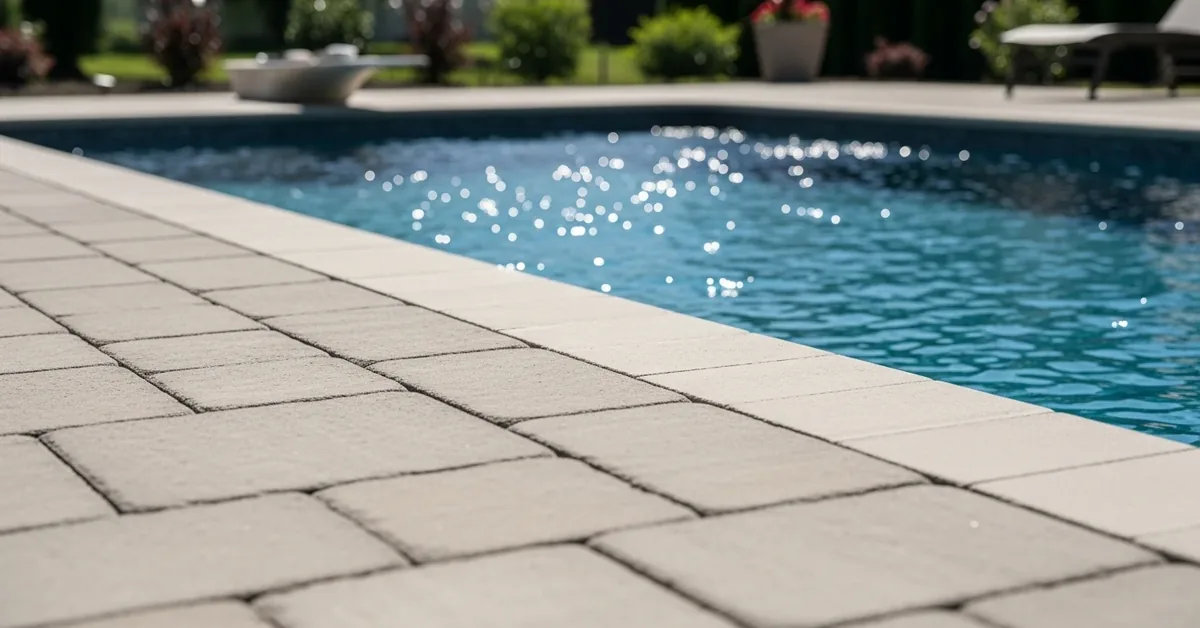
Your Sarasota Paver Project: A Summary for Success
After years of installing paver patios from The Meadows to Siesta Key, I've seen one truth play out repeatedly: the
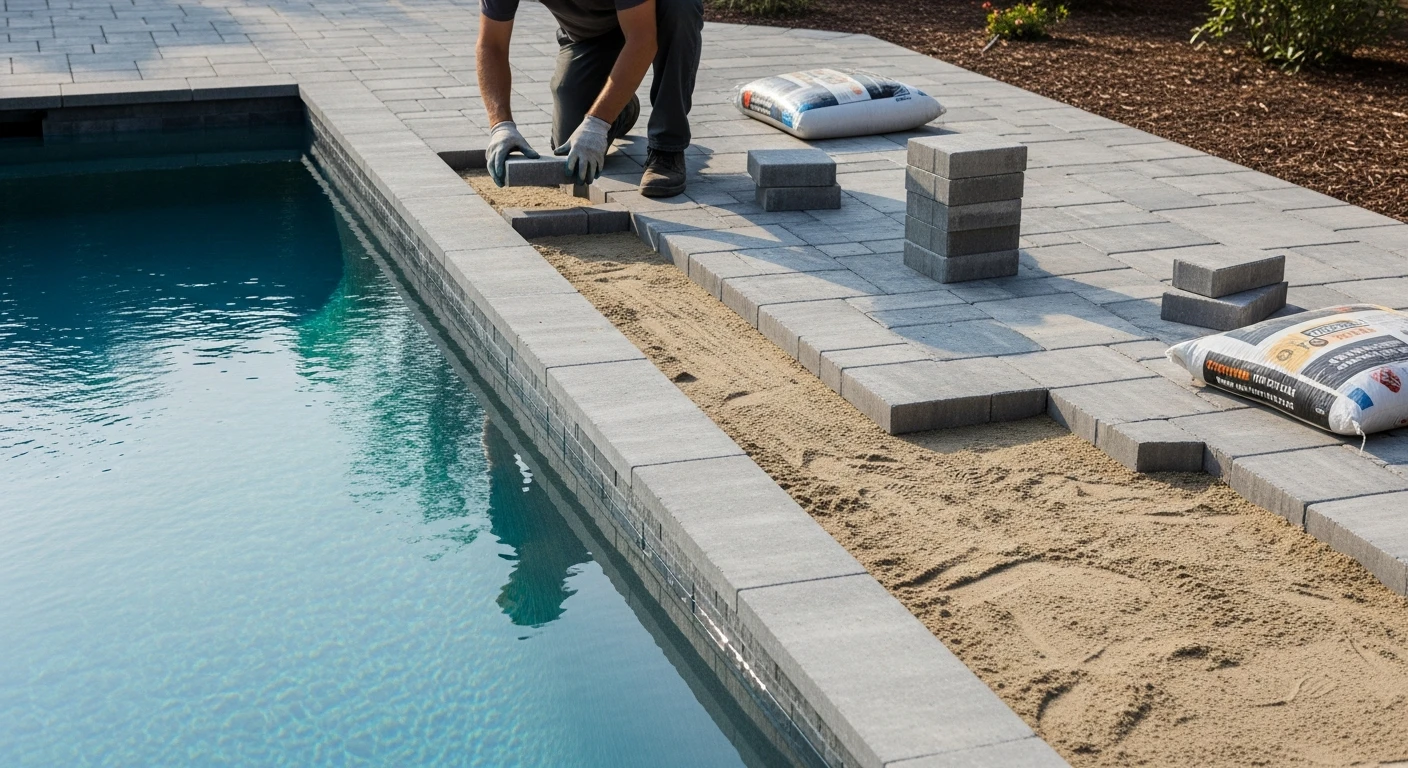
After years of installing paver patios from The Meadows to Siesta Key, I've seen one truth play out repeatedly: the success of a paver installation in Sarasota has almost nothing to do with the pavers themselves. It is entirely dependent on what happens underneath them. Our high water table and sandy soil mean that a standard 4-inch compacted base, which works fine in other parts of the country, is a recipe for failure here. The project's longevity is decided before the first paver is ever laid.
- Soil and Base: Sarasota's soil requires a minimum 6-inch base of crushed concrete or similar aggregate, not just sand, to ensure proper load distribution and prevent sinking.
- Drainage: Proper grading (a minimum 1/4-inch drop per foot) and potentially a French drain system are non-negotiable to handle our summer downpours and protect your home's foundation.
- Edge Restraints: Flimsy plastic edging will warp and fail in the Florida sun. I only use concrete bond beam or heavy-duty aluminum restraints to lock the system in place.
- Joint Sand: Standard sand will wash out in the first big storm. Using a quality polymeric sand is essential for locking pavers together and inhibiting weed growth.
The Planning Failures I See Every Season
The most costly mistakes happen long before a crew shows up. Homeowners, understandably focused on color and pattern, often overlook the foundational elements that dictate whether their patio will last five years or thirty. In Sarasota, these oversights are amplified by our environment.
The Most Expensive Failure: Ignoring Water Management
I was called to a home in Palmer Ranch where a beautiful travertine patio, less than two years old, was already sinking in several spots. The original installer had put down a minimal base and graded the patio almost perfectly level for aesthetic reasons. During the first heavy rainy season, water pooled, saturated the inadequate base, and turned the sandy subsoil into a liquid-like slurry. The entire patio had to be pulled up, the base re-excavated, and re-installed correctly — effectively costing the homeowner double the original price. This is the direct result of treating a Sarasota installation like one in a dry, stable climate.
The Paver Installation Process in Practice for Sarasota
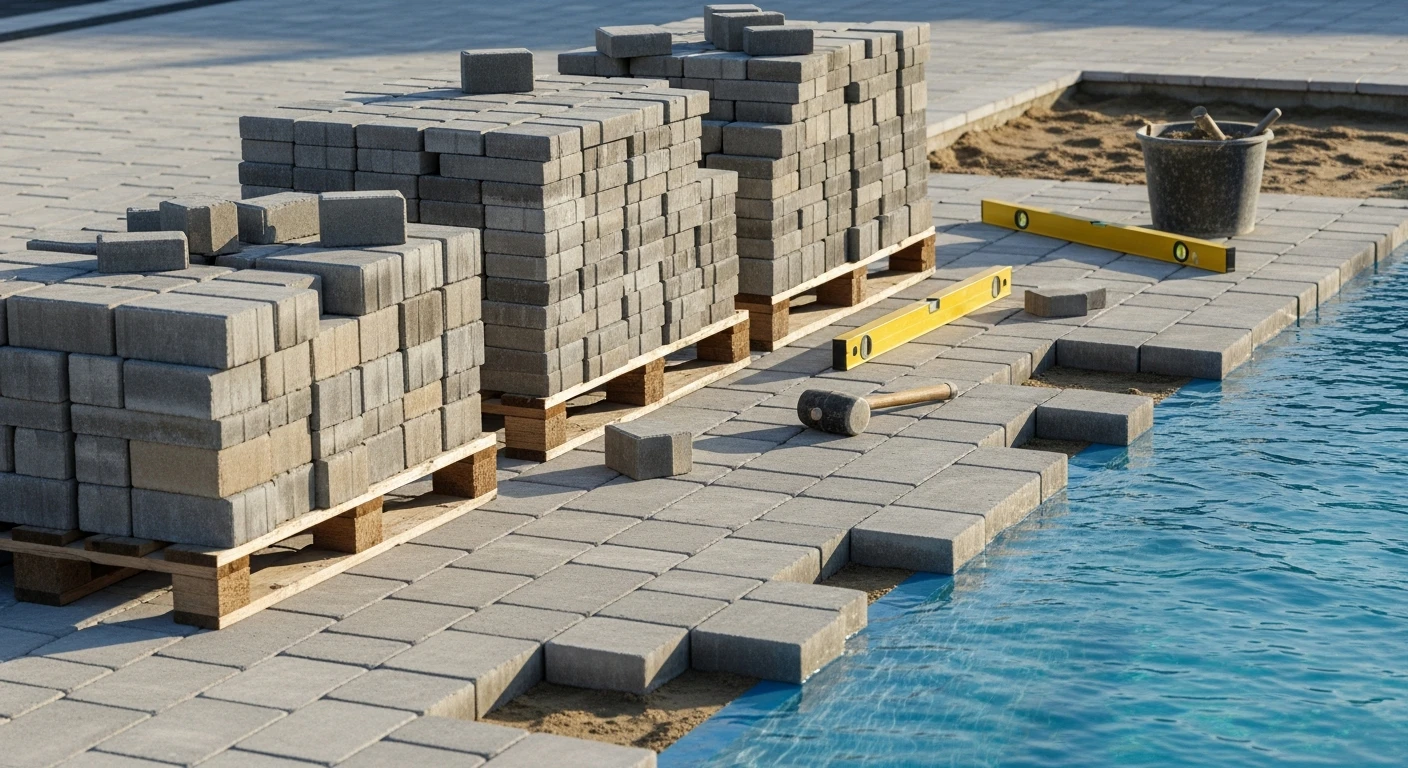
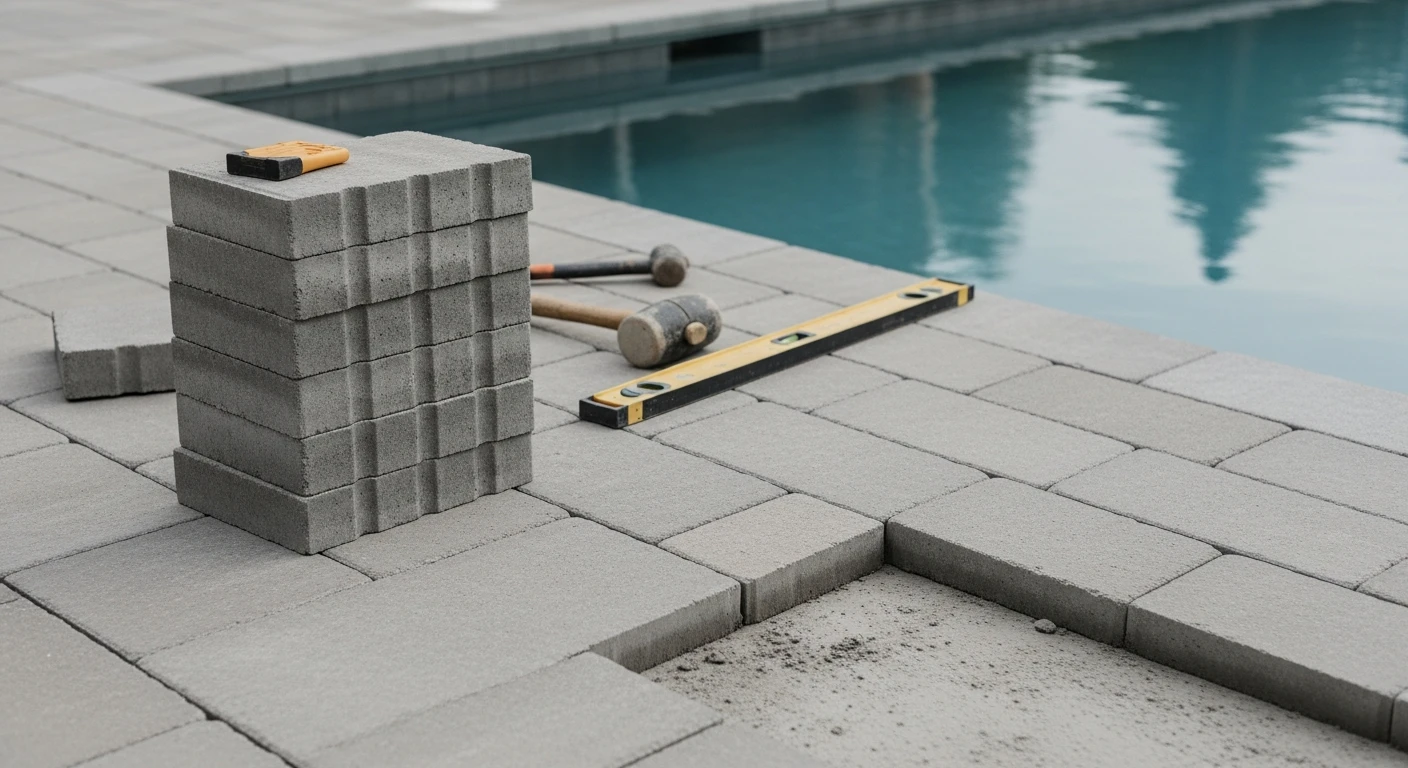
A professional paver installation is a systematic process, not just a weekend project. It begins with a deep understanding of your specific property's challenges, from soil type to how water flows across your yard during a storm. The goal is to build a flexible, interlocking pavement system that can withstand our local conditions.
Key Selection Criteria for Sarasota Homeowners
When you're looking for paver installers in your area, your vetting process should be tailored to our local reality. A contractor from up north may not have the field experience to handle our specific challenges.
- Does their proposal explicitly detail a 6-inch or deeper compacted aggregate base, not just a sand setting bed?
- Can they explain their strategy for managing stormwater runoff specific to your property's grade and proximity to the house?
- Are they licensed and insured specifically for paver installation in Florida? You can verify their license with the Florida Department of Business and Professional Regulation (DBPR).
- Do they include the cost of high-quality polymeric sand and a sealant application in their initial quote, or are these expensive add-ons?
- Will they handle the permit application with Sarasota County if the project requires one (typically for projects affecting drainage or over a certain size)?
Pavers vs. Other Patio Surfaces in Our Climate
Homeowners often weigh pavers against two other popular options: poured concrete slabs and wood decks. Each has its place, but their performance and long-term costs vary significantly in the Sarasota environment.
| Feature | Pavers | Poured Concrete | Wood Deck |
|---|---|---|---|
| Upfront Cost | Moderate to High | Low to Moderate | High |
| Durability in FL Climate | Excellent (if base is correct) | Fair (prone to cracking with soil shifts) | Poor to Fair (prone to rot, mold, and insect damage) |
| Repairability | Excellent (individual pavers can be replaced) | Poor (cracks are difficult to patch attractively) | Moderate (boards can be replaced, but color matching is hard) |
| Heat Retention | Varies (light colors stay cooler) | High (can become very hot to the touch) | Moderate |
When Pavers Are NOT the Right Choice
Despite their benefits, pavers aren't always the best solution. If you have large, mature trees with aggressive surface root systems (like some of the older oaks we see in Southside Village), pavers can be a constant headache. The roots will inevitably heave and disrupt the surface. In these specific cases, a raised wood or composite deck built on proper footings that avoid the main root zones is often a more stable, long-term solution.
A Safe Hiring Checklist for Your Paver Project
Finding a reliable contractor is crucial. The market has many crews, but not all are equipped to deliver a lasting product. This checklist will help you filter out the ones who take shortcuts.
- Verify Florida Contractor License: Check the contractor's license status on the DBPR website. A legitimate business will have a Certified or Registered license.
- Request a Certificate of Insurance: They must have both General Liability and Workers' Compensation. If an uninsured worker gets hurt on your property, you could be held liable.
- Review a Detailed, Itemized Quote: A professional quote lists materials, labor, base depth, paver type, edge restraint type, and jointing sand. A single lump-sum price is a red flag.
- Ask for Local, Recent References: Don't just look at a glossy portfolio. Ask for addresses of projects completed 3-5 years ago in Sarasota or Manatee County to see how their work holds up over time.
- Confirm Permit Responsibility: For any work near a property line, affecting drainage, or part of a larger construction, a permit from Sarasota County may be needed. Clarify in writing who is responsible for pulling it.
- Understand the Warranty: A reputable installer will offer at least a 2-3 year warranty on their workmanship, separate from the manufacturer's warranty on the pavers themselves.
The Decisions That Truly Determine the Outcome
After overseeing hundreds of projects, I can tell you that the final quality of a paver patio comes down to a few key decisions made by the homeowner, often under pressure to save money or time. These choices have outsized consequences.
The Moment Most Homeowners Get It Wrong
The critical mistake happens when comparing quotes. Most people line up the final dollar amounts and choose one from the middle or the bottom. They fail to see that a lower price almost always means a thinner base, cheaper materials, or less experienced labor. You are not buying a product; you are buying a construction method. The right approach is to disqualify any bid that doesn't explicitly detail a 6-inch compacted base, concrete or heavy aluminum edging, and the use of polymeric sand. What's left is a pool of qualified installers, and only then should you compare their prices.
Practical Answers for Installing Pavers in Sarasota
Navigating the local rules and environment is part of the job. A good contractor makes this process seamless for the homeowner, but it's wise to understand the landscape yourself.
Do I Need a Permit for a Paver Patio in Sarasota County?
For a simple, on-grade patio, you often do not. However, if the patio is part of a larger project, is a driveway, involves a retaining wall over 4 feet, or alters the property's drainage plan, a permit from Sarasota County Planning and Development Services is almost always required. A knowledgeable contractor will assess this during the initial site visit. Attempting to bypass this can result in a stop-work order and fines.
How Do Sarasota's HOAs Affect Paver Installation?
In communities like Lakewood Ranch or The Isles, the Homeowners Association (HOA) has its own set of architectural guidelines. You will likely need to submit your paver selection (color, style, and pattern) and a site plan to an architectural review committee for approval before any work begins. This process can take a few weeks. A contractor experienced with local HOAs can help prepare the submission package, which can prevent costly delays or the need to redo work that doesn't meet community standards.
What's the Best Paver Material for Our Coastal Environment?
While standard concrete pavers are durable, I often recommend travertine or high-density concrete pavers for homes near the water, like on Lido Key or Casey Key. These materials are more resistant to salt degradation from the air and tend to stay cooler under the intense Florida sun. While the upfront cost is higher, their longevity and comfort in a coastal setting provide significant value over time.