A Specialist's Overview of Paver Repair in Our Climate
In my years working on paver patios from waterfront homes on Siesta Key to golf course communities in Lakewood Ranch,
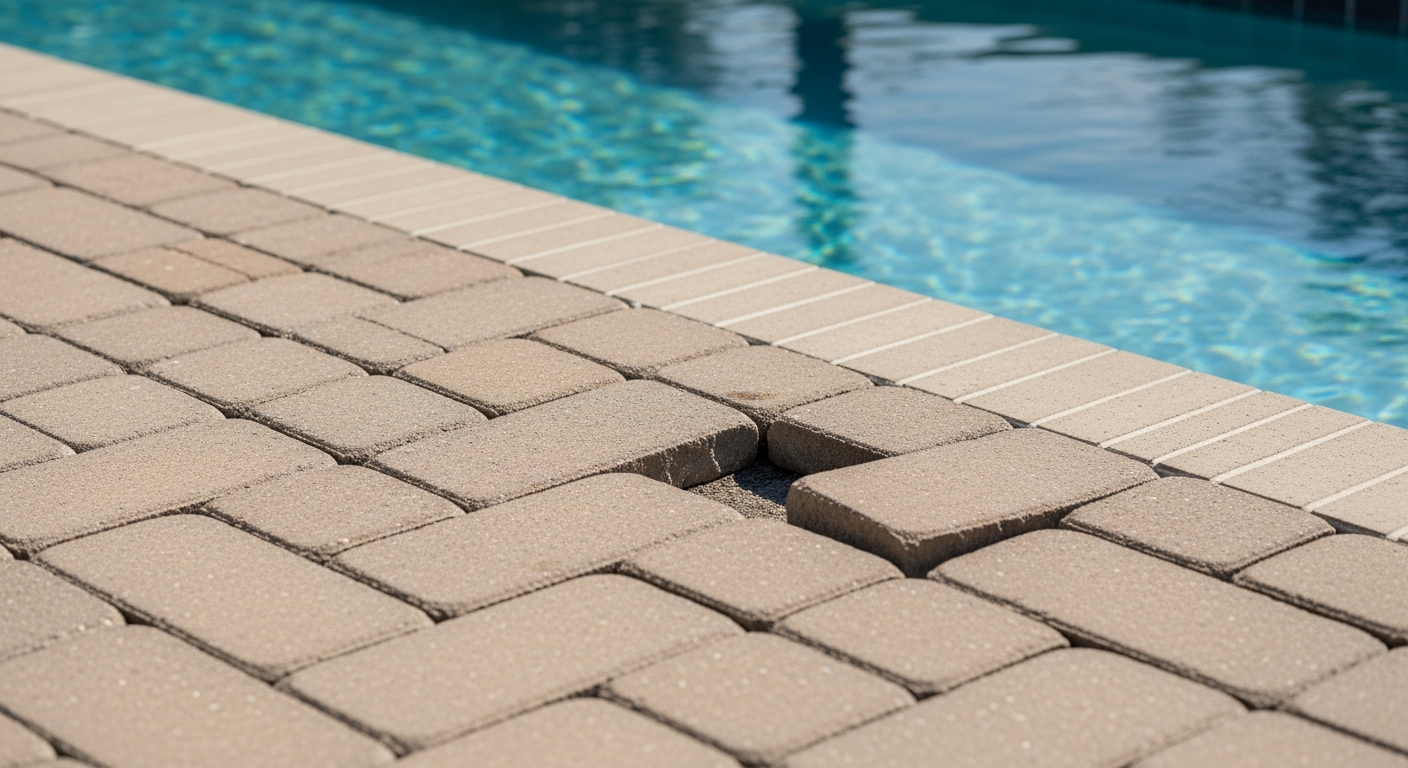
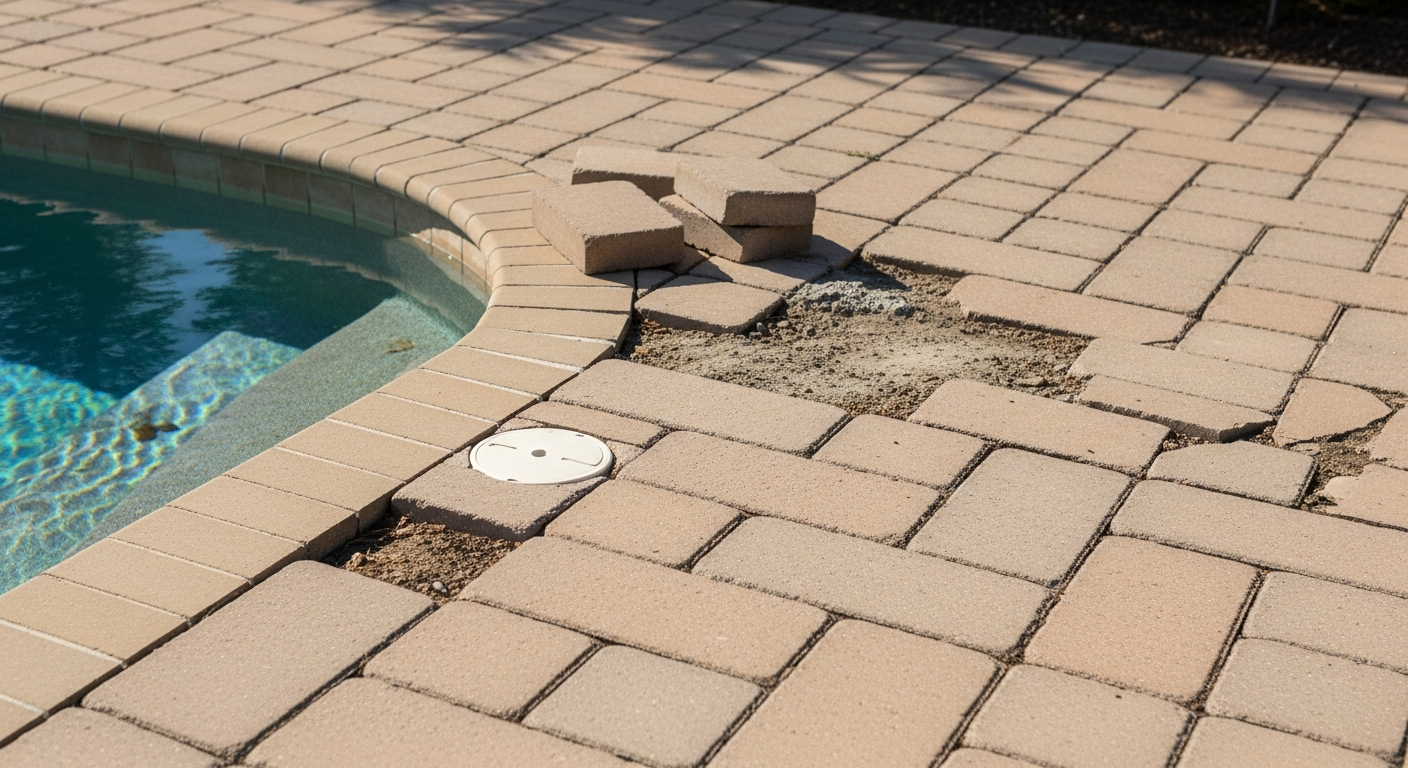
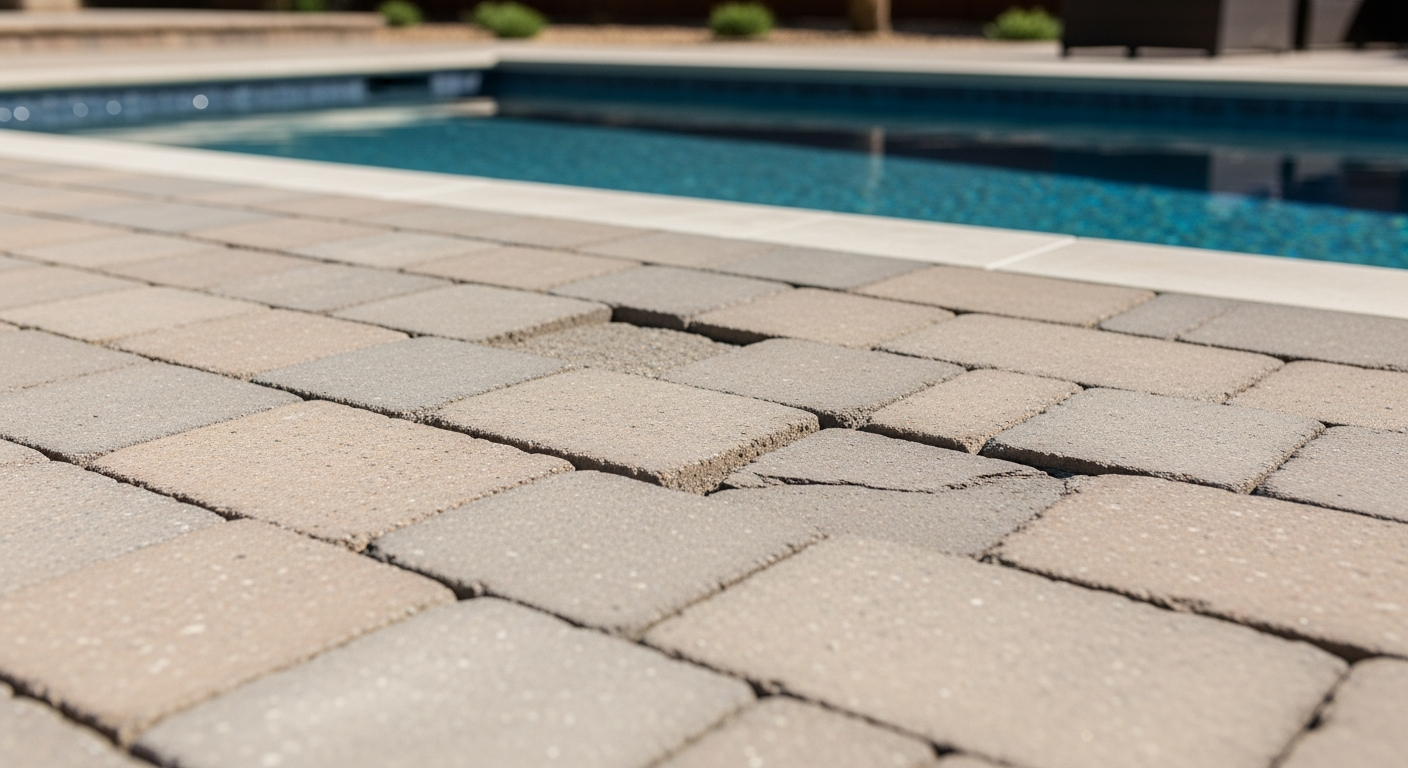
In my years working on paver patios from waterfront homes on Siesta Key to golf course communities in Lakewood Ranch, I've seen one pattern consistently: patio failures here are rarely due to the pavers themselves. The failures are almost always a result of an inadequate base and jointing system that wasn't designed for Sarasota's specific environmental pressures. A proper repair is not about replacing bricks; it's a geotechnical fix that re-engineers the patio's foundation from the sand up. It's about ensuring water moves away from the base, not into it.
- The primary failure point is base subsidence caused by sand and water erosion, not defective pavers.
- Simply adding more sand to the joints without addressing the base is a temporary cosmetic fix that accelerates future failure.
- UV-resistant, breathable sealants are non-negotiable in our climate to prevent color fade and efflorescence.
- Sarasota County generally does not require permits for paver repairs unless the project alters drainage or involves structural retaining walls.
The Planning Mistakes That Guarantee a Second Repair Bill
The most common misstep homeowners make is focusing on the visible problem—a sunken paver or weeds—rather than its source. They request a spot fix, and many contractors are happy to oblige with a low bid. This approach ignores the systemic issue, which is almost always water intrusion into a poorly compacted base. That one sunken paver is just the first symptom of a wider problem.
The Most Expensive Failure: Ignoring the Edge Restraints
I was called to a project in The Meadows where a homeowner had paid for two separate “repairs” on their patio edge along a garden bed. The pavers kept separating and sinking. The previous contractors had simply lifted the pavers, thrown some sand underneath, and tamped them back down. The real issue was the complete failure of the plastic edge restraint, which had become brittle from the sun and was no longer holding the patio together. Every time the sprinklers ran, water washed away the bedding sand from the sides, causing a domino effect of sinking pavers. We had to pull up the entire perimeter, install a proper concrete bond beam edge, and reset the outer three rows. It cost them more than the two previous failed attempts combined, a direct result of misdiagnosing the problem to save a few hundred dollars initially.
The Paver Repair Process Adapted for Sarasota's Soil and Rain
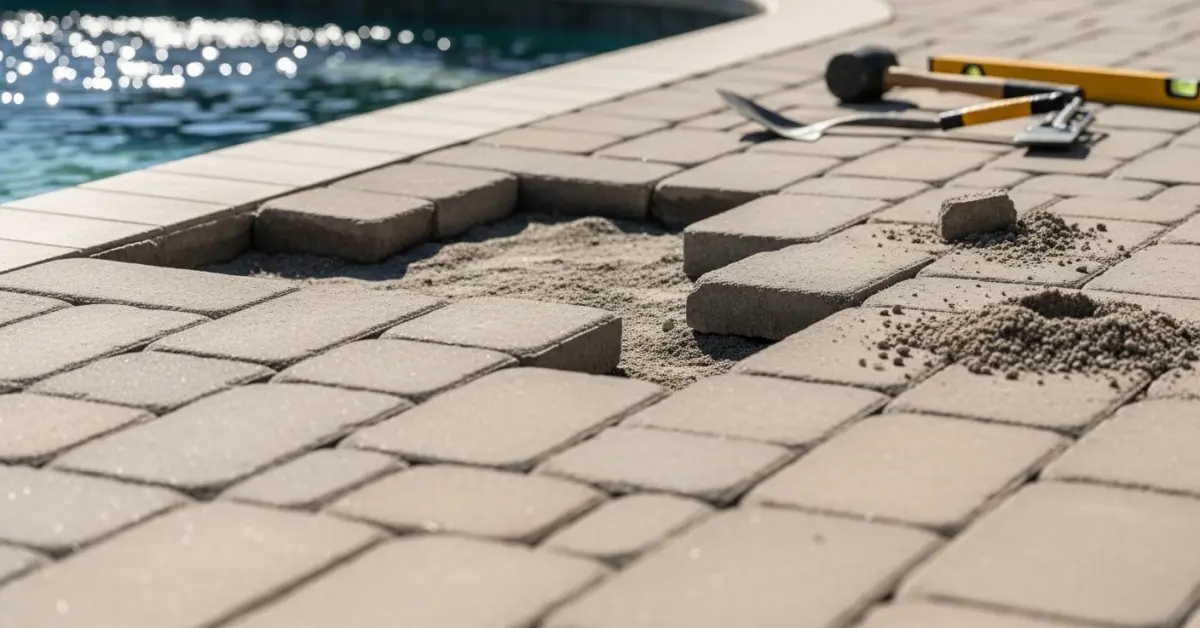
A professional paver restoration in our area is a systematic process that treats the patio as an integrated system. It begins with a careful disassembly of the failed section, marking each paver to ensure it goes back in the original pattern. The real work happens once the pavers are up, exposing the saturated, uneven sand layer underneath.
Key Steps and Local Considerations
The process is methodical and addresses the unique challenges of our region. It's not just about leveling pavers; it's about building a foundation that can withstand our specific climate.
- Assessment and Disassembly: We first identify the full extent of the subsidence. The repair area must extend to the nearest stable pavers to prevent future issues.
- Base Correction: The wet, contaminated bedding sand is removed. We then re-grade and re-compact the underlying aggregate base (#57 stone). This is the most critical step. If the aggregate base itself has failed, it must be excavated and replaced.
- Bedding Sand Installation: A new layer of clean, coarse sand (ASTM C33) is screeded to a uniform thickness of about 1 inch. This provides the final leveling course for the pavers.
- Paver Re-installation and Compaction: Pavers are reset, and a plate compactor is run over the entire area to lock them into the bedding sand and create a smooth, even surface.
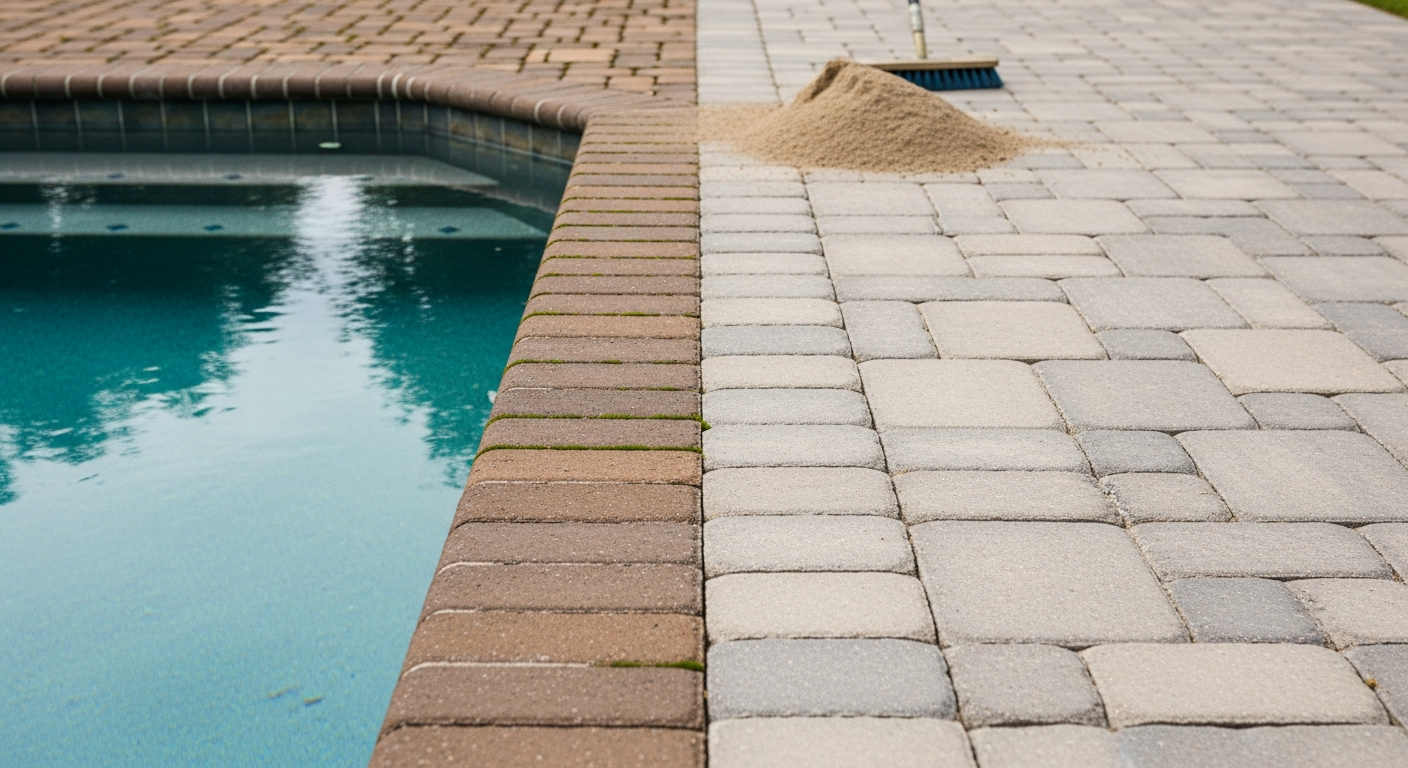
- Joint Stabilization: This is where Sarasota repairs differ most. We use a high-quality polymeric sand, carefully swept into the joints and activated with a precise amount of water. This creates a firm, flexible joint that resists both weed growth and washout from heavy rains.
- Sealing (Optional but Recommended): After a curing period, a two-part cleaning and sealing process protects against UV fading and staining, which is a major issue under the intense Florida sun. A good sealer can also help lock in the jointing sand.
Comparing Repair vs. Replacement and Other Options
Homeowners often default to thinking about a full replacement, but in most cases, it's unnecessary and financially inefficient. The pavers themselves, being concrete or clay, have an extremely long lifespan. The failure is almost always in the installation method, which can be corrected.
| Method | Typical Cost (per sq. ft.) | Longevity in Sarasota Climate | Key Advantage |
|---|---|---|---|
| Spot Repair (Leveling a few pavers) | $5 - $10 | 1-2 Years | Lowest initial cost for a minor trip hazard. |
| Professional Relay & Re-sand | $8 - $16 | 10+ Years | Fixes the root cause (base failure) for long-term stability. |
| Full Replacement (New Pavers) | $20 - $35+ | 20+ Years | Only necessary if pavers are broken or a new design is desired. |
| Concrete Overlay / Stamping | $15 - $25 | 15+ Years | Creates a solid surface but is prone to cracking with soil shifts. |
When a Full Replacement Is the Better Choice
I will advise a client against a repair under two conditions. First, if more than 40% of the pavers are cracked, chipped, or permanently stained beyond restoration. At that point, the labor to salvage the good pavers becomes inefficient. Second, if the homeowner wants a significant change in the patio's design, footprint, or paver style. A repair is meant to restore the existing investment, not create a new one.
A Safe Hiring Checklist for Paver Contractors in Florida
Hiring for paver work requires looking beyond a nice portfolio. The technical skill is in what you can't see after the job is done—the base. Vetting a contractor properly protects you from the short-term fixes that plague our area.
- Verify Florida Licensing: Ask for their state license number. In Florida, paver installation can fall under a Certified Building Contractor (CBC) or a specialty license. Verify it's active and complaint-free on the Florida Department of Business and Professional Regulation (DBPR) website.
- Confirm Liability and Workers' Comp Insurance: Request a Certificate of Insurance (COI) sent directly from their insurer. An uninsured contractor on your property is a significant financial risk. This is non-negotiable.
- Ask About Their Base Preparation Method: A knowledgeable contractor should immediately talk about aggregate base, compaction in lifts, and proper drainage slope. If they just mention “sand,” it's a major red flag.
- Request Local, Recent References: Ask for references for repair jobs, not just new installations, completed within the last two years in Sarasota County.
- Get a Detailed, Itemized Quote: The proposal should break down costs for labor, base materials, bedding sand, polymeric sand, and sealing separately. Vague quotes hide shortcuts.
- Inquire About Their Warranty: A reputable company will offer at least a 2-year warranty on workmanship for repairs. Get it in writing.
Decisions That Separate a Lasting Repair from a Temporary Patch
The success of a paver repair is determined before the first paver is ever lifted. It hinges on the homeowner's willingness to invest in the unseen foundation rather than just the visible surface. Every time I've seen a repair fail within a few years, it traces back to a decision to cut corners on the base preparation or jointing material.
The Moment Most Homeowners Get It Wrong
The critical mistake happens during the proposal review. A homeowner gets three quotes. Two are within a similar range, detailing base correction and polymeric sand. A third is 30% cheaper. That third quote almost never includes excavating and re-compacting the base; it's a simple “lift and level” service. The decision to choose the cheapest quote is the decision to pay for the job twice. I always tell clients to ask one question of the low bidder: “Does your price include removing the existing bedding sand, re-compacting the aggregate base, and installing new bedding sand?” The answer is almost always no.
Practical Answers for Paver Projects in Sarasota
Navigating a repair project involves more than just the physical work. Understanding the local context, from regulations to material choices, is key to a smooth process.
Do I Need a Permit for Paver Patio Repair in Sarasota County?
For most paver patio repairs—lifting, re-leveling, and re-sanding an existing patio—Sarasota County does not require a permit. However, a permit is typically required if the project involves altering the property's drainage, building a new retaining wall over 4 feet, or significantly expanding the patio's impervious surface area. Always confirm with the Sarasota County Planning and Development Services if you are unsure.
How Do HOA Rules in Communities like Palmer Ranch Affect Repairs?
Homeowner Associations, especially in master-planned communities like Palmer Ranch or Lakewood Ranch, often have strict architectural guidelines. While they may not dictate your repair method, they will have rules about maintaining the original appearance. If your pavers are severely faded, they may require you to clean and seal the entire patio, not just the repaired section, to ensure a uniform look. It's crucial to check your HOA covenants before work begins.
Why Does Polymeric Sand Fail So Often in Florida's Humidity?
Polymeric sand failure is a frequent complaint, but it's usually due to improper installation, not the product itself. The high humidity in Sarasota means the sand can start to activate before it's fully settled in the joints. A professional installer works in small sections, uses a leaf blower to remove all dust from the paver surface, and applies a very fine mist of water—a “shower” setting, not a jet—to activate it correctly. Rushing this step or applying too much water too quickly washes the polymers out, leaving you with useless, hardened sand on top of your pavers.