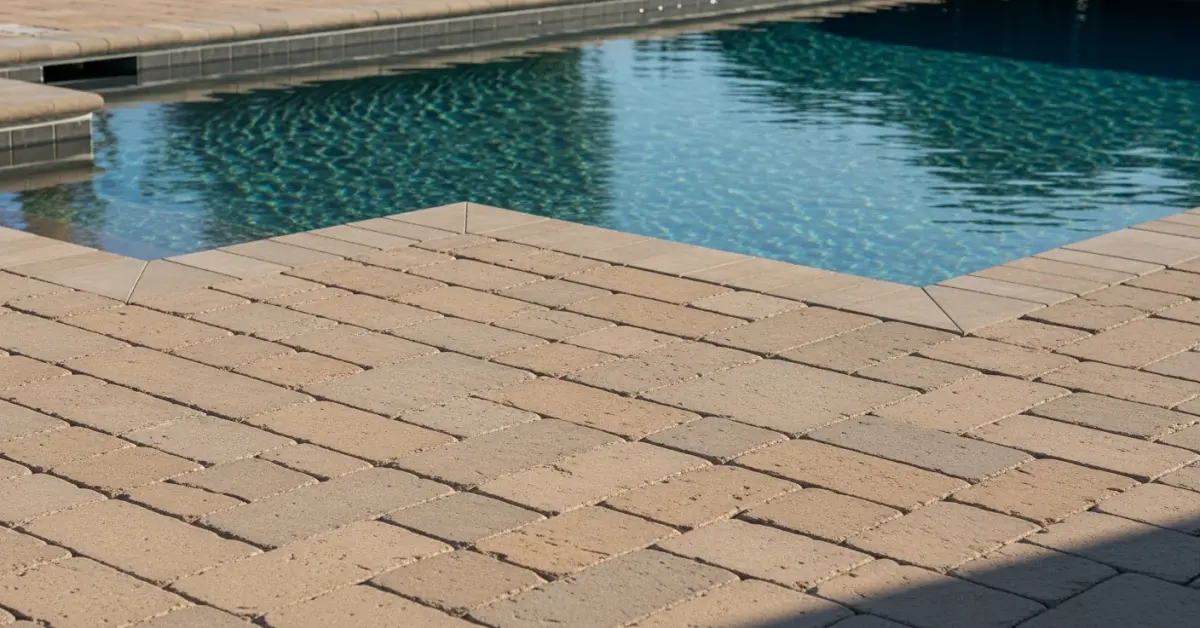
Many homeowners believe that all paver installations are roughly the same, differing only in the style of the stone. This is a costly assumption in Sarasota. After years of replacing failed paver patios, particularly in areas east of I-75 where drainage is a constant battle, I've seen firsthand how our specific combination of sandy soil, high water table, and intense rainstorms can destroy a poorly planned project. A patio that looks perfect on day one can become an uneven, weed-filled mess by its second rainy season if the base wasn't engineered for our local conditions. The most critical factor is not the paver, but the meticulously prepared sub-base and drainage system beneath it.
Executive Summary: What Matters for Paver Stones in Sarasota
From my perspective, a successful paver project in this region hinges on moisture management and ground stability. The
From my perspective, a successful paver project in this region hinges on moisture management and ground stability. The intense sun heats dark pavers to unusable temperatures, while torrential downpours will exploit any weakness in the base or jointing sand. The goal is to build a system that remains stable, cool, and resistant to the organic growth that thrives in our humidity. This isn't just landscaping; it's a small-scale civil engineering project for your backyard.
- Base Preparation: A standard 4-inch base of crushed rock is often insufficient for Sarasota's sandy soil. I typically specify a 6 to 8-inch compacted base to ensure long-term stability and prevent sinking.
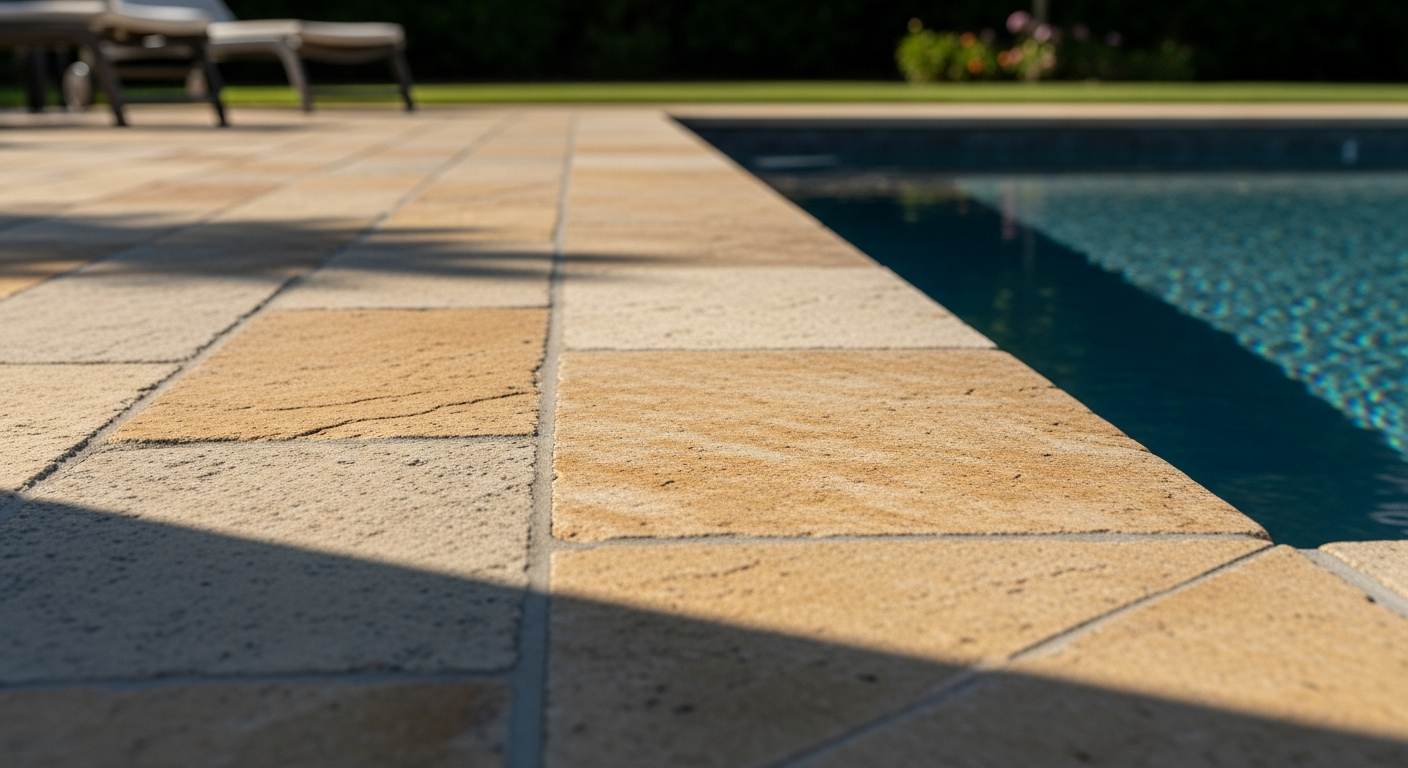
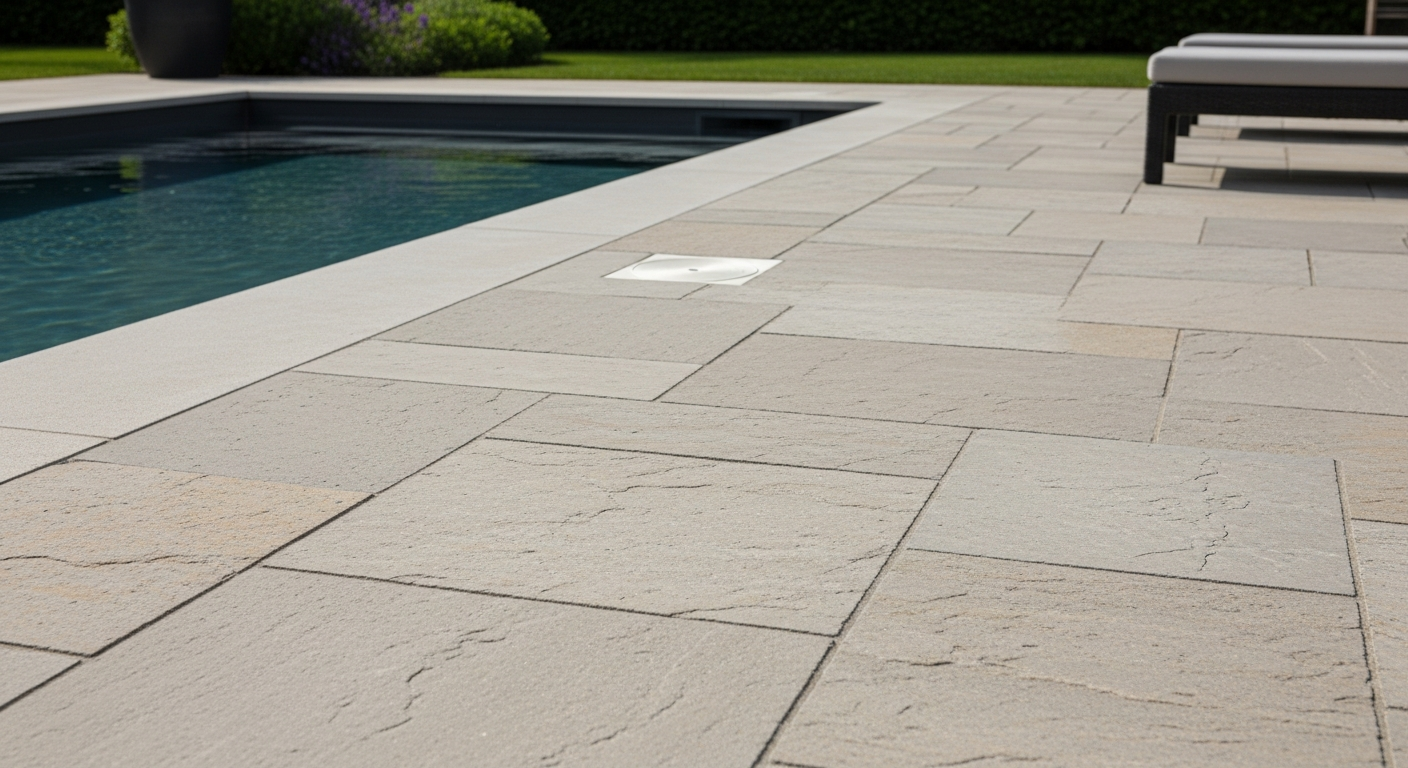
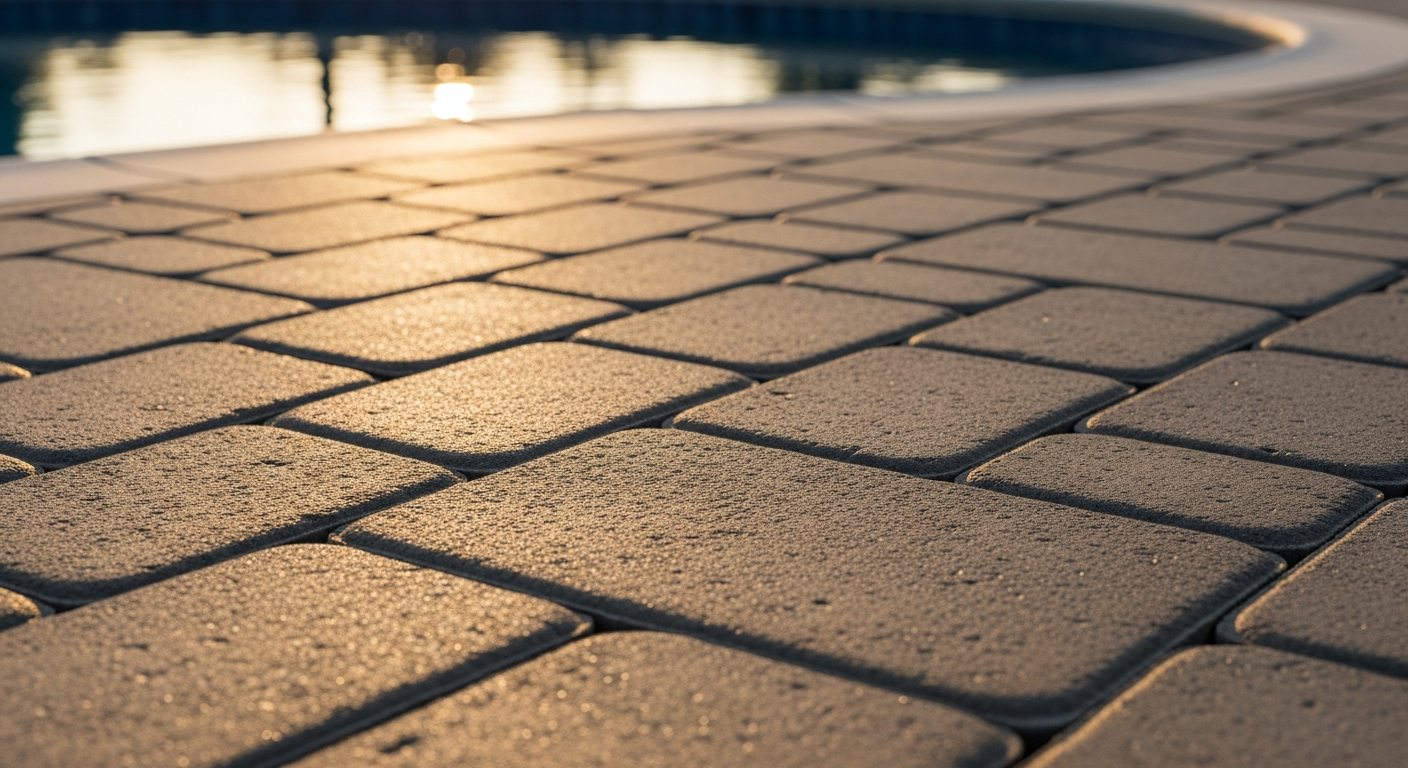
- Material Selection: Light-colored travertine and certain concrete pavers are superior for pool decks and patios due to their lower heat absorption compared to dark slate or bluestone.
- Drainage and Slope: A minimum 1/4-inch per foot slope away from the home's foundation is non-negotiable. For larger patios, channel drains or French drains are often necessary.
- Jointing Sand and Sealing: Using polymeric sand is standard, but applying a high-quality, breathable (not film-forming) sealer is crucial to prevent mildew, staining from leaf tannins, and weed growth.
The Planning Failures That Haunt Sarasota Homeowners
The most common mistakes I see are not in the choice of stone, but in what happens before the first paver is ever laid. Homeowners are often sold on a visual, but the structural integrity is what determines the lifespan of the investment. Cutting corners on the foundation is the fastest way to guarantee a call for repairs.
The Drainage Miscalculation
The single most expensive failure is underestimating water runoff. A contractor might lay a beautiful patio, but if they haven't properly calculated the slope and drainage needed to handle a Sarasota summer downpour, water will pool against the house foundation or, worse, undermine the paver base itself. I was called to a project in The Meadows where a new, expansive patio had created a dam, channeling water directly into the home's lanai during a storm. The repair involved removing a third of the new pavers to install a channel drain, costing the homeowner nearly 40% of the original installation price. They focused on the paver cost per square foot, not the total project engineering.
The Installation Process for Our Climate
A paver installation here is a multi-stage process heavily focused on excavation and compaction. It’s not just about leveling sand and placing stones. The success of the project is locked in before you even see a single paver on site. Timelines are also heavily dependent on weather; the rainy season can introduce delays if the base material becomes saturated before it can be properly compacted.
Key Selection Criteria for a Sarasota Contractor
When vetting installers, your questions should focus on their methodology for dealing with our specific environmental challenges. A generic approach that works in a dry climate will fail here.
- Base Material Specification: Ask for the exact type and depth of the base aggregate they use. In Sarasota County, a mix of crushed concrete and limestone (#57 stone) is common, but the depth should be at least 6 inches for pedestrian areas.
- Compaction Method: They must use a heavy-duty plate compactor on the sub-grade and on each layer of the base material. A hand tamper is not sufficient for our sandy soils.
- Drainage Plan: Demand a clear explanation of how they will manage water. Where will it go? Is the slope adequate? Do they recommend drains? This should be on the contract.
- Proof of Licensing and Insurance: Verify their license with the Florida Department of Business and Professional Regulation (DBPR). A landscaping company may not have the proper license for structural paver installation.
Comparing Pavers to Other Patio Surfaces
Pavers are often the preferred choice, but they aren't the only option. Homeowners often weigh them against poured concrete and wood decking. The best choice depends on budget, aesthetics, and tolerance for maintenance in our humid, salt-air environment.
| Feature | Stone Pavers | Poured Concrete | Wood Decking |
|---|---|---|---|
| Upfront Cost | Moderate to High | Low to Moderate | High |
| Durability in FL Climate | Excellent (if installed correctly) | Good (prone to cracking) | Poor to Fair (requires constant maintenance) |
| Repairability | Excellent (replace individual stones) | Poor (patching is visible) | Moderate (replace individual boards) |
| Heat Retention | Varies by color/material (Travertine is cooler) | High (can be very hot) | Moderate to High |
When Pavers Are the Wrong Choice
Despite their benefits, pavers are not always the best fit. If your property has significant, unresolved drainage issues or is in a designated flood-prone area, installing an impermeable surface like pavers can worsen the problem. In these specific cases, a raised wood deck or using large, permeable pavers with gravel joints might be a more responsible, albeit different, solution to avoid creating water management nightmares for yourself and your neighbors.
Safe Hiring Checklist for Your Paver Project
Hiring the right team is more than getting three quotes. It's about verifying their understanding of local conditions. I've seen far too many crews with out-of-state plates come in after a storm, do subpar work, and disappear, leaving homeowners with no recourse.
- Verify Florida Contractor License: Check their license status on the DBPR website. A general contractor (CGC) or residential contractor (CRC) license is appropriate for this type of structural work.
- Request a Certificate of Insurance: They must have both general liability and worker's compensation. Ask for the certificate to be sent directly from their insurance agent.
- Review a Portfolio of Local Work: Ask for addresses of projects they completed over two years ago in Sarasota or Manatee County. This allows you to see how their work holds up over time.
- Scrutinize the Contract: It must detail the base depth, material types, drainage plan, and payment schedule. Vague contracts are a major red flag. A typical permit for this work from Sarasota County can range from $150 to $400, and the contract should specify who is responsible for pulling it.
- Check for Negative Reviews or Complaints: Look beyond their website. Check the Better Business Bureau and local community forums for any patterns of complaints.
The Decisions That Define a Lasting Installation
Two key decisions separate a patio that lasts 20 years from one that needs major repairs in five. Both happen before the work begins and have little to do with the color or shape of the decorative paving stones you choose.
The Moment Most Homeowners Get It Wrong
The critical mistake happens during the quote comparison stage. Homeowners tend to focus on the cost per square foot for the finished surface, treating the installation as a commodity. They compare the price of Paver A from Company X to Paver A from Company Y. The right approach is to compare the scope of work for the foundation. Ask each contractor to break down the cost of excavation, base material, and compaction. The cheaper quote almost always skimps on the base depth and compaction, which is where the structural integrity lies. A slightly higher price that includes two extra inches of compacted base is an investment in longevity, not an expense.
Practical Answers for Paver Projects in Sarasota
Navigating the local requirements is a key part of the process. A good contractor handles this, but understanding the landscape helps you ask the right questions and avoid delays or violations.
Do I Need a Permit for a Paver Patio?
In Sarasota County, a permit is generally required if the patio is attached to the house foundation, part of a new pool deck, or covers a significant area that alters property drainage. A simple, detached patio might not, but it's always best to verify with the Sarasota County Planning and Development Services. Failing to pull a required permit can result in fines and problems when you sell your home.
HOA Architectural Review in Sarasota Communities
For homeowners in communities like Palmer Ranch, University Park, or Lakewood Ranch, the HOA's Architectural Review Committee (ARC) approval is often more stringent than the county's. You will need to submit your paver choice (style and color), a site plan showing the patio's location and dimensions, and your contractor's information. Approval can take several weeks, so this must be the first step in your process, even before signing a contract.
Choosing Pavers for a Pool Deck
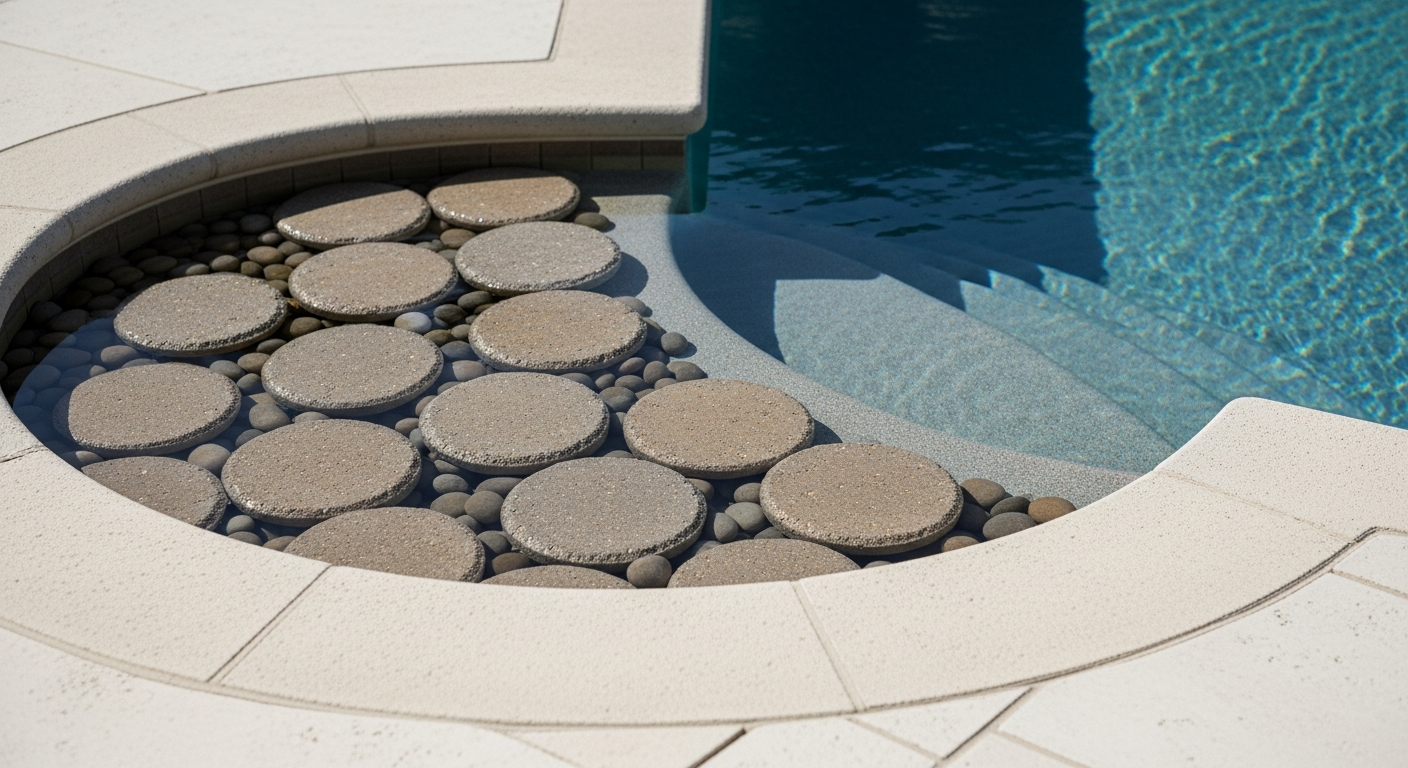
When selecting patio stones and pavers for a pool deck, three factors are critical in our climate: heat reflection (albedo), slip resistance, and resistance to salt/chlorine. Travertine pavers are extremely popular for this reason. They stay cooler to the touch than concrete, have a naturally non-slip texture, and hold up well to pool chemicals. They are often classified as large pavers and can create a very seamless, high-end look around the water.