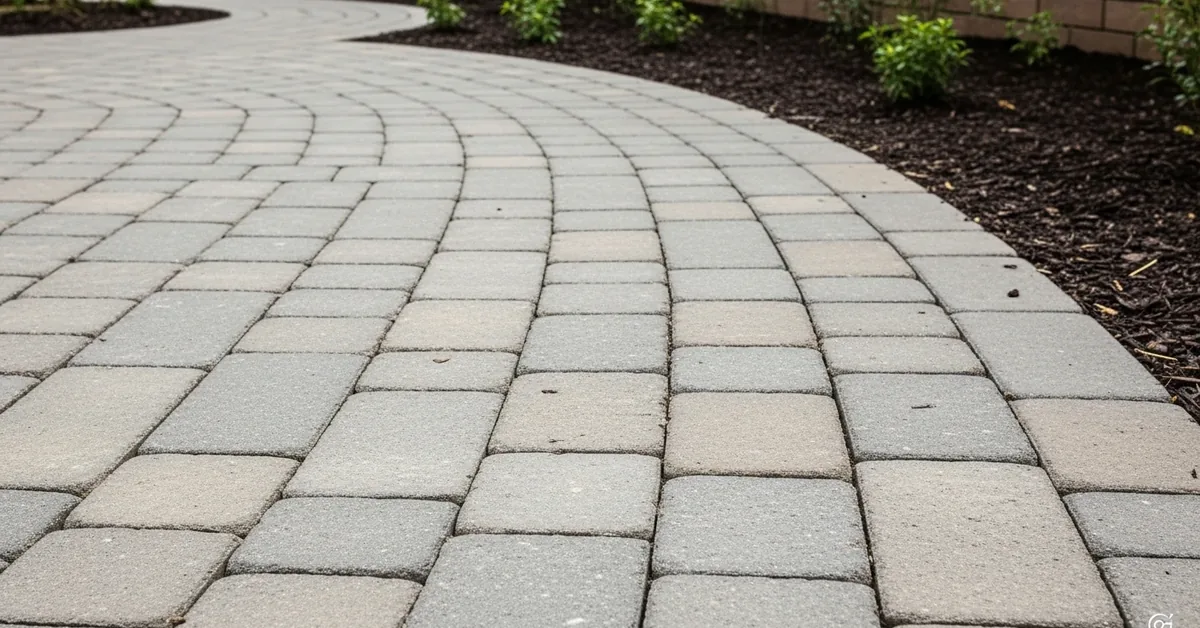
Why Most Paver Installations in Sarasota Fail Prematurely
After years of installing and repairing paver systems across Sarasota County, I've seen a consistent pattern: failure
After years of installing and repairing paver systems across Sarasota County, I've seen a consistent pattern: failure is almost never due to the paver itself, but to an improperly prepared base that cannot handle our sandy soil and intense rainy seasons. A driveway or patio that sinks, shifts, or grows weeds isn't a product defect; it's an engineering failure. The focus must shift from the surface appearance to the unseen foundation beneath it, which is the only thing guaranteeing a 20-year lifespan instead of a 5-year headache.
- Soil Composition: Sarasota's prevalent "sugar sand" requires a deeper, more compacted base than in other regions. A standard 4-inch base is often insufficient.
- Water Management: Effective drainage and proper slope are non-negotiable to prevent hydrostatic pressure from undermining the base during summer downpours.
- Edge Restraint: Concrete bond beam restraints are superior to plastic edging, which can warp and fail under our intense sun and soil pressure.
- HOA Compliance: Many Sarasota communities, like those in Lakewood Ranch, have pre-approved color palettes and paver styles that must be adhered to.
The Planning Failures That Drive Up Long-Term Costs
The most expensive mistakes happen before the first paver is ever laid. Homeowners, focused on color and pattern, often overlook the technical specifications in a quote. This lack of scrutiny leads to projects that look good for the first year and then begin a slow, costly decline.
The Most Expensive Failure: Ignoring the Base and Drainage
I was called to a project in The Landings where a beautiful travertine patio, less than three years old, had developed significant sinking near the downspouts. The original contractor used the minimum required 4-inch crushed stone base and no geotextile fabric. During our heavy summer rains, water washed away the fine sand from underneath, creating voids that caused the pavers to collapse. The repair required removing the entire section, excavating another 6 inches, installing a soil stabilization fabric, and rebuilding the base with the proper aggregate and compaction. The fix cost nearly 40% of the original installation price, a completely avoidable expense.
The Paver Installation Process Tailored for Sarasota
A professional paver installation here is a multi-stage engineering project, not a simple landscaping task. The process is dictated by our environment and must account for soil, water, and load-bearing requirements, whether it's for a simple walkway or a load-bearing driveway.
Key Selection Criteria for Sarasota Homeowners
When evaluating a contractor for paver installation near me, your checklist should be specific to our local challenges:
- Base Depth Specification: Does the quote explicitly state a minimum 6-8 inch compacted aggregate base for driveways and 4-6 inches for patios? Vague terms like "standard base" are a red flag.
- Soil Stabilization Method: Do they use a geotextile fabric? This is crucial in our sandy soil to separate the aggregate base from the sand, preventing it from mixing and destabilizing.
- Compaction Equipment: The contractor must use a mechanical plate compactor rated for at least 5,000 pounds of force. Verifying the equipment they plan to use is a valid question.
- Proof of HOA Approval: For communities in Palmer Ranch or similar areas, ask for examples of projects they've completed that successfully passed architectural review.
- Sarasota County Permit History: For driveway aprons or work near public right-of-ways, a contractor's familiarity with Sarasota County's permitting process is essential. A typical permit for such work can take 2-4 weeks to process.
Comparing Pavers to Other Surface Options in Florida
Pavers are a premium choice, but their value proposition in our climate is distinct. The key is understanding the trade-offs in maintenance, durability, and aesthetics against common alternatives like poured concrete and stamped concrete.
| Feature | Interlocking Pavers | Poured Concrete Slab | Stamped Concrete |
|---|---|---|---|
| Heat Reflection | Good to Excellent (light colors) | Poor (absorbs and radiates heat) | Fair to Poor (darker colors absorb heat) |
| Repairability | Excellent (replace individual units) | Poor (requires patching or slab replacement) | Very Poor (color and pattern matching is difficult) |
| Resistance to Cracking | Excellent (flexible system moves with soil) | Poor (prone to cracking with soil shifts) | Poor (will crack like a standard slab) |
| Initial Cost | High | Low | Medium |
When Pavers Are Not the Right Choice
There are situations where I advise against pavers. If a property has significant, unresolved drainage issues or major tree root problems from mature oaks, the cost of sub-surface remediation can make the project prohibitively expensive. In these cases, a reinforced concrete slab, while less aesthetic, might be a more pragmatic, structurally sound solution until the underlying site problems are fully addressed.
Safe Hiring Checklist for Paver Contractors
Protecting your investment starts with vetting the installer. A beautiful portfolio means nothing if the company lacks the proper licensing, insurance, and technical knowledge for our specific region.
- Verify Florida State License: Check the contractor's license on the Florida Department of Business and Professional Regulation (DBPR) portal. They should hold a relevant certification, such as a Certified General, Building, or Residential Contractor license, depending on the project scope.
- Confirm Liability and Workers' Comp Insurance: Ask for a Certificate of Insurance (COI) sent directly from their insurance agent. In Florida, this is non-negotiable protection for you as the homeowner.
- Request a Detailed Base Prep Specification: The quote must detail the excavation depth, type of aggregate (e.g., #57 stone, screenings), compaction process, and use of geotextile fabric.
- Inquire About Sealing and Joint Sand: Do they use standard sand or polymeric sand? Polymeric sand is superior for our wet climate as it hardens to resist weed growth and insect intrusion.
- Review Their Warranty: A reputable installer should offer at least a 2-5 year warranty on workmanship, covering issues like sinking or shifting. Manufacturer warranties on the pavers themselves are separate.
- Check Sarasota County Permit Records: For larger projects, you can often look up a contractor's permit history online to see the type and volume of work they perform locally.
Decisions That Determine the Final Outcome
Two clients can hire the same reputable company and end up with vastly different long-term results based on a few key decisions made at the start. The outcome is defined by the homeowner's willingness to invest in the foundation, not just the finish.
The Moment Most Homeowners Get It Wrong
The critical mistake happens when comparing quotes. Most homeowners line up the total price and choose one in the middle, assuming they are comparing apples to apples. The correct approach is to ignore the total price initially and compare the line items for base preparation. A quote with 8 inches of compacted base and geotextile fabric will be more expensive than one with 4 inches and no fabric. The cheaper quote isn't a better deal; it's a different, inferior product. I always tell clients to force contractors to bid on the exact same base specifications to get a true cost comparison.
Practical Answers for Paver Projects in Sarasota
Navigating a paver project involves more than just design and installation. It requires an understanding of local regulations, material constraints, and environmental factors unique to our area.
What Type of Paver Withstands the Florida Sun?
Concrete pavers manufactured with high-quality, color-through pigments offer the best resistance to fading from our intense UV exposure. Cheaper pavers with only a thin surface layer of color will show their aggregate base as they wear and fade. For coastal properties, especially on Siesta Key or Lido Key, opting for high-density, low-absorption concrete pavers is critical to resist salt degradation.
Do I Need a Permit for a Paver Patio or Driveway?
Generally, a paver patio or walkway built on-grade does not require a permit from Sarasota County. However, a new driveway or modifications to the driveway apron (the part connecting to the street) absolutely requires a permit. Furthermore, if the project involves significant grading changes or is part of a larger construction project, permits will be necessary. Always verify with the Sarasota County Planning and Development Services department before starting work.
How Do HOAs Influence Paver Choices?
Homeowner Associations are a major factor. In communities like Lakewood Ranch or Prestancia, the Architectural Review Committee (ARC) often has a list of pre-approved paver shapes, manufacturers, and color blends. Submitting your plan with material samples is usually a mandatory first step. Proceeding without written ARC approval can lead to fines and a demand to remove the entire installation at your own expense. A contractor experienced in your specific community will be invaluable in navigating this process.