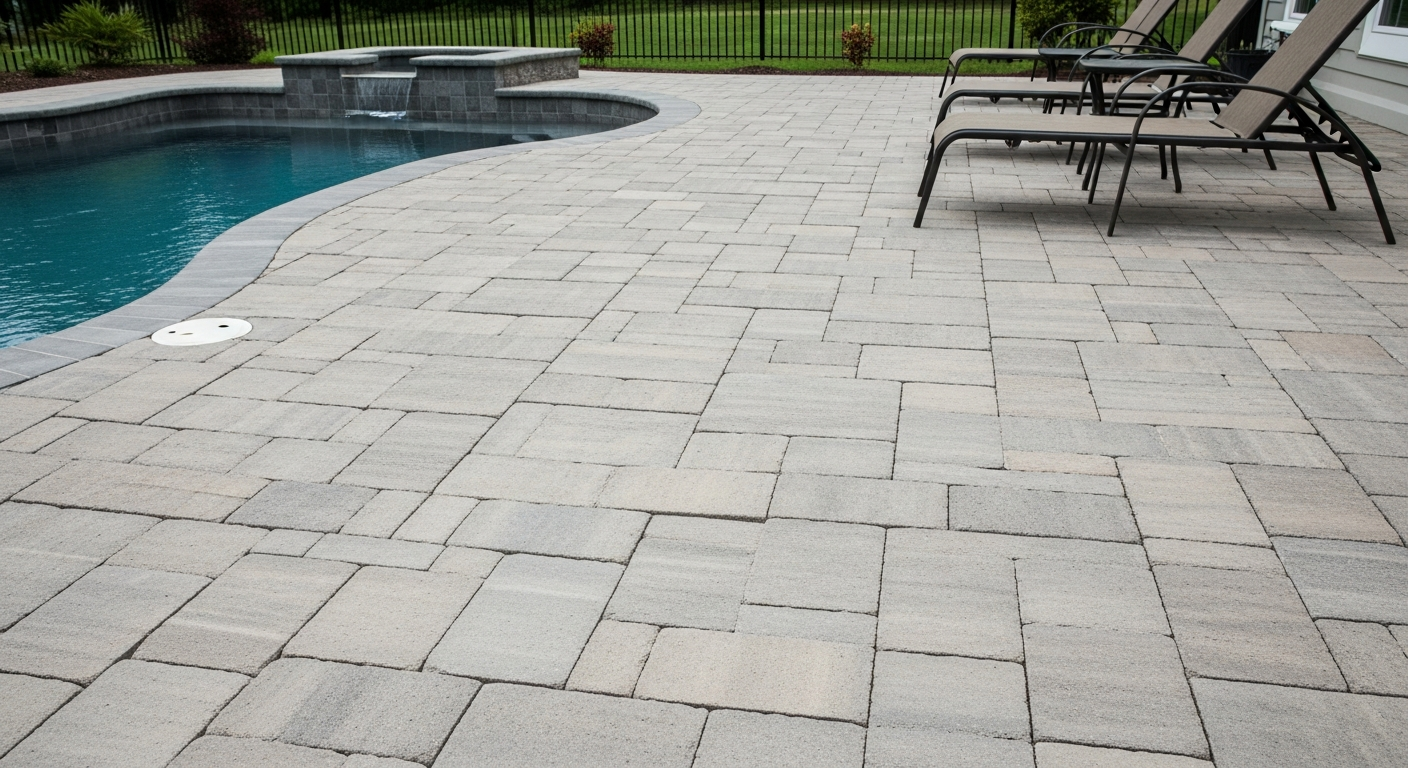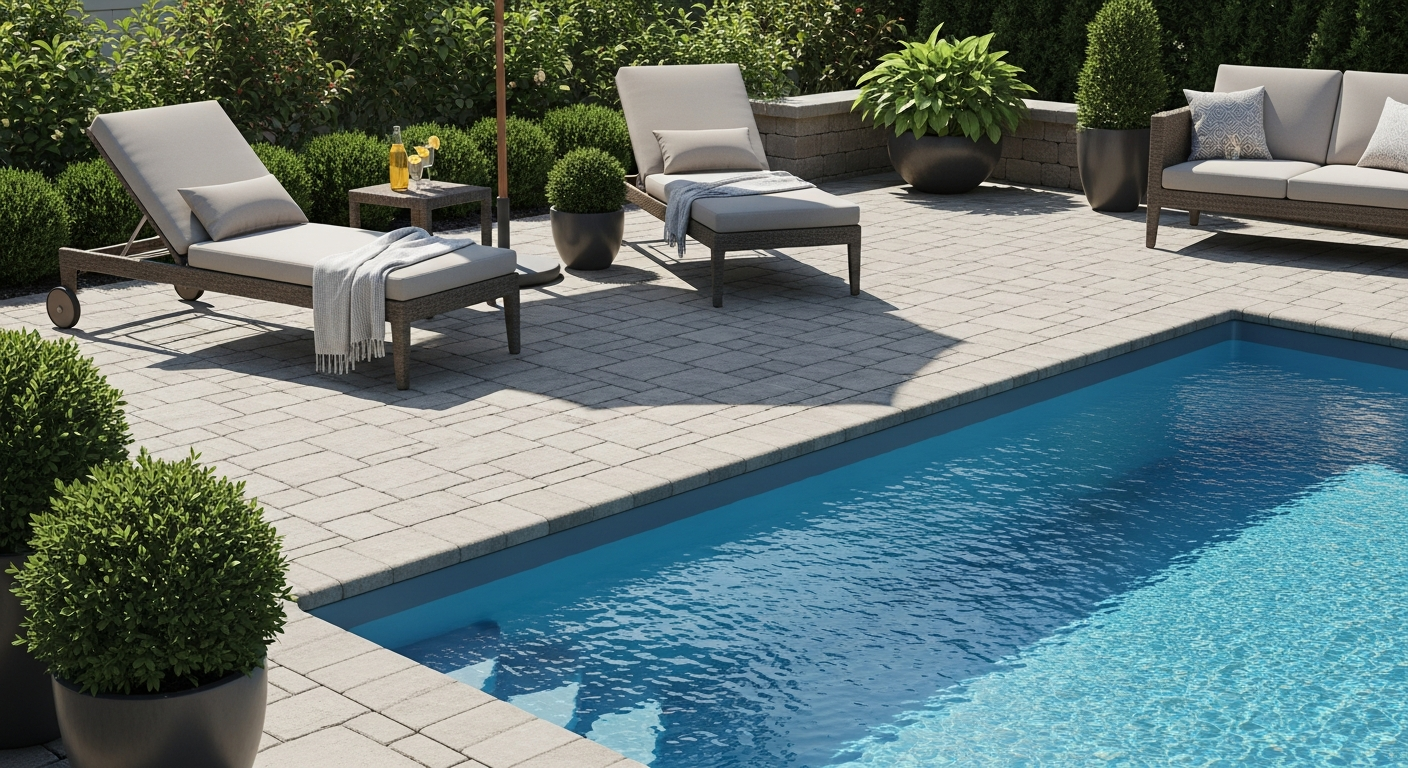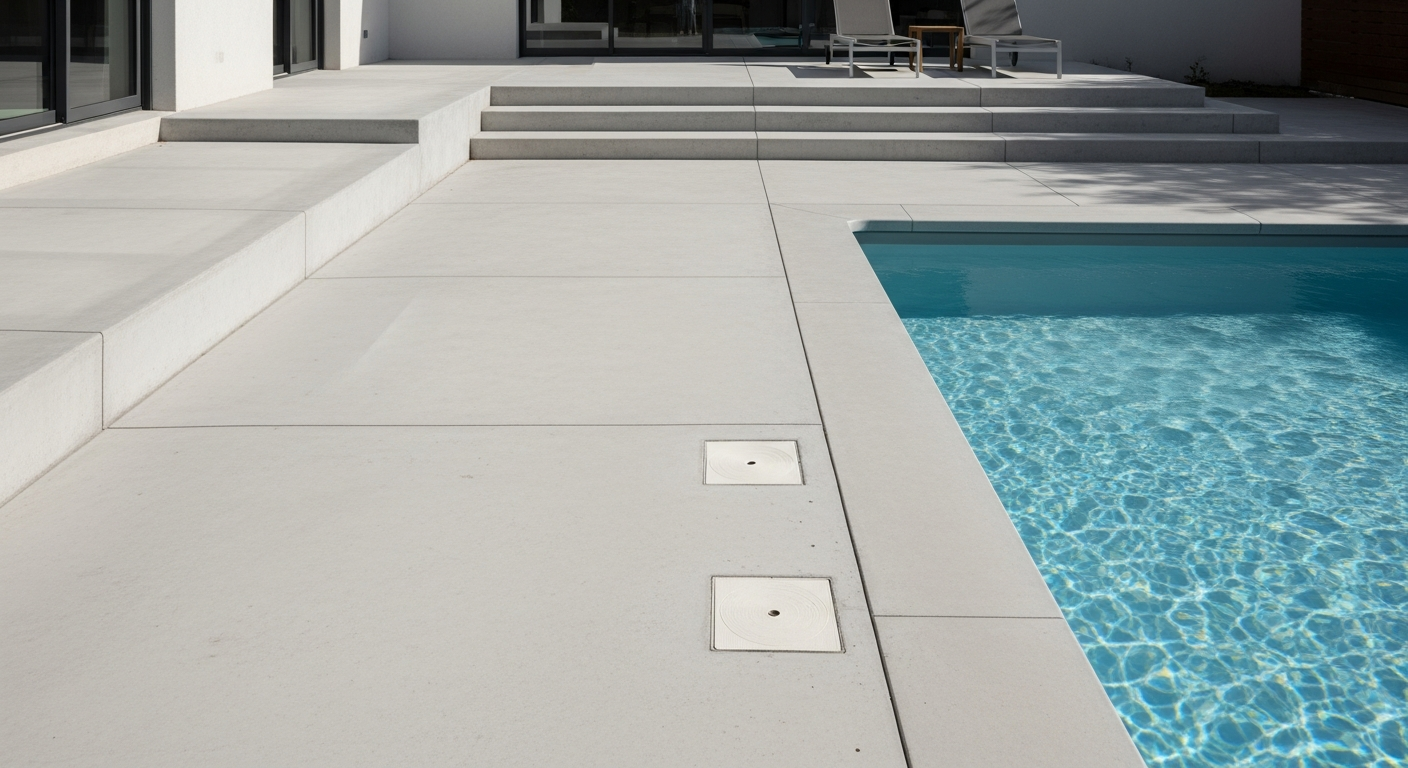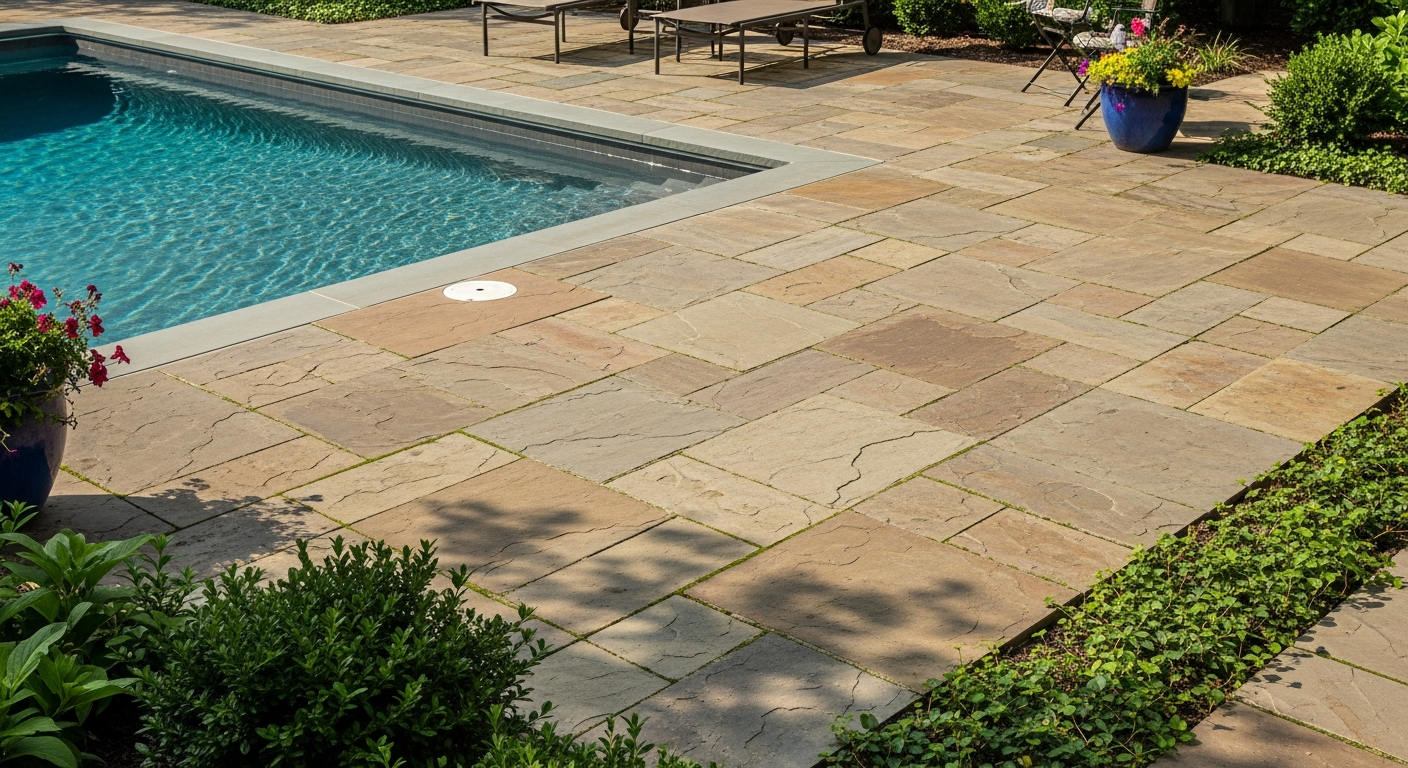
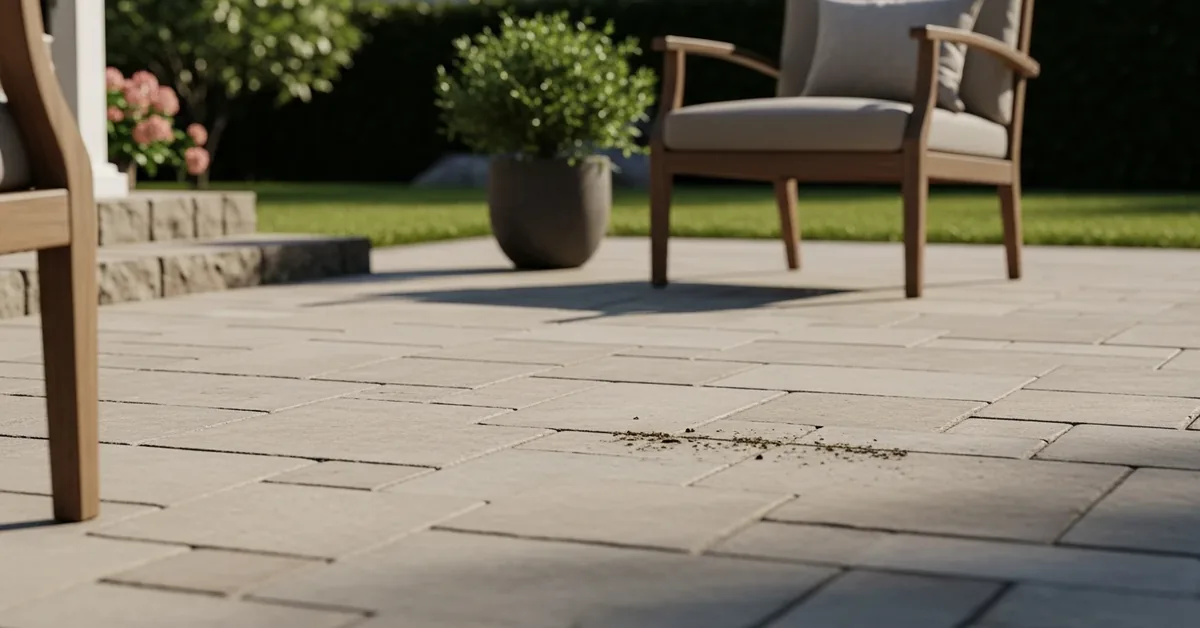
The Homeowner's Guide to a Lasting Paver Backyard in Sarasota
From my years installing hardscapes across Sarasota County, the biggest misconception I encounter is that all paver
From my years installing hardscapes across Sarasota County, the biggest misconception I encounter is that all paver installations are the same. In this climate, the project's success is determined not by the paver itself, but by the unseen work beneath it: the base preparation and drainage engineering. A patio in Lakewood Ranch requires a fundamentally different approach to its sub-base than one in a historic downtown lot because of soil composition and water runoff patterns. The most common failure I see is a base that isn't compacted for our sandy soil, leading to sinking pavers after the first rainy season.
- Sub-Base is Non-Negotiable: A minimum 4-6 inch compacted base of crushed concrete or limestone (DOT-approved road base) is essential to prevent shifting in our sandy soil. Dirt or sand alone will fail.
- Drainage Dictates Durability: Paver patios must be graded with a minimum 1/4 inch of slope per foot, directing water away from the home's foundation. Inadequate slope is the primary cause of pooling water and mildew growth.
- Sealing is for Protection, Not Just Looks: A high-quality, UV-resistant, non-slip sealant is critical to protect pavers from color fading under the intense Florida sun and to inhibit weed and mold growth in the joints.
- HOA Pre-Approval is Mandatory: Most planned communities in Sarasota require pre-approval of paver type, color, and pattern from an Architectural Review Board (ARB). Starting work without this can result in fines up to $1,000 and forced removal.
The Planning Failures That Haunt Sarasota Homeowners
The costliest mistakes happen before a single paver is laid. Homeowners often focus on the visible elements like paver color and pattern while overlooking the structural decisions that ensure longevity. The local environment here is unforgiving, and what works in other states will quickly fail in Sarasota's heat, humidity, and sandy soil.
Ignoring the Power of the Florida Sun and Rain
I was called to a project near Siesta Key where the homeowner chose a dark charcoal paver from a big-box store. Within 18 months, the color had faded to a washed-out gray. The critical error was choosing a standard concrete paver not manufactured with sufficient UV-inhibitors for our climate. Furthermore, the installer used standard polymeric sand, which washed out during the first heavy summer storm, allowing weeds to take root immediately. This turned their low-maintenance dream into a weekly chore.
How a Paver Project Unfolds in Sarasota County
A professional paver installation is a multi-stage process that balances design, engineering, and regulatory compliance. It's far more than just laying stones on sand. The process begins with a detailed site analysis to assess soil conditions, drainage paths, and any existing utility lines before a shovel ever hits the ground.
Key Steps and Local Compliance
- HOA and Permitting: The first step is submitting the design, paver samples, and site plan to your HOA's Architectural Review Board. This process in communities like The Meadows or University Park can take 30-45 days. Concurrently, we determine if the project's scope requires a permit from Sarasota County, typically for larger projects or those involving retaining walls over a certain height.
- Excavation and Base Preparation: We excavate 6-8 inches of the existing soil and grass. This is where our sandy soil is a liability. We then lay and compact a multi-layer base of crushed aggregate, ensuring each layer is mechanically tamped to achieve at least 95% compaction. This creates a stable foundation that resists sinking.
- Laying and Jointing: Pavers are set on a thin layer of bedding sand, and edge restraints are installed to prevent lateral shifting. Finally, joints are filled with high-quality polymeric sand that hardens to lock the pavers in place and prevent weed growth.
Comparing Pavers to Concrete Slabs and Wood Decks
Homeowners often weigh pavers against two other popular options: a poured concrete slab or a traditional wood deck. While each has its place, pavers offer a unique combination of durability, aesthetics, and repairability that is particularly well-suited for our Sarasota environment.
| Feature | Pavers | Poured Concrete Slab | Wood Deck |
|---|---|---|---|
| Durability in FL Climate | Excellent (if sealed); resists cracking from soil shifts | Poor to Fair; prone to cracking with soil movement; surface spalls | Poor; constant maintenance required to fight rot, mold, and termites |
| Repairability | Excellent; individual pavers can be replaced easily | Poor; cracks are difficult to repair aesthetically | Fair; individual boards can be replaced, but color matching is difficult |
| Initial Cost | High | Low to Medium | Medium to High |
| Long-Term Maintenance | Low (periodic cleaning and re-sealing every 3-5 years) | Low (but repairs are major); requires pressure washing | High (requires annual staining/sealing) |
When a Poured Concrete Slab is the Better Choice
Despite the benefits of pavers, there are situations where they are not the ideal solution. If your budget is extremely tight and you simply need a functional, hard surface for something like a utility area or a base for a shed, a basic poured concrete slab is more cost-effective. A simple 10x10 concrete pad might cost $1,000-$1,500, whereas a paver installation of the same size could easily be double that. For pure utility without aesthetic priority, concrete wins on price.
Safe Contractor Hiring Checklist for Your Paver Project
Hiring the right contractor is the single most important decision you will make. A beautiful paver can be ruined by a poor installation, and in Florida, cutting corners on the base work is a recipe for disaster. Verifying credentials is not just a suggestion; it's your protection against liability and shoddy work.
- Verify their license is active and in good standing with the Florida Department of Business and Professional Regulation (DBPR). A handyman cannot legally install a paver patio if the project value exceeds certain limits.
- Request proof of both General Liability and Workers' Compensation insurance. If an uninsured worker is injured on your property, you could be held financially responsible. This is a common corner cut by low-bid operators.
- Ask for a portfolio of at least three recent projects completed in Sarasota County. Drive by and look at them. Do you see sinking spots or wide gaps between pavers?
- Ensure the contract specifies the depth of the base, the type of aggregate used, and the brand of polymeric sand and sealant. Vague contracts leave you with no recourse.
- Confirm they will handle the HOA submission process. Experienced local contractors are familiar with the requirements of major communities and can streamline approval.
The Decisions That Truly Define a Successful Outcome
After overseeing hundreds of these projects, I've learned that success hinges on two key moments: choosing the right material for our environment and investing in the sub-surface preparation. Everything else is secondary. Homeowners who prioritize the long-term performance over short-term savings are always happier a few years down the road.
The Moment Most Homeowners Get It Wrong
The mistake happens in the material selection phase. A client will fall in love with a porous, light-colored travertine paver they saw in a magazine. The critical error is not accounting for our environment: porous stone is a magnet for mold and mildew in Sarasota's humidity, and light colors show stains from falling leaves and tannins. I always guide clients toward dense, high-quality concrete pavers from manufacturers like Belgard or Tremron, which are specifically engineered for the Florida climate and offer better resistance to staining and fading.
Practical Answers for Paver Projects in Sarasota
Navigating the local specifics of a paver installation can be frustrating. Understanding the rules and processes upfront saves time and avoids conflicts with neighbors, HOAs, and county inspectors.
What are the HOA rules for pavers in communities like Lakewood Ranch?
Most large, master-planned communities have strict guidelines. Typically, you must submit a detailed application including a site plan showing the patio's location and dimensions, a physical sample of the proposed paver, and its color. Many ARBs restrict color palettes to earth tones and may prohibit certain patterns, like overly complex circular kits, to maintain neighborhood uniformity. Failure to get prior approval can result in a stop-work order and daily fines.
Do I need a permit from Sarasota County for a paver patio?
Generally, a simple on-grade paver patio (one that is not elevated) does not require a permit in Sarasota County. However, a permit is typically required if the project includes a retaining wall over four feet in height, alters the property's drainage grade significantly, or is part of a larger construction project like a pool installation. It is always best to confirm with the Sarasota County Planning and Development Services department before starting work.
How does sandy soil impact the cost and process?
Our native sandy soil has poor load-bearing capacity and drains too quickly to provide a stable base on its own. This means we must excavate more of it and bring in more engineered base material (crushed limestone or concrete) than in areas with clay soil. This directly increases the backyard pavers cost through higher material and labor expenses for excavation and compaction. It's a non-negotiable step that budget installers often skimp on, leading to patio failure.