A Specialist's Summary on Pool Paver Selection for Sarasota Decks
From my years installing pool decks from The Meadows to Siesta Key, the single biggest differentiator for a
From my years installing pool decks from The Meadows to Siesta Key, the single biggest differentiator for a long-lasting paver project isn't the paver itself, but the unseen sub-base and edge restraint system. In Sarasota's sandy, shifting soil, a standard 4-inch compacted base is often insufficient; it's the bare minimum that often leads to settling and uneven surfaces within a few years. I've seen beautifully laid travertine fail because the contractor saved a few hundred dollars on base material and proper compaction, resulting in a deck that holds water and becomes a tripping hazard. The conversation must start with what's underneath.
- Soil Conditions: Sarasota County's predominantly sandy soil requires a robust, well-compacted aggregate base (typically an 811 blend or similar) of at least 6 inches for pool deck applications to prevent subsidence.
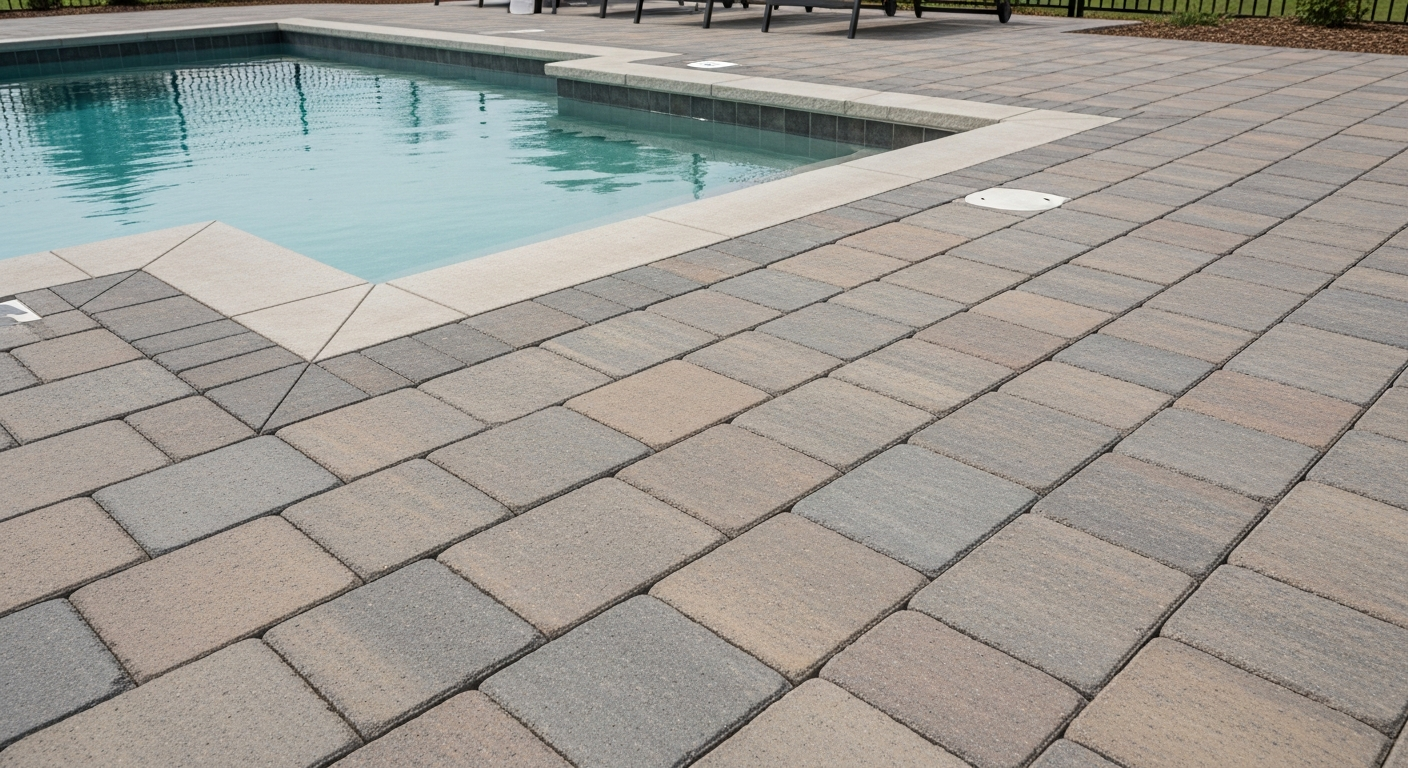
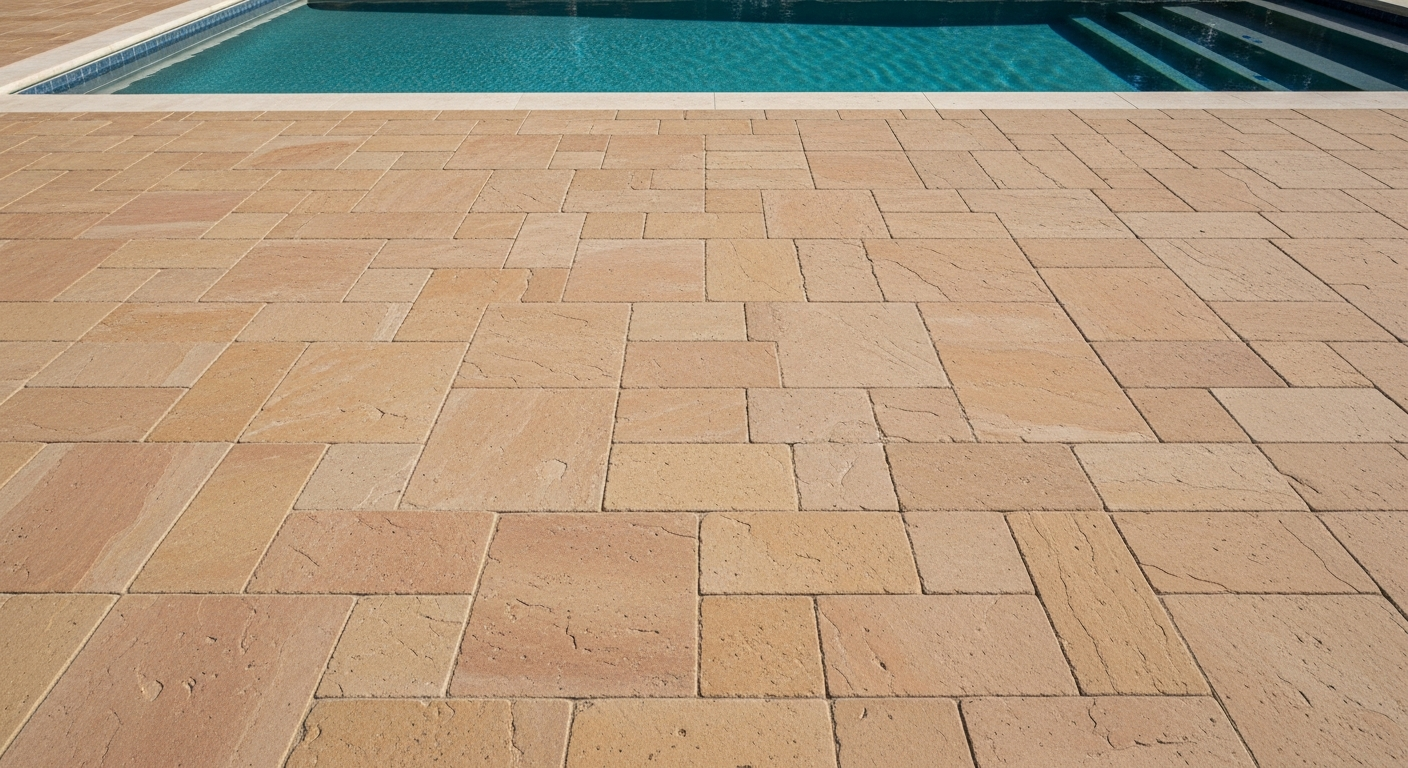
- Material Porosity: Materials like travertine and some light-colored shellstone pavers are cooler underfoot but require proper sealing to resist salt degradation and staining from tannins released by oak leaves.
- Joint Stabilization: Standard polymeric sand can fail prematurely in our high-humidity environment. I specify high-performance, water-activated polymeric sand designed for wet climates to prevent washout and weed growth.
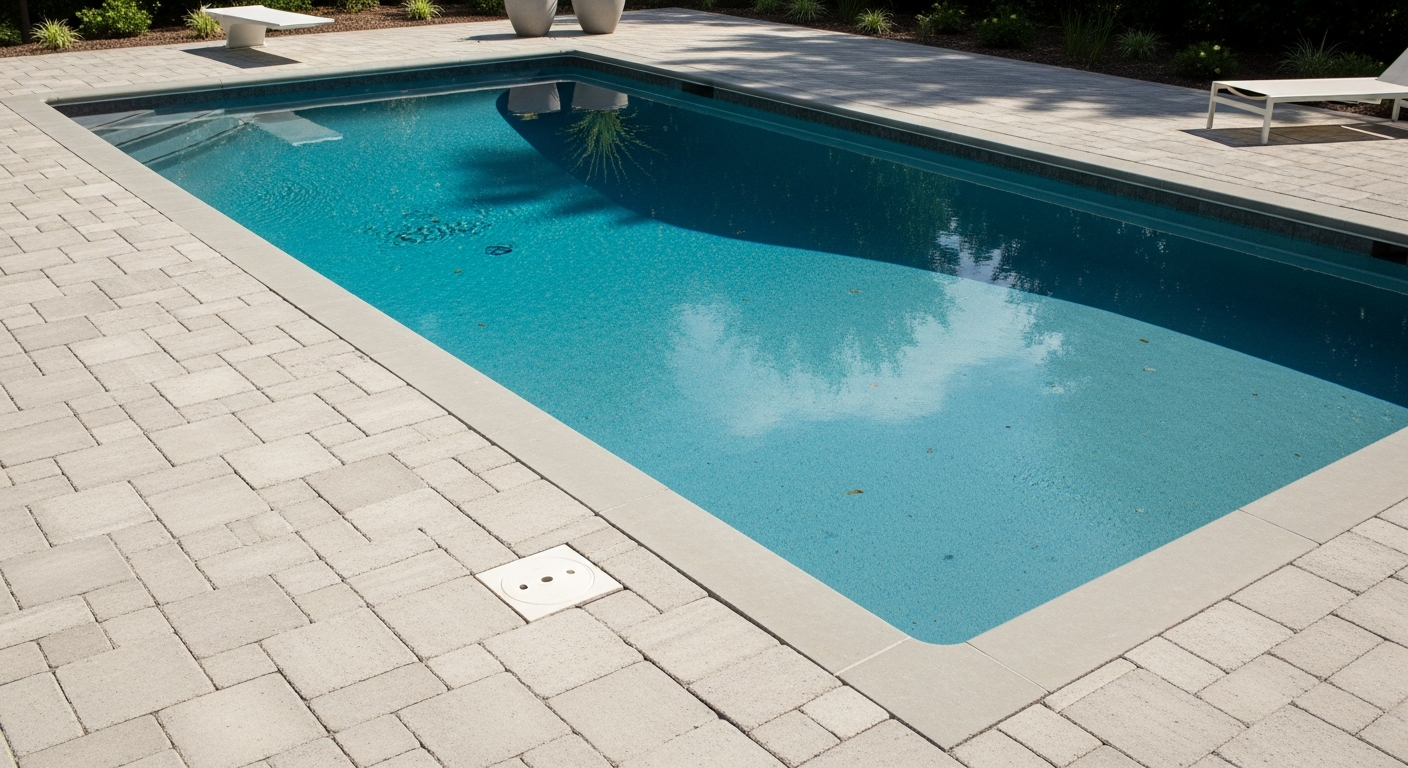
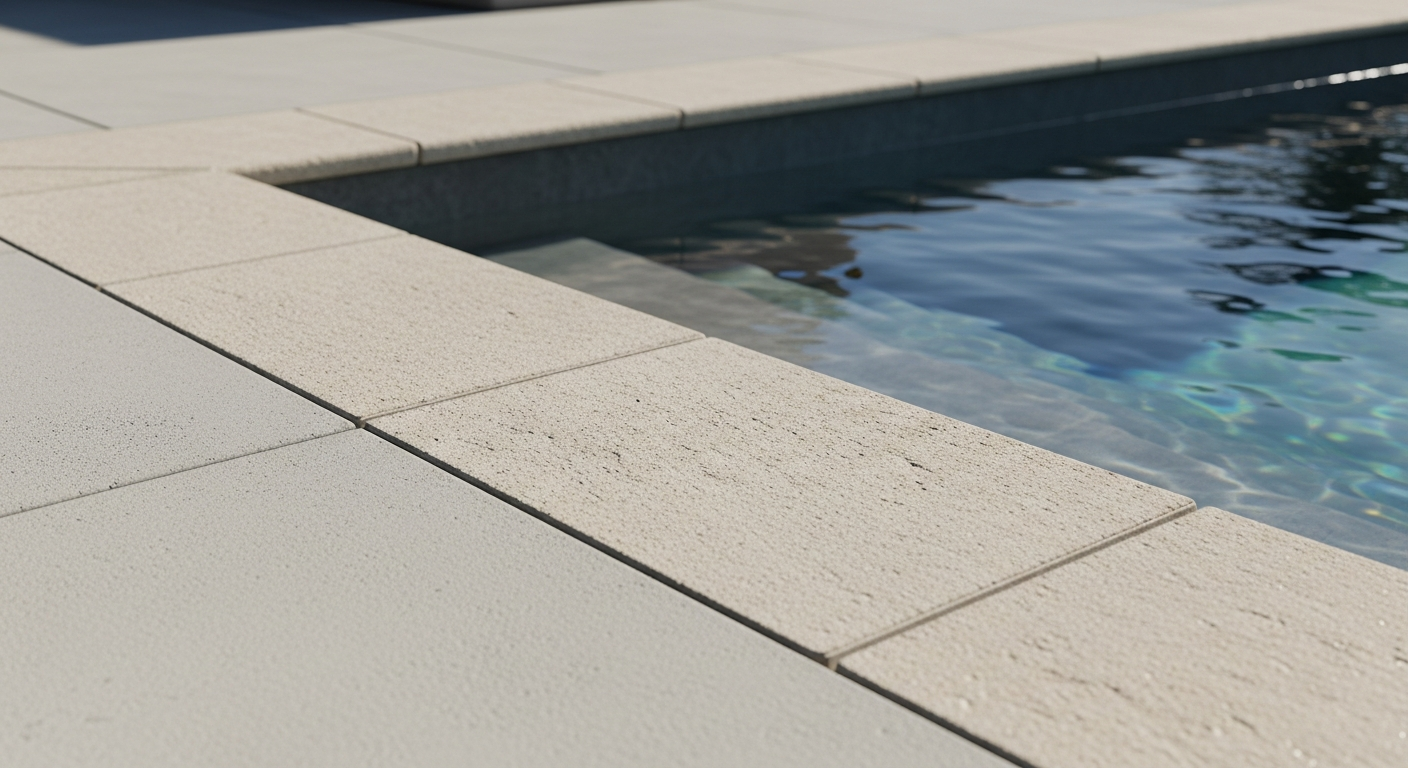
- Coping and Drainage: The pool coping pavers must be set perfectly level with a slight outward pitch. Any error here directs rainwater and pool splash-out back towards the foundation or allows it to undermine the paver base.
The Planning Failures That Compromise Paver Decks
The most common missteps happen long before the first paver is laid. Homeowners understandably focus on color, texture, and price per square foot. However, the technical specifications for our local environment get overlooked, leading to preventable and expensive repairs down the line. Ignoring the unique challenges of our coastal climate is the root cause of most premature paver failures.
The Most Expensive Oversight: Underestimating Drainage
The costliest mistake I see is a failure to adequately plan for water management. A Sarasota downpour can drop inches of rain in under an hour. If the paver deck isn't graded correctly with a minimum 1/4-inch per foot slope away from the pool and home, and if channel drains aren't installed where needed (especially on large decks or against the house), that water has nowhere to go. The result is hydrostatic pressure that lifts pavers, erodes the jointing sand, and saturates the sub-base. I was called to a project in Palmer Ranch where a beautiful, newly installed 1,200 sq. ft. travertine deck had to be completely pulled up and re-laid because water was pooling against the home's sliding glass doors, a direct result of improper grading. The fix cost nearly 40% of the original installation price.
The Installation Process for a Sarasota Pool Deck
A professional paver installation around a pool is a multi-stage process heavily dependent on precision. It begins with a thorough site evaluation, marking out all underground utilities and irrigation lines. The success of the entire project hinges on the excavation and base preparation, which is where shortcuts are most often taken and where they cause the most damage.
Key Selection Criteria for Sarasota Homeowners
When you're vetting installers, you need to ask questions that go beyond their portfolio. The answers will reveal their understanding of our specific local conditions.
- Base Preparation Method: Do they specify a 6-inch compacted aggregate base as standard for pool decks in this area? Ask what type of aggregate they use and what compaction equipment they have on-site.
- HOA Submission Experience: Can they provide examples of project plans they've successfully submitted to prominent local HOAs like those in Lakewood Ranch or The Landings? This shows they understand the architectural review process.
- Sealer and Joint Sand Specification: What specific brand and type of sealer and polymeric sand do they recommend for a saltwater pool environment versus a chlorine pool? The chemical resistance is different.
- Proof of Licensing and Insurance: Verify their license with the Florida Department of Business and Professional Regulation (DBPR) and ask for a Certificate of Insurance that explicitly lists liability and worker's compensation.
Comparing Pavers to Other Pool Deck Surfaces
Pavers are an excellent choice, but they aren't the only option. Homeowners often consider poured concrete or acrylic "cool deck" coatings. Understanding the trade-offs in the context of our climate is crucial for making an informed decision that aligns with your budget and maintenance tolerance.
| Feature | Pavers (Travertine/Concrete) | Stamped Concrete | Acrylic Lace Coating (Cool Deck) |
|---|---|---|---|
| Upfront Cost | High | Medium | Low-Medium |
| Durability & Repairability | Excellent; individual pavers can be replaced. | Poor; cracks are common and difficult to patch seamlessly. | Fair; requires re-coating every 5-7 years to prevent chipping. |
| Heat Resistance | Good to Excellent (light-colored travertine is best). | Poor; dark colors can become extremely hot. | Excellent; designed to stay cooler. |
| Saltwater Tolerance | Good with proper sealing. | Fair; vulnerable to spalling if not sealed religiously. | Good, but sealant integrity is critical. |
When Pavers Are Not the Right Choice
Despite their benefits, pavers are not always the best fit. If your property has significant issues with large, invasive tree roots (like from a mature oak tree) directly adjacent to the pool, the constant ground movement can make maintaining a level paver surface a frustrating, ongoing battle. In such cases, a reinforced concrete deck, which can better bridge over minor root disruptions, might be a more practical, lower-maintenance solution, even if it lacks the repairability of pavers.
A Safe Hiring Checklist for Your Paver Project
Vetting a contractor in Florida's busy market requires diligence. A glossy portfolio doesn't guarantee technical competence. Use this checklist to protect your investment and ensure the job is done to standards that will withstand our environment.
- Verify the Florida Contractor's License: Use the DBPR portal to confirm their license is active and that they hold the correct classification for the work. A landscaping company may not be properly licensed for structural paver installations.
- Request a Detailed Scope of Work: The contract should explicitly state the depth of the base, the type of aggregate, the edge restraint material (e.g., concrete bond beam), and the specific products for jointing sand and sealer.
- Check Sarasota County Permit Records: For larger projects, or those involving significant grade changes or retaining walls, a permit may be required. You can search the county's public records to see if a contractor has a history of pulling permits and passing inspections.
- Ask About Their Rain Policy: A professional crew will not lay pavers or apply polymeric sand on a wet base or when rain is imminent. Ask how they manage Sarasota's frequent afternoon thunderstorms to protect the integrity of the installation.
- Insist on a Lien Waiver: Upon final payment, require a signed release of lien from the contractor. This protects you from claims by their material suppliers or subcontractors.
- Confirm HOA Approval Process: Before signing, clarify who is responsible for preparing and submitting the application to your Homeowners Association's Architectural Review Committee (ARC).
Decisions That Determine the Final Outcome
Two clients can hire the same reputable contractor and end up with vastly different long-term results. The difference often comes down to a few key decisions made by the homeowner at the outset of the project. Your involvement in these choices dictates the longevity and performance of your pool deck.
The Moment Most Homeowners Get It Wrong
The critical error often occurs during the material selection phase. A homeowner falls in love with a porous, unsealed natural stone paver at a showroom, dazzled by its beauty. The mistake is approving the material without first committing to the long-term sealing and maintenance regimen it requires in our salt-air environment. I've seen expensive shellstone pavers, beautiful on day one, become permanently stained and pitted within three years because the homeowner wasn't prepared for the biannual professional cleaning and sealing required to protect them from saltwater and organic debris. The right decision is to choose the material whose maintenance needs you are actually willing and able to meet.
Practical Answers for Paver Projects in Sarasota
Navigating the local regulations and practicalities is just as important as the physical installation. Understanding these Sarasota-specific factors will prevent delays and ensure your project is compliant from the start.
Do I Need a Permit for Pool Pavers in Sarasota County?
Generally, simply replacing an existing deck with pavers of a similar footprint and elevation does not require a permit. However, if the project involves new construction, expanding the deck's square footage significantly, altering drainage patterns, or adding features like retaining walls over a certain height, a permit from the Sarasota County Building Department is absolutely necessary. A typical residential paver permit fee can range from $150 to $400, depending on the project's valuation.
Navigating HOA Architectural Review for Paver Installations
In communities like University Park or Prestancia, the HOA's Architectural Review Committee (ARC) has strict guidelines on paver color, material, and even the pattern. Most require a detailed submission package including a site plan, material samples, and the contractor's license information. The approval process can take 30 days or more, so this must be the first step after selecting your contractor, well before any materials are ordered or work is scheduled.
How Florida's Lien Law Affects Your Paver Project
Florida has specific construction lien laws to protect contractors and suppliers. If your contractor doesn't pay their paver supplier, that supplier can place a lien on your property. To protect yourself, you should get a list of all subcontractors and suppliers from your primary contractor. Before making the final payment, obtain a signed "Final Release of Lien" from the main contractor and, for large projects, from major material suppliers. This is your proof that everyone has been paid.