Executive Summary: Terracotta in a Coastal Climate
From my years installing hardscapes across Sarasota County, the conversation around terracotta pavers is always one of
From my years installing hardscapes across Sarasota County, the conversation around terracotta pavers is always one of managing expectations. Homeowners are drawn to the timeless, Mediterranean aesthetic, but they are often unprepared for how our specific coastal climate—high humidity, salt air, and intense sun—interacts with this material. The single biggest mistake is assuming all “terracotta” is the same; the performance difference between authentic kiln-fired clay and modern, color-through concrete pavers designed to look like terracotta is immense. True success with this material in our area is less about the paver itself and more about the system it's installed within.
- Material Choice is Paramount: Authentic clay terracotta is highly porous and requires specialized, frequent sealing to resist moisture and salt intrusion. Terracotta-colored concrete pavers offer superior durability and lower maintenance in the Sarasota climate.
- Installation Overrides Material: A poorly prepared base with inadequate drainage will cause failure, regardless of paver quality. This is non-negotiable in a region with our rainfall levels.
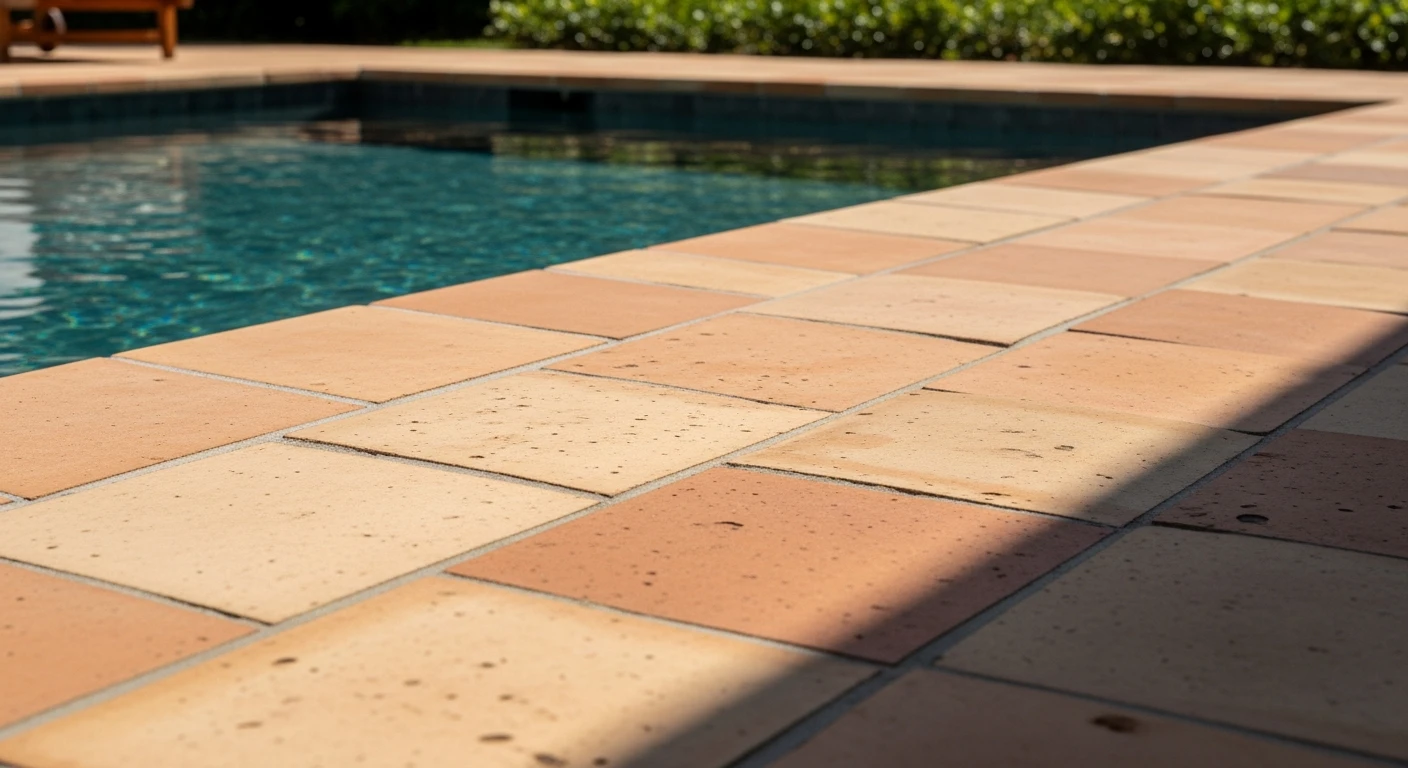
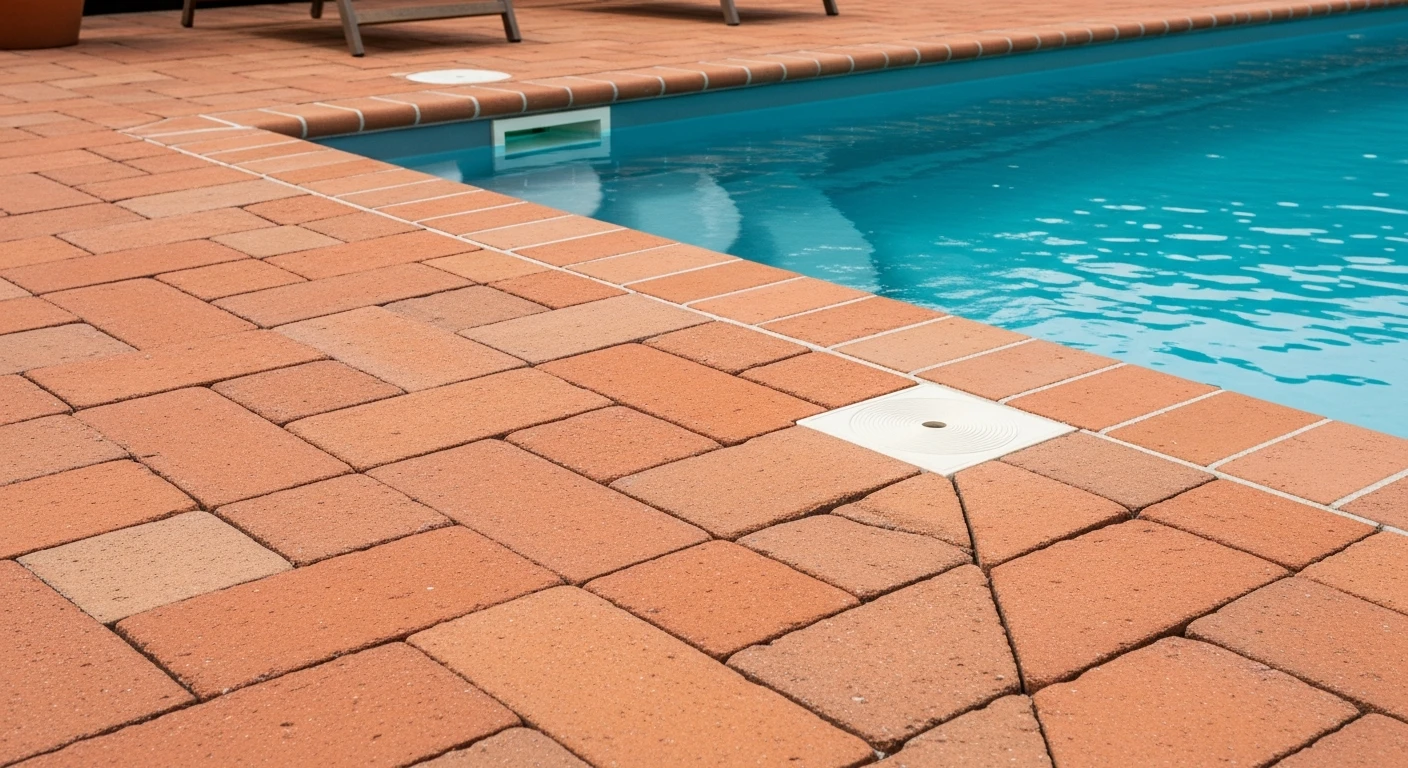
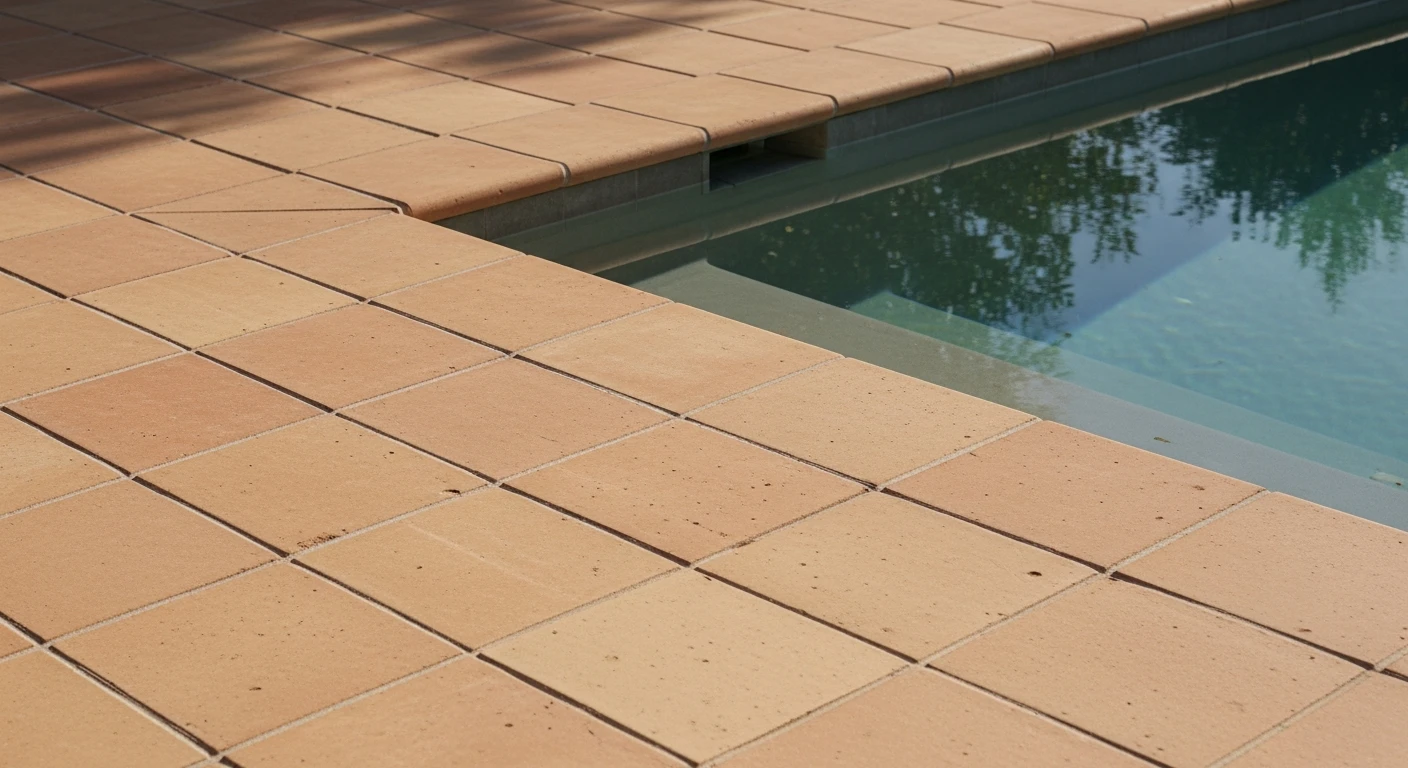
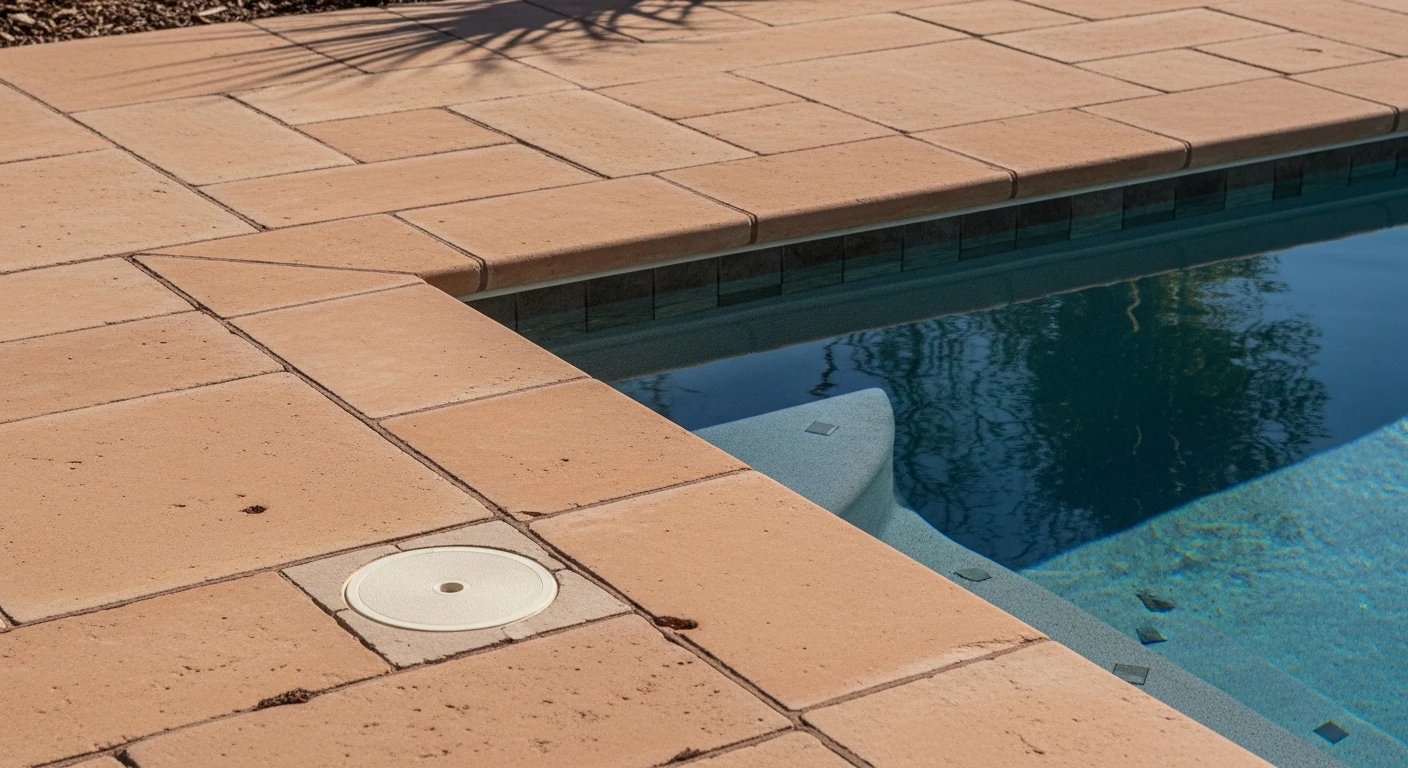
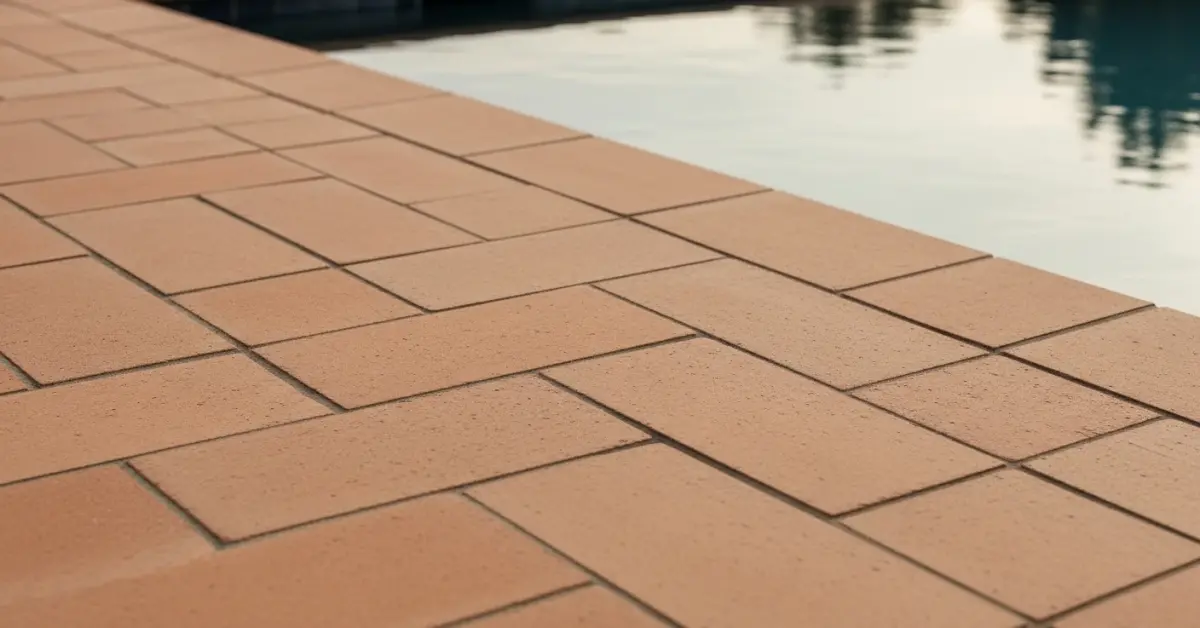
- Saltwater Pool Compatibility: For homes with saltwater pools, selecting the right pool coping is critical. True terracotta coping must be sealed with a salt-resistant, penetrating sealer, reapplied more frequently than on standard patios.
- Cost Misconception: While terracotta-style concrete pavers may have a similar upfront cost to some natural stones, the long-term maintenance cost of authentic clay terracotta in Sarasota can easily double the total cost of ownership over a decade.
The Planning Failures That Lead to Disappointment
The most common failure I see with terracotta installations isn't a cracked paver; it's a slow, progressive degradation that begins the moment the job is finished. Homeowners fall in love with a sample in an air-conditioned showroom and don't account for the reality of a Sarasota summer. The primary mistake is underestimating the role of moisture and UV radiation.
Efflorescence—that chalky white residue—is a constant battle here. It’s caused by water drawing mineral salts to the surface as it evaporates. On a porous material like unsealed or poorly sealed clay terracotta, our humidity and heavy rains create a perfect storm for this. The result is a patio that looks perpetually hazy and dirty, requiring constant, often harsh, cleaning that further degrades the material.
The Most Expensive Oversight: Ignoring the Sealer Specification
I was called to a project in a beautiful bayfront home near Siesta Key a few years back. The homeowner had imported authentic terracotta tiles from Mexico for their pool deck. Six months after installation, the pavers were flaking and spalling, especially the terracotta pool coping. The original installer used a standard acrylic topical sealer, the kind you might use on a concrete driveway. In our high-UV environment, that sealer yellowed and peeled within a single season, trapping moisture underneath and accelerating the material’s decay from the salt air. The repair required stripping the entire deck and resealing with a premium, breathable, penetrating silane/siloxane sealer, a cost that was nearly 40% of the original installation price.
The Installation Process for Sarasota's Environment
Installing terracotta pavers correctly in Sarasota is a defensive strategy against water and salt. The process begins long before the first paver is laid. It starts with an aggressive sub-base preparation designed for our sandy soil and high water table. A standard 4-inch compacted base that works inland is often insufficient here, especially in lower-lying areas.
We typically excavate deeper and use a geotextile fabric to separate the native soil from the base material, preventing sinking and shifting over time. The base itself is meticulously graded with a pronounced slope—at least a 1/4 inch per foot—to ensure water runs off immediately and never pools. For authentic clay pavers, we often recommend installing over a concrete slab with a drainage membrane, a more expensive but far more stable method for this climate.
Paver Selection Criteria for a Sarasota Home
- Assess Your Tolerance for Maintenance: If you want the terracotta look without a bi-annual sealing schedule, choose a high-density, color-through concrete paver from a reputable manufacturer. This is the most practical choice for the vast majority of Sarasota homeowners.
- Verify Saltwater Compatibility: If you have a saltwater pool, your paver and coping choice must be explicitly rated for it. Ask for written specification sheets from the manufacturer confirming its resistance to salt degradation.
- Consider Heat Retention: Lighter shades of terracotta-colored concrete pavers will be significantly cooler underfoot than dark, dense, authentic clay tiles—a major quality-of-life factor from May through October.
- HOA Architectural Review: In communities like Palmer Ranch or Lakewood Ranch, your choice is not just yours. Submit samples of the exact paver and sealer finish to your HOA architectural review board early in the process. A rejection after materials are ordered is a costly delay.
Comparing Terracotta Options to Alternatives
While the terracotta aesthetic is singular, its practical performance must be weighed against other popular hardscape materials in the Sarasota market. The choice often comes down to a trade-off between authentic appearance, durability, and long-term maintenance costs.
| Feature | Authentic Clay Terracotta | Terracotta-Style Concrete Pavers | Travertine Pavers |
|---|---|---|---|
| Upfront Cost (Material + Install) | Moderate to High | Moderate | High |
| Maintenance in Sarasota Climate | Very High (Requires frequent, specialized sealing) | Low (Sealing is optional/less frequent) | Low to Moderate (Requires sealing) |
| Saltwater Pool Compatibility | Poor to Fair (Highly dependent on sealer) | Excellent | Very Good |
| Heat Retention (Barefoot Test) | High (Can get very hot) | Moderate (Color dependent) | Low (Stays coolest) |
When Authentic Terracotta Is a Mistake
I actively advise against using authentic, unglazed terracotta brick pavers for large, fully-exposed pool decks in Sarasota, especially for clients who are seasonal residents or who prefer a low-maintenance lifestyle. The constant cycle of sun and rain, combined with airborne salt, creates a maintenance burden that few are prepared for. If the sealing schedule is missed even once, the pavers can become permanently stained or begin to deteriorate. In these cases, the aesthetic benefit is completely overshadowed by the practical reality and cost of upkeep.
A Safe Hiring Checklist for Your Paver Project
Finding a qualified installer is more important than finding the perfect paver. A great paver installed poorly will fail. A good paver installed expertly will last for decades. Here is what to verify before signing any contract in Sarasota.
- Verify Florida Contractor's License: Any structural hardscaping work requires a licensed contractor. Verify their license is active and free of complaints on the Florida Department of Business and Professional Regulation (DBPR) portal.
- Request Proof of Insurance: Ask for a Certificate of Insurance showing both General Liability and Workers' Compensation. Do not accept an exemption for workers' comp unless they are a true sole proprietor with no employees on site.
- Inspect a Local, Completed Project: Ask to see a job they completed in the Sarasota area at least two years ago. This allows you to see how their work holds up to our climate over time, not just how it looks on day one.
- Scrutinize the Base Prep in the Contract: The proposal must specify the depth of the base material, the type of material (e.g., crushed concrete), and the compaction method. A vague description like “prepare base” is a red flag.
- Confirm Permit Responsibility: For any project over 100 sq. ft. of non-permeable surface in many parts of Sarasota County, a permit may be required to address stormwater runoff. Confirm in writing who is responsible for pulling and closing out the permit.
The Decisions That Define a Successful Outcome
Over the years, I've seen that the most successful terracotta projects are born from decisions made long before a shovel hits the ground. It’s about aligning the material's properties with the homeowner's lifestyle and our local environment. The best outcomes are not accidental.
The first critical decision is to honestly assess your commitment to maintenance. If you see your home as a sanctuary for relaxation, not a subject for constant upkeep, then the romantic idea of authentic clay should be replaced by the practical elegance of a modern terracotta-colored concrete paver. This single choice has more impact on long-term satisfaction than any other.
The Moment Most Homeowners Get It Wrong
The critical error happens during the material selection phase, when a homeowner compares two paver samples side-by-side based on color and texture alone. They treat them as equals, but one is a high-maintenance natural material and the other is a piece of modern material science. The right approach is to start with the performance requirements: “I need a paver for a saltwater pool deck in Sarasota that won't get scorching hot and that I only have to worry about once every few years.” By defining the function first, you arrive at the correct material, which may be a high-quality concrete paver that gives you the desired terracotta aesthetic without the inherent vulnerabilities of clay in this specific application.
Practical Answers for Installing in Sarasota
Navigating Sarasota County Permit Requirements
Any new, non-permeable flatwork (like a paver patio installed over a concrete base) that exceeds a certain square footage often requires a permit from Sarasota County Planning and Development Services. The primary concern is stormwater management. The permit process involves submitting a site plan showing the location of the new hardscape, its size, and how water runoff will be managed to avoid impacting neighboring properties. The typical review period can range from 2 to 4 weeks, so this must be factored into your project timeline.
Meeting HOA Standards in Sarasota Communities
Homeowner Associations in communities from The Founders Club to Venice's Grand Palm have strict architectural guidelines for hardscaping. Before purchasing materials, you must submit an application to your HOA's Architectural Review Committee (ARC). This usually requires a site plan, photos of your home, and a physical sample of the proposed terracotta paver and coping. Approval is not guaranteed; they review for color, style, and consistency with the community's overall aesthetic. Starting work without ARC approval can result in fines and a stop-work order.
Why Florida's Lien Law Matters to You
Under Florida law, subcontractors and material suppliers who are not paid by your primary contractor can place a lien on your property. To protect yourself, always ask your contractor for a “Release of Lien” from all major suppliers and subcontractors before you make your final payment. This is your proof that everyone involved in the project has been paid. A reputable contractor will provide this documentation without issue as part of their standard closeout process.