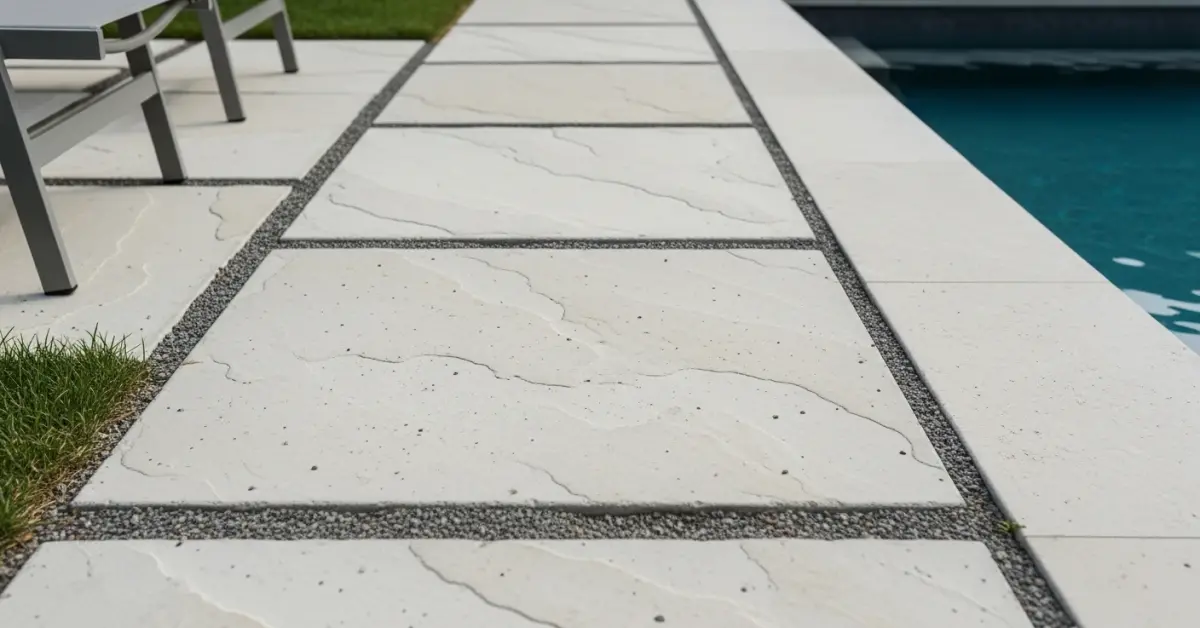
Executive Summary: The Sarasota Approach to Paver Walkways
From my years installing and repairing walkways from Southside Village to Palmer Ranch, I've learned that a successful
From my years installing and repairing walkways from Southside Village to Palmer Ranch, I've learned that a successful project in Sarasota hinges on fighting three local enemies: water, sand, and sun. A paver walkway here isn't just about aesthetics; it's an engineering challenge against a high water table and unstable soil. The most common failure I see is a compromised base, where contractors cut corners on excavation depth and compaction, leading to sinking and shifting pavers within the first rainy season. The critical difference is treating the base as a permanent foundation, not just a leveling layer.
- Soil and Base: Standard 4-inch bases often fail. Sarasota's sandy soil requires a minimum 6- to 8-inch compacted limerock (FDOT-approved) or crushed concrete base over a high-quality geotextile fabric to ensure stability.
- Drainage: Proper grading is non-negotiable. Walkways must be sloped at a minimum of 1/4 inch per foot away from the home's foundation to manage our torrential downpours and prevent water intrusion.
- Material Selection: Not all pavers are equal. Look for high-density concrete pavers with low water absorption rates (under 5%) to resist mold, mildew, and efflorescence caused by our humidity and salt air.
- Jointing Compound: Standard sand washes out. High-quality polymeric sand is essential to lock pavers in place, prevent weed growth, and resist erosion from heavy rain.
The Planning Failures That Guarantee a Failing Walkway
The most significant mistakes happen long before the first paver is laid. Homeowners and inexperienced installers focus on the color and pattern of the pavers, completely overlooking the foundational work that determines the project's lifespan. The ground here is not forgiving; it's a constant battle against subsidence.
The Most Expensive Failure: Underestimating Our Soil and Water
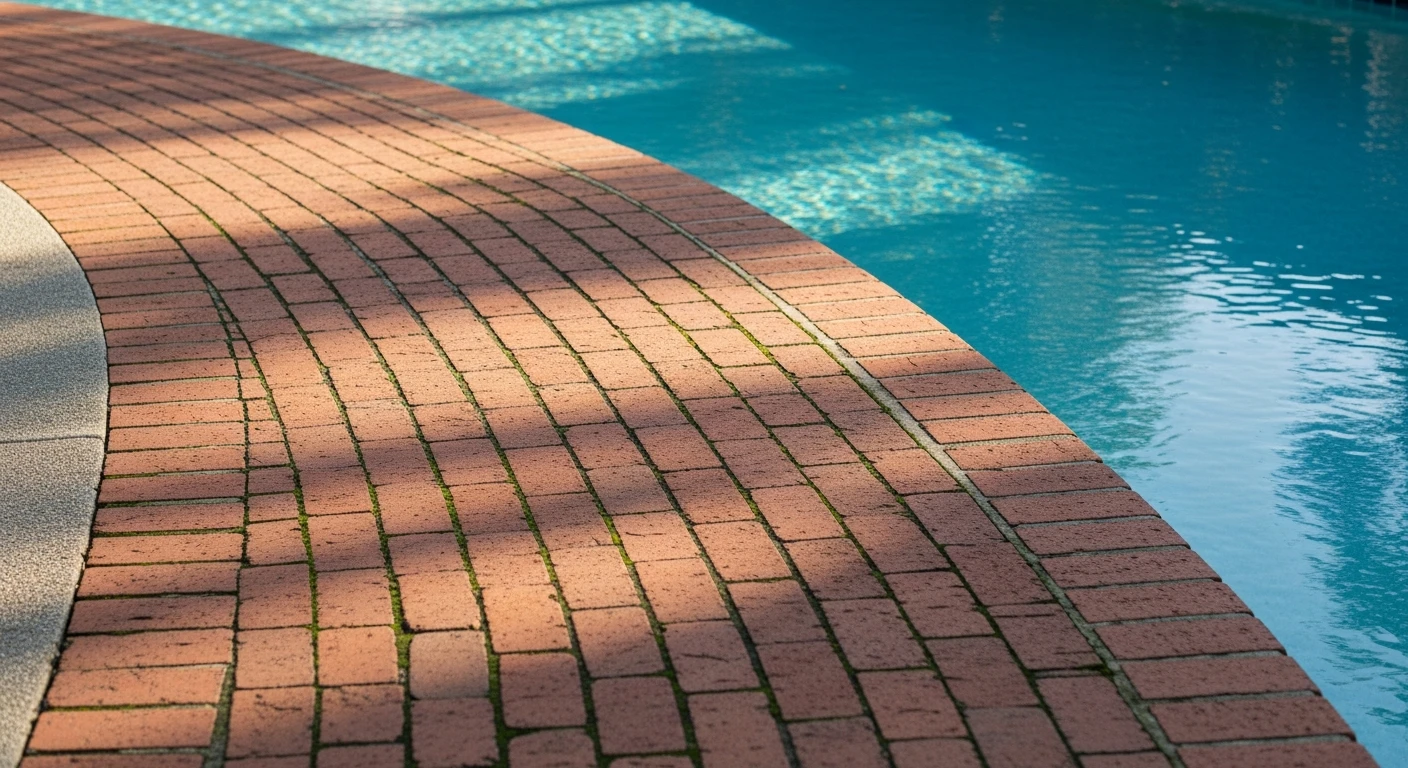
I was called to a property in an otherwise immaculate neighborhood near Siesta Key to diagnose a brick walkway that had become a hazardous, uneven mess just 18 months after installation. The homeowner had chosen a low-bid contractor who used a mere 3 inches of compacted sand as a base. After one summer of heavy rains, the sandy subsoil had washed out from underneath, causing entire sections to collapse. Fixing the brick walkway required a full tear-out and rebuild, costing nearly double the original installation price. The real failure wasn't the materials; it was ignoring the absolute necessity of a deep, geotextile-reinforced aggregate base to stabilize Sarasota's sandy ground.
The Installation Process in Practice for Sarasota County
A professional paver walkway installation is a systematic process that prioritizes what's underneath. It starts with a thorough site evaluation, including drainage assessment and utility line location (by calling 811). The crew then excavates the area to a depth of 8-10 inches, far deeper than what's standard in regions with stable, clay-based soil. This depth accommodates the robust base structure required here.
After excavation, a non-woven geotextile fabric is laid down to separate the native sand from the base material. This prevents the base from sinking into the subsoil over time. Then, the aggregate base is installed in 2-3 inch lifts, with each layer being compacted with a heavy-duty plate compactor. Only after the base is perfectly graded and compacted is a thin 1-inch layer of bedding sand applied. Finally, the pavers are laid, edge restraints are installed, and the joints are filled with polymeric sand, which is then activated with a light mist of water.
Selection Criteria for Sarasota Homeowners
- HOA Compliance: Before getting quotes, get your HOA's architectural guidelines. Communities like Lakewood Ranch have strict rules on paver color, style, and finish that can dictate your choices.
- Drainage Plan: Ask contractors to explicitly detail their drainage strategy. Where will the water run off? Will they install channel drains if needed? A vague answer is a major red flag.
- Base Material Guarantee: Ensure the contract specifies the type (e.g., #57 stone, limerock) and compacted depth of the base material. This is the single most important technical detail.
- Portfolio of Local Work: Ask to see projects that are at least 3-5 years old. A brand-new installation always looks good; you want to see how their work holds up to our climate over time.
Comparing Paver Walkways to Other Options
Pavers are a premium choice, but it's important to understand how they stack up against common alternatives in our specific market. The initial cost is higher, but the long-term value and repairability often make them a smarter investment.
| Feature | Interlocking Pavers | Poured Concrete | Gravel/Shell |
|---|---|---|---|
| Upfront Cost | High | Moderate | Low |
| Durability & Repair | Excellent (individual units replaceable) | Poor (cracks are common and hard to patch) | Poor (requires constant replenishment) |
| Heat Retention | Varies by color; lighter colors are cooler | High (retains and radiates heat) | Moderate |
| Weed & Mold Resistance | Good with polymeric sand and proper sealing | Excellent (initially), but mold grows on surface | Very Poor (constant weed maintenance) |
When Pavers Are Not the Right Choice
There are situations where I advise against pavers. If a property has significant, unresolved drainage issues or is located in a low-lying area prone to frequent standing water, the constant hydrostatic pressure can compromise even the best-built base over time. In these cases, a raised wooden boardwalk or a more permeable solution might be a more practical, albeit aesthetically different, choice until the larger water management problems are addressed.
Safe Hiring Checklist for Your Paver Project
Vetting a contractor in Florida is crucial. The market is full of transient or unqualified crews who can leave you with a failing project and no recourse. A true professional will welcome these questions.
- Verify License and Insurance: Check their license on the Florida Department of Business and Professional Regulation (DBPR) website. Ask for a Certificate of Insurance showing both General Liability and Workers' Compensation.
- Ask for ICPI Certification: While not legally required, certification from the Interlocking Concrete Pavement Institute shows a commitment to industry best practices.
- Review the Contract for Specifics: The contract should detail base depth, material types, brand of pavers, and type of jointing sand. Vague terms like "standard base" are unacceptable.
- Inquire About Permitting: While most simple walkways don't require a permit, larger projects or those affecting drainage might. A professional will know the Sarasota County requirements and handle the process. A typical permit review can take 2-4 weeks.
- Check Their Warranty: A reputable installer will offer a warranty on their workmanship, typically for 2-5 years. This should cover issues like sinking or shifting, separate from the manufacturer's warranty on the pavers themselves.
Decisions That Determine the Outcome
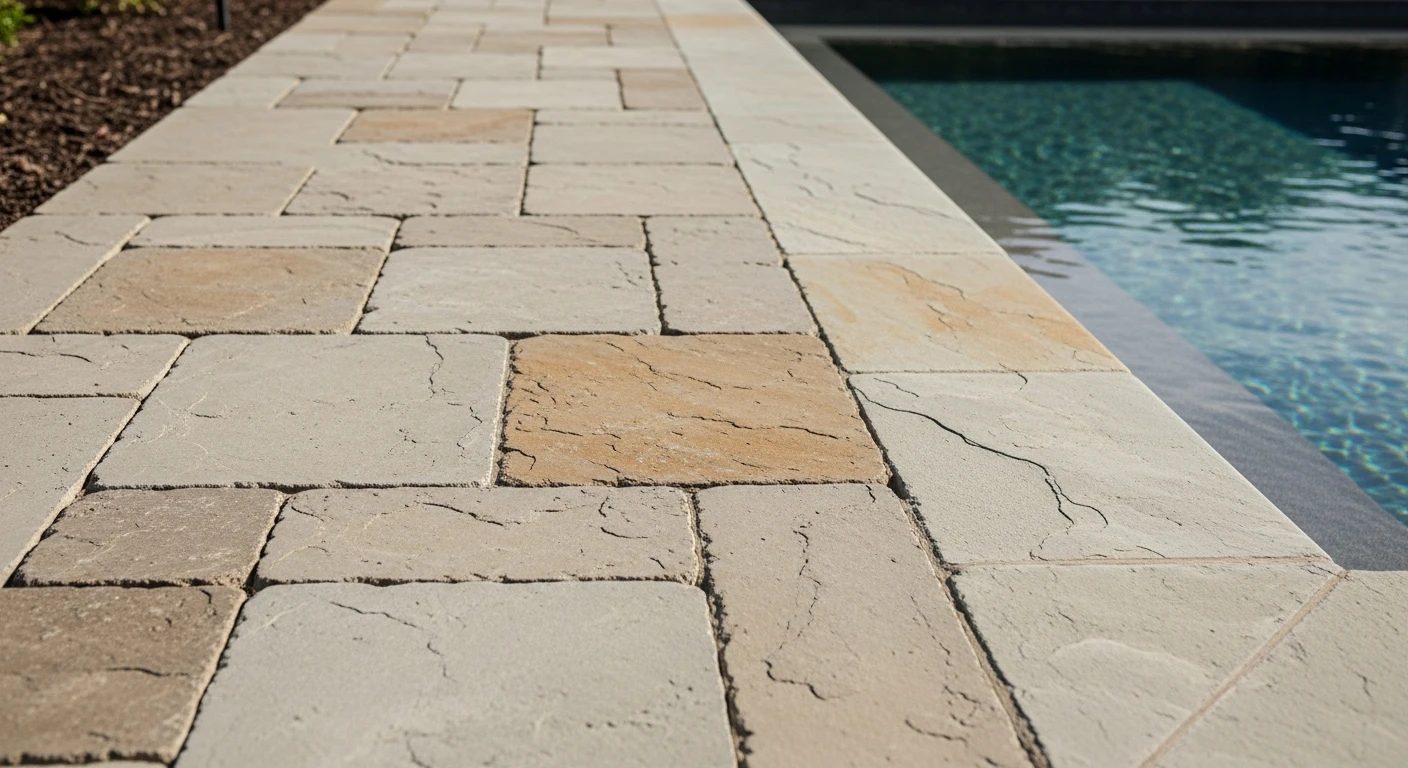
The success of your walkway comes down to two key decisions: choosing a contractor who builds for our environment and resisting the temptation to sacrifice the base to afford more expensive pavers. I have seen clients fall in love with a premium travertine paver but then have to shrink the budget for the foundation to make it work. This is a recipe for disaster.
A properly installed walkway using mid-range concrete pavers will outperform and outlast a high-end natural stone walkway laid on a subpar base every single time. Your priority investment should always be in the unseen—the excavation, the geotextile fabric, and the deeply compacted base.
The Exact Moment Most Homeowners Get It Wrong
The critical error happens during the quote comparison phase. Homeowners naturally gravitate toward the visual elements and the final price, creating a spreadsheet comparing costs. They fail to see that a quote for a 4-inch base and a quote for an 8-inch base are for two completely different products, even if the paver on top is identical. The correct approach is to define your required base specification first (e.g., 6-inch compacted aggregate over geotextile fabric) and then have contractors bid on that exact same scope of work. This forces an apples-to-apples comparison and shifts the focus from price to the contractor's quality and experience.
Practical Answers for Operating in Sarasota
Understanding Sarasota County's Stance on Walkway Permits
For a standard landscape walkway on a residential property, Sarasota County generally does not require a building permit. However, the project enters a gray area if it alters the property's grade and drainage patterns, especially if it directs water toward a neighbor's property or a public right-of-way. Any walkway that is part of a larger project, like a new pool deck or driveway, will be included under that primary permit. Always confirm with the permitting office if you have any doubts.
Navigating HOA Architectural Review Boards (ARBs)
In Sarasota, the ARB is often more powerful than the county. Before you even solicit bids, submit your plan, including paver type, color, pattern, and a site map, to your HOA. Approval can take anywhere from two weeks to over a month. Starting work without written ARB approval can result in fines and a stop-work order, with some HOAs levying fines of over $100 per day until the violation is corrected. I've personally seen projects halted mid-installation due to this oversight.
Choosing Materials That Survive Florida's Sun and Salt
Material selection here is about more than color. The intense UV radiation can fade lower-quality pavers in just a few years. Look for pavers that are manufactured with color mixed throughout the entire unit (through-mix), not just a thin top layer. For properties closer to the coast, like those on Longboat Key or in Lido Shores, consider high-density pavers or sealed natural stone to better resist the corrosive effects of salt air and prevent efflorescence, the chalky white deposit that can mar a walkway's appearance.