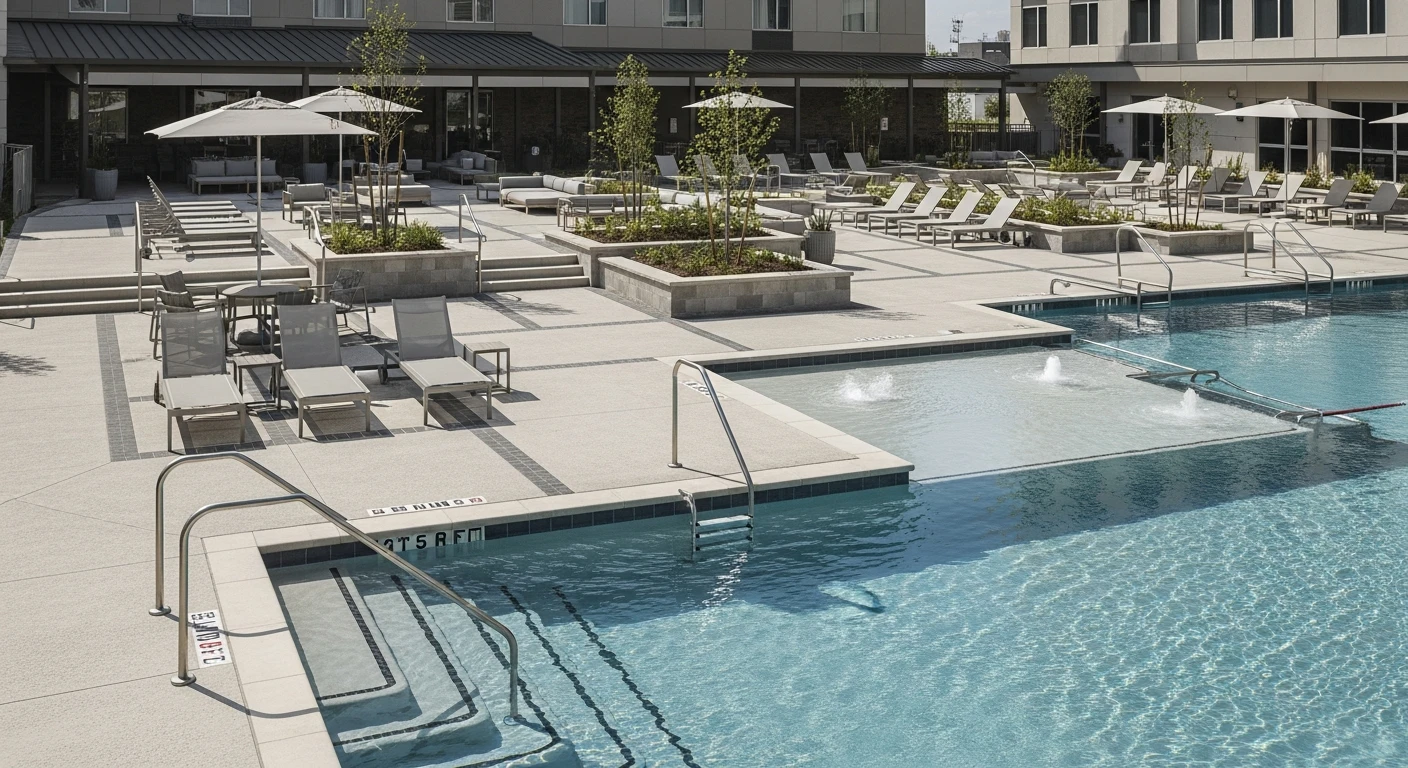
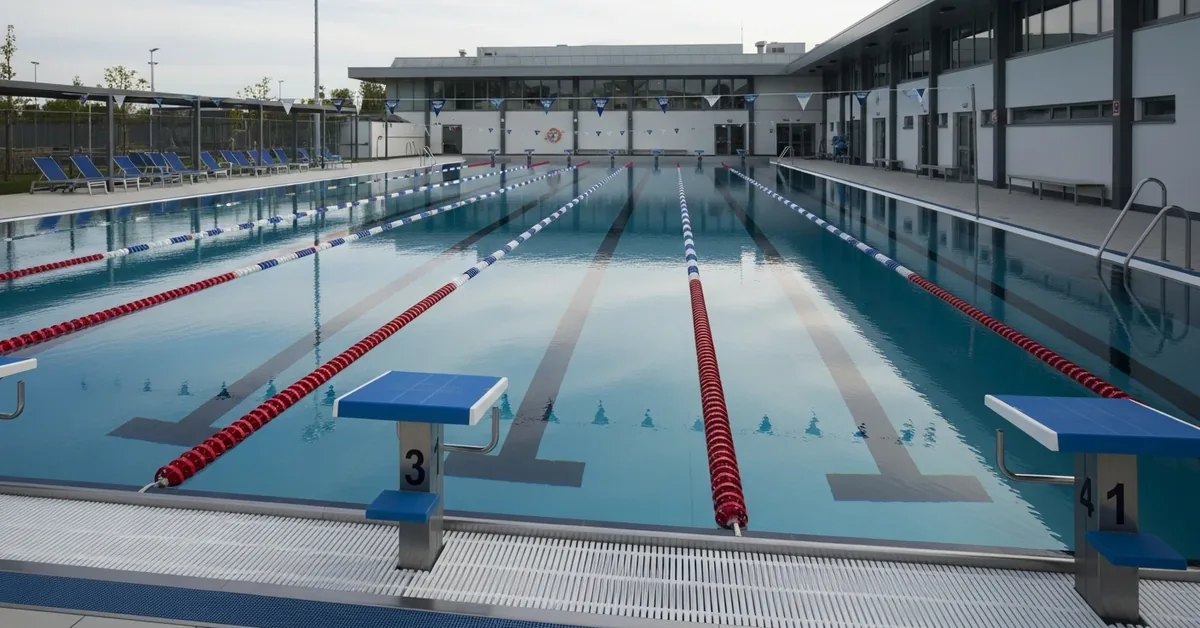
For a hotel manager on Lido Key or an HOA board in The Meadows, a closed pool isn't an inconvenience; it's a direct hit to revenue and resident satisfaction. In my 15 years specializing in commercial aquatic facilities, I've seen that the primary cause of failure isn't a lack of effort but a fundamental misunderstanding of what a commercial pool truly is: a public utility subject to stringent public health law. The operational standards are not suggestions, and the consequences of non-compliance in Sarasota County are swift and expensive.
Executive Summary: Operating a Commercial Pool in Sarasota
From my direct experience managing commercial aquatic facilities in this region, the core challenge is balancing
From my direct experience managing commercial aquatic facilities in this region, the core challenge is balancing intense year-round bather load with the strict requirements of the Florida Department of Health. Unlike residential pools, commercial pools are regulated public facilities where documentation, chemical automation, and safety equipment are non-negotiable. Success hinges on proactive compliance and understanding that the initial build cost is only a fraction of the long-term operational and liability management expense.
- Regulatory Body: All commercial pools fall under the jurisdiction of the Florida Department of Health in Sarasota County, which enforces Chapter 64E-9 of the Florida Administrative Code (FAC).
- Operational Mandate: Daily, documented water quality testing is required by law, with logs subject to unannounced inspection.
- Equipment Standard: Automated chemical controllers (ORP and pH sensors) are mandatory, as are specific turnover rates and anti-entrapment drain covers compliant with the Virginia Graeme Baker Act.
- Liability Hotspot: The most common violations I see are inadequate record-keeping and improper chemical storage, both of which can lead to immediate closure by a health inspector.
The Planning Failures That Haunt Sarasota Commercial Properties
The most costly mistakes in the commercial pool world happen long before the first swimmer arrives. They are baked into the design and equipment selection phase, often driven by a desire to cut initial capital expenditure. This approach almost always backfires, leading to higher operational costs, frequent downtime, and regulatory fines.
The Under-Sizing Mistake and Its Daily Consequence
I was brought in to consult for a new boutique hotel near St. Armands Circle that was experiencing constant water clarity issues and high chlorine consumption. The problem was obvious from the mechanical room: the filter and pump were sized for the pool's gallonage but not its anticipated bather load. They met the minimum code but failed the real-world test. A system that technically meets the state-mandated six-hour turnover rate is insufficient for a high-traffic tourist hotel pool in July. The result was a daily battle with cloudy water and algae, forcing them to spend thousands on specialty chemicals and eventually upgrade the entire filtration system within two years, costing them nearly double the initial savings.
The Commercial Pool Lifecycle in Practice
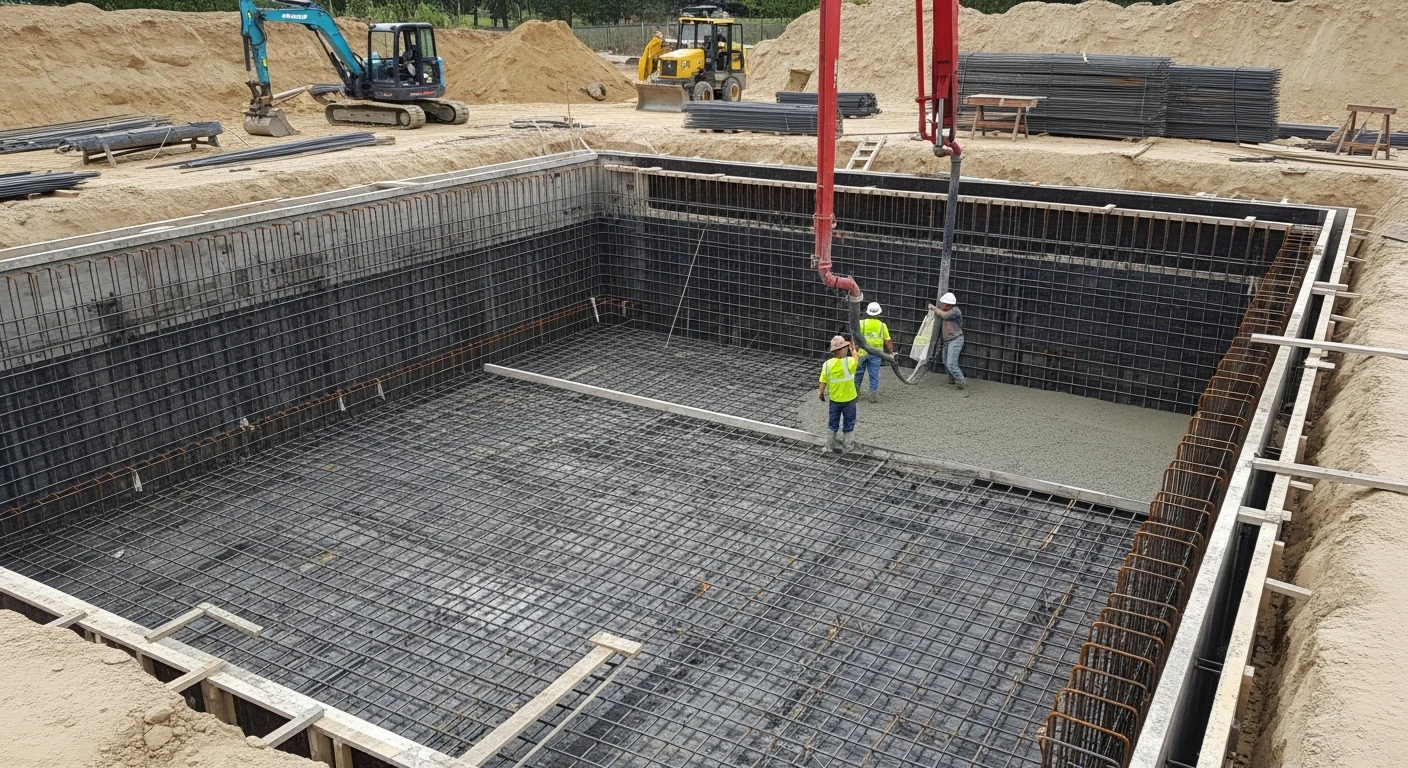
Bringing a commercial swimming pool from concept to compliant operation in Sarasota County is a multi-stage process involving architects, engineers, builders, and health department officials. For existing pools, the lifecycle is one of continuous maintenance, documentation, and periodic renovation to meet evolving codes. It is a far more bureaucratic and technical process than any residential project.
Key Milestones for a Compliant Facility
The path to a state-approved commercial pool is non-negotiable and follows a strict sequence. For any property manager or board member, knowing these steps is crucial for budgeting and scheduling.
- Engineering Plan Submission: All new construction or substantial modification requires engineered plans to be submitted to the Florida Department of Health for approval. This is not a city permit; it is a state-level health and safety review.
- Sarasota County Permitting: Once the state DOH approves the plans, you must then obtain the necessary building permits from Sarasota County. The state approval is a prerequisite.
- Certified Pool Operator (CPO): Florida law requires that every commercial pool be under the supervision of a state-certified operator. This person is responsible for the daily maintenance and record-keeping.
- Initial Operating Permit Inspection: Before the pool can be filled and opened to the public, a health inspector from the Sarasota County office must conduct a final on-site inspection to verify that the pool was built exactly to the approved plans.
Comparison: In-House vs. Outsourced Pool Management
For a condominium association or hotel, the decision to manage the pool with on-site staff versus hiring a professional commercial pool service is a major financial and operational choice. Each path has distinct implications for cost, liability, and compliance.
| Indicator | In-House Management (On-Site Staff) | Outsourced Commercial Service | DIY (Not a legal option) |
|---|---|---|---|
| Liability & Compliance | Burden falls entirely on the property owner/HOA. Staff must be CPO certified and impeccably trained. | Liability is shared with the service provider, who carries specialized insurance and is responsible for code compliance. | Illegal for any public or semi-public pool in Florida. Leads to immediate closure and fines. |
| Total Annual Cost | Includes staff salary/benefits, CPO certification fees, chemical bulk purchasing, and emergency repair costs. | Fixed monthly contract fee, often including chemicals. Emergency repairs are typically billed separately. | N/A |
| Operational Uptime | Dependent on staff availability and expertise. A sick or vacationing employee can create a compliance gap. | Guaranteed service schedule with backup technicians. Minimal downtime due to staffing issues. | N/A |
When Outsourcing Is the Wrong Choice
Outsourcing is not a universal solution. For very large, multi-pool resort properties with a dedicated engineering department, it can be more cost-effective to have a full-time, CPO-certified team on the payroll. In these scenarios, the scale of the operation justifies the overhead of direct employees, specialized training, and bulk chemical purchasing. Outsourcing in this case would simply add a layer of margin without providing a significant service advantage.
Safe Hiring Checklist for Commercial Pool Services
Choosing a commercial pool company in Sarasota goes far beyond checking for a business license. The stakes are much higher, and the required qualifications are specific. Using a residential pool cleaner for a commercial property is a direct path to a health code violation.
- Verify their State License: Ask for their Florida Certified Pool/Spa Contractor license number (CPC or RPC). A simple “business license” is not sufficient to perform repairs or modifications.
- Confirm CPO Certification: Every technician servicing your pool must be a Certified Pool Operator. Ask to see their current CPO card.
- Request Proof of Insurance: They must carry general liability and, crucially, pollution liability insurance. Pollution liability covers incidents related to chemical spills or mismanagement, which standard GL policies often exclude.
- Ask for Commercial References: Get contact information for other hotels, condos, or communities they service in Sarasota County. A company that primarily services homes is not equipped for commercial work.
- Review their DOH Inspection History: Ask them how they handle communication and corrective actions after a Department of Health inspection. A professional service will have a clear protocol.
- Inquire about Above-Ground and Specialty Pools: If you have a commercial above ground pool for therapy or a commercial cold plunge pool, ensure the contractor has specific experience with the unique mechanical and sanitation needs of these systems.
Decisions That Define Commercial Pool Success
Over the years, I've seen that the properties with the smoothest, most cost-effective pool operations are not the ones with the biggest budgets. They are the ones whose managers or boards make a few critical decisions correctly from the start. Success is about prioritizing operational integrity over short-term savings.
The Moment Most Properties Get It Wrong
The single most critical error is treating the pool service contract like a janitorial bid. I've watched HOA boards proudly select the lowest bidder, only to face a DOH-mandated closure six months later for falsified logs or an imbalanced system that has etched the plaster surface. The right decision is to view the pool operator not as a vendor, but as a risk management partner. You are hiring them to keep you compliant and shield you from liability. This means your first questions should be about their insurance, their CPO training program, and their protocol for responding to a health inspection report—not the monthly price.
Practical Answers for Operating in Sarasota
Navigating the local requirements for a commercial swimming pool involves interacting with specific county and state agencies. Understanding their roles is key to avoiding delays and penalties.
Navigating the Sarasota County Health Department Inspection
The DOH inspector can arrive unannounced. They will immediately ask to see your daily logbook. They will test the water chemistry on-site and check all safety equipment, including the main drain covers, depth markers, and the presence of a required safety pole or ring buoy. A passing inspection results in a satisfactory report, while a failure can range from a warning to an order for immediate closure until violations are corrected.
Permitting for Renovations vs. Repairs
In Sarasota County, replacing a pump with an identical model is considered a repair and typically does not require a permit. However, resurfacing the pool, changing the tile, or upgrading the filter system is considered a modification. This work requires a permit from the county and, if it alters the circulation system, may require plan submission to the state Department of Health. Always clarify this distinction with your licensed contractor before starting work.
ADA Compliance for Commercial Pools
The Americans with Disabilities Act (ADA) is a federal law that applies to all public accommodations, including most commercial pools in Sarasota. Pools must have an accessible means of entry and exit. This typically means installing an approved pool lift or a sloped entry. I’ve seen properties fined for having a non-functioning or improperly installed lift. This is not a local code but a federal mandate, and non-compliance carries significant legal risk.