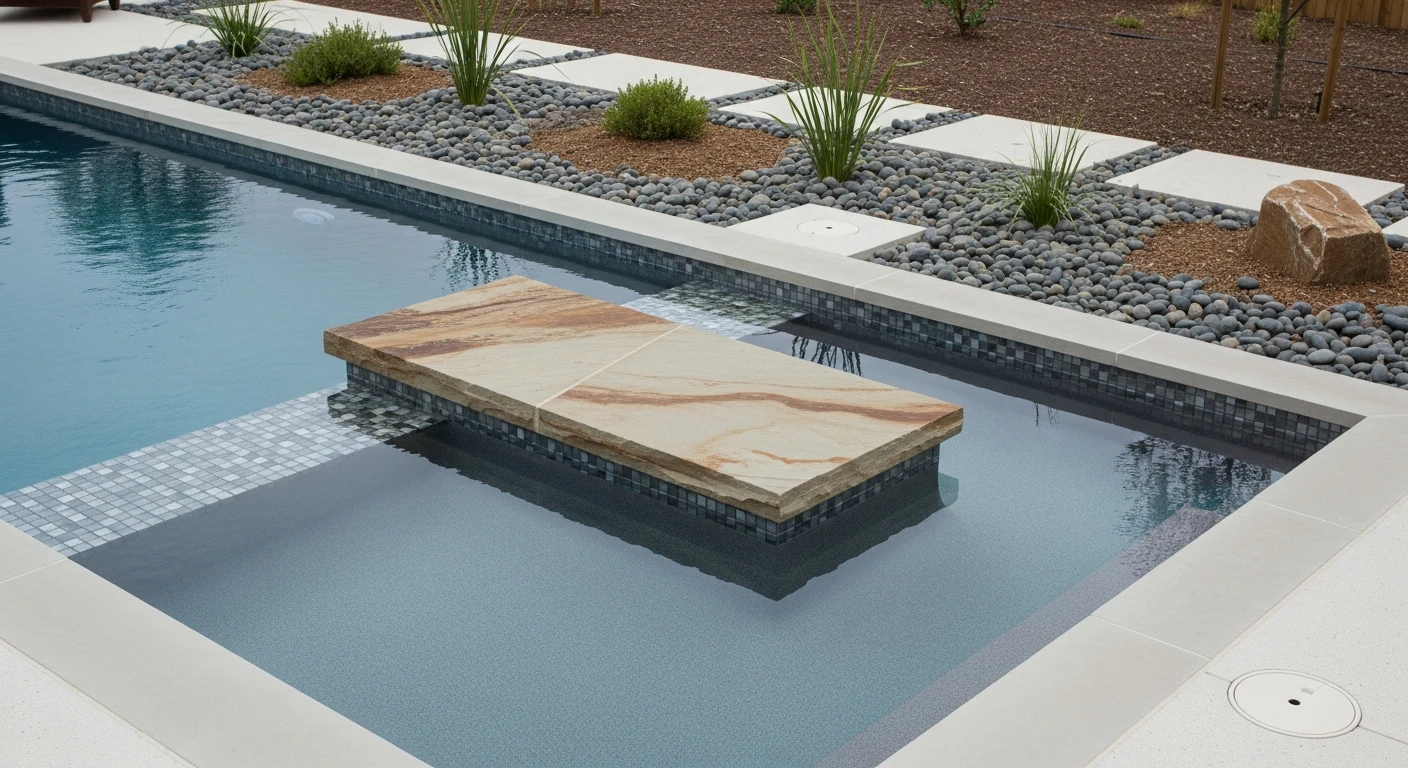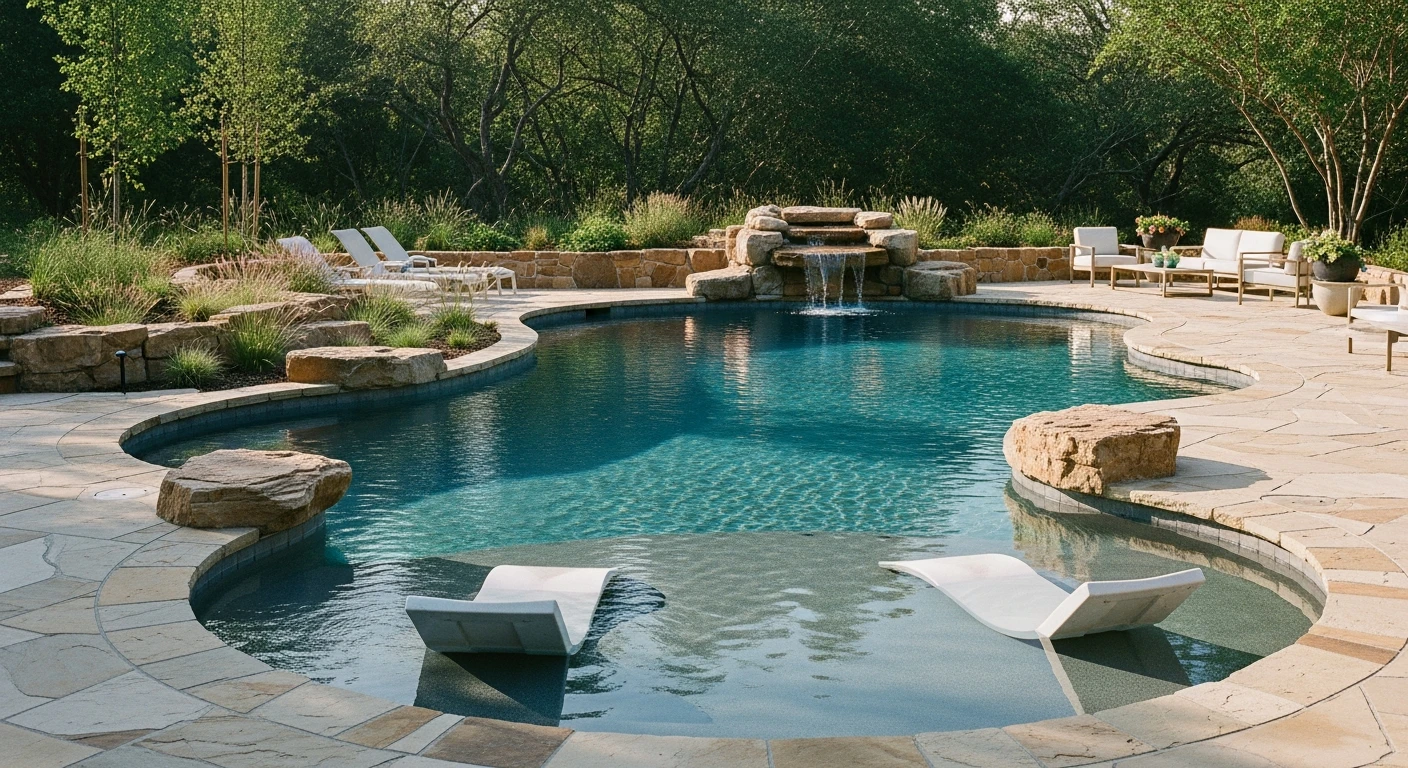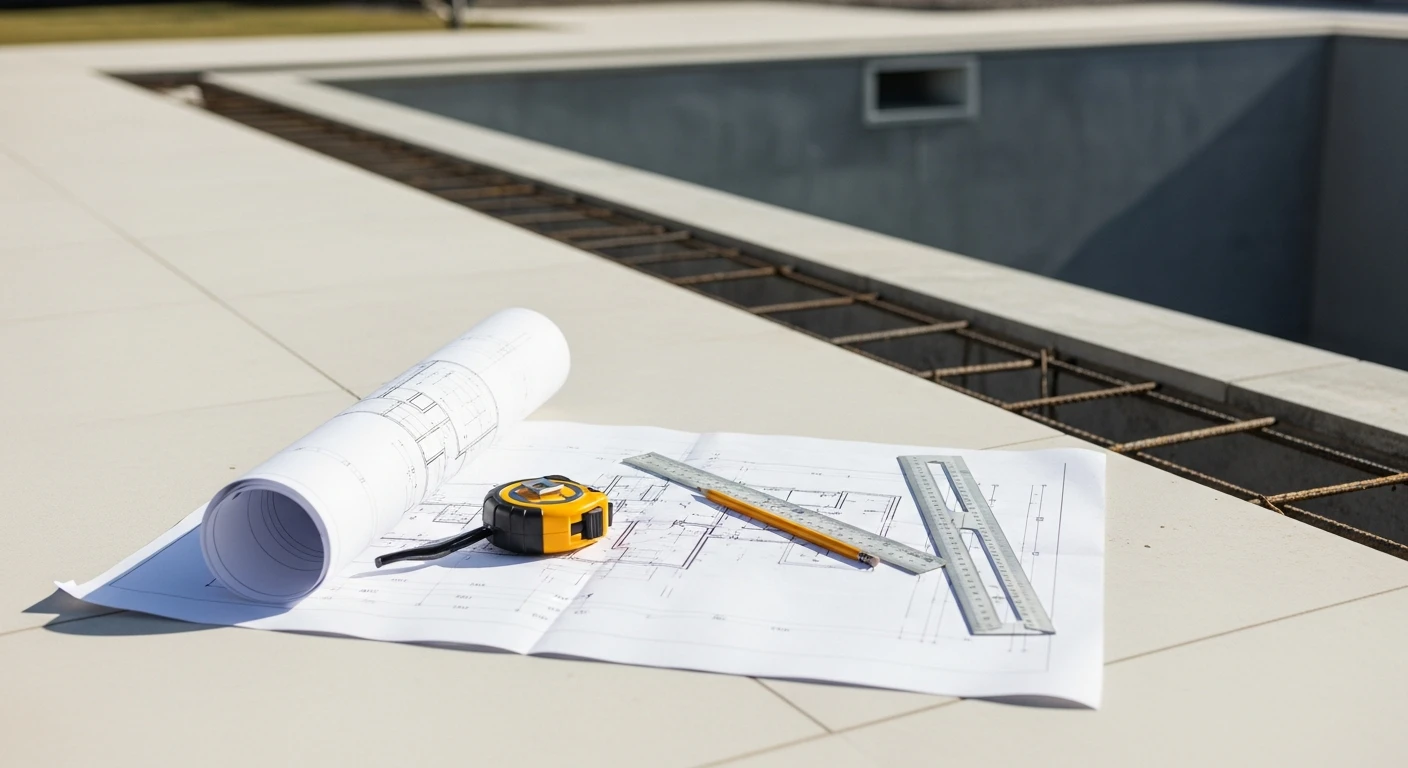
The single biggest misconception I encounter in Sarasota is that a pool plan is just a drawing. A client shows me a beautiful 3D rendering they love, and my first question isn't about the design—it's whether the engineer who stamped it has ever dealt with the soil conditions west of I-75. Here, a pool's success is determined long before the first shovel hits the ground; it's decided by how well the plan accounts for our unique coastal challenges.
Executive Summary: Planning Your Sarasota Pool
From my years designing and overseeing pool projects from Siesta Key to Lakewood Ranch, I've learned that a successful
From my years designing and overseeing pool projects from Siesta Key to Lakewood Ranch, I've learned that a successful build in this market hinges on proactive engineering, not reactive fixes. The process is a negotiation between your vision, the demanding Florida Building Code (FBC), and the very ground your home sits on. A generic set of swimming pool designs and plans downloaded online is a recipe for failure here; it will not account for hydrostatic pressure, wind load requirements for enclosures, or the specific setbacks enforced by Sarasota County.
- Soil and Water Table: The high water table and sandy soil require specialized construction techniques, including dewatering systems during excavation and hydrostatic relief valves in every main drain to prevent the pool shell from lifting.
- Hurricane Code Compliance: All structures, including pool cages and equipment pads, must meet stringent wind load requirements. This affects the design, materials, and cost of your enclosure and dictates the elevation and anchoring of your pump and heater.
- HOA Architectural Review: In communities like Palmer Ranch or The Founders Club, the HOA's architectural review board (ARB) has as much say as the county. Their aesthetic and material requirements often exceed standard code.
- Permitting Timelines: A complete and accurate permit application is critical. A standard pool permit in Sarasota County can take 4-6 weeks for initial review, but any error related to drainage, setbacks, or engineering sends you to the back of the line, easily adding months to your timeline.
The Planning Failures That Inflate Budgets
The most common mistakes happen in the conceptual phase, long before a contractor is chosen. Homeowners fall in love with a design without understanding its practical and financial implications in our specific environment. This leads to budget-breaking change orders and compromises that diminish the final result.
The Elevation and Drainage Oversight
A client with a beautiful property in a neighborhood near Phillippi Creek wanted a large, negative-edge pool. The initial design looked stunning but failed to account for the lot's base flood elevation (BFE). The critical mistake was placing the pool equipment pad at ground level. I had to explain that according to FEMA regulations and local code, all electrical equipment had to be elevated above the BFE, which meant building a raised, engineered platform that added over $5,000 to the cost and required a complete redesign of the landscaping plan to conceal it. They saw it as an unexpected expense; I saw it as a non-negotiable requirement for flood insurance and final inspection approval.
The Pool Design and Build Process in Practice
Getting a pool built in Sarasota is a multi-stage process involving designers, engineers, contractors, and multiple layers of government and private oversight. It is not a simple matter of hiring a builder and starting work. The timeline is dictated by approvals, not just construction speed.
Key Steps and Local Hurdles for Sarasota Homeowners
A well-managed project follows a strict sequence to avoid costly rework and delays. The initial excitement of a swimming pool house design must quickly transition to a methodical, paper-driven process.
- Geotechnical Survey: For complex sites, especially on waterfront properties or those with significant elevation changes, a soil boring test is the first step. This informs the structural engineer about soil composition and the water table level, which is essential for designing the shell.
- Site Plan and Engineering: A licensed surveyor creates a site plan showing property lines, easements, and existing structures. The pool planner and engineer use this to create the final pool design layout, ensuring it meets all Sarasota County setbacks (typically 7.5 feet from side/rear property lines) and lot coverage limitations.
- HOA/ARB Submission: Before submitting to the county, the complete plan—including materials, colors, and landscaping—must be approved by your HOA's Architectural Review Board. This can take 30-60 days and often involves requests for adjustments to align with community aesthetic standards.
- County Permitting: Once the HOA approves, the package is submitted to the Sarasota County Planning and Development Services. This includes structural engineering plans, drainage plans, and electrical schematics. Any missing detail, especially concerning the Florida Building Code, results in rejection and a restart of the review clock.
Comparing a Custom Design-Build Firm vs. Alternatives
Choosing the right professional partner is the most important decision you'll make. The options available in Sarasota cater to different budgets and levels of involvement, but the trade-offs are significant. A standard "pool builder" often works from templates, while a dedicated pool planner or design-build firm offers a more integrated and customized approach.
| Indicator | Custom Pool Planner / Design-Build Firm | Standard "Volume" Pool Builder | Using an Independent Architect |
|---|---|---|---|
| Customization Level | Fully bespoke, integrated with home and landscape. | Limited to pre-set shapes and features. | High design concept, but may lack pool-specific engineering expertise. |
| Navigating Regulations | Expertise in local codes, HOAs, and coastal engineering is a core service. | Handles basic permits but may struggle with complex sites or strict ARBs. | Relies on an external pool engineer; potential for communication gaps. |
| Project Management | Single point of contact for design, engineering, and construction. | Segmented process; you may deal with different people for sales, permits, and construction. | Architect designs, but you must hire and manage the pool contractor separately. |
| Typical Cost | Higher initial investment, but fewer unforeseen costs. | Lower base price, but costs can escalate with change orders and site issues. | Architect fees plus contractor costs; can be the most expensive route. |
When a Full-Service Planner Isn't the Right Choice
Frankly, if your project is a straightforward, small rectangular pool in a non-deed-restricted neighborhood with no site complications, hiring a high-end design-build firm is overkill. A reputable, licensed volume builder can likely execute that project efficiently and more cost-effectively. The value of a dedicated pool planner is in solving complex problems—if you don't have them, you're paying for expertise you don't need.
Safe Hiring Checklist for Your Pool Project
Vetting a pool professional in Florida requires more than checking online reviews. The state has specific licensing requirements, and our local conditions demand a higher level of experience. A mistake here can lead to liens on your property or a project that never passes final inspection.
- Verify the State License: Any contractor performing this work must have a Certified Pool/Spa Contractor license (CPC) issued by the Florida Department of Business and Professional Regulation (DBPR). Ask for their CPC number and verify it is active and free of complaints on the DBPR website.
- Confirm Liability and Workers' Comp Insurance: Ask for a certificate of insurance naming you as an additional insured. Without it, you could be liable for accidents on your property. In Florida, this is non-negotiable.
- Request Sarasota-Specific References: Ask for contact information for at least three recent projects completed within Sarasota County. Speak to those homeowners about the process, communication, and how unforeseen issues were handled.
- Scrutinize the Draw Schedule: The payment schedule in the contract should be tied to completed construction milestones (e.g., excavation, shell placement, deck pour), not arbitrary dates. Florida law has strict rules about down payments and progress payments to protect consumers.
- Demand a Lien Waiver: Insist on receiving a signed "Release of Lien" from the contractor, and from major subcontractors and suppliers, with each payment. This protects you from having a lien placed on your home if the contractor fails to pay them.
Decisions That Define a Successful Outcome
Over the years, I've seen that the difference between a seamless project and a nightmare rarely comes down to the pool's shape or tile choice. It comes down to a few key decisions made by the homeowner at the very beginning, often under pressure to get started quickly.
The Moment Most Homeowners Get It Wrong
The most critical error is selecting a contractor based on who returns the lowest price on a vague concept. A low bid is often a sign of what's not included: a proper drainage plan, robust engineering for our soil, or high-quality materials. The right approach is to finalize your complete, engineered pool design layout first. Then, submit that exact same set of detailed plans to three different qualified builders for an apples-to-apples bid. This way, you are comparing their construction cost and project management skill, not their ability to cut corners on a loose design.
Practical Answers for Building a Pool in Sarasota
Navigating the local bureaucracy is a major part of any pool project. Understanding the specific requirements of Sarasota County and the prevalent HOA structures is essential for a smooth process.
How does the Sarasota County permitting process work for pools?
The process is entirely digital through the county's portal. It requires a complete package including engineered plans, site surveys, drainage plans, and proof of HOA approval (if applicable). The initial review can take several weeks. If the reviewer finds any issues, they send back comments, and your application goes into a revision queue. This is where most delays happen. A clean, comprehensive submission is the key to a faster approval.
What are common HOA restrictions on pool design?
In Sarasota's master-planned communities, HOA/ARB restrictions are extensive. Common rules dictate the type and color of screen enclosures (bronze is a frequent mandate), the location of pool equipment (must be screened from view), decking materials, and even the finish color of the pool's interior. Some HOAs also have strict rules about construction hours and debris management.
Why is a Florida-licensed engineer essential for my plans?
Sarasota County will not accept structural plans for a pool that are not signed and sealed by a professional engineer licensed in the State of Florida. This engineer is legally responsible for ensuring the pool shell, foundation, and any associated structures (like a retaining wall or raised bond beam) are designed to withstand local conditions, including hydrostatic pressure and, for enclosures, hurricane-force wind loads as specified by the FBC.