Executive Summary: A Proactive Approach to Pool and Deck Integrity
In my years working on properties from Bird Key to Lakewood Ranch, the most significant financial losses I've seen stem
In my years working on properties from Bird Key to Lakewood Ranch, the most significant financial losses I've seen stem from a reactive, not proactive, approach to pool and deck maintenance. The subtropical Sarasota climate is relentless, and a standard "pool cleaning" service often overlooks the slow-moving structural threats. A proper inspection is not about finding fault; it's about identifying sub-surface concrete decay in a deck, or the early stages of saltwater corrosion on a heat pump, before the repair bill triples. The real value is in catching the problem when it's a $500 fix, not a $5,000 replacement.
- Salt Air Corrosion: Equipment enclosures, pump motors, and steel rebar in concrete decks are highly susceptible to accelerated decay from airborne salinity, even miles from the coast.
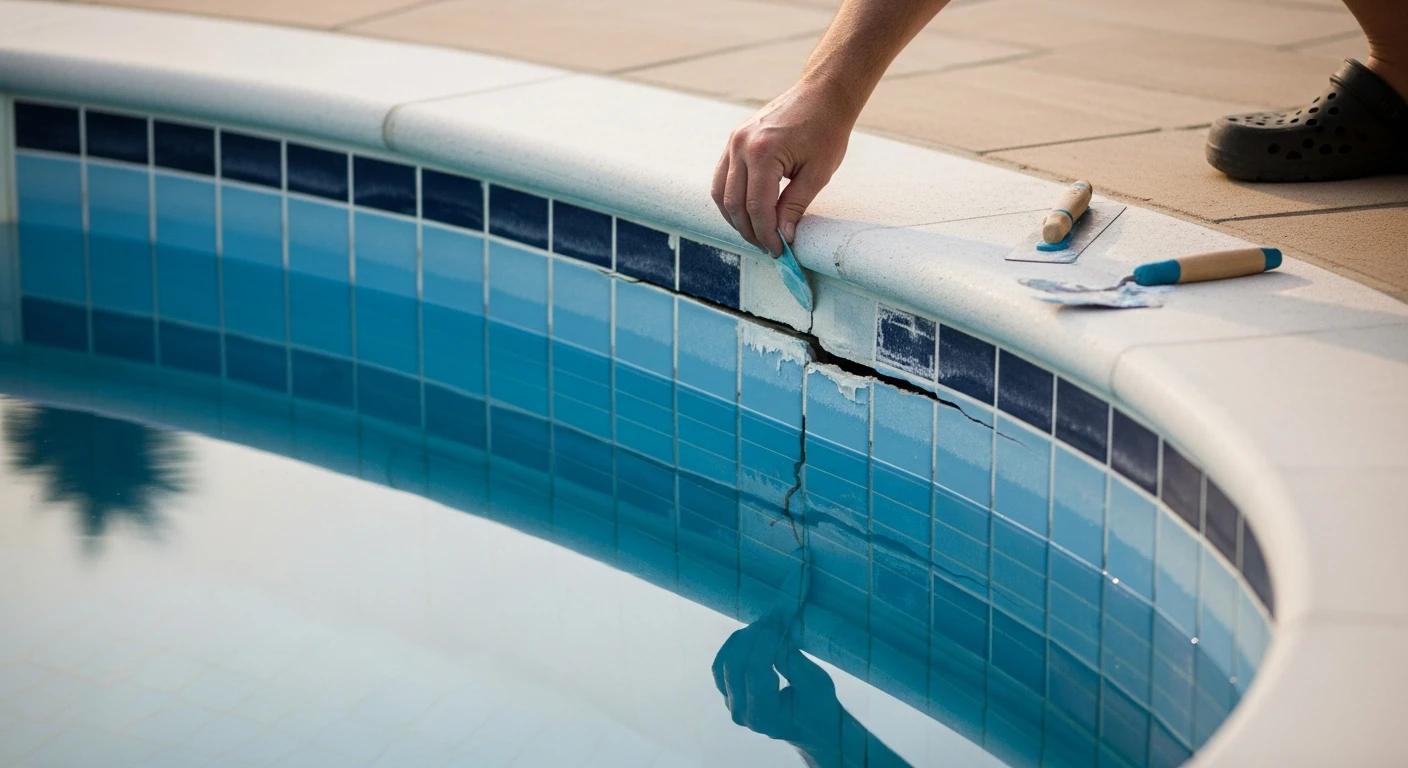
- Deck Spalling ("Deck Cancer"): Moisture penetrating hairline cracks in concrete decks corrodes the internal rebar, causing it to expand and break the concrete from within. This is a prevalent issue in older Sarasota homes.
- Ground-Level Integrity: While true basements are virtually nonexistent here, assessing the concrete slab and foundation around the pool area for signs of water intrusion or shifting is critical to prevent larger structural failures.
- Code Compliance for Safety: Inspections must verify that all pool barriers, drains, and electrical components meet the stringent requirements of the Florida Residential Swimming Pool Safety Act, which is non-negotiable for liability.
The Planning Failures That Inflate Repair Costs
The most common mistake homeowners make is treating an inspection as an optional expense rather than a diagnostic necessity. They wait for a visible failure—a loud pump, a large deck crack, or a pool losing water. By then, the underlying cause has often created a cascade of secondary problems that were invisible just weeks earlier.
Ignoring the Deck's True Condition
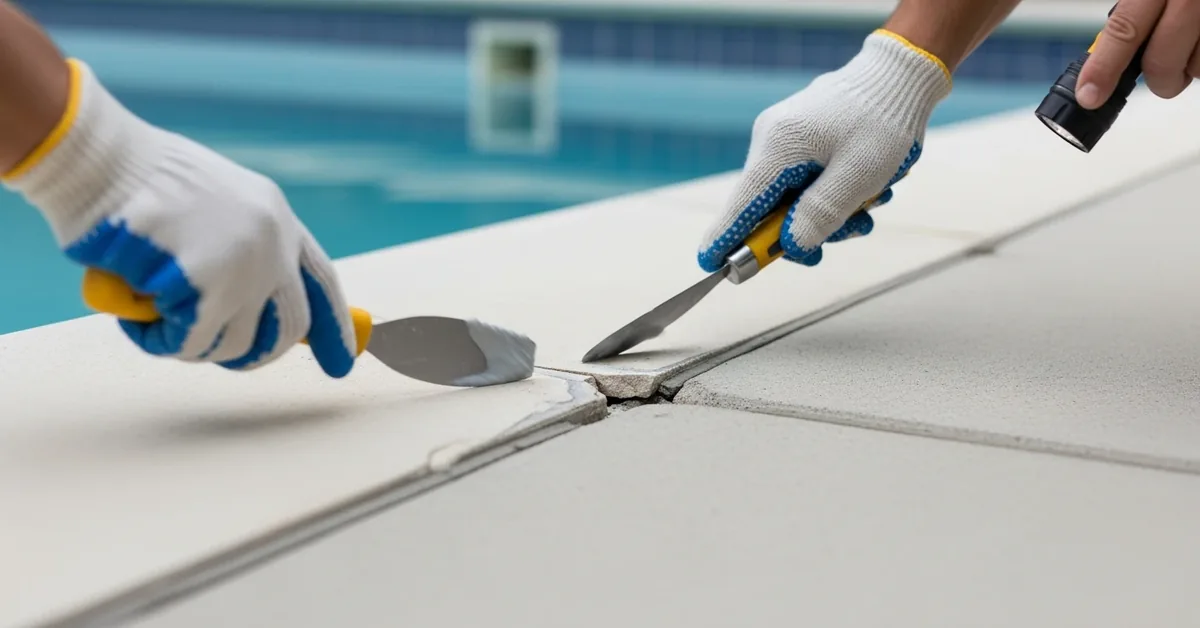
I was called to a property in The Meadows for what the owner described as a “small, discolored spot” on their concrete pool deck. They had received a low-cost quote to simply patch and paint it. A proper inspection, however, involved tap-testing the surrounding area, which revealed hollow sounds. We discovered advanced spalling; the rebar beneath was almost completely rusted through. The “small spot” was just the tip of a systemic failure that required a nearly $9,000 structural deck repair, a cost that could have been a fraction of that if caught two years earlier during a routine inspection.
The Inspection and Repair Process in Sarasota County
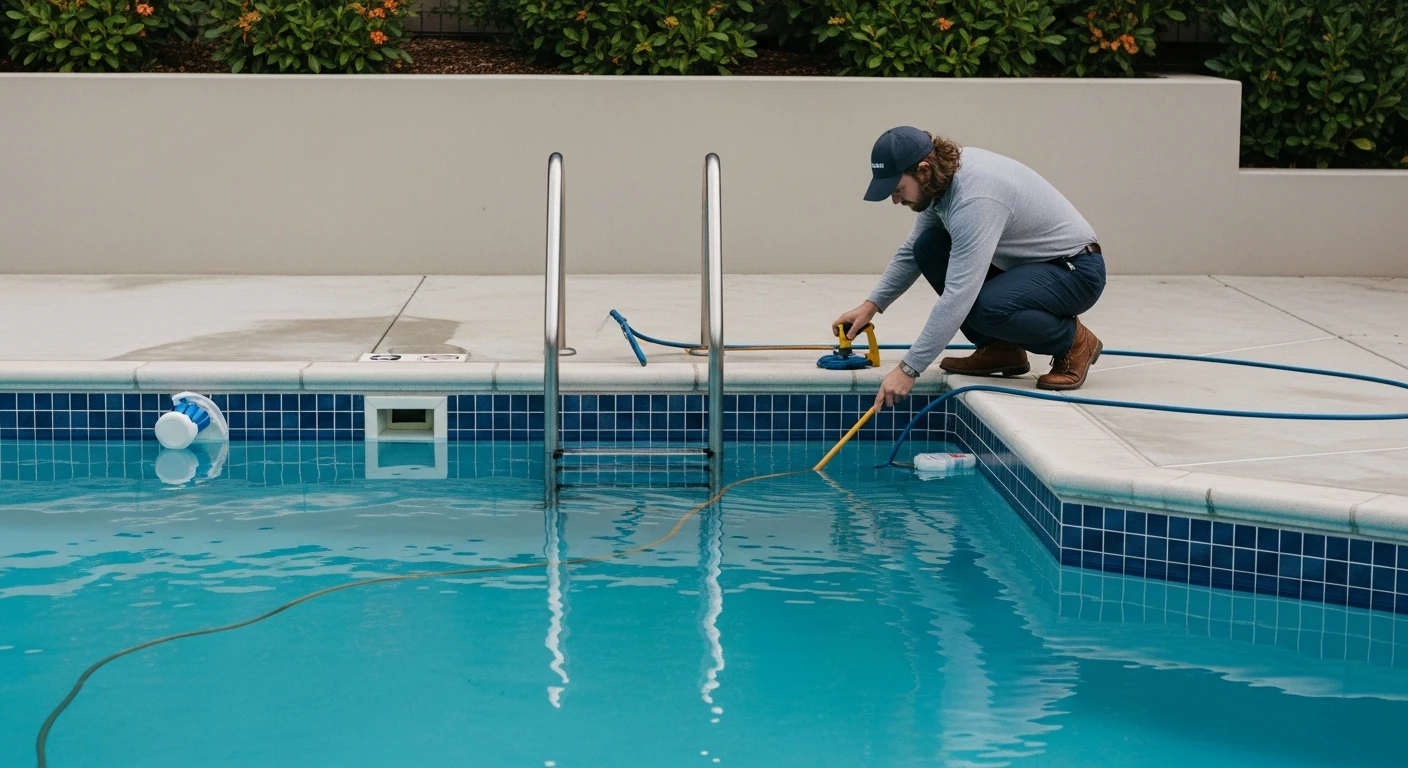
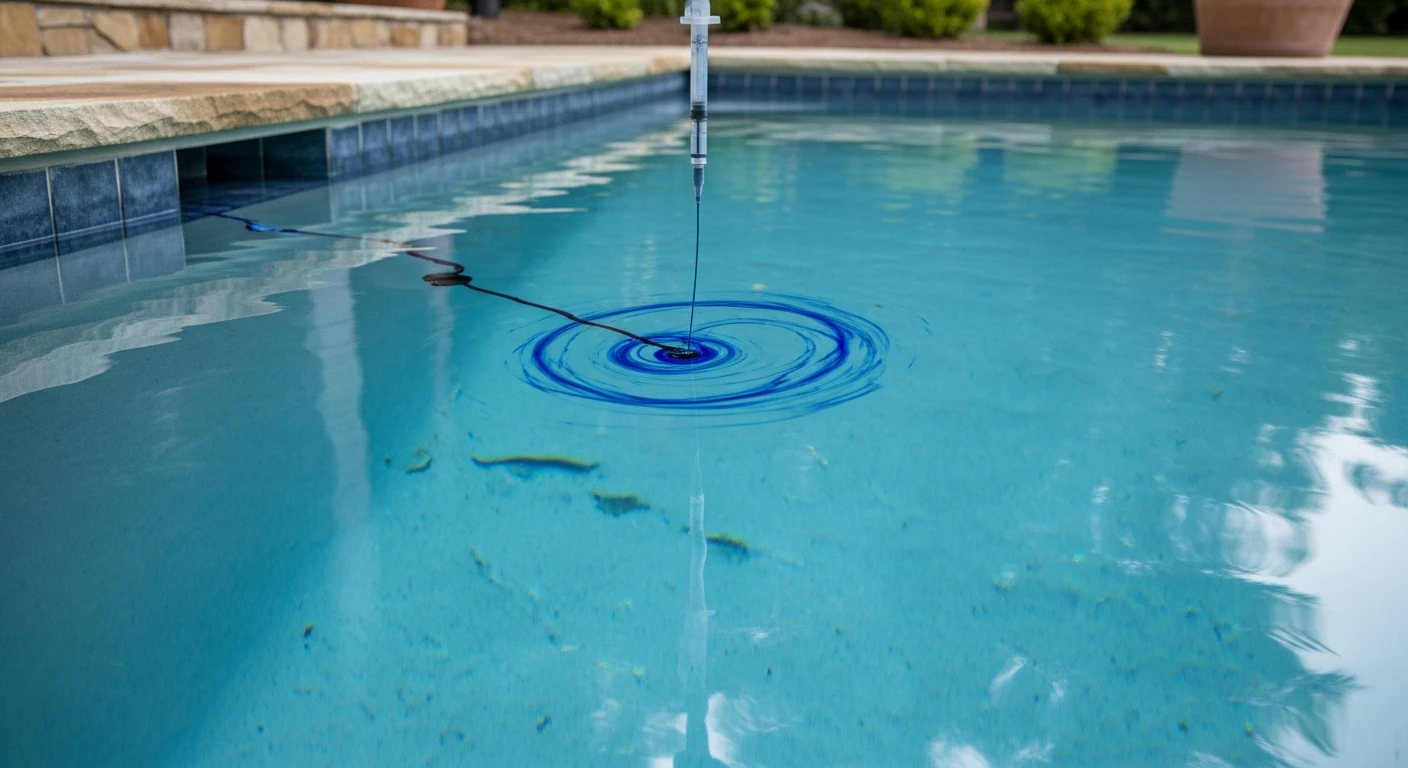
A legitimate inspection process is methodical and documented, not a quick walk-around. It begins with a comprehensive visual check of all components, followed by operational testing of equipment under load. We listen for unusual noises from motors, check for leaks at every connection, and test water chemistry to see what it reveals about the system's performance. For decks, this includes checking for cracks, hollow spots, and proper drainage away from the home's foundation.
Critical Selection Criteria for Local Homeowners
- Verify Florida Contractor Licensing: Ask for their CPO (Certified Pool Operator) certification and, for major repairs, their State of Florida Certified Pool/Spa Contractor license (CPC number). You can verify this on the Florida DBPR website. It is illegal for an unlicensed contractor to perform anything beyond basic cleaning.
- Inquire About Saltwater System Expertise: Given the prevalence of saltwater pools in Sarasota, your inspector must have specific experience with salt chlorine generators, sacrificial anodes, and the unique corrosion challenges they present.
- Request a Sample Inspection Report: A professional report is detailed, with photos, explanations of findings, and prioritized recommendations. A simple invoice with a checklist is a red flag.
- Confirm Knowledge of Sarasota County Permit Triggers: Ask them at what point a repair requires a permit from Sarasota County. Replacing a pump motor might not, but relocating it or upgrading the electrical service absolutely will. Their answer reveals their legitimacy.
Comparing Professional Inspection vs. Other Approaches
Homeowners often weigh a formal inspection against relying on their regular pool service technician or attempting a DIY assessment. While well-intentioned, these alternatives carry significant hidden risks in our specific climate.
| Indicator | Professional Inspection | Reliance on Pool Tech | DIY Assessment |
|---|---|---|---|
| Structural Deck Analysis | Identifies sub-surface rebar corrosion and spalling. | Typically limited to visible surface cracks. | Almost always misses underlying structural issues. |
| Equipment Diagnostics | Tests motor amperage, pressure differentials, and electrical bonds. | Focuses on basic function (on/off) and leaks. | Often leads to misdiagnosis and unnecessary parts replacement. |
| Liability and Code Compliance | Verifies compliance with Florida safety codes (e.g., VGB Act). | May not be trained on current code updates. | High risk of non-compliance and safety hazards. |
When a Full Inspection Isn't the Right First Step
A full-scale inspection is not always the best investment. If you have a single, clearly identifiable problem—for example, a specific leaking valve that you can see dripping—it is more cost-effective to call for a targeted repair service. A full diagnostic inspection is most valuable for pre-purchase assessments, for older pools with unknown histories, or when you notice multiple, seemingly unrelated minor issues cropping up at once.
A Safe Hiring Checklist for Sarasota Residents
Before committing to any inspection or repair work, use this checklist to protect your investment and ensure you are hiring a qualified professional who understands the local environment.
- Verify General Liability and Workers' Compensation Insurance: Ask for the certificate of insurance. If a worker gets injured on your property and the company is uninsured, you could be held liable.
- Check for a Physical Local Address: A contractor with a real, verifiable office or workshop in the Sarasota-Bradenton area is accountable. Be wary of operators who only provide a P.O. Box or cell phone number.
- Demand a Written, Itemized Estimate: The proposal should clearly separate costs for labor, materials, and any potential permit fees. Vague, lump-sum quotes are a major warning sign.
- Inquire about HOA Procedures: If you live in an HOA-governed community like Palmer Ranch or University Park, ask the contractor about their experience submitting plans for deck resurfacing or equipment changes to architectural review committees.
- Review Online Presence and Past Projects: Look for a professional website with a gallery of completed work in Florida, not stock photos. Check for reviews that mention specific types of repairs relevant to your needs.
Decisions That Define a Successful Outcome
The single most important decision is choosing expertise over price. The contractor offering a service for $75 when others are quoting $200 is cutting corners. In my field, those corners are usually skipping critical diagnostic steps, using inferior sealants not suited for Florida's UV exposure, or employing unlicensed labor.
The Moment Homeowners Make the Critical Error
The critical mistake happens when a homeowner receives an inspection report and focuses solely on the most expensive line item. They often try to negotiate that one big-ticket repair down or seek a cheaper quote for just that item, while ignoring the smaller, systemic issues listed. The real value is addressing the root cause of the problem—often poor drainage or a minor chemical imbalance—which the report should identify. Fixing the symptom without fixing the cause is the fastest way to guarantee a repeat failure.
Practicalities of Pool and Deck Work in Sarasota
Navigating the local requirements is a key part of any major repair project. Understanding these specifics protects you from delays and potential fines.
Navigating Sarasota County Permitting for Pool Repairs
Any work involving electrical, gas lines (for heaters), or structural changes to the pool shell or deck requires a permit from Sarasota County Planning and Development Services. For example, replacing a filter is maintenance; replacing the entire equipment pad and plumbing is a permitted project. A reputable contractor will handle the entire permitting process, which currently can take several weeks for approval.
HOA Architectural Review in Deed-Restricted Communities
In many Sarasota communities, changing the color of your pool deck, installing a new safety fence, or even replacing noisy equipment requires pre-approval from your Homeowners Association's architectural review committee. Failing to get this approval before work begins can result in fines and a mandate to undo the work at your own expense. Always check your HOA covenants first.
Florida's Lien Law and Your Protection
Under Florida law, anyone who supplies labor or materials for your project can place a lien on your property if your contractor fails to pay them—even if you have paid the contractor in full. To protect yourself, always ask the contractor for a "Release of Lien" from their major suppliers and any subcontractors before you make the final payment. This is a standard business practice for legitimate professionals in this state.