Executive Summary: A Pro's Take on Pool Equipment in Sarasota
From my years working on projects from Bird Key to Palmer Ranch, the biggest shift I've seen in Sarasota isn't just
From my years working on projects from Bird Key to Palmer Ranch, the biggest shift I've seen in Sarasota isn't just about replacing broken equipment; it's about a fundamental move towards smart, energy-efficient systems. Homeowners here are no longer satisfied with a pool that simply works. They demand equipment that lowers their FPL bill, can be controlled from their phone, and withstands the relentless Florida sun and salt air. The conversation has evolved from simple repairs to long-term value and lifestyle integration.
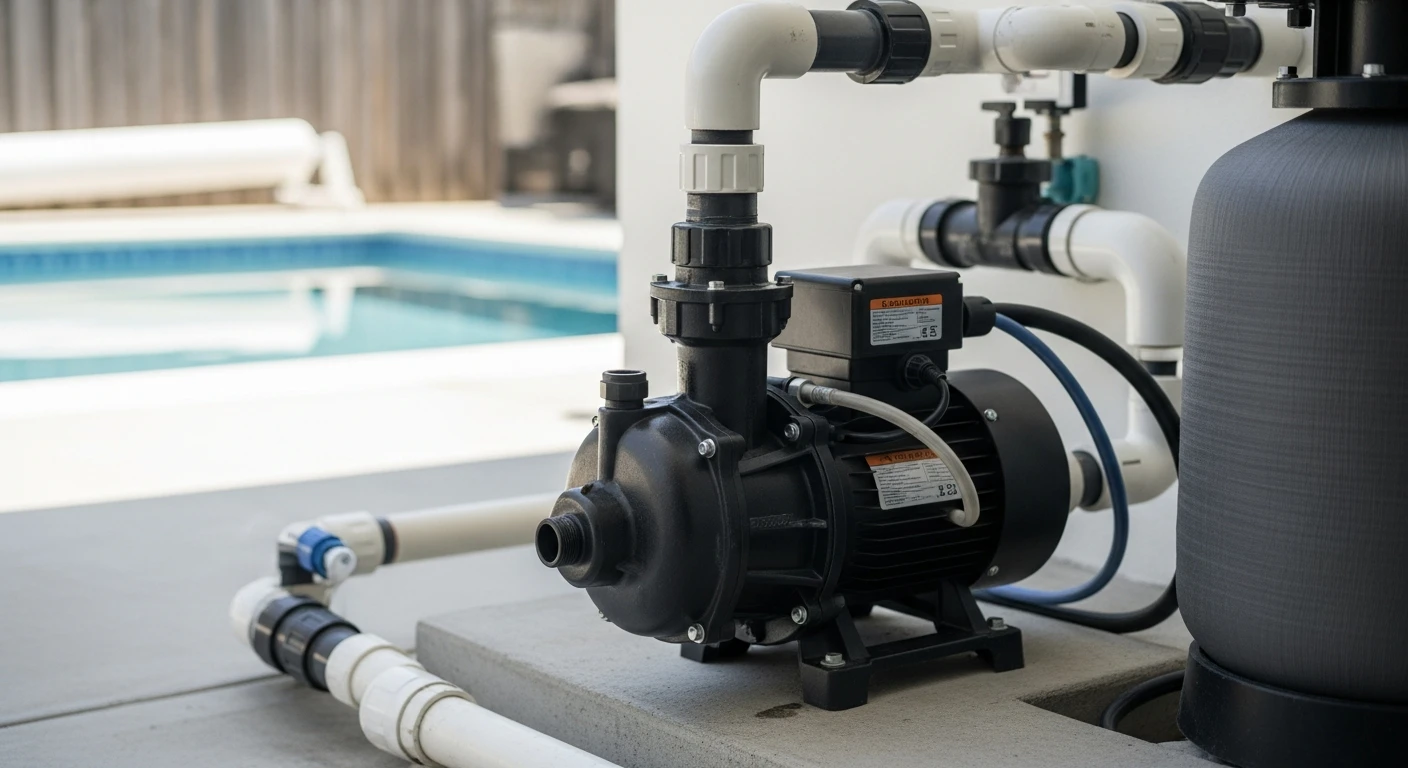
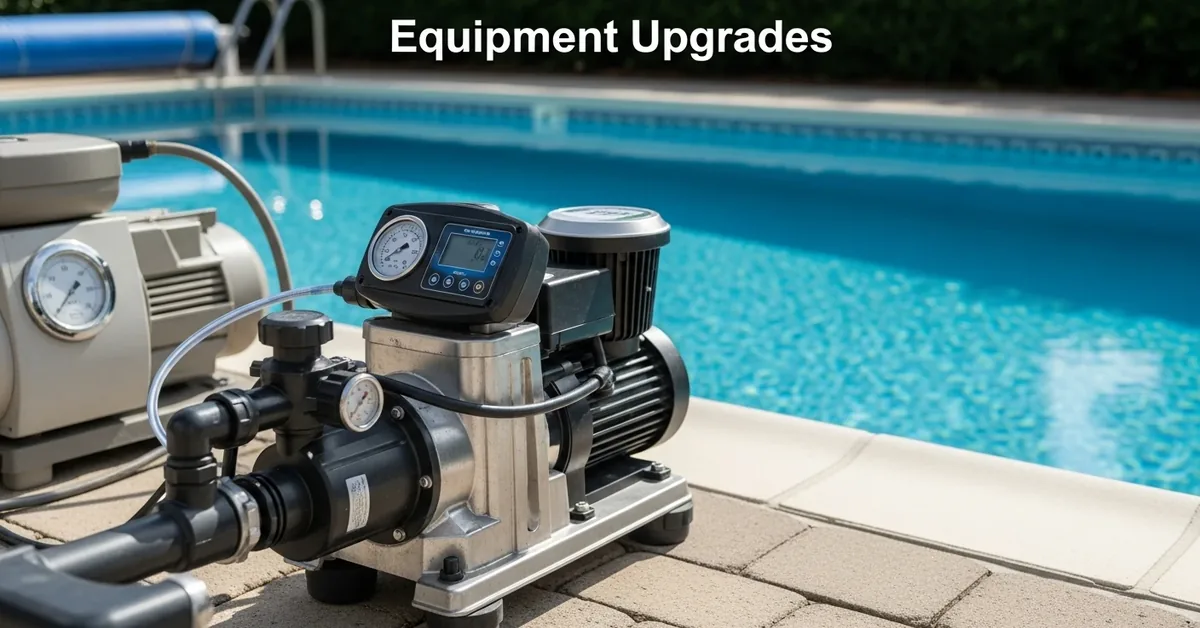
- Variable-Speed Pumps (VSPs): A non-negotiable upgrade. Federal regulations mandate them for most new installations, but the real driver is the 50-70% reduction in pump-related energy costs I consistently see in local homes.
- Saltwater Chlorination: The standard for new and remodeled pools in this market due to the softer-feeling water and elimination of liquid chlorine hassles—a major plus for part-time residents.
- Automation Systems: Integrating pumps, heaters, lighting, and water features into a single app-controlled interface is the most requested luxury-to-standard feature upgrade.
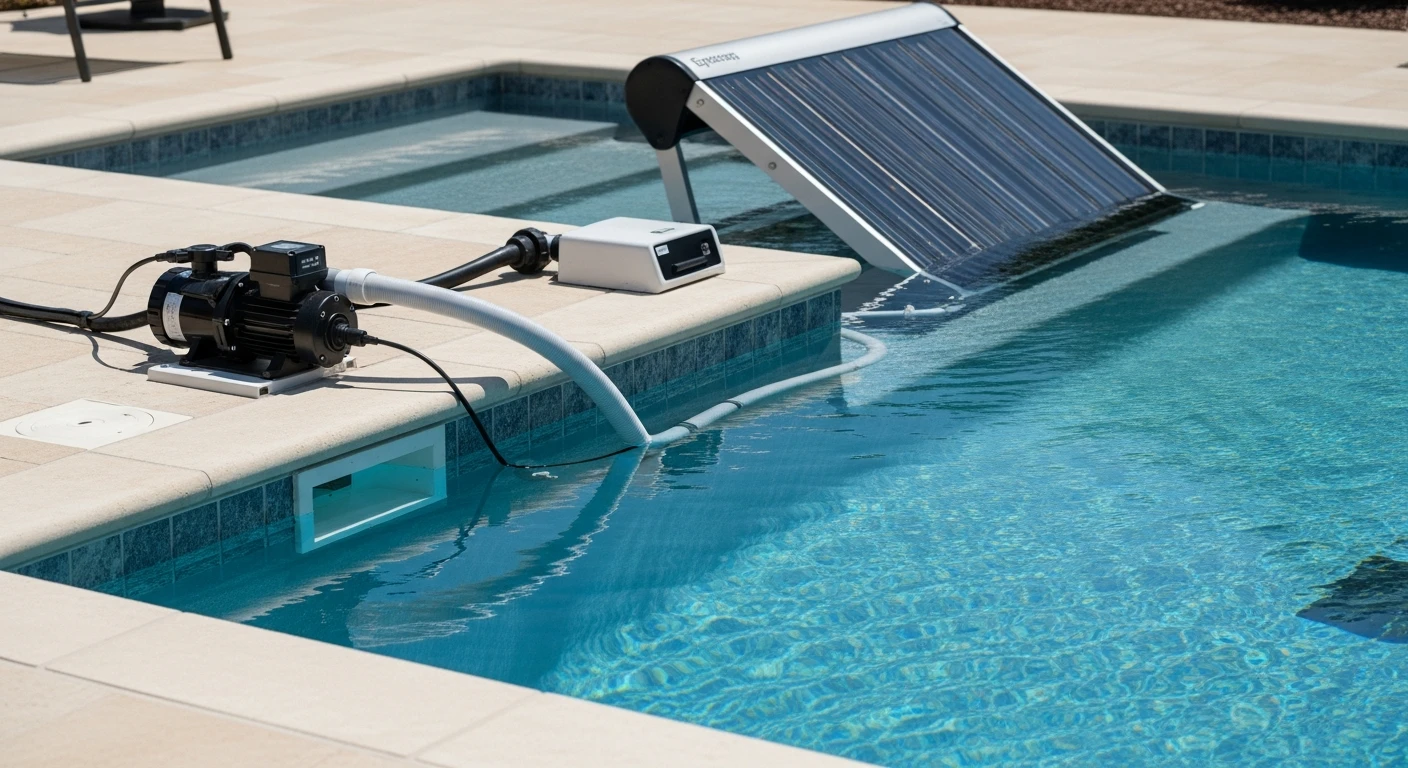
- Heat Pump Heaters: The most cost-effective way to heat a pool for year-round use in our climate, leveraging ambient air temperature for efficiency that gas heaters can't match for consistent warming.
The Planning Failures That Drive Up Costs in Sarasota
The most common mistake I see is focusing solely on the upfront cost of the equipment without factoring in the long-term operational expense and the cost of future integration. A cheap, single-speed pump or a basic timer system seems like a win until the first few high-season electricity bills arrive. The initial savings are quickly erased.
The Underestimation of Automation's Role
The most expensive failure is installing standalone, non-communicating equipment. A client in an Ostenfeld-built home in The Lake Club insisted on a basic pump and a separate heater to save a couple of thousand dollars on their pool and deck remodeling project. Within a year, they were frustrated with manually adjusting schedules and temperatures. Retrofitting an automation system to control the mismatched equipment cost them nearly double what it would have to install a compatible, integrated system from the start. They paid for the convenience twice because they viewed automation as a luxury, not the central nervous system of a modern pool.
How an Upgrade Project Works in Practice Here
A proper equipment upgrade is a multi-step process that goes far beyond simply swapping out a pump. It begins with a thorough hydraulic analysis of your specific pool—its volume, plumbing size, and features like waterfalls or spas. This dictates the correctly sized equipment, ensuring you're not overpaying for an overpowered pump or an undersized heater that will run constantly.
Key Selection Criteria for Sarasota Homeowners
When I consult with homeowners, I guide them through a checklist tailored to our local environment. It’s not about which brand is best in a vacuum, but which system is right for a Sarasota lifestyle.
- Corrosion Resistance: Does the equipment, especially the heater's heat exchanger, feature materials like cupronickel or titanium rated for saltwater and coastal air? Standard components corrode quickly here.
- HOA Compliance in Planned Communities: In places like Lakewood Ranch or University Park, equipment pads must often be concealed by landscaping or specific enclosures. We must verify these architectural guidelines before any work begins to avoid fines.
- FPL Rebate Eligibility: We verify if the selected variable-speed pump qualifies for Florida Power & Light's energy efficiency rebate program, which can offset a portion of the installation cost.
- Hurricane-Ready Installation: Is the equipment being installed on a properly elevated concrete pad and strapped down according to Sarasota County's wind mitigation codes? This is not optional; it’s a requirement for inspection and insurance.
Comparing Modern Upgrades to Traditional Equipment
Deciding whether to invest in a full system upgrade or stick with older technology involves clear trade-offs. The right choice depends on your usage patterns, budget, and how long you plan to stay in your home. For most Sarasota residents who use their pools frequently, the math heavily favors modern systems.
When a Full Upgrade Isn't the Right Choice
A full, top-of-the-line automation and VSP upgrade is not always the best path. If you are planning to sell your home within the next 12-18 months and your current equipment is functional, the return on investment may not fully materialize. In this scenario, a targeted repair or replacing a single failed component with a compliant, mid-range model often makes more financial sense than a complete overhaul. The goal is a safe, working pool for the home inspection, not maximizing long-term energy savings you won't be around to enjoy.
| Indicator | Full Modern Upgrade (VSP, Automation, Salt) | Basic Compliant Replacement (VSP only) | Repairing Old Equipment (Single-Speed) |
|---|---|---|---|
| Upfront Cost | Highest | Moderate | Lowest |
| Monthly Energy Cost | Lowest (can be $30-$50/mo) | Low (can be $40-$60/mo) | Highest (often $100-$150+/mo) |
| Ease of Use & Lifestyle | Effortless (App Control) | Manual (On-pump programming) | Manual (Mechanical timers) |
| Appeal to Homebuyers | Very High | Moderate | Low (Seen as a pending expense) |
The Safe Hiring Checklist for Your Sarasota Project
Hiring the right contractor is more important than picking the right brand of equipment. A great pump installed incorrectly will fail. In Florida, the stakes are high due to licensing requirements and hurricane codes. This is the checklist I give my own family members when they're looking for a contractor.
- Verify Florida CPT or CPC License: Ask for their state license number (e.g., CPC14...). Verify it's active and in good standing on the Florida Department of Business and Professional Regulation (DBPR) website. This is non-negotiable.
- Confirm Liability and Workers' Comp Insurance: Request a Certificate of Insurance (COI) sent directly from their insurer. A photocopy is not sufficient. Without it, you could be liable for accidents.
- Check Sarasota County Permit History: You can look up a contractor's name on the Sarasota County permit portal. A history of pulled permits and passed inspections is a sign of legitimacy and experience with local code officials.
- Get a Lien Waiver Agreement: Ensure the contract includes language about receiving a 'Release of Lien' from the contractor and any major suppliers upon final payment. This protects you from claims if they fail to pay their vendors.
- Review HOA Submittal Process: For communities like Prestancia or Laurel Oak, ask the contractor to detail their process for submitting plans to the Architectural Review Board (ARB). An experienced local pro will have this process down to a science.
Decisions That Truly Determine the Outcome
The success of an equipment upgrade isn't determined on installation day. It's determined during the planning phase. The most critical decision is choosing a system that matches your actual lifestyle, not just the size of your pool. A snowbird who is away for six months has different automation and monitoring needs than a family using the pool daily year-round.
The Moment Homeowners Miscalculate Value
The critical mistake happens when comparing quotes. Most homeowners lay out bids side-by-side and compare the total price. The correct approach is to compare the specified model numbers and the scope of work. One contractor might quote a premium Pentair IntelliFlo VSF pump and a full automation panel, while another quotes a cheaper brand's entry-level VSP with no automation. The second quote will be lower, but it's for a vastly inferior project. I always advise clients to first define the system they need, then get apples-to-apples quotes for that exact system. Don't let a contractor's low-tier equipment choice dictate your decision.
Practical Answers About Operating in Sarasota
Navigating the local requirements for a pool project can be frustrating if you don't know the system. It's not just about the equipment; it's about installing it correctly according to local and state rules.
What Does the Sarasota County Permit Process Entail?
For any significant equipment change, like relocating the pad or upgrading electrical service for a new heater, a permit is required from Sarasota County Planning and Development Services. This involves submitting a plan, including electrical and plumbing schematics, and ensuring the work is performed by a licensed contractor. The process typically takes 2-4 weeks for approval and requires at least one inspection upon completion to ensure code compliance, particularly for electrical bonding and safety setbacks.
How Do HOA Architectural Reviews Impact Upgrades?
In most of Sarasota's master-planned communities, you can't simply install a new heater. The Architectural Review Committee or Board (ARB/ARC) must approve the location, visibility, and noise level of the new equipment. This often requires submitting the manufacturer's spec sheet and a site plan showing the equipment pad location and any required screening (fencing or landscaping). Ignoring this step can result in a notice of violation and fines, sometimes exceeding $100 per day.
Why Does Florida's Contractor Licensing Matter So Much?
Florida law is very strict. Any work involving pool plumbing, circulation, or electrical systems must be done by a state-licensed Commercial Pool Contractor (CPC) or a Residential Pool Contractor (RPC). A simple handyman or a 'pool guy' with only a Pool Servicing license (CPO certification is for maintenance, not construction) cannot legally install a pump or heater. Using an unlicensed individual voids equipment warranties and, more importantly, can create a dangerous electrical or gas connection, for which your homeowner's insurance will likely deny a claim.