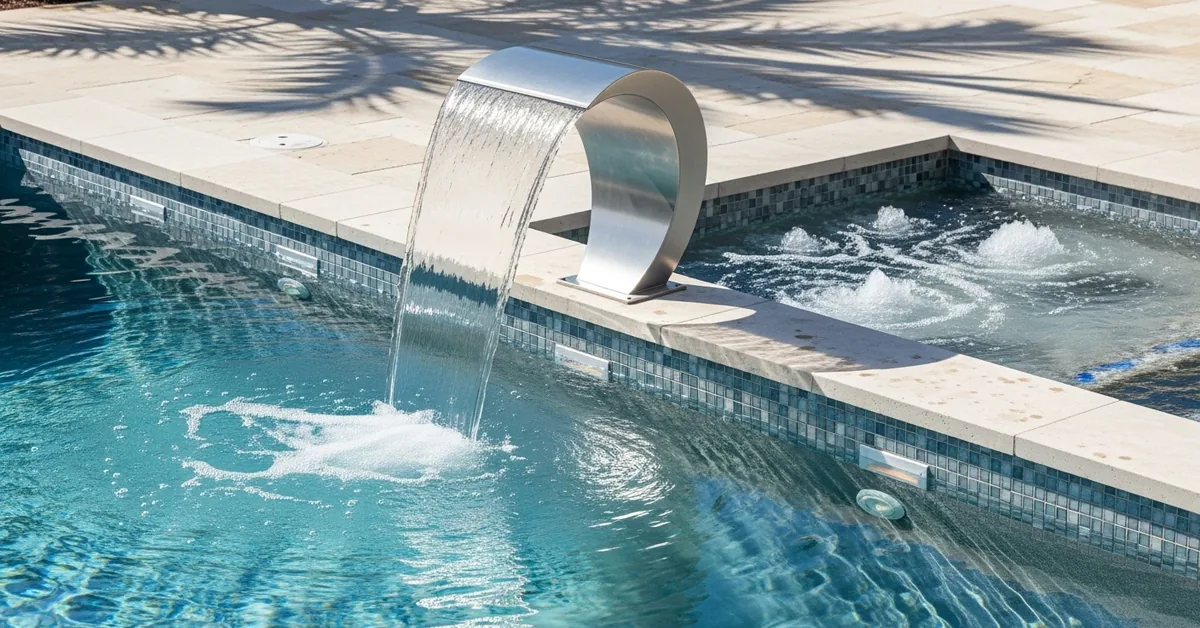
Adding a water feature to a pool in Sarasota isn't about following a trend. It's about engineering an experience that withstands intense UV exposure, humid, salty air, and the constraints of often compact, high-value properties. The most common mistake I see isn't choosing the wrong waterfall; it's failing to account for how that waterfall will alter the pool's hydraulic and chemical balance. A beautiful rock feature that triples your monthly chemical bill is a design failure, and it's a failure that begins at the planning stage, long before a single stone is set.
Executive Summary: A Specialist's View on Pool Enhancements
From my perspective executing these projects across Sarasota County, successful feature additions balance visual appeal
From my perspective executing these projects across Sarasota County, successful feature additions balance visual appeal with operational reality. The goal is to enhance your outdoor living space without creating a maintenance burden or compromising the core function of your pool. A poorly integrated feature introduces more problems than it solves, from algae blooms caused by poor circulation to premature pump failure from hydraulic overload. The key is a holistic design approach.
- Hydraulic Integration is Non-Negotiable: A new feature must be matched to your existing pump's flow rate (GPM) or budgeted for a dedicated or variable-speed pump. Mismatching is the primary cause of failure.
- Material Selection for Coastal Conditions: Natural stone must be properly sealed to prevent erosion from saltwater chlorinators, and faux rock must be UV-stabilized to avoid fading and cracking under the Florida sun.
- Permitting and Setbacks are Critical: Any structural addition or significant plumbing modification requires a permit from Sarasota County. Setback violations, especially on tight lots near the Intracoastal, can lead to costly teardowns.
- HOA Architectural Review is a First Step: In communities like Lakewood Ranch or The Founders Club, the HOA's Architectural Review Committee (ARC) has specific guidelines on materials, noise levels (from waterfalls), and aesthetics that often precede county permits.
The Planning Failures That Inflate Costs After the Contract is Signed
The most significant budget overruns I've witnessed stem from what happens before construction. Homeowners focus on the visual outcome but overlook the technical foundation. This leads to change orders, delays, and long-term operational costs that were never discussed in the initial quote.
Ignoring the Existing Hydraulic System
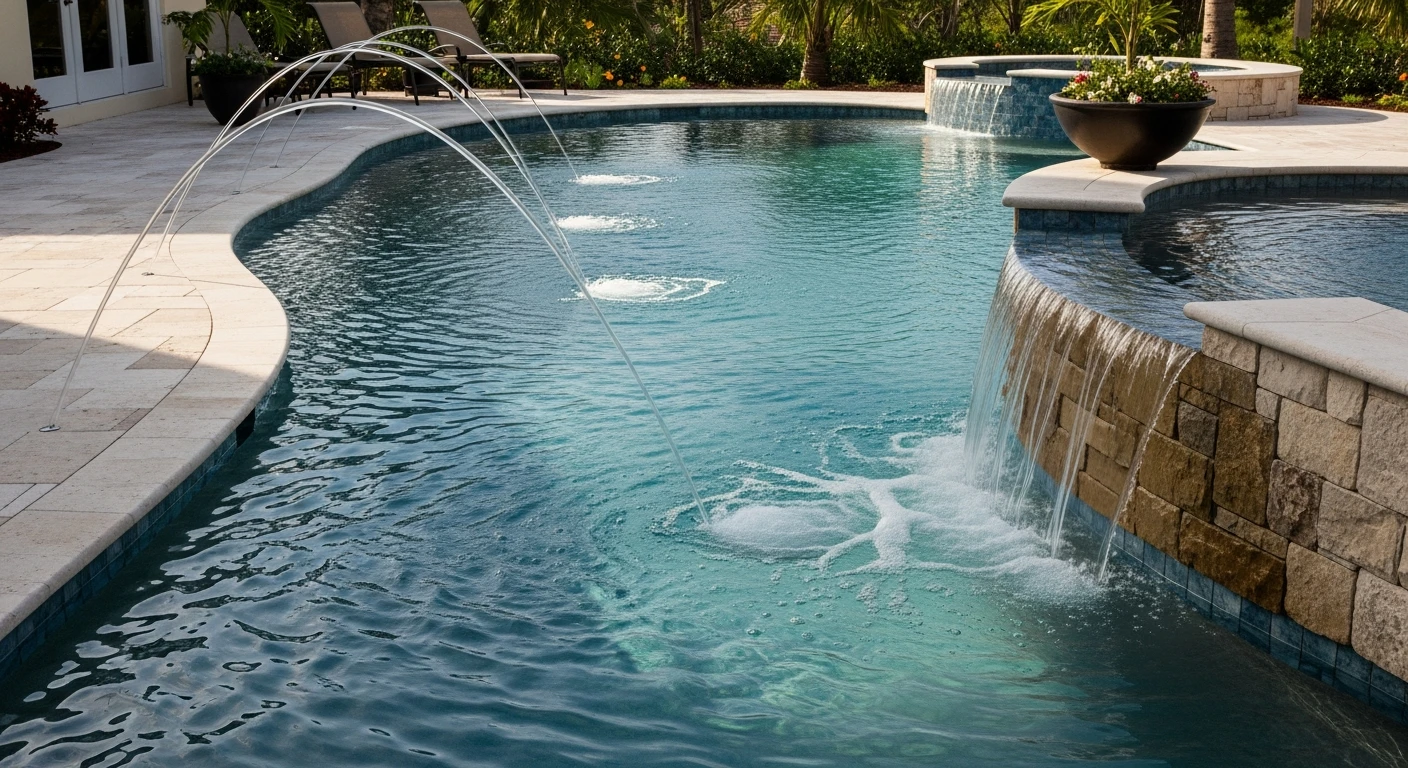
The most expensive failure is assuming your current pump and plumbing can handle a new feature. A client in an older home west of the Trail wanted an elaborate rock waterfall for their small pool. The contractor tied it into the main return line without calculating the added head pressure. The result? The flow to the skimmers and main drain was drastically reduced, creating dead spots where algae thrived. Their 1.5 HP single-speed pump, now overworked, failed in less than a year. The fix required a new variable-speed pump and replumbing part of the system, costing nearly 40% more than if it had been designed correctly from the start.
The Real-World Process for Adding Pool Features in Sarasota
Integrating a new feature is a multi-step process involving design, engineering, and regulatory compliance. It's not as simple as picking a design from a catalog. The process must be tailored to your specific property, pool, and the local requirements of Sarasota County.
First, we conduct a hydraulic audit of your existing system. Then, we move to design, material selection, and structural planning. Once a plan is approved, we handle the submission of engineered drawings to the Sarasota County Permitting office. Only after the permit is issued does any physical work, such as core drilling, plumbing, or masonry, begin. The final step is inspection and system commissioning.
Critical Selection Criteria for Sarasota Homeowners
- Verify Florida State Contractor's License: Ensure the contractor holds a valid Certified Pool/Spa Contractor license (CPC number). A handyman or landscaper cannot legally perform modifications to pool plumbing or structure.
- Demand a Plan for HOA Submission: Ask for specific drawings and material lists formatted for an HOA/ARC review. This is a standard process for any experienced contractor working in communities like Palmer Ranch.
- Review Material Specs for Salt and Sun: Request data sheets on any faux rock, sealer, or mortar. It must be explicitly rated for saltwater pool environments and high-UV exposure.
- Insist on a Separate Pump for Major Features: For any significant waterfall or deck jet system, a dedicated or properly sized variable-speed pump provides control and protects your main filtration circuit. This is a best practice, not a luxury.
Comparing Feature Additions to Other Pool Upgrades
Homeowners often weigh adding a water feature against other upgrades like a new heater or automation system. The decision depends on your primary goal: aesthetics, usability, or operational efficiency. Each has a different impact on your property value and daily experience.
| Upgrade Type | Primary Benefit | Typical Cost Range (Installed) | Impact on Operating Costs |
|---|---|---|---|
| Water Feature (e.g., Waterfall) | Aesthetics & Ambiance | $3,500 - $15,000+ | Moderate increase (pump energy, water evaporation, chemicals) |
| Pool Heater (Gas or Heat Pump) | Extended Swim Season | $4,500 - $8,000 | Significant increase (gas or electricity) |
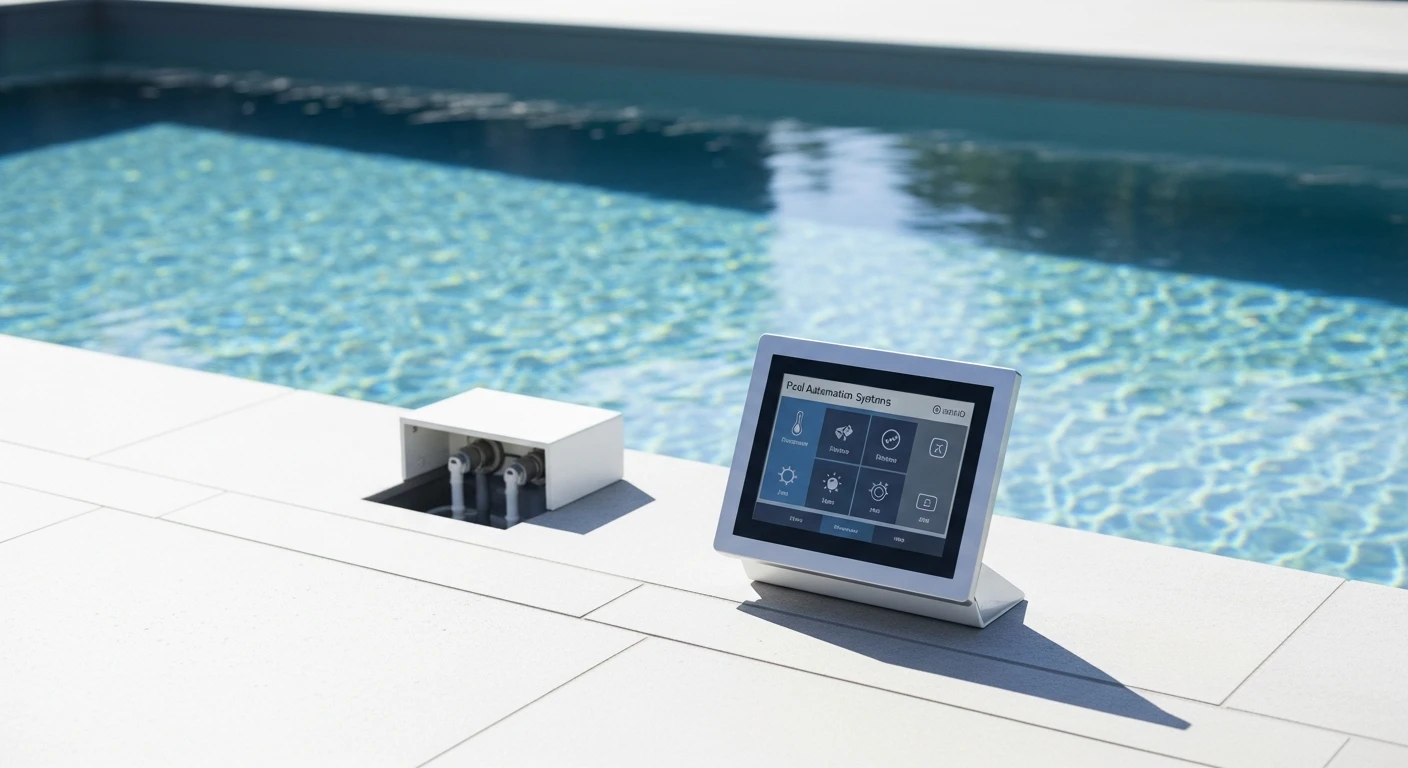
| Full Automation System | Convenience & Efficiency | $2,500 - $5,000 | Potential for savings (optimized pump schedules) |
When a Water Feature is Not the Right Choice
A water feature is a poor investment if your primary goal is reducing pool maintenance. While visually appealing, waterfalls and bubblers increase water aeration, which raises the pH and accelerates chlorine loss. This demands more frequent chemical testing and adjustment. If you're looking for a hands-off pool experience, investing in an automation system or a robotic cleaner will deliver a far better return on your investment and time.
Safe Hiring Checklist for Your Sarasota Pool Project
Choosing the right contractor is the most critical step. A low bid often hides unlicensed work, inadequate insurance, or a lack of understanding of local codes. This checklist is based on years of seeing projects go right—and wrong—in this specific market.
- Verify their CPC License on MyFloridaLicense.com: This is non-negotiable. The state database confirms their license is active and shows any public complaints.
- Request a Certificate of Insurance: They must have both General Liability and Workers' Compensation coverage. Ask for the certificate to be sent directly from their insurance agent.
- Confirm They Handle Permitting In-House: The licensed contractor should be the one pulling the permit from Sarasota County. If they ask you to pull an “owner-builder” permit, it is a major red flag.
- Ask for a Portfolio of Local Work: Request addresses of completed projects in areas like Siesta Key or Longboat Key, where work is subject to stricter coastal construction codes.
- Get a Detailed Scope of Work: The contract should specify all materials, pump models, plumbing sizes, and a clear payment schedule tied to project milestones, not arbitrary dates.
- Discuss Post-Installation Support: What happens if the feature causes a leak or doesn't perform as expected? A professional stands behind their work with a clear warranty on craftsmanship.
Decisions That Ultimately Determine the Outcome
The success of a feature addition hinges on a few key decisions made at the very beginning. These choices separate a seamless, enjoyable upgrade from a project plagued by technical issues and regret.
I worked with a client in a newer development who was deciding between a pre-fabricated waterfall kit and a custom-built grotto. While the kit was cheaper, the custom design allowed us to perfectly integrate the plumbing, hide the equipment, and use materials that matched their home's stone accents. They chose the custom route, and the result was a feature that looked like part of the original construction, adding significant perceived value, not just an aftermarket add-on.
The Moment Most Homeowners Get It Wrong
The critical mistake happens when homeowners treat a feature addition as a landscaping project instead of a hydraulic engineering project. They get quotes from landscape designers or pool service technicians who lack the specific license (CPC) to modify pool structures and circulation systems. The correct first call is always to a licensed pool builder or renovation specialist. This ensures that the first conversation is about how the feature will work with your pool, not just how it will look in your backyard.
Practical Answers for Operating in Sarasota
Navigating the local rules and logistics is essential for a smooth project. Here are the answers to the questions that matter most on the ground.
How does the Sarasota County permit process work for pool features?
Any addition that involves structural work, new electrical wiring, or modifies the pool's plumbing requires a permit. Your contractor submits engineered plans to the Sarasota County Planning and Development Services. The review process checks for compliance with the Florida Building Code, including setback requirements from property lines and electrical safety codes. A typical permit review for a minor addition can take 4-6 weeks, a timeline that must be factored into your project schedule.
What are common HOA restrictions in master-planned communities?
In communities governed by a Homeowners Association, their approval is separate from, and usually precedes, the county permit. HOAs in Sarasota often regulate the height of rock waterfalls (for sightlines), noise levels (to not disturb neighbors), and material palettes to maintain community aesthetic standards. Submitting a detailed plan with material samples is a mandatory first step and can add several weeks to the pre-construction phase.
Why is a Florida CPC license so critical for this work?
The State of Florida requires a Certified Pool/Spa Contractor (CPC) license for any work that alters the circulation system, structure, or electrical components of a swimming pool. This license ensures the contractor has proven knowledge of hydraulics, sanitation, and safety codes. Hiring an unlicensed individual not only risks a poor outcome but also voids your homeowner's insurance coverage for any damage caused and can result in fines from the county.