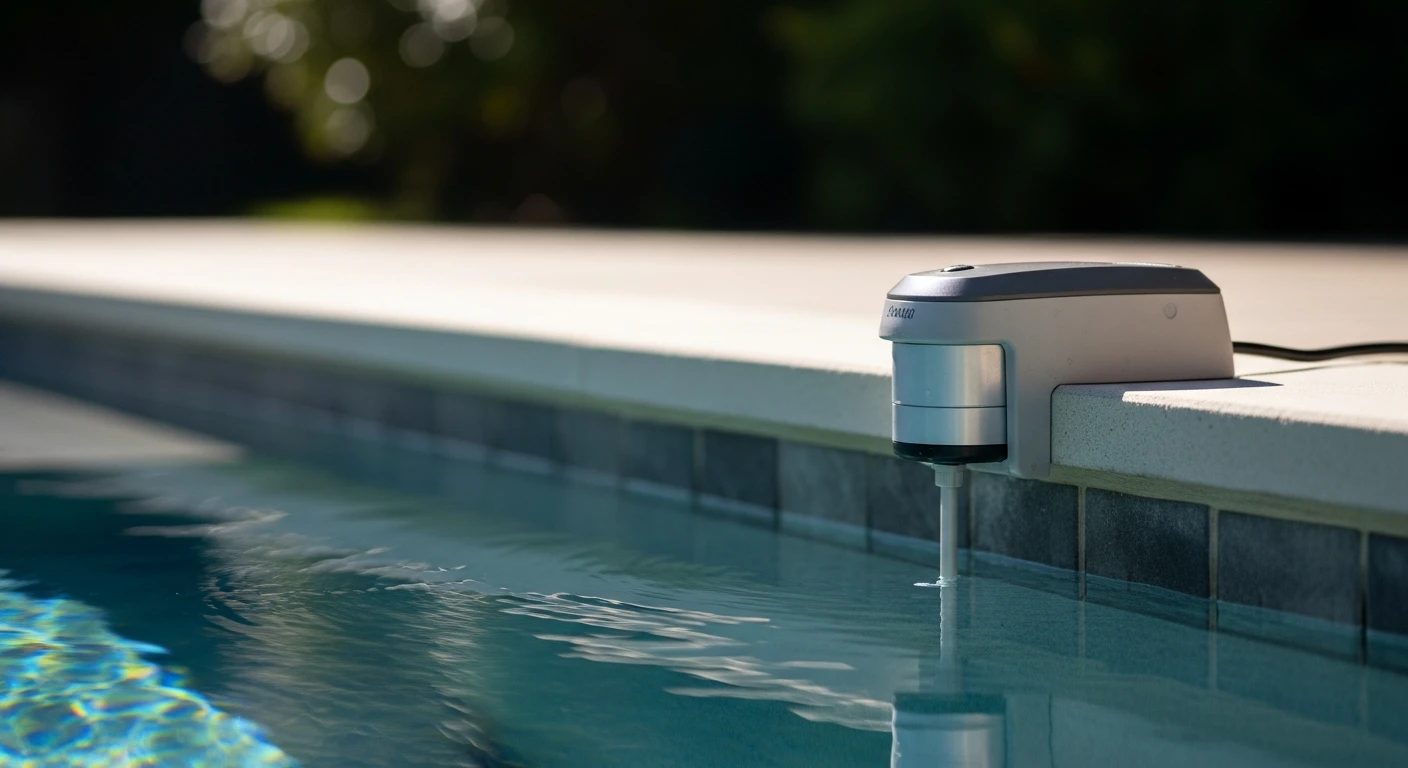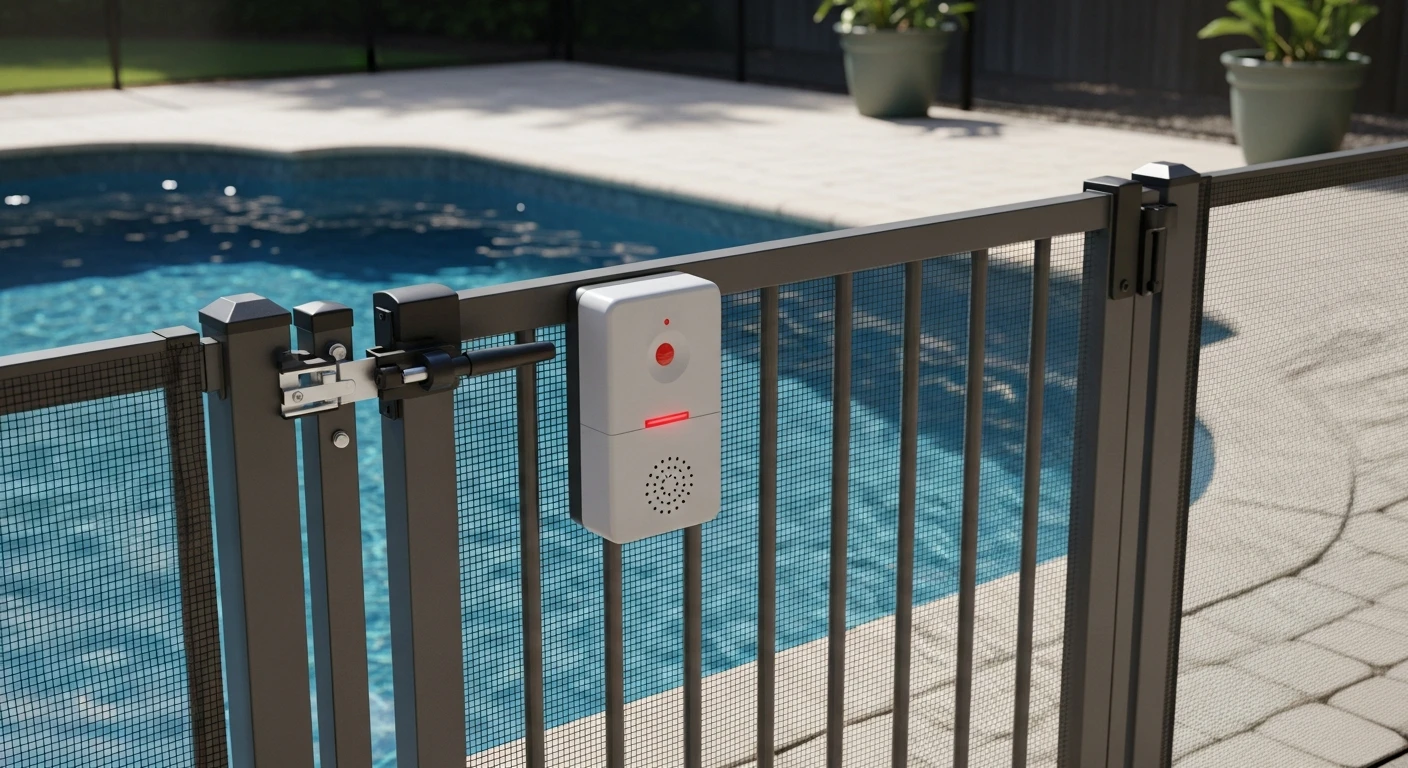
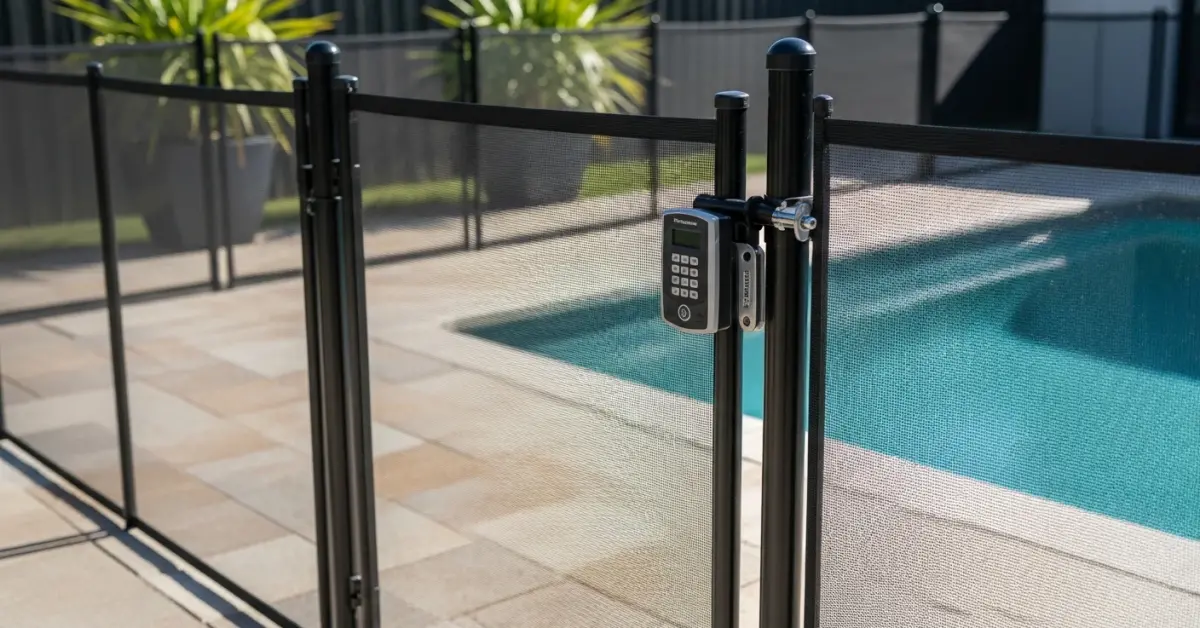
The most common failure point I see in Sarasota pool safety systems isn't the fence itself; it's the gate latch and the electronic alarm components. A homeowner in a waterfront community on Siesta Key called me out because their brand new, code-compliant pool gate alarm was giving constant false readings. The issue wasn't a defect; the high-salinity air had already started corroding the internal contacts of a standard, non-marine-grade sensor. This is the core challenge here: Florida's statewide safety code provides a baseline, but Sarasota's coastal environment demands a higher standard of material and installation to ensure that safety system actually works six months down the road.
Sarasota Pool Safety: Beyond the Basic Code Requirements
In my direct experience installing and repairing these systems from The Landings to Palmer Ranch, a compliant system on
In my direct experience installing and repairing these systems from The Landings to Palmer Ranch, a compliant system on paper and a reliable one in practice are two different things. The intense UV exposure degrades plastic alarm casings, and humidity can wreak havoc on non-sealed electronics. True safety in our climate comes from specifying materials and systems designed for marine environments, even if you're miles from the bay. It's about building for resilience, not just for passing the initial inspection.
- Local Code Focus: Florida's Residential Swimming Pool Safety Act (Chapter 515) is the foundation, but Sarasota County inspectors focus heavily on self-closing, self-latching gates and the operational status of alarms during final inspection.
- Material Degradation: Standard galvanized steel fence hardware will show rust within a year. Stainless steel or high-grade powder-coated aluminum are not upgrades here; they are necessities.
- Alarm Type Mismatches: Infrared beam (perimeter) alarms can be prone to false alarms from heavy rain or blowing palm fronds, a frequent issue during Sarasota's summer storm season.
- HOA Overlap: Homeowner Associations in communities like University Park often have stricter, more specific aesthetic rules for fence height, color, and style than the county code requires.
The Planning Failures That Compromise Pool Safety Systems
The biggest mistakes happen before any contractor is hired. Homeowners often focus on the fence style and the upfront cost, underestimating the impact of our local environment on the system's critical components. They choose a standard gate latch or a basic door alarm, only to find it failing or causing constant headaches within a single season.
The Most Expensive Failure: Ignoring Environmental Specifications
The costliest error I see is selecting alarms and hardware based on a national retailer's recommendation without considering our coastal conditions. A client in an east Sarasota neighborhood installed a beautiful aluminum fence but opted for the standard hardware kit. Within 18 months, the gate hinges had seized from corrosion and the latch failed to engage properly, rendering the self-closing mechanism useless and the pool non-compliant. The cost to replace all the hardware on every gate section far exceeded the initial savings.
The Installation Process in Practice for Sarasota County
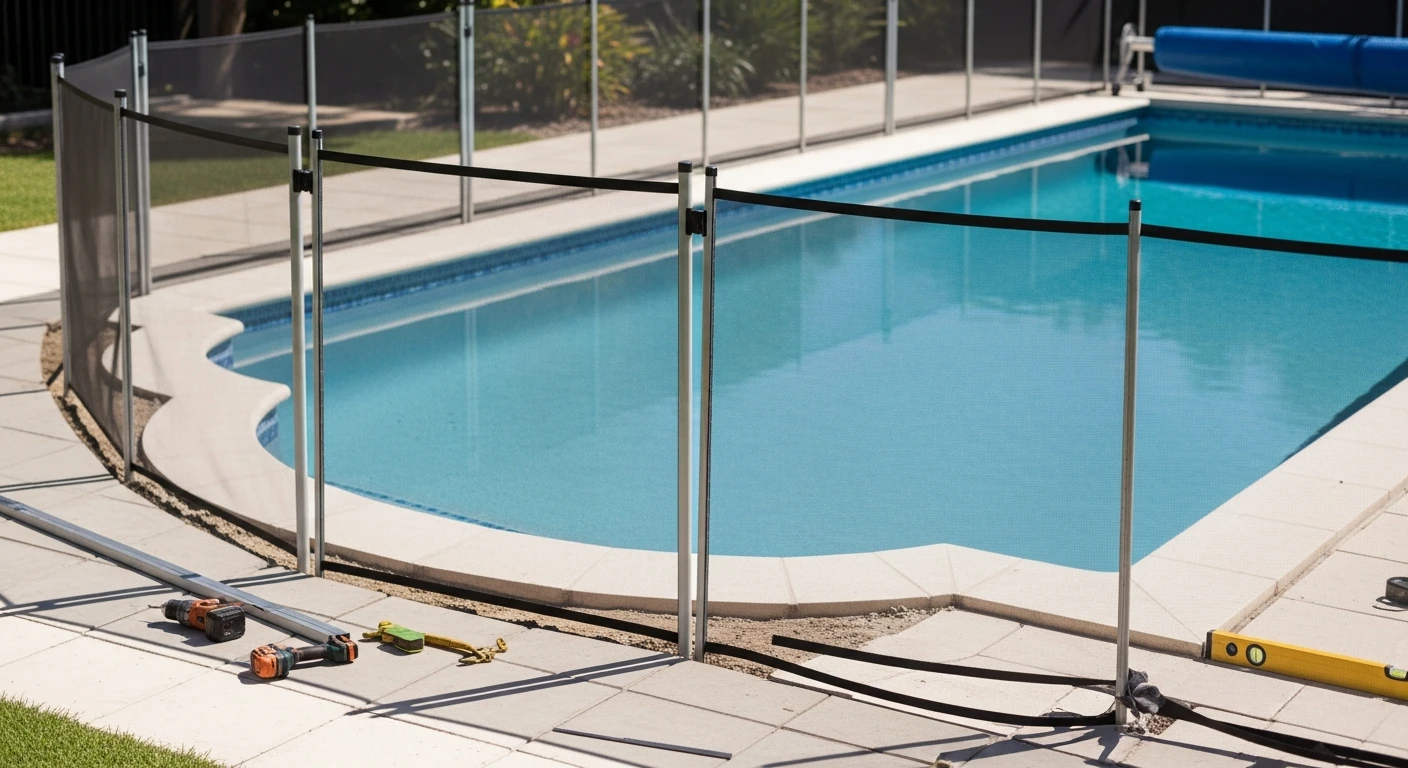
A proper fence and alarm installation follows a strict sequence dictated by local regulations and practical steps. It begins with a site assessment to determine layout and measure for materials, but the critical path involves navigating permits and, if applicable, HOA approvals before any work starts. Once approved, installation of fence posts is followed by panels, gates, and finally, the sensitive alarm electronics.
Key Selection Criteria for Sarasota Homeowners
- Verify Marine-Grade Electronics: For any pool gate alarm or door alarm leading to the pool, confirm it has an IP65 rating or higher for water and dust resistance. This is non-negotiable in our humid climate.
- Check HOA Architectural Guidelines First: Before getting quotes, obtain your HOA's specific written guidelines for pool fences. A contractor's proposal is useless if it gets rejected by your architectural review committee.
- Confirm Contractor's License and Insurance: Use the Florida Department of Business and Professional Regulation (DBPR) portal to verify your contractor holds a valid license. Ask for a Certificate of Insurance listing you as an additional insured.
- Demand Stainless Steel or Marine-Grade Hardware: Specify in the contract that all fasteners, hinges, and latches must be 316-grade stainless steel or a comparable corrosion-resistant material.
Comparing Pool Safety Options for a Sarasota Home
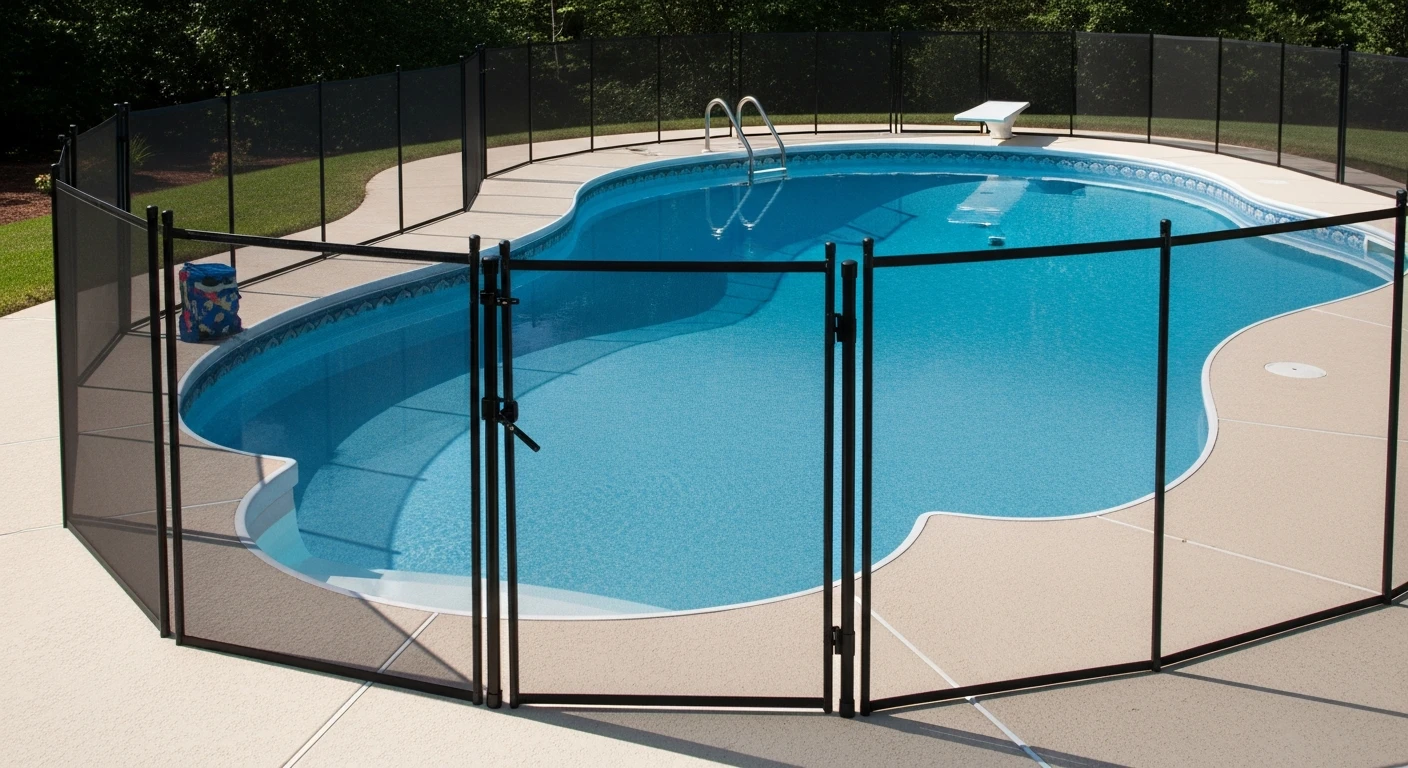
A permanent fence with gate alarms is the most common solution, but it's not the only one. Homeowners must choose one or more safety features to comply with Florida law. Understanding the trade-offs is crucial for making a decision that fits your lifestyle and property.
| Safety Method | Upfront Cost | Daily Convenience | Effectiveness |
|---|---|---|---|
| Permanent Fence & Gate Alarms | High | High (passive system) | Very High |
| Pool Safety Cover (Motorized) | Very High | Low (requires opening/closing) | Very High (when closed) |
| Door & Window Alarms Only | Low | Moderate (can be bypassed) | Moderate |
When a Full Fence Isn't the Right Choice
For homes with a lanai that fully encloses the pool, a full secondary fence around the water is often redundant and impractical. In these cases, focusing on high-quality alarms for every door and window leading into the lanai is the more logical and code-compliant approach. This satisfies the law by securing the home itself as the primary barrier, as long as no other access points to the pool exist.
Safe Hiring Checklist for Your Pool Project
Choosing the right installer in Sarasota's crowded market is critical. A cheap installation that fails inspection or corrodes in a year is no bargain. Use this checklist to vet potential contractors before signing any contract.
- Does the contractor have a current, verifiable Florida state license (e.g., a Certified Specialty Contractor license)?
- Can they provide proof of general liability and worker's compensation insurance specific to Florida?
- Does the written proposal explicitly list the material specifications for all hardware (e.g., "316 stainless steel hinges")?
- Will the contractor be the one pulling the permit from the Sarasota County Planning and Development Services, or are they asking you to do it? (They should handle it.)
- Does the contract include language about meeting all requirements for passing the final county inspection?
- Can they provide addresses of recent installations in coastal areas like Longboat Key or Casey Key that you can see from the street?
- Does their timeline account for potential HOA approval delays, which can take 30-60 days in some communities?
Decisions That Determine the Final Outcome
The success of your project hinges on a few key decisions made at the beginning. The first is prioritizing long-term material durability over short-term cost savings. The second is treating your HOA's architectural review as seriously as the county's permit office. A denial from the HOA can stop a project completely.
The Moment Most Homeowners Get It Wrong
The critical mistake often happens during the quote comparison phase. Homeowners will line up three bids and see one is 15% cheaper. They rarely ask *why*. The cheaper bid almost always uses inferior, non-stainless hardware and a lower-grade fence coating. I've been called to replace rusted latches on two-year-old fences where the homeowner chose the low bid. The guidance is simple: ask every contractor to itemize the hardware and alarm models in their quote. If one won't, discard their bid immediately.
Practical Answers About Operating in Sarasota
Navigating the local requirements is often the most confusing part of the process. Here are the realities of getting a pool safety system installed and approved in Sarasota County.
How does the Sarasota County permit process work?
Any new pool fence requires a permit from Sarasota County Planning and Development Services. The contractor submits plans showing the fence layout, height (minimum 48 inches), gate locations, and specifications for the self-closing/latching hardware. The county reviews the plan for compliance with the Florida Building Code and the Residential Swimming Pool Safety Act. A final inspection is mandatory after installation to ensure all components are working correctly before the permit is closed.
What are common HOA restrictions in the area?
In master-planned communities like Lakewood Ranch or The Founders Club, HOA restrictions are often more detailed than county code. They typically dictate fence color (black or bronze are common), style (no chain-link), and sometimes even the specific model of latch permitted. They may also have rules about fence placement relative to property lines or conservation easements. Approval from the HOA's Architectural Review Committee (ARC) is a required first step before a county permit can even be submitted.
How do state licensing laws impact my choice of installer?
Florida law requires that contractors installing pool safety fences be properly licensed. This typically falls under a specialty license category. Hiring an unlicensed handyman to install a fence is illegal and creates huge liability for you as the homeowner. If the installation fails inspection or, worse, fails in an emergency, your homeowner's insurance may deny a claim. Always verify a contractor's license status on the state's DBPR website before signing a contract.