In my years certifying pools in Sarasota, the critical misunderstanding I see is that homeowners believe a safety
In my years certifying pools in Sarasota, the critical misunderstanding I see is that homeowners believe a safety inspection is just about checking a list of equipment. In reality, it's about documenting compliance in a way that satisfies three distinct entities: the Sarasota County permitting office, your insurance underwriter, and potentially your HOA's architectural review board. The process fails when documentation doesn't align with the specific requirements of the Florida Residential Swimming Pool Safety Act as interpreted locally. A pool can be functionally safe but still fail inspection due to paperwork.
- The core of any inspection is compliance with Florida Statute Chapter 515, the “Preston de Ibern/McKenzie Merriam Residential Swimming Pool Safety Act.”
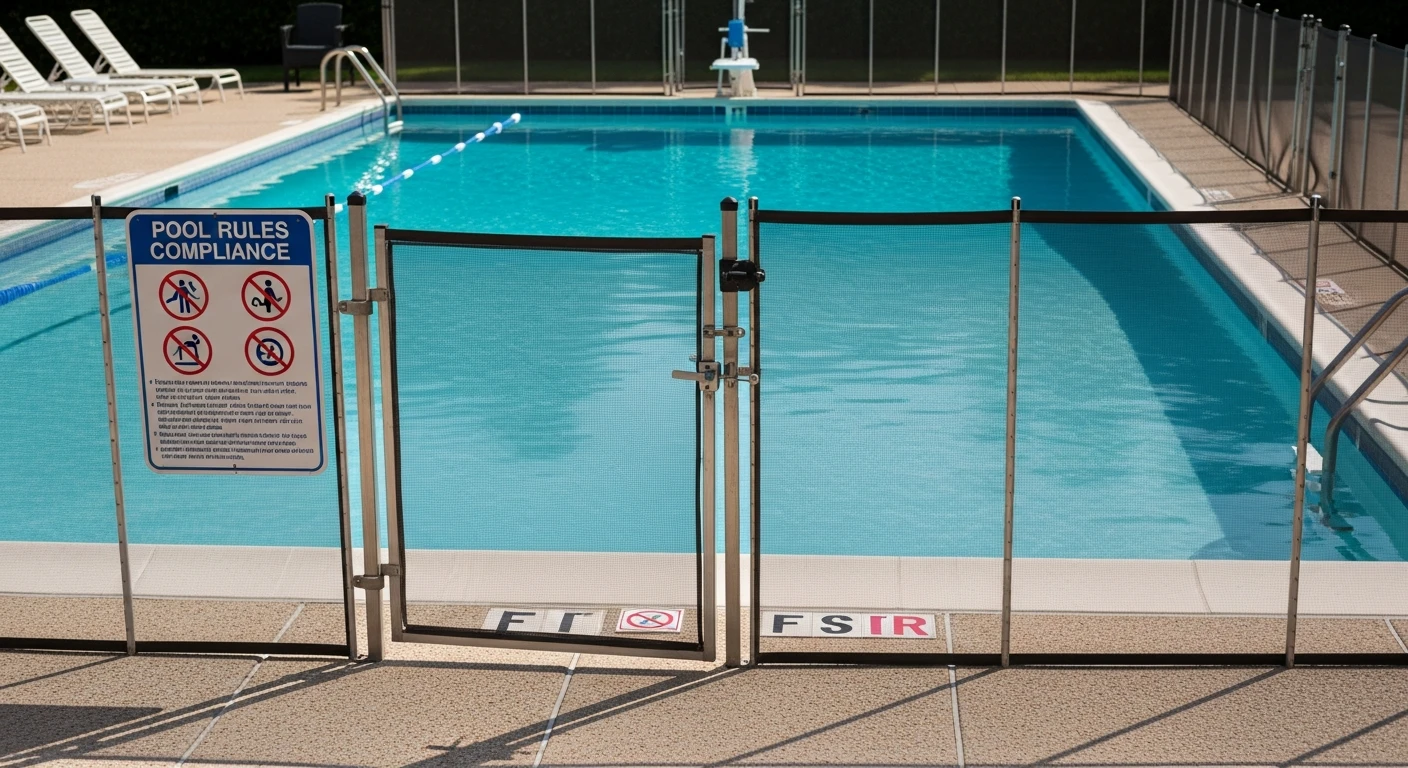
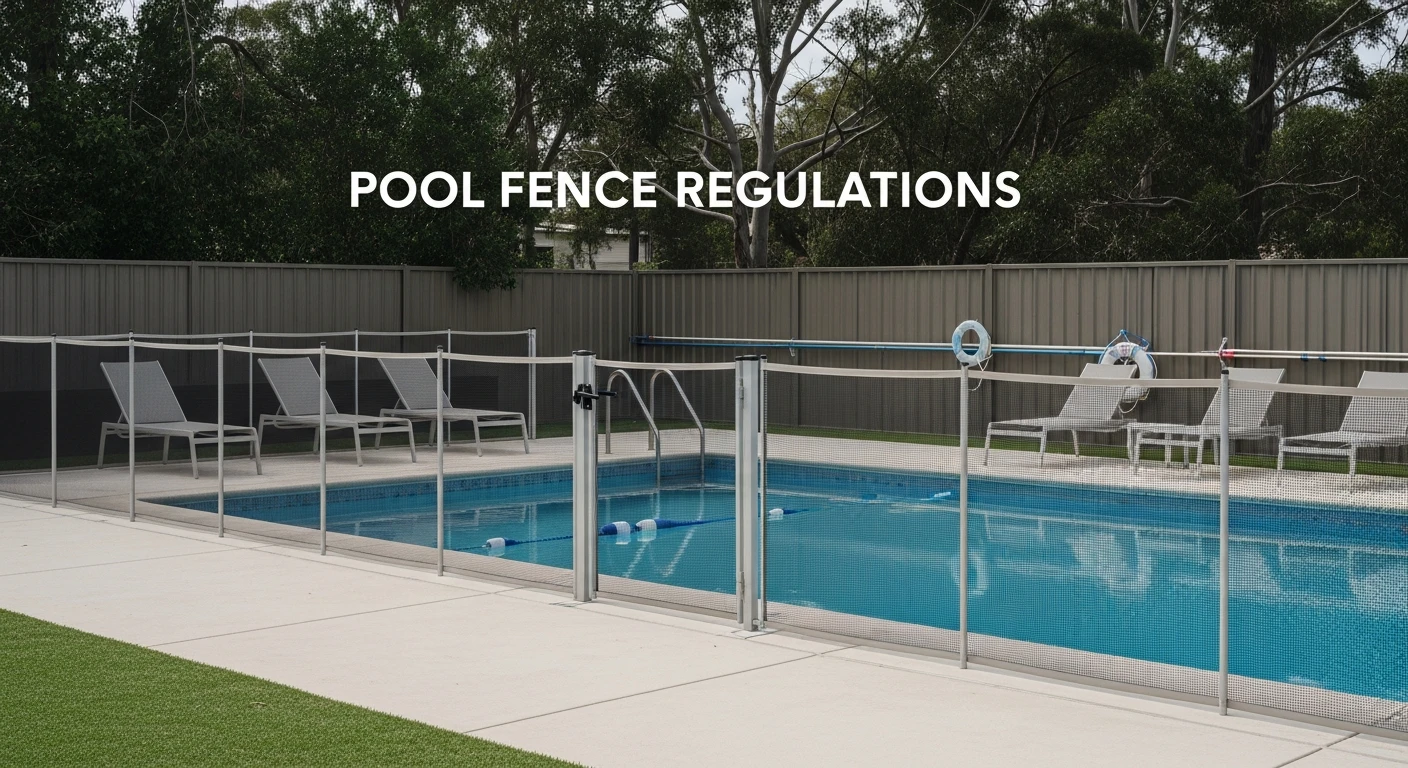
- Sarasota County requires specific barrier options, such as a fence of at least 4 feet, self-closing and self-latching gates, and approved pool covers.
- All commercial and public pools fall under the purview of the Florida Department of Health, which has even stricter inspection mandates than residential properties.
- For real estate transactions, a private, certified pool inspector's report is often required by lenders and insurers, separate from any municipal sign-off.
The Planning Failures That Sink Compliance Before an Inspector Arrives
The most costly mistakes in pool safety happen long before I get the call to inspect. Homeowners, often guided by handymen or unspecialized contractors, make modifications that seem minor but instantly violate state and local codes. The most common failure I see in Sarasota is the modification of pool access points after the original certificate of occupancy was issued.
This includes replacing a compliant self-latching gate with a standard one for convenience, removing sections of a pool fence to improve the view of a canal on Bird Key, or installing a doggy door that opens directly into the pool area. These changes invalidate the original safety certificate. When it comes time to sell the home or renew a high-value insurance policy, the non-compliance is flagged, forcing expensive and hurried retrofits.
The Most Expensive Failure: Ignoring Electrical Bonding
The single most expensive oversight is assuming the pool's electrical bonding is intact. Over time, especially in our salty air, the copper wire that connects all metal components (ladders, lights, pump casings) can corrode and break. A standard home inspector won't check this. A certified pool inspector will. I had a client in a Lakewood Ranch community whose home was built in the early 2000s. The bonding grid had completely disintegrated underground. The cost to fix it involved cutting the concrete deck, trenching the yard, and re-bonding every component. The repair cost over $5,000—a shock that could have been identified years earlier with a proper safety audit.
How the Certification Process Works in Practice
Securing a pool safety certification in Sarasota is a multi-step process, not a single event. It begins with understanding which type of certification you need. For new construction or a major remodel, you'll be dealing directly with Sarasota County building inspectors to close out your permit. For insurance or real estate purposes, you’ll hire a private, state-licensed professional—a certified pool inspector.
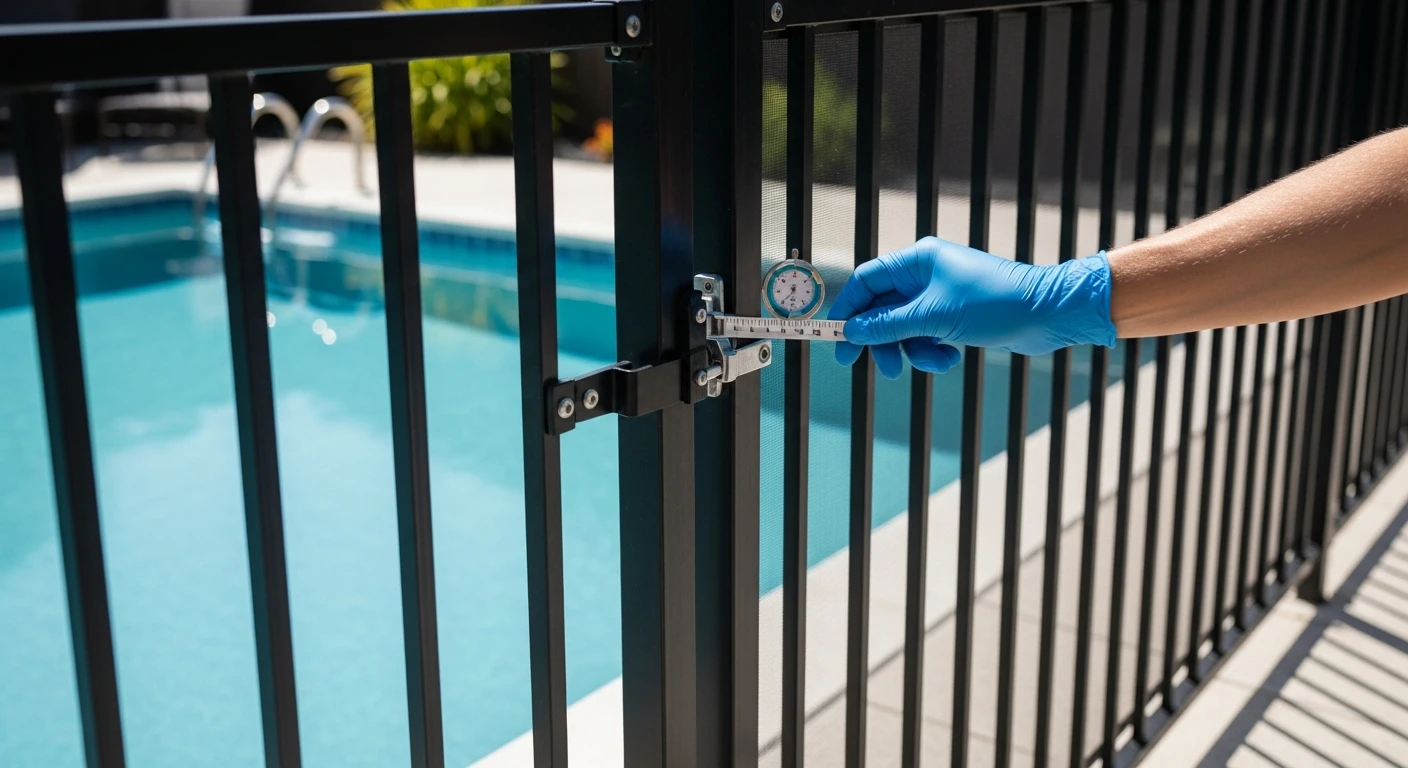
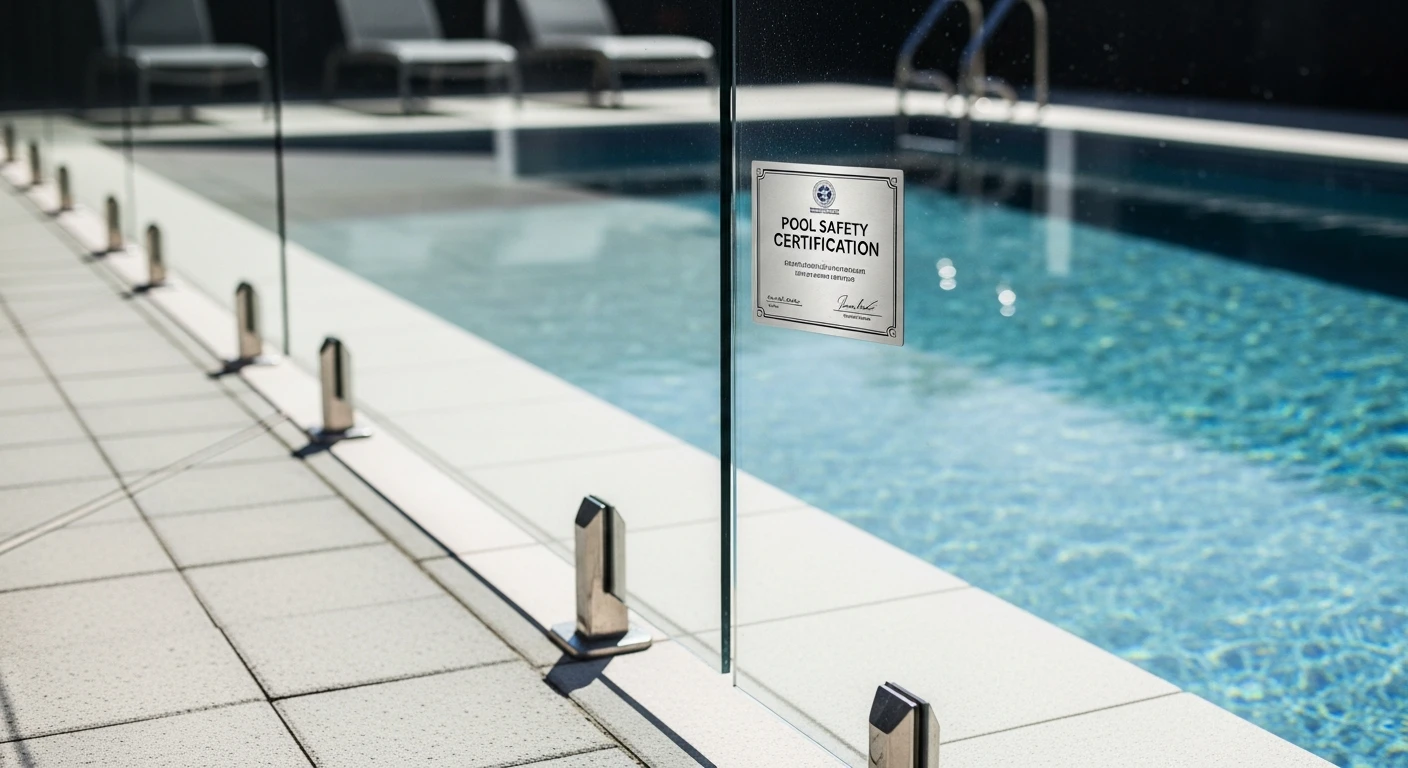
The inspector evaluates the pool against the standards of the Florida Building Code and the Pool Safety Act. This means measuring fence heights, testing gate latches, checking door alarms leading to the pool, and verifying the presence of anti-entrapment drain covers (VGB Act compliance). After the physical inspection, the pool certifier issues a formal report, often with photographic evidence, that serves as your proof of compliance.
Selection Criteria for a Sarasota Homeowner
- Verify their Florida License: Ask for their CPO (Certified Pool Operator) certification or state contractor license (CPC). A general handyman is not qualified to issue a formal safety certification.
- Ask About Their Experience with Sarasota County Permitting: A good inspector understands the nuances that local officials look for, which can differ slightly from neighboring Manatee County.
- Inquire About Their Insurance: They must carry professional liability insurance (Errors & Omissions). This protects you if they miss a critical safety issue that later causes a problem.
- Request a Sample Report: A professional report is detailed, includes code references, and provides clear photos. A one-page checklist is a red flag.
Comparing a Formal Inspection to Other Approaches
Homeowners often weigh the cost of a formal inspection against seemingly cheaper alternatives. However, these options serve different purposes and carry vastly different levels of liability and authority. Understanding the distinction is key to making a sound financial and safety decision.
| Indicator | Certified Safety Inspection | Regular Pool Service Tech Check | DIY Checklist |
|---|---|---|---|
| Liability Protection | High (backed by license and insurance) | None (not their area of liability) | None (all liability on homeowner) |
| Authority for Insurance/Legal | Accepted by insurers and for real estate | Not accepted | Not accepted |
| Cost | $250 - $500 typical range | Included in service fee (superficial check) | Free |
| Scope of Assessment | Comprehensive: code, barriers, electrical | Primarily water chemistry and equipment function | Limited by homeowner knowledge |
When a Formal Inspection Might Be Overkill
A formal, documented certification isn't always necessary. If you are not selling your home, not required by your insurer to provide proof of compliance, and are simply a diligent homeowner wanting peace of mind, a thorough review with your trusted weekly pool service professional might suffice. As long as you understand this is an informal assessment and carries no legal or insurance weight, it can be a practical way to spot obvious issues like a broken gate latch or a cloudy light lens before they become bigger problems.
A Safe Hiring Checklist for Your Pool Inspector
Hiring the right professional is the most critical step. In Florida's market, titles can be confusing, and not everyone who calls themselves an inspector is qualified to issue a certification that will be accepted by official entities. Use this checklist to protect yourself.
- Confirm they hold a valid Florida Certified Pool Contractor (CPC) license or are a Certified Pool Inspector (CPO) with a specific credential for inspections. You can verify licenses on the Florida Department of Business and Professional Regulation (DBPR) website.
- Ask if they are familiar with the specific requirements for properties in designated flood zones or coastal construction areas in Sarasota, as these can trigger additional structural and electrical requirements.
- Verify they use a multi-point inspection form that explicitly references the Florida Residential Swimming Pool Safety Act (Chapter 515).
- Ensure the final report will include photographic documentation of all required safety features and any identified deficiencies.
- Discuss their process for re-inspection after any required repairs are made. Some inspectors include a follow-up visit in their initial fee, while others charge separately.
- Ask for proof of both General Liability and Errors & Omissions insurance. This is non-negotiable.
- Clarify that they are an independent inspector, not a sales arm for a repair company. While they can recommend fixes, their primary role is assessment, not upselling.
The Decisions That Truly Determine the Outcome
The success of a pool safety inspection is determined by the homeowner's mindset. I've seen clients who view the inspection as an adversarial process to be “passed,” often by using temporary, barely-compliant fixes. This approach almost always backfires. The clients who have the smoothest experience see the inspection as a collaborative tool to genuinely improve safety and protect their investment.
The most important decision you can make is to be transparent with the inspector. Point out areas you're concerned about. If you know a gate has been sticking or an alarm has been malfunctioning, tell them. This allows us to diagnose the root cause and recommend a permanent, code-compliant solution, rather than just documenting a failure. A good inspector is a consultant, not just a judge.
The Moment Most Homeowners Get It Wrong
The critical mistake happens when a homeowner receives the inspection report and immediately calls the cheapest handyman to fix the listed deficiencies. The correct first call is back to the inspector to discuss the recommended solutions. A qualified inspector can explain *why* something failed and what a proper, compliant repair looks like. A handyman might fix a gate so it latches, but an inspector will ensure it's fixed to be self-closing and self-latching with a mechanism that opens away from the pool, as per code. This small difference in approach is what separates a pool that is truly safe from one that just passes a visual check.
Practical Answers for Operating in Sarasota
Navigating the local bureaucracy is often the most frustrating part of ensuring pool safety. The rules are specific, and a misunderstanding can lead to project delays and failed inspections.
How Does Sarasota County Handle Pool Permit Inspections?
When you pull a permit for a new pool or a significant renovation (like a resurface or equipment replacement), Sarasota County requires a series of inspections. The final inspection is the “Pool Final,” which includes a safety barrier and electrical bonding check. An inspector from the county's Building Department will conduct this review. You must have all safety features (fences, gates, alarms) installed and operational *before* scheduling this final inspection. It is an automatic failure if they are not in place.
What Are Common HOA Requirements in Sarasota?
In communities like Palmer Ranch, The Founders Club, or University Park, HOAs have their own architectural review committees. While they cannot override state safety law, they can impose stricter aesthetic rules. For example, they may dictate the style and color of the required pool safety fence. Before installing or replacing a fence, you must submit your plan to the HOA for approval. Failure to do so can result in fines and a demand to remove the non-compliant fence, even if it meets state safety code.
How Does Florida Law Affect Who Can Inspect My Pool?
Florida law is very clear on this. While a Certified Pool Operator (CPO) can manage pool chemistry and maintenance, a more comprehensive inspection for real estate or legal purposes should be done by someone with a higher-level license, typically a state-licensed Pool Contractor (CPC). These professionals have been tested on construction and code compliance, not just water safety. When you search for a pool safety inspector near me, always prioritize those who list their Florida license number prominently.