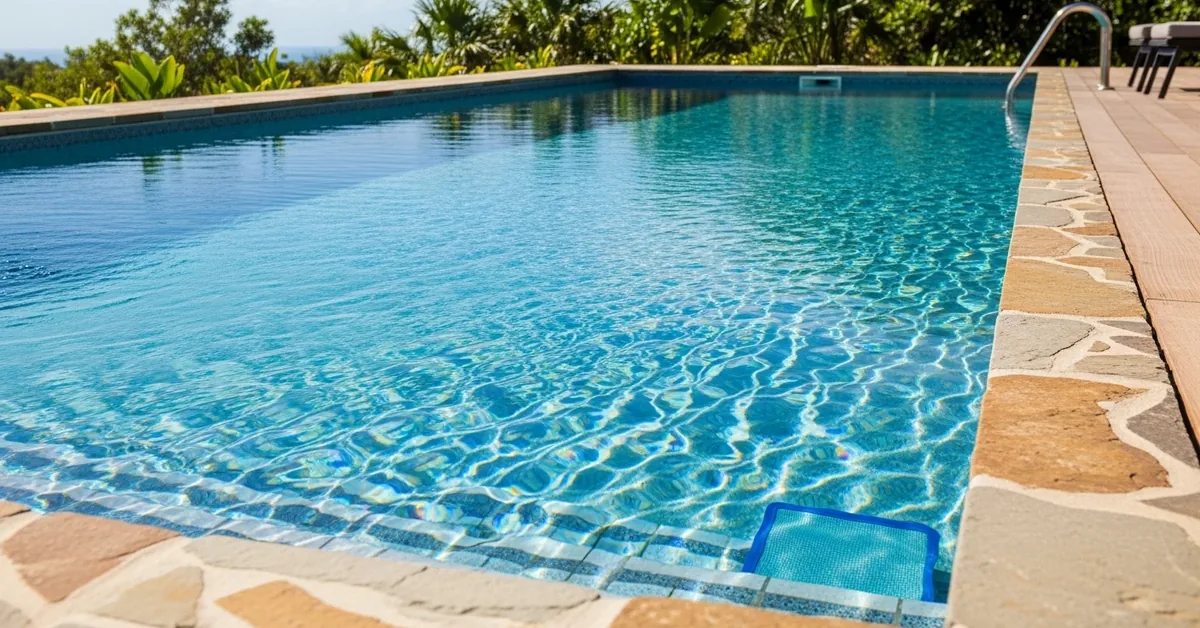
Saltwater Pools in Sarasota FL
That story about a homeowner's pool turning green overnight after converting to salt? It's not a myth, and I see it happen every summer here in Sarasota. The problem wasn't the salt system itself. The failure began with the assumption that a saltwater pool is a “chemical-free” or “maintenance-free” solution, a dangerous misconception in Florida’s punishing climate. The real story is about chemistry, not just technology.
From my direct experience installing and servicing hundreds of salt systems from The Landings to Lakewood Ranch, a
From my direct experience installing and servicing hundreds of salt systems from The Landings to Lakewood Ranch, a successful saltwater pool in Sarasota hinges on anticipating our environment, not just reacting to it. The high UV exposure, intense summer downpours, and year-round usage demand a more robust approach than what works in other parts of the country. It’s less about the brand of the salt chlorinator and more about sizing it correctly and managing the water chemistry that supports it.
- System Sizing: A salt cell should be rated for at least 1.5 to 2 times your actual pool volume to handle Sarasota's heat and bather load without running at 100% capacity.
- Stabilizer is Non-Negotiable: Cyanuric acid (CYA) levels must be diligently maintained between 60-80 ppm to protect the chlorine generated from the sun. Without it, the system can't keep up.
- Salinity and Rain: A single heavy summer storm can dilute salinity enough to shut down a salt cell. Post-rain testing is critical.
- Phosphate Management: High phosphate levels, common in our area from lawn fertilizers, are food for algae and will overwhelm even the best salt water pool system.
Planning Failures That Undermine a Saltwater Conversion
The most common mistake I see is focusing entirely on the upfront cost of the salt chlorine generator while ignoring the existing condition of the pool. Homeowners often believe the new system will solve old problems, but it usually magnifies them. A salt system is a chlorine factory, not a magic wand for a poorly balanced or equipped pool.
For example, if your pool already struggles with algae after a heavy rain, a salt system won't fix it. The underlying issue is likely low stabilizer, high phosphates, or poor circulation—problems the new equipment can't solve on its own. Switching to a saltwater system on a pool with unresolved chemistry issues is the single biggest predictor of failure.
The True Cost of Undersizing Your System
I worked with a client in a Palmer Ranch community who chose a salt system rated for exactly his pool's volume (20,000 gallons) to save about $400 on the initial installation. During the first summer, the system had to run nearly 24/7 at 100% output to keep up with the chlorine demand. The salt cell, designed for a 3-5 year lifespan, was completely exhausted in less than 18 months. The cost of the premature replacement far exceeded the initial savings, not to mention the summer-long struggle with cloudy water.
The Conversion Process in Sarasota: What to Expect
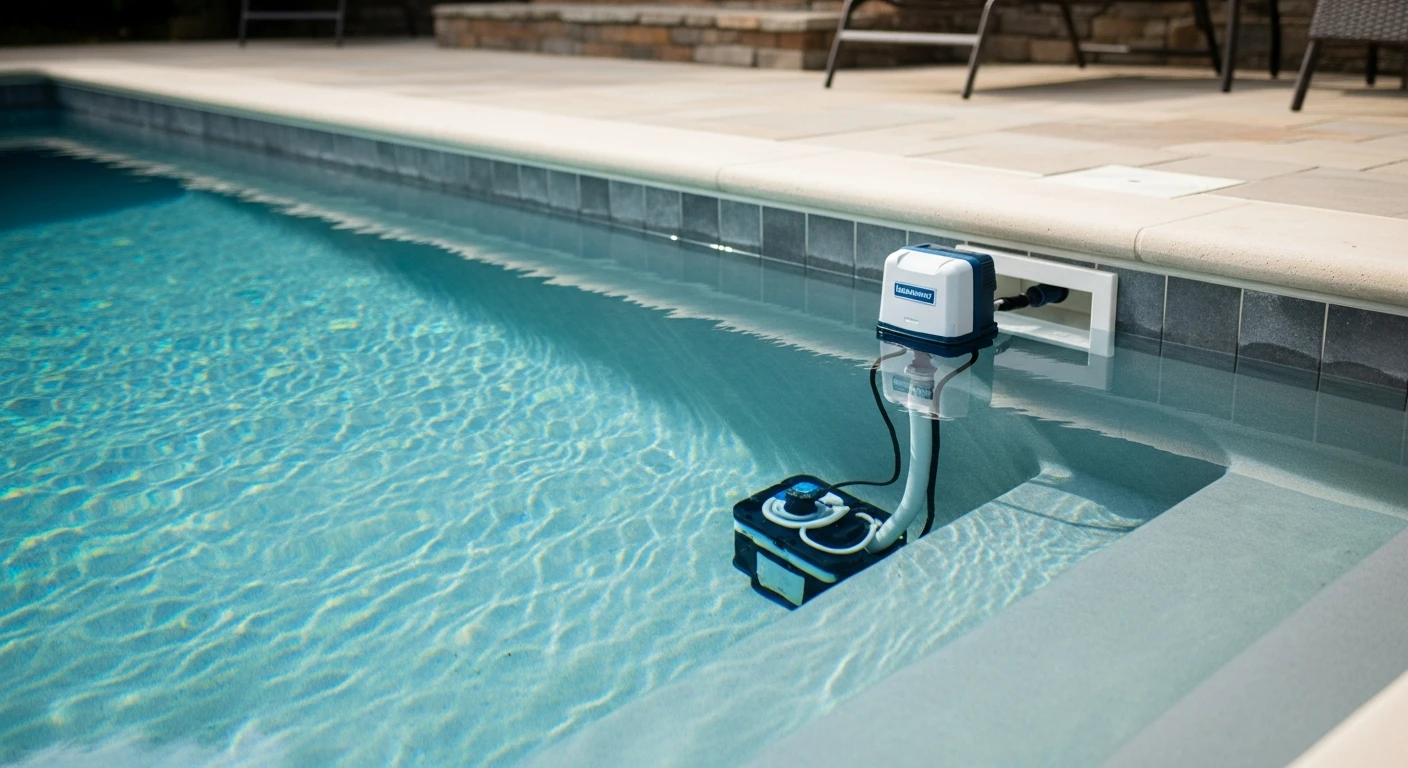
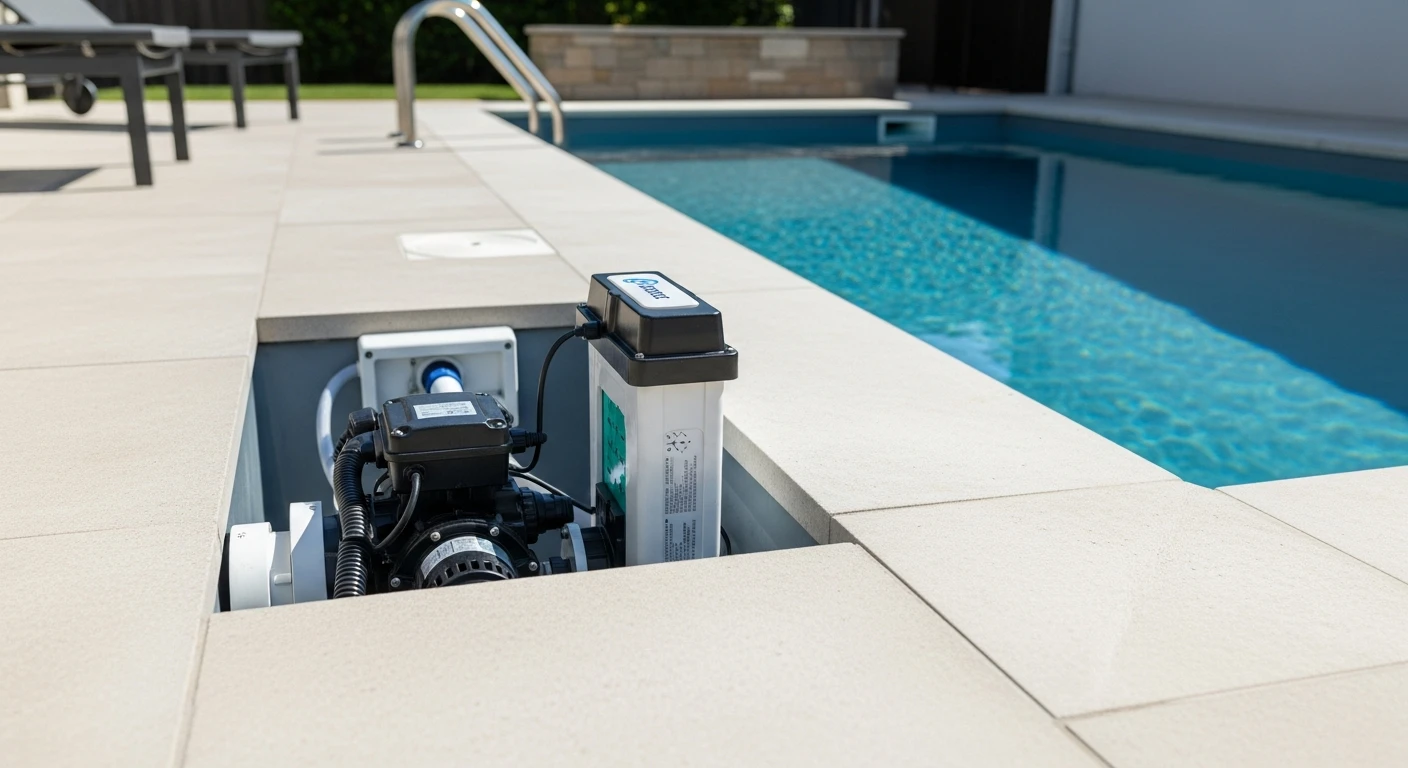
Switching to a saltwater system is a straightforward electrical and plumbing job, but it requires a licensed professional. The process involves cutting into the PVC return line after the filter and heater to install the salt cell, and wiring the control unit into the pool's automation panel or timer. In Florida, any work involving both plumbing and electrical connections to the pool pump system legally requires a licensed pool contractor (a CPC license number is a must).
The entire physical installation typically takes a few hours. The real work is in the chemical conversion. We add bags of pure, granulated pool salt directly to the pool—typically several hundred pounds—and let it dissolve over 24 hours while the pump circulates. Only after the target salinity (usually 3,000-3,500 ppm) is confirmed can the new system be activated.
Key Selection Criteria for a Sarasota Pool
- Cell Size vs. Pool Volume: Never buy a system rated for your exact pool size. For a 25,000-gallon pool in Sarasota, a system rated for 40,000 gallons is appropriate.
- Self-Cleaning Feature (Reverse Polarity): Given Sarasota's hard water, calcium scaling on the cell plates is a major issue. A reverse-polarity feature is essential to minimize manual cell cleaning.
- Compatibility with Existing Automation: Ensure the new salt system can integrate with your existing Jandy, Pentair, or Hayward automation. If not, you'll be managing two separate control panels.
- Warranty and Local Support: Choose a brand with strong local distributor support for warranty claims. Waiting weeks for a replacement part during a July heatwave is not an option here.
Comparing Saltwater to Traditional Chlorine and UV/Ozone
Many homeowners are drawn to salt for the softer water feel and avoidance of handling liquid chlorine. However, it's crucial to understand it is still a chlorine pool. The salt system simply manufactures chlorine on-site. The upfront investment is higher, but the long-term cost of chlorine is lower.
| Indicator | Saltwater System | Traditional Chlorine (Tabs/Liquid) | UV/Ozone System |
|---|---|---|---|
| Upfront Cost | $1,500 - $2,500 | Minimal (feeder cost) | $1,800 - $3,000+ |
| Annual Chemical Cost | Low (salt, acid, stabilizer) | High (chlorine tabs/liquid) | Moderate (requires residual sanitizer) |
| Maintenance Demand | Moderate (cell cleaning, balancing pH) | High (daily/weekly dosing) | Low (bulb replacement every 1-2 years) |
| Feel of Water | Silky, soft | Can be harsh, strong odor | Excellent, minimal chemicals |
When a Salt System Isn't the Right Choice
A salt system may not be the best pool salt system for every situation. If you have extensive, expensive natural stone coping (like travertine or flagstone) that is not properly sealed, the splash-out from a saltwater pool can accelerate erosion over time. While the corrosion risk to modern pool equipment is often overstated, porous stone is genuinely vulnerable if not maintained with a high-quality sealer.
Safe Hiring Checklist for Your Salt System Installation
Choosing the right installer is more important than choosing the brand of the system. A great system installed poorly will fail. A good system installed by an expert will perform reliably for years. Here’s what I tell my neighbors in Sarasota to verify.
- Verify the Contractor's License: Check their Certified Pool Contractor (CPC) license on the Florida Department of Business and Professional Regulation (DBPR) website. A simple “pool cleaning” registration is not sufficient for this type of installation.
- Ask About System Sizing Philosophy: A reputable professional will recommend oversizing the unit for our climate. If they suggest a unit rated for your exact pool volume, it's a red flag.
- Request Proof of Insurance: They must carry both General Liability and Worker's Compensation insurance. Ask for the certificate.
- Discuss Post-Installation Support: What happens after the check is cashed? A good contractor will include a follow-up visit to test the water, fine-tune the system's output, and teach you how to operate it.
- Inquire About Phosphate and CYA Management: Before they even talk about equipment, the conversation should start with testing your water for cyanuric acid and phosphates. This shows they understand the foundational chemistry needed for success.
Decisions That Determine the Outcome
The success of a saltwater pool conversion is decided before any equipment is purchased. The first, most critical decision is to commit to understanding that a salt pool is not a hands-off pool. It simply changes the nature of the maintenance. You trade the task of adding chlorine for the tasks of managing pH, monitoring salinity, and cleaning the cell.
The second decision is budgeting for more than just the salt chlorinator. You must also budget for the initial salt load (which can be 400-600 lbs), any necessary phosphate removal treatments, and potentially increasing your cyanuric acid levels. Factoring these into the initial cost prevents surprises and sets the system up for success from day one.
The Moment Most Homeowners Get It Wrong
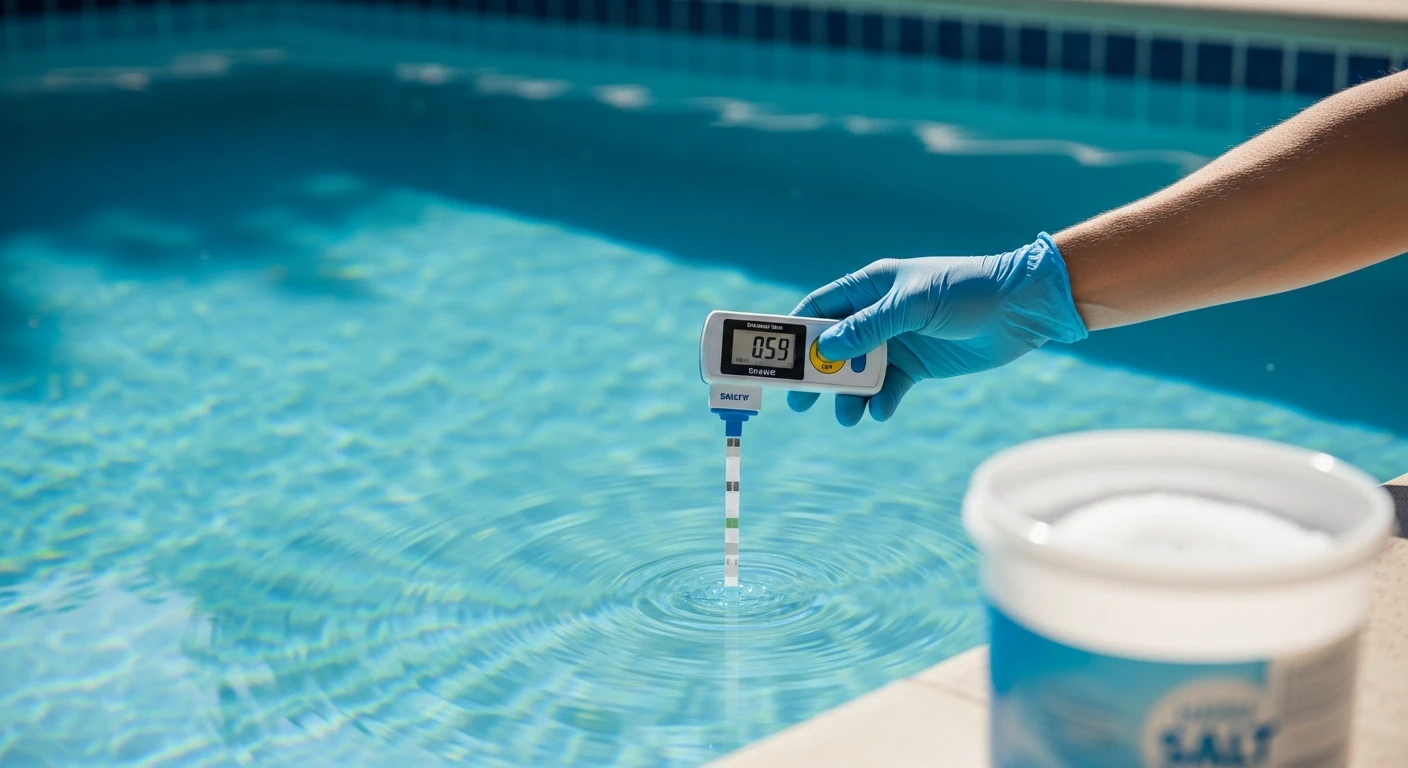
The critical mistake happens when homeowners treat the digital salinity reading on their new control panel as gospel. These sensors can and do lose calibration, especially in our hard water. They might read 3200 ppm when the actual level has dropped to 2800 ppm after a week of rain. The correct approach is to independently verify salinity with a digital salt tester or test strips at least once a month. Trusting the onboard sensor without verification is how cells get damaged and pools turn cloudy.
Practical Answers About Operating in Sarasota
Do I Need a Permit to Install a Salt System?
In Sarasota County, replacing or adding a salt chlorine generator to an existing pool typically does not require a standalone permit, as it's considered minor repair or replacement of equipment. However, if the installation is part of a larger renovation that includes significant electrical or plumbing work, a permit would be required for the overall project. Always confirm with your contractor, as they are responsible for adhering to the Florida Building Code.
How Do HOAs in Communities like University Park View Salt Systems?
Most Homeowners Associations in Sarasota, from Lakewood Ranch to gated communities on Siesta Key, are concerned with aesthetics and noise, not the type of sanitization system. The salt cell and control panel are compact and installed with the existing equipment pad, so they are not visible. The conversion does not alter the pool's appearance. I have never encountered an HOA that prohibited switching to a saltwater system, as long as the work is done by a licensed contractor and the equipment is professionally installed.
Managing Saltwater Chemistry During Sarasota's Rainy Season
The rainy season (June-September) is the ultimate test for a saltwater pool. Heavy, daily downpours dilute the water, causing salinity and stabilizer levels to drop. When salinity falls below the system's minimum threshold (around 2500 ppm), the cell stops producing chlorine. I advise clients to keep a few extra bags of salt on hand and check levels after any significant rainfall event. Using a rain overflow drain is also crucial to prevent the pool from overfilling and washing away even more of your balanced water.