From my direct experience installing and servicing advanced sanitation systems in Sarasota, the primary driver for
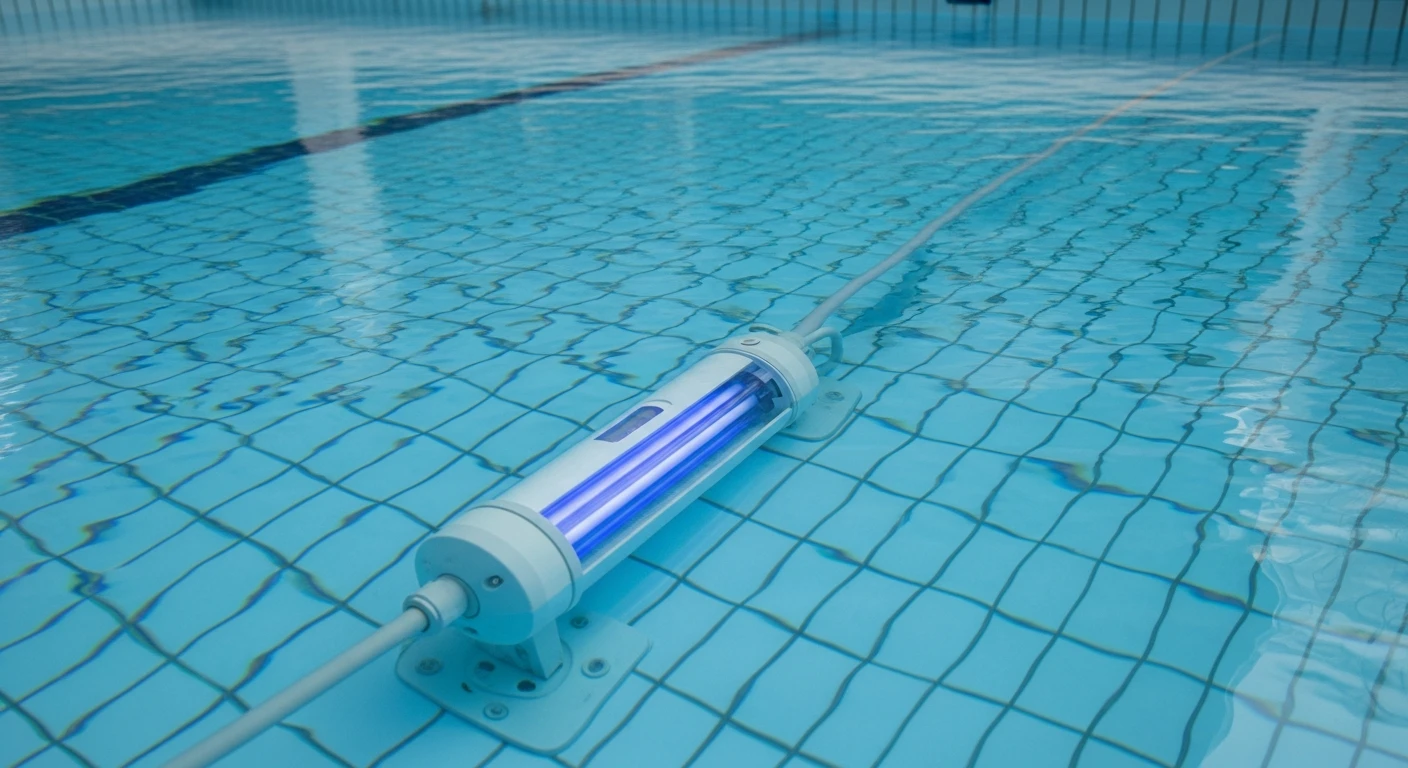
From my direct experience installing and servicing advanced sanitation systems in Sarasota, the primary driver for homeowners adopting UV and ozonation is not cost savings, but a desire for superior water quality with significantly less chemical irritation. These systems act as a powerful one-two punch: ozone oxidizes contaminants on contact, and UV light neutralizes any remaining bacteria and viruses. The result in our humid, high-sun environment is water that feels softer, smells cleaner, and is far gentler on skin and eyes. The key is understanding they are supplemental systems, not chlorine replacements.
- They destroy chlorine-resistant pathogens like Cryptosporidium.
- Ozone drastically reduces the formation of irritating chloramines.
- A properly sized UV system can lower free chlorine demand by 50-80%.
- The operational cost is minimal, typically adding $10-$20 per month to an electric bill for a standard residential pool.
The Critical Mismatch: System Sizing vs. Sarasota's Reality
The most common failure I see is an undersized system. A contractor or homeowner might choose a unit based on the pool's gallonage alone, completely ignoring the environmental load specific to Sarasota. Our intense sun, frequent warm rains, and high pollen counts create a massive demand for sanitation that a system rated for a temperate climate simply cannot handle.
The Cost of Undersizing an Ultraviolet Pool System
I was called to a home in The Landings where the owner had a new UV system installed but was still fighting cloudy water and algae blooms. The unit was technically rated for their 20,000-gallon pool, but it was a low-flow model. During our summer downpours, the turnover rate was insufficient to expose all the water to the UV lamp effectively. The system couldn't keep up with the rate of new contaminant introduction. They ended up having to shock the pool constantly, defeating the entire purpose of the investment. We had to replace it with a high-flow unit, an expensive lesson in prioritizing local conditions over the manufacturer's base specifications.
How Installation Actually Works in Sarasota County
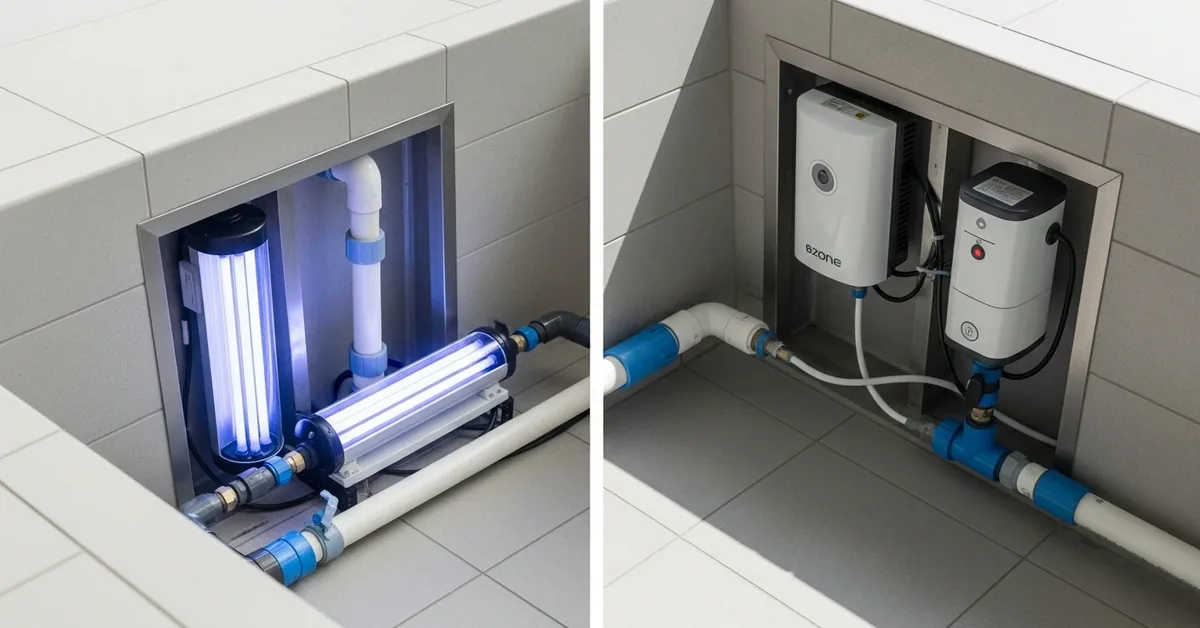
Installing a UV or ozone system is not just a simple plumbing job; it's an integration that requires electrical work and a deep understanding of hydraulic flow. The process involves cutting into the return line after the filter and heater, installing the unit, and wiring it to the main pump's timer so it only runs when water is circulating. This ensures safety and maximizes the lamp's or ozone generator's lifespan.
Key Selection Criteria for Sarasota Pool Owners
When I consult with homeowners here, I steer the conversation toward a few specific points that are critical for our area. Generic online reviews won't cover these.
- Flow Rate Compatibility: Your system must match your variable-speed pump's operational flow rate, not just its maximum. Many energy-efficient pumps run at low speeds for long hours, and the sanitizer needs to be effective at that rate.
- NSF-50 Certification: This is a non-negotiable standard ensuring the product's performance claims are verified. Given the health-focused buyers in Sarasota, this certification provides crucial peace of mind.
- Saltwater Compatibility: Many pools from Osprey to Longboat Key are saltwater. Ensure the UV housing and ozone components are made from corrosion-resistant materials designed to withstand the higher salinity.
- Ease of Bulb/Cell Replacement: You will need to replace the UV bulb annually. A system with a user-friendly replacement process saves you a service call fee, which can easily be over $125 in Sarasota County.
Comparing Advanced Sanitation with Traditional Methods
While the upfront cost of UV and ozonation is higher, the long-term benefits in water quality and chemical reduction are substantial. It's a trade-off between initial capital outlay and ongoing operational costs and comfort.
| Indicator | UV + Ozone System | Saltwater Chlorine Generator | Traditional Chlorine Tabs |
|---|---|---|---|
| Upfront Cost | $1,500 - $3,500 | $1,200 - $2,500 | $100 - $200 (feeder) |
| Chemical Irritation | Lowest | Low | Highest |
| Effectiveness vs. Algae | Indirect (Reduces load) | High | High |
| Equipment Corrosion Risk | Low | High (Salt is corrosive) | Medium (High chlorine) |
| Chloramine Reduction | Highest | Moderate | None (Source of chloramines) |
When These Systems Are NOT the Right Choice
A UV and ozonation system is not a magic bullet for a neglected pool. If a pool has existing issues with poor circulation, an old and inefficient filter, or persistent black algae, installing an advanced system will be a waste of money. These technologies enhance a well-functioning pool; they do not fix a broken one. I advise clients to first solve their fundamental filtration and circulation problems before investing in this upgrade.
Safe Hiring Checklist for System Installation
Choosing the right installer is as important as choosing the right equipment. The market has many general pool service technicians who can install these, but few who truly understand how to size and calibrate them for our specific climate.
- Verify Florida CILB License: Ensure the contractor holds a valid Certified Pool/Spa Contractor license (CPC) from the Florida Construction Industry Licensing Board. This is a legal requirement for any work involving pool plumbing and electrical systems.
- Ask for Proof of Insurance: Request a certificate of liability and workers' compensation insurance. A plumbing leak or electrical mistake can cause thousands in damage.
- Discuss Sizing Methodology: Ask them *how* they determined the right size unit for your pool. If their only answer is "gallons," that's a red flag. They should mention turnover rate, sun exposure, and bather load.
- Inquire About Brand Experience: A qualified installer will have deep experience with specific, reputable brands (like Pentair, Jandy, or Del Ozone) and be able to explain the pros and cons of each.
- Review the Written Quote: The quote should clearly itemize the cost of the unit, labor, plumbing parts, and any necessary electrical work. Vague quotes hide future charges.
Decisions That Define the Long-Term Outcome
The success of a UV or ozone system hinges on decisions made before the first pipe is ever cut. Homeowners who focus solely on the initial price tag often end up with systems that underperform, leading to a frustrating cycle of chasing water clarity with more chemicals, not less.
The Moment Most Homeowners Get It Wrong
The critical mistake happens when comparing quotes. A homeowner sees one quote for $1,800 and another for $2,500 and naturally gravitates toward the lower price. What they often fail to realize is the cheaper quote is likely for a smaller, less powerful unit that will struggle to keep up. The most effective strategy is to first define the *performance outcome* you want—crystal clear, low-irritant water—and then ask contractors to quote the system that will achieve that outcome for your specific pool. This shifts the conversation from price to performance.
Practical Answers About Operating in Sarasota
Navigating the installation and maintenance involves more than just the hardware. Here are the common operational questions I field from clients in the Sarasota area.
Do I need a permit for a UV or ozone installation in Sarasota County?
Generally, if the installation requires new electrical wiring run from the main panel, an electrical permit is required by Sarasota County. If the system is simply being plugged into an existing, properly grounded and GFCI-protected outlet intended for the pump, a separate permit is often not needed. However, a licensed contractor will make the final determination and is responsible for compliance.
How do these systems affect my pool's pH and alkalinity?
Ozone, being a powerful oxidizer with a high pH, can cause a slight upward drift in your pool's overall pH level. This is a minor and manageable effect. A UV light pool sanitizer has no direct impact on water chemistry balance. In both cases, regular water testing is still essential, but you'll find the water balance is generally more stable due to the lower chemical load.
What is the true annual maintenance cost?
The primary ongoing cost is replacing the UV lamp, which is typically required every 12 to 18 months of continuous use to maintain its germicidal effectiveness. For a residential pool in Sarasota, this lamp costs between $100 and $200. For ozone systems, the ozone-generating cell or chip may need replacement every 3-5 years. Factoring in electricity, the all-in annual cost to run these systems is usually far less than the savings realized from reduced chlorine consumption.